Cultivating Deep Communication and Mindful Presence
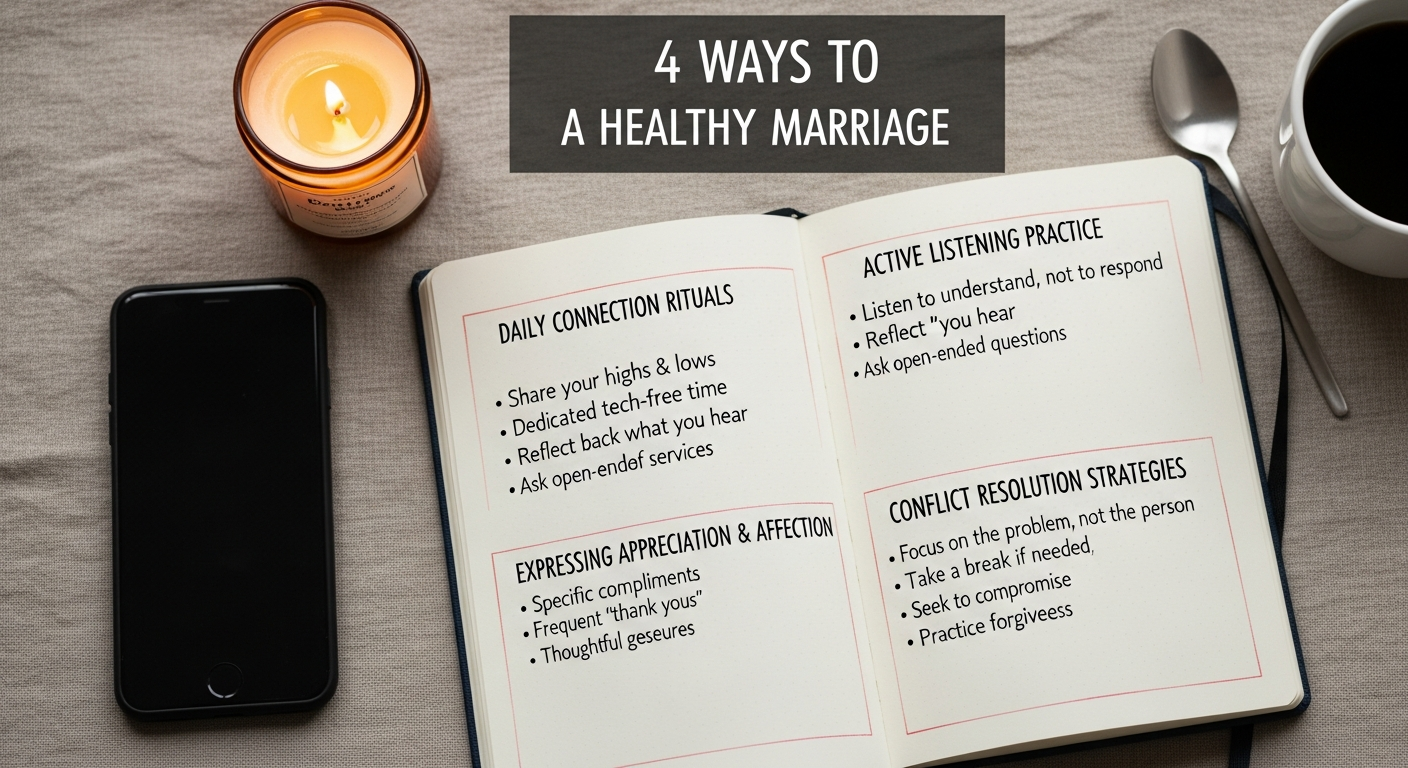
At the very heart of any enduring, healthy marriage lies the art of communication – not just talking, but truly connecting. In an age dominated by screens and notifications, the simple act of being fully present with your spouse has become a revolutionary act. Phubbing, or the act of snubbing your partner in favor of your phone, is a silent assassin of intimacy, eroding trust and creating emotional distance over time. To counteract this, couples must consciously carve out space for undivided attention.
Consider establishing “device-free” zones or times in your home. Perhaps dinner is a sacred time for conversation, or the bedroom becomes a sanctuary where screens are left at the door. These boundaries aren’t about restriction; they’re about liberation – liberating your relationship from the constant demands of the digital world so you can truly see and hear one another. Active listening is paramount here. It means putting down your phone, turning your body towards your partner, making eye contact, and listening not just to their words, but to the emotions underlying them. Ask open-ended questions, paraphrase what you’ve heard to ensure understanding, and validate their feelings, even if you don’t fully agree with their perspective.
Beyond daily check-ins, scheduling dedicated “talk times” can be incredibly beneficial. This doesn’t have to be a formal therapy session, but rather an intentional space to discuss your day, your feelings, your dreams, and your challenges without interruption. This practice fosters vulnerability, which is the bedrock of deep intimacy. Sharing your authentic self, including your fears and insecurities, allows your partner to truly know you and offers them the opportunity to provide comfort and support. Remember, a healthy marriage isn’t just about sharing a life; it’s about sharing your inner world, creating a tapestry of shared experiences and understanding that grows richer with every honest exchange.
Moreover, healthy communication extends to how you express your needs and desires. Instead of assuming your partner knows what you want or need, practice articulating it clearly and kindly. Use “I” statements to express your feelings without assigning blame. For example, “I feel unheard when you’re on your phone during our conversations” is far more constructive than “You never listen to me because you’re always on your phone.” This mindful approach to dialogue transforms potential conflict into opportunities for deeper understanding and connection, ensuring that both partners feel valued and respected, paving the way for a truly healthy and vibrant partnership.
Fostering Shared Experiences and Intentional Adventures
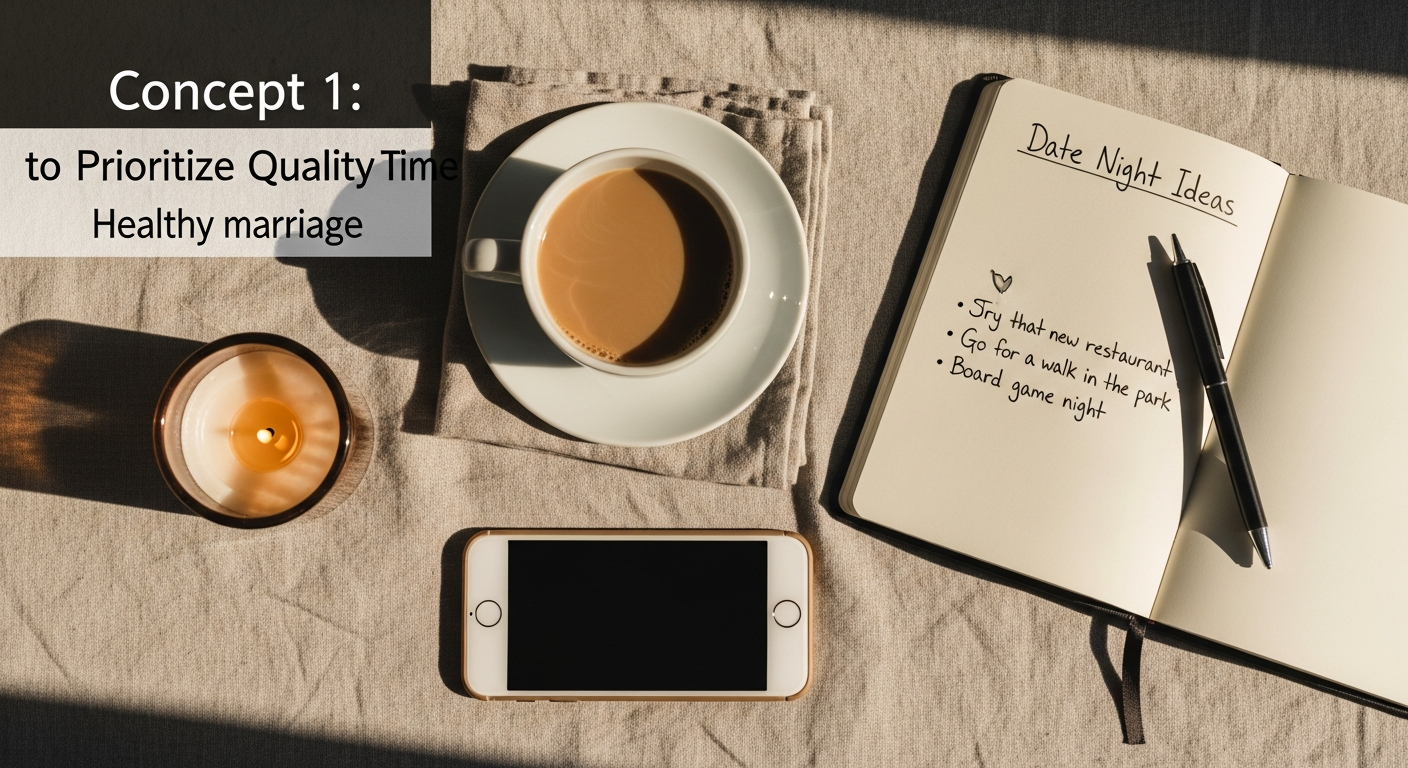
While deep communication forms the backbone of a strong marriage, shared experiences provide the connective tissue that binds a couple together through joy, laughter, and discovery. Life is a collection of moments, and a healthy marriage thrives on intentionally creating memorable moments together. This goes beyond simply coexisting in the same space; it’s about actively engaging in activities that bring both partners joy and foster a sense of ‘us’.
Regular date nights are a classic for a reason. They offer a dedicated time to reconnect, free from the daily grind. Whether it’s a fancy dinner out, a cozy movie night at home, or exploring a new park, the key is to be present and focused on each other. But don’t stop there. Consider shared hobbies – something new you can learn together, like cooking classes, hiking, pottery, or even volunteering for a cause you both care about. These activities not only provide new skills and perspectives but also create a sense of teamwork and shared accomplishment, enriching your individual lives and your bond as a couple.
As life stages evolve, so too must your approach to shared experiences. For instance, couples often find themselves in a new chapter once the children have grown and moved out. This transition, while sometimes bittersweet, presents a magnificent opportunity to explore how to reignite the spark in a marriage after the kids move out. It’s a chance to rediscover the dynamic you shared before parenthood, to embark on new adventures, or to revisit old passions that were put on hold. Perhaps it’s long-delayed travel plans, learning a musical instrument together, or even undertaking a significant home renovation project. The crucial element is mutual enthusiasm and intentional planning.
Looking ahead to 2026, consider creating a “couples bucket list” – a list of experiences, big and small, you want to share. This could range from trying every coffee shop in your town to planning a dream vacation across the world. The act of planning and anticipating these adventures together can be as bonding as the experiences themselves. It demonstrates a shared vision for the future, a commitment to creating joy, and an understanding that your journey together is one of continuous exploration and discovery. These intentional adventures, whether they are grand expeditions or quiet moments of shared delight, are vital for keeping the flame of love burning brightly and for building a rich tapestry of memories that will sustain your marriage through every season.
Nurturing Individual Growth and Mutual Support
This means actively encouraging your partner’s hobbies, career aspirations, and personal goals, even if they don’t directly involve you. Be their biggest cheerleader, offering practical support when needed, whether it’s giving them time to pursue a new course, listening to their challenges, or celebrating their successes. For example, if your partner feels a deep calling to pursue a health care career, understanding the profound reasons to pursue a health care career—such as a desire to make a tangible difference in people’s lives, the intellectual stimulation, or the opportunity for continuous learning—allows you to support their journey with genuine enthusiasm and empathy. This support shows respect for their individual path and reinforces the idea that their personal fulfillment is important to you.
Healthy boundaries play a significant role here. It’s important to maintain individual friendships, interests, and even alone time. This personal space allows each partner to recharge, gain new perspectives, and bring fresh energy back into the relationship. When you have interests outside of your marriage, you bring more to the table – more stories, more insights, more vibrancy. It prevents the relationship from becoming suffocating and fosters a sense of independence within the context of interdependence.
Moreover, true support involves empathy during challenging times in a partner’s individual journey. When they face setbacks or struggles in their personal pursuits, your role is to be a steadfast source of comfort and encouragement, reminding them of their strengths and helping them navigate obstacles. This unwavering belief in each other, even during moments of self-doubt, strengthens the marital bond immensely. By fostering an environment where individual growth is not just tolerated but actively celebrated, you create a dynamic partnership where both individuals feel seen, valued, and loved for who they are, and who they are becoming. This mutual upliftment is a cornerstone of a genuinely healthy and lasting marriage, ensuring that both partners feel continually inspired and fulfilled.
Navigating Challenges Together and Building Resilience

No marriage is a perpetual honeymoon. Life, in its beautiful complexity, inevitably presents challenges, conflicts, and unexpected curveballs. A healthy marriage isn’t one devoid of conflict, but rather one where partners possess the tools and commitment to navigate disagreements constructively, learn from adversity, and emerge stronger on the other side. Building resilience as a couple means understanding that your partnership is a team, and facing life’s difficulties together, rather than letting them drive you apart.
The first step in navigating challenges is to approach conflict with a mindset of problem-solving rather than blame. When disagreements arise, focus on the issue at hand, not on attacking your partner’s character. Practice “fair fighting” rules: no name-calling, no bringing up past grievances unrelated to the current issue, and no stonewalling (shutting down communication). Instead, aim to understand your partner’s perspective, even if you don’t agree with it. Ask questions, listen actively, and express your own feelings and needs calmly and clearly. Sometimes, the goal isn’t necessarily to “win” an argument, but to achieve mutual understanding and find a compromise that respects both partners’ feelings.
Life throws curveballs, sometimes from unexpected directions, much like the unforeseen complications if you lend your car to a friend and they crash it. Just as understanding the process for navigating a situation like what to do if you lend your car to a friend and they crash it involves clear steps, communication with relevant parties, and a structured approach to prevent further damage and rebuild trust, so too does navigating marital conflicts require a structured, empathetic approach. It’s about taking responsibility, assessing the damage, and working together to find a resolution that protects the integrity of the relationship. This shared responsibility in times of crisis deepens the bond and builds a powerful sense of partnership.
Forgiveness is another critical component of resilience. Holding onto grudges poisons a relationship. Once an issue has been discussed and resolved, make a conscious effort to let it go. This doesn’t mean forgetting, but rather choosing to move forward without allowing past hurts to dictate present interactions. Regularly checking in with each other, perhaps through a monthly “relationship meeting” where you discuss what’s working well and what needs attention, can help address minor issues before they escalate. Remember that every challenge overcome together becomes a testament to your bond, strengthening your ability to face future adversities. By committing to respectful conflict resolution, embracing forgiveness, and approaching difficulties as a united front, you build a marriage that is not only healthy but remarkably resilient, capable of weathering any storm.
Embracing Technology Mindfully: Digital Wellness for a Stronger Bond
In our modern world, technology is a constant companion, offering incredible convenience and connectivity. However, its pervasive presence can also become a silent saboteur of intimacy if not managed mindfully. As the “Stop Phubbing” blog champions, digital wellness is not just about personal well-being; it’s a critical component of maintaining a healthy marriage. The insidious habit of phubbing – prioritizing your phone over your partner – sends a clear message, albeit unintentionally: “What’s on my screen is more important than you.” This erodes connection, fosters resentment, and diminishes the quality of shared time.
To counteract the digital drift, couples must actively establish healthy technological boundaries. This isn’t about demonizing technology, but about using it intentionally and ensuring it serves your relationship, rather than detracting from it. A great starting point is to designate specific “tech-free” times and zones within your home. For example, make mealtimes a sacred space for conversation, where phones are put away or silenced. The bedroom, too, should be a sanctuary for intimacy and rest, free from the glow of screens. Consider a “charging station” outside the bedroom where all devices spend the night, encouraging deeper sleep and more present mornings together.
Beyond physical boundaries, establish agreements about how you’ll engage with devices during shared activities. If you’re watching a movie together, resist the urge to scroll through social media simultaneously. If one partner is speaking, the other should give their full, undivided attention, putting down their phone. These seemingly small acts of presence demonstrate respect, value, and a commitment to genuine connection. They communicate, “You are my priority.”
Consider regular digital detoxes as a couple. This could be an hour each evening, a full day on the weekend, or even a weekend getaway where devices are intentionally left behind or used minimally. These periods of disconnection from the digital world allow for profound reconnection with each other and with the present moment. Explore new hobbies or revisit old ones that don’t involve screens. Use technology to enhance your relationship – perhaps by using an app to manage shared calendars, planning dates, or sharing photos from a recent adventure – rather than allowing it to create a barrier. By being mindful and intentional about your technology use, you safeguard your most important relationship, ensuring that your marriage remains a vibrant hub of human connection, well into 2026 and for all the years to come.
Proactive Maintenance and a Shared Vision for 2026 and Beyond
A healthy marriage is not a destination; it’s a continuous journey that requires proactive maintenance, just like a well-tended garden. It doesn’t simply thrive on its own; it flourishes with consistent care, intentional effort, and a shared vision for the future. The most resilient couples understand that their relationship needs regular tune-ups, celebration of milestones, and a forward-looking perspective to navigate the evolving landscape of life.
Regularly schedule “relationship check-ins.” This doesn’t have to be a heavy, formal meeting, but a dedicated time, perhaps once a month, to openly discuss the state of your union. What’s working well? What areas could use more attention? Are there unmet needs or unspoken desires? This proactive approach helps to identify minor issues before they become significant problems, fostering a sense of continuous improvement and mutual understanding. It’s an opportunity to express appreciation, acknowledge efforts, and realign your paths.
Beyond addressing challenges, a healthy marriage is built on shared dreams and aspirations. What does your life together look like in 2026? What about five or ten years down the line? Engage in vision boarding or simply regular conversations about your future goals – whether it’s travel plans, career advancements, family milestones, or personal development. This collaborative dreaming reinforces your partnership, giving you both something exciting to work towards together. It creates a sense of purpose and shared destiny, reminding you that you are building a life, not just living one.
Celebrating milestones, both big and small, is also crucial. Acknowledge anniversaries, birthdays, and personal achievements with enthusiasm and genuine joy. These celebrations reinforce the value you place on your partner and your journey together. Even small gestures of appreciation, like a heartfelt thank you or a surprise act of service, can significantly boost morale and strengthen the emotional bank account of your relationship.
Finally, remember that seeking external support, like couples counseling, is a sign of strength, not weakness. If you find yourselves stuck in recurring patterns, struggling with communication, or facing significant challenges that feel overwhelming, a neutral third party can provide invaluable tools and insights. Just as you’d take your car in for maintenance or consult an expert for complex legal advice, investing in the health of your marriage through professional guidance is a wise and loving choice. By committing to proactive maintenance, nurturing a shared vision, and embracing support when needed, you ensure your marriage remains vibrant, adaptable, and deeply fulfilling for many years to come, thriving long past 2026.
Frequently Asked Questions
Recommended Resources
You might also enjoy Magnesium For Sleep And Anxiety from Heartbeat Reggae.
For more on 4 ways to, see How To Use Music For Meditation on Heartbeat Reggae.