The Immediate Aftermath: Prioritizing Safety and Emotional Well-being
The moment you receive that call is often a blur of emotions. It’s natural to feel a surge of panic, anger, or even a sense of injustice. Before you dive into accusations or solutions, take a moment. Breathe. Your immediate reaction, while understandable, might not be the most constructive. This is a critical juncture where mindful living truly comes into play – pausing, assessing, and responding rather than reacting. Just as we advocate for putting down our phones to be truly present with loved ones, we encourage a similar mindful approach to difficult situations.
Ensuring Immediate Safety and Information Gathering
- Confirm Everyone’s Safety First: Your absolute first priority should be to ensure that your friend and anyone else involved in the accident are safe and uninjured. Ask about their condition, if emergency services (police, ambulance) have been called, and if they are at a safe location. If there are injuries, emphasize the importance of seeking medical attention immediately.
- Gather Essential Information: Instruct your friend to gather as much information at the scene as possible. This includes:
- The other driver’s contact information (name, phone, address).
- The other driver’s insurance information (company name, policy number).
- Vehicle information for all cars involved (make, model, year, license plate number, VIN).
- Contact information for any witnesses.
- Photos and videos of the accident scene from various angles, including damage to all vehicles, road conditions, traffic signs, and any skid marks.
- The police report number and the name of the responding officer(s). Even if it seems minor, a police report is invaluable for insurance claims and establishing fault.
- Avoid Admitting Fault: Remind your friend not to admit fault to anyone at the scene, including the other driver, witnesses, or police. Statements made at the scene can be used against them (and indirectly, against you) during the claims process.
Processing Your Emotions and Initial Conversation
Once you’ve addressed the immediate practicalities, allow yourself to process the emotional impact. It’s okay to feel upset, angry, or disappointed. These feelings are valid. However, try to approach the initial conversation with your friend from a place of understanding, even if it’s difficult. Remember, they are likely feeling immense guilt, fear, and embarrassment.
- Choose Your Moment: Avoid having a heated conversation immediately after you hear the news. Give both yourself and your friend a little time to calm down. A phone call is necessary for immediate information, but a deeper, more emotional conversation might be best held in person or via a video call when both parties are ready to engage mindfully.
- Focus on Facts, Not Blame (Initially): In your first detailed discussion, stick to gathering the facts of what happened. Ask open-ended questions: “Can you walk me through what happened?” “What did the police say?” “Do you have the other driver’s details?” This helps you understand the situation without immediately escalating tensions.
- Acknowledge Their Feelings: Even though you are the one whose car is damaged, acknowledging your friend’s distress can open the door for a more productive conversation. “I know this must be incredibly stressful for you too, and I appreciate you telling me what happened.”
This initial phase sets the tone for how the rest of this difficult situation will unfold. Approaching it with a calm, empathetic, and mindful perspective, rather than immediately giving in to overwhelming emotions, will be beneficial for both the practical resolution and the preservation of your friendship.
Navigating the Insurance Labyrinth: Whose Policy Pays?

This is often the most confusing and stressful part of the process. Understanding how insurance works when someone else crashes your car is crucial. Generally, in most states, the car’s insurance policy (yours) is considered primary, regardless of who was driving, as long as they had your permission. This is known as “permissive use.”
Understanding Permissive Use and Your Policy
- Your Policy is Usually Primary: If you gave your friend permission to drive your car, your auto insurance policy will typically be the primary coverage for any damages or injuries that result from the accident. This means your collision coverage would pay for damages to your car, and your liability coverage would pay for damages or injuries your friend caused to other people or their property.
- Collision Coverage: This pays for damage to your vehicle, regardless of who was at fault. You will be responsible for your deductible.
- Liability Coverage: This covers damages and injuries your friend caused to other vehicles, property, or individuals.
- Comprehensive Coverage (for non-collision damage): While less likely in a crash scenario, if, for example, your friend swerved to avoid an animal and hit a tree, comprehensive might apply, depending on the specifics and your policy.
The Role of Your Friend’s Insurance
While your policy is usually primary, your friend’s personal auto insurance policy might come into play as secondary coverage. This is especially relevant if:
- Your Policy Limits are Exceeded: If the damages or injuries are extensive and exceed the limits of your liability coverage, your friend’s policy might provide additional coverage.
- Your Friend is at Fault: If your friend was clearly at fault, their insurance company might contribute to the costs, especially if their policy has “non-owner” or “driving other cars” coverage.
- Deductible Reimbursement: If you pay your deductible, you might be able to seek reimbursement from your friend’s insurance company through a process called subrogation, or directly from your friend.
Steps to Take with Insurance
Understanding your insurance policy can feel as complex as deciding on the 3 things to know before starting a family – it requires careful consideration and foresight.
- Review Your Policy: Before making any calls, pull out your insurance policy documents (or access them online). Familiarize yourself with your coverage limits, deductibles, and terms related to permissive use.
- Contact Your Insurance Company: As the policyholder, you are responsible for initiating the claim. Contact your insurance provider as soon as reasonably possible. Be honest and provide all the details your friend gathered at the scene. They will guide you through the claims process.
- File a Police Report: If a police report wasn’t filed at the scene, consider filing one, especially if there was significant damage or injury. This provides an official, unbiased account of the incident.
- Be Prepared for Your Premiums to Increase: Unfortunately, even if your friend was driving, an at-fault accident filed under your policy can lead to an increase in your insurance premiums. This is a tough reality and a common source of conflict in these situations.
- Document Everything: Keep meticulous records of all communications with your insurance company, your friend, the other driver, and any repair shops. Note dates, times, names of people you spoke with, and summaries of conversations.
- Consider Gap Insurance: If your car is totaled and you have a loan, gap insurance could be crucial. It covers the “gap” between what you owe on your car and its actual cash value (ACV), which is what your standard collision coverage would pay.
This process can be lengthy and frustrating. Maintain clear, honest communication with your insurance company and your friend throughout. It’s a testament to mindful living to navigate these bureaucratic hurdles with patience and persistence, knowing that clarity will eventually emerge.
The Friendship Factor: Communication, Responsibility, and Rebuilding Trust
Open and Honest Dialogue
Once the immediate shock and practical steps are underway, it’s crucial to have an open, honest, and empathetic conversation with your friend. This isn’t about assigning blame but about understanding, acknowledging feelings, and discussing a path forward.
- Express Your Feelings (Calmly): Share how you feel without resorting to accusations. “I’m really upset and disappointed about what happened to my car. It’s not just a car; it’s a significant financial asset and I rely on it daily.”
- Listen to Their Perspective: Give your friend space to express their remorse, guilt, and any other feelings they might have. They are likely feeling terrible, and validating their feelings, even amidst your own distress, can be powerful.
- Discuss Responsibility: This is where the conversation often gets tricky. Who is responsible for the deductible? For potential increases in your insurance premiums? For any rental car costs while yours is being repaired? These are difficult questions, but they need to be addressed directly.
Navigating Financial Responsibilities
The financial fallout is often the biggest point of contention. Be prepared to discuss:
- The Deductible: As your insurance policy is primary, you will likely have to pay your deductible to get your car repaired. It is generally expected that the friend who caused the accident, if found at fault, would reimburse you for this amount. Discuss a repayment plan if they can’t pay it all at once.
- Increased Premiums: Explain that an at-fault accident on your record could lead to higher premiums for years to come. While it’s harder to put an exact number on this immediately, you might discuss a future arrangement where they contribute to this increase, or a one-time payment to help offset it. This is a highly sensitive area and requires immense diplomacy.
- Loss of Use/Rental Car: If you need a rental car while yours is being repaired, who pays for it? Your policy might cover some of this, but if not, this is another cost to discuss.
- Depreciation: Even after repairs, a car that has been in an accident often loses some resale value (diminished value). While harder to claim from insurance, it’s a real financial loss that you might consider discussing with your friend, especially if the damage was significant.
Rebuilding Trust and Setting Boundaries
This incident will inevitably challenge the trust in your friendship. Rebuilding it requires time, consistent effort, and clear boundaries for the future. Just as we advocate for open, present communication to avoid phubbing, these same principles apply when navigating sensitive situations like lending valuable possessions.
- Forgiveness and Accountability: Forgiveness doesn’t mean forgetting or excusing the behavior, but rather releasing the anger and resentment. Your friend showing sincere accountability and making efforts to rectify the situation is key to earning back your trust.
- Future Lending Policies: Have a frank discussion about lending your car (or other significant possessions) in the future. You might decide you won’t lend your car again, or you might establish very clear, written agreements that outline responsibilities, insurance implications, and what happens in case of an accident.
- Consider the Friendship’s Value: Weigh the value of the friendship against the financial and emotional cost. Sometimes, tough situations reveal the true nature of a relationship. If the friend is dismissive, unrepentant, or refuses to take responsibility, it might be a sign that the friendship itself needs re-evaluation.
Navigating these waters requires immense emotional intelligence and a commitment to mindful communication. It’s about finding a balance between protecting your assets and preserving a valuable relationship, if the friendship truly warrants it.
Legal Considerations and What to Expect
While most car accidents are resolved through insurance claims, there are instances where legal considerations might become necessary. Understanding these aspects can empower you to make informed decisions, even if you hope it doesn’t come to this. While we hope it doesn’t come to this, understanding your legal standing is crucial, just as those considering reasons to pursue a health care career often research the legal and ethical frameworks of patient care.
Understanding Liability and Fault
- Driver’s Liability: Generally, the person driving the car at the time of the accident is considered primarily liable for negligence that caused the crash. However, as the vehicle owner, your insurance is usually primary due to permissive use.
- Owner’s Liability (Permissive Use Laws): In most states, if you permit someone to drive your car, you are essentially extending your insurance coverage to them. This doesn’t necessarily mean you are personally liable for their negligent actions, but your insurance policy will be the first line of defense. Some states, however, have “owner liability” statutes that can hold the car owner partially responsible in certain situations.
- Contributory/Comparative Negligence: If the other driver was also partly at fault, the liability can be split between your friend and the other driver, which can affect the payout from insurance companies.
When Legal Action Might Be Considered
While suing a friend is a drastic step that can irrevocably damage a relationship, there are specific circumstances where it might be necessary:
- Refusal to Pay Deductible/Damages: If your friend refuses to reimburse you for your deductible or any other out-of-pocket costs (like increased premiums or rental car fees) that you agreed they would cover, you might consider small claims court. Small claims court is designed for individuals to resolve disputes involving smaller monetary amounts without needing extensive legal representation.
- Significant Uninsured Damages: If your friend was at fault, and both your insurance and their secondary insurance don’t fully cover the damages or injuries, and your friend has assets, you might consider pursuing legal action for the remaining amount. This is rare and usually reserved for very severe accidents.
- Personal Injury to Others: If your friend caused significant injuries to another person and your insurance limits are exhausted, the injured party might pursue legal action against your friend directly. In some rare cases, they might attempt to pursue you as the vehicle owner, though this is less common with permissive use.
Consulting with a Legal Professional
If you find yourself in any of these more complex legal situations, or if your friend is being uncooperative, it’s wise to:
- Speak with Your Insurance Company’s Legal Department: They can often advise you on your rights and obligations, especially regarding subrogation (where they try to recover costs from the at-fault party or their insurance).
- Consult a Personal Injury Attorney: If there are significant injuries involved, or if you are being pursued by another party, an attorney specializing in auto accidents can provide crucial guidance.
- Understand Small Claims Court Procedures: If you decide to pursue your friend for reimbursement in small claims court, research the procedures and limits in your state and local jurisdiction.
Remember, taking legal action against a friend should be a last resort. It’s a decision that carries significant emotional weight and almost guarantees the end of the friendship. Always exhaust all avenues of communication and insurance resolution first.
Preventing Future Incidents and Cultivating Trust
This experience, while painful, offers a profound opportunity for learning and growth. It encourages us to be more mindful in our relationships and more intentional about our boundaries. Preventing future incidents, whether involving your car or other shared responsibilities, hinges on clear communication and a foundation of trust.
Establishing Clear Expectations Before Lending
The best way to avoid a repeat scenario is to set clear ground rules before you ever lend your car again. Don’t assume anything; discuss everything openly and honestly.
- Discuss Insurance: Have a conversation about what happens if there’s an accident. “Just so we’re clear, if anything happens, my insurance will be primary, but I would expect you to cover the deductible and any potential increases in my premiums.”
- Check Their Driving Record: While it might feel intrusive, if you’re lending your car to someone you don’t know extremely well, you might consider a polite way to ask about their driving history.
- Set Usage Limits: Be specific about where, when, and for how long the car can be used. “I’m happy for you to use it for your errands today, but please have it back by 6 PM.”
- Fuel and Maintenance: Establish expectations about returning the car with a full tank of gas or handling minor maintenance needs if they’re using it for an extended period.
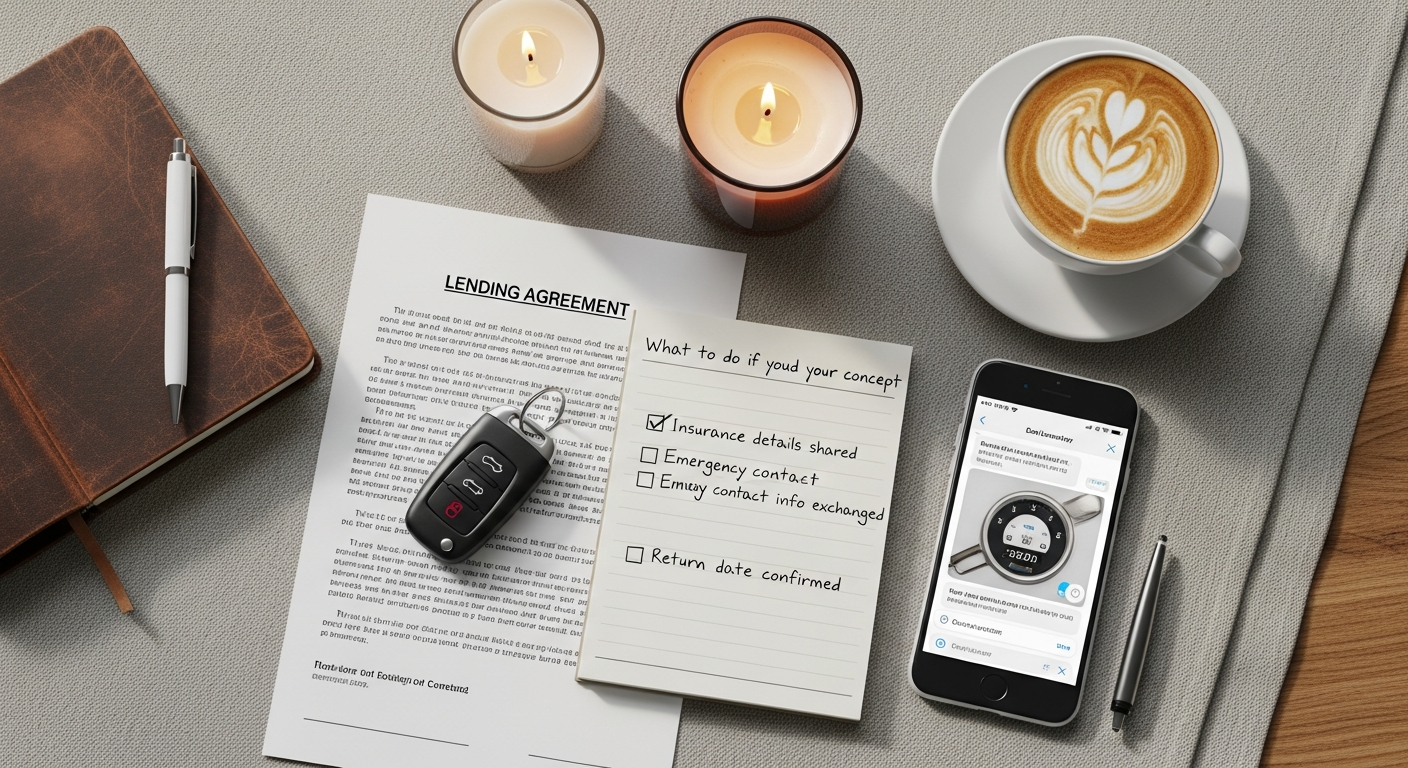
- Consider a Written Agreement: For significant loans or for friends you’re less certain about, a simple written agreement outlining responsibilities can prevent misunderstandings. It doesn’t have to be formal; a text message or email confirming agreed-upon terms can suffice.
Alternatives to Lending Your Car
Sometimes, the kindest thing you can do for both yourself and your friend is to offer an alternative to lending your car directly.
- Offer to Drive Them: If it’s a short trip or a specific errand, offer to drive your friend yourself. This keeps you in control and ensures safety.
- Suggest Ride-Sharing Services: Help them arrange an Uber or Lyft, or even pay for it if it’s within your means and you truly want to help.
- Recommend Rental Cars: For longer trips or more extensive needs, suggest they rent a car. Many credit cards offer rental car insurance, and it shifts the primary insurance responsibility to a professional rental company.
- Public Transportation: Explore public transportation options if available and suitable for their needs.
Cultivating Trust and Respect in Relationships
This situation highlights the delicate balance of trust and responsibility in any relationship. A mindful approach to friendship means understanding boundaries, communicating needs, and respecting each other’s possessions and well-being.
- Practice Proactive Communication: Don’t wait for problems to arise. Regularly check in with friends, discuss expectations, and maintain open lines of communication. This is a core tenet of mindful living and helps prevent “phubbing” in all its forms, including emotional neglect.
- Lead by Example: Be the kind of friend you wish to have. If you borrow something from someone, return it promptly and in good condition. If an accident happens while you’re responsible for someone else’s property, take immediate and full responsibility.
- Recognize Red Flags: If a friend consistently takes advantage, is irresponsible, or shows a lack of respect for your property or time, these are important signals. Addressing these issues early can prevent larger problems down the line.
Learning from this experience will not only protect your assets but also deepen your understanding of the dynamics of friendship, paving the way for more resilient and mindful relationships in 2026 and beyond.
Beyond the Incident: Personal Growth and Well-being
While dealing with a car crash is undoubtedly stressful, it’s also an opportunity for profound personal growth. How you navigate this crisis, manage your emotions, and resolve the practicalities can strengthen your resilience, refine your communication skills, and deepen your understanding of your relationships. Remember, your well-being is paramount. This experience, while challenging, can also be a profound opportunity for personal growth and resilience, helping you navigate future challenges with greater wisdom and calm.
Processing and Healing
It’s important to give yourself space to process the emotional toll of the situation. The feeling of violation, the frustration of bureaucracy, and the disappointment in a friend can linger.
- Acknowledge Your Feelings: Don’t suppress your anger, sadness, or anxiety. Allow yourself to feel these emotions without judgment. Talking to a trusted friend, family member, or even a therapist can be incredibly helpful.
- Practice Self-Care: During stressful times, it’s easy to neglect your own needs. Engage in activities that bring you calm and joy – whether it’s mindful meditation, a walk in nature, reading, or spending quality time with supportive people. This aligns perfectly with the principles of digital wellness, encouraging us to disconnect from stress and reconnect with ourselves.
- Focus on What You Can Control: You can’t control what happened, nor can you fully control your friend’s reaction. Focus your energy on the steps you can take: managing the insurance claim, communicating clearly, and setting personal boundaries.
Learning and Adapting
Every challenging experience offers lessons. This incident can teach you invaluable insights about trust, responsibility, and communication.
- Refine Your Boundaries: This is a powerful lesson in setting and maintaining healthy boundaries. It teaches you to articulate your expectations clearly and to say “no” when necessary, even to friends.
- Improve Communication Skills: Navigating this situation requires delicate and effective communication. You’ll likely refine your ability to express difficult emotions, negotiate sensitive topics, and listen empathetically.
- Evaluate Your Relationships: A crisis often reveals the true character of people. How your friend handles their responsibility (or lack thereof) will tell you a great deal about their values and their commitment to your friendship. Use this insight to foster healthier relationships moving forward.
Moving Forward in 2026
As we navigate the complexities of modern life, incidents like these serve as powerful reminders of the importance of mindful living and strong, authentic relationships. While your car might be repaired or replaced, the experience itself will leave an imprint. Use it as a stepping stone to build greater resilience, cultivate deeper trust in your valuable friendships, and approach future challenges with wisdom and grace.
In the end, while the physical damage to your car is a tangible loss, the lessons learned about trust, communication, and personal boundaries are invaluable. May this experience empower you to live more mindfully, connect more genuinely, and build relationships that withstand the bumps in the road, literal and metaphorical, as we continue through 2026.