

Making a Profound Impact and Meaningful Contribution
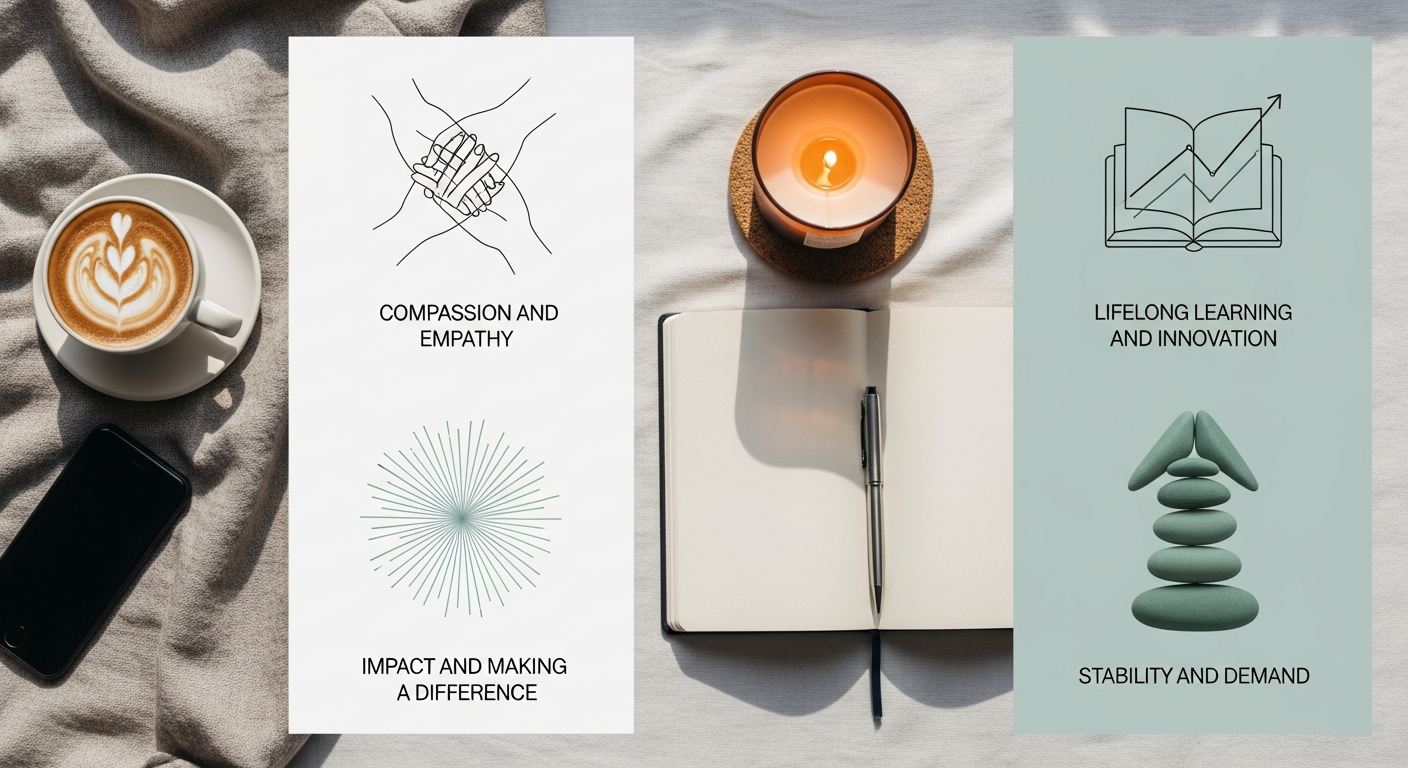
One of the most compelling reasons to pursue a career in healthcare is the unparalleled opportunity to make a tangible, life-changing impact on individuals and communities. Unlike many professions where the connection between effort and outcome can feel abstract, in healthcare, the results of your dedication are often immediate and deeply personal. Imagine the profound satisfaction of helping a patient recover from a serious illness, guiding a family through a challenging diagnosis, or bringing new life into the world. These are not merely tasks; they are moments of intense human vulnerability and resilience, where your skills, empathy, and presence can quite literally make the difference between suffering and comfort, illness and recovery, despair and hope.
This direct impact extends beyond individual patient interactions. Healthcare professionals are often at the forefront of public health initiatives, disease prevention, and health education, shaping the well-being of entire populations. Whether you’re working in a bustling emergency room, a quiet palliative care unit, a community clinic, or a research lab, your contribution echoes through the lives of countless individuals. In a society that often grapples with isolation and the superficiality of digital interactions, a healthcare career offers a powerful antidote, fostering genuine connection and reminding us of our shared humanity. It’s a career path that consistently challenges you to grow, to learn, and to give of yourself, returning a sense of purpose that is deeply fulfilling and a powerful anchor in a sometimes chaotic world. This inherent sense of purpose can be a potent force for mindful living, encouraging you to be fully present in your work and to appreciate the sacred trust placed in your hands. It helps you focus on what truly matters, fostering a deeper connection not just with patients but with your own values and aspirations, moving beyond the fleeting gratification of digital distractions towards enduring satisfaction.
Diverse Career Paths and Specializations Galore
The landscape of healthcare is vast and incredibly diverse, offering an astonishing array of career paths and specializations to suit virtually every interest, skill set, and personality. When people think of healthcare, their minds often jump straight to doctors and nurses, but these roles represent just a fraction of the intricate ecosystem that keeps our health systems running. From direct patient care to behind-the-scenes support, from cutting-edge research to compassionate administration, the options are truly expansive. You might find your calling as a physical therapist helping individuals regain mobility, a medical technologist analyzing vital lab samples, a radiologist interpreting diagnostic images, or a mental health counselor providing crucial support. Perhaps you’re drawn to public health, working to prevent epidemics and promote wellness on a community scale, or to health information technology, designing the systems that manage patient data securely and efficiently.
Beyond these, consider roles like nutritionists, occupational therapists, speech-language pathologists, surgical technologists, pharmacists, physician assistants, dental hygienists, medical coders, healthcare administrators, social workers, and biomedical engineers. Each of these professions requires unique expertise and contributes indispensably to the overall health and well-being of society. This incredible diversity means that you can often find a niche that aligns perfectly with your passions and strengths, allowing you to continually learn and evolve within your chosen field. It also provides opportunities for career progression and specialization, ensuring that your professional journey remains dynamic and engaging. This breadth of choice means that even if your initial path shifts, there are countless avenues within healthcare where you can pivot, retrain, and discover new ways to contribute meaningfully, keeping your career vibrant and aligned with your evolving interests and desire for continuous impact.
Unparalleled Job Security and Growth in a Future-Proof Industry
Secondly, health concerns are universal and constant. Sickness and injury are an unavoidable part of the human experience, ensuring that the need for healthcare professionals will always exist, regardless of economic fluctuations or technological shifts that might disrupt other industries. Even with the rise of artificial intelligence and automation, the inherently human elements of empathy, critical thinking, complex problem-solving, and direct patient interaction remain indispensable to healthcare roles, making many positions resistant to full automation.
Looking ahead to 2026 and beyond, projections from labor statistics consistently indicate robust growth across various healthcare occupations. The demand for registered nurses, home health aides, medical assistants, and therapists, among many others, is expected to continue its upward trajectory. This means that pursuing a healthcare career offers not just a job, but a stable and future-proof profession with numerous opportunities for advancement and specialization. This security can bring immense peace of mind, allowing you to focus on your work and personal life without the constant worry of job instability, fostering a sense of groundedness that aligns perfectly with a mindful approach to living and planning for a stable future for yourself and your loved ones. Knowing your skills are in demand allows you to invest deeply in your craft, continually improving and specializing, secure in the knowledge that your dedication will be rewarded with long-term career viability.
Cultivating Personal Growth and Lifelong Learning
A career in healthcare is an extraordinary journey of continuous personal and professional growth, demanding and fostering qualities that extend far beyond clinical skills. The dynamic nature of medicine means that learning never truly stops. New diseases emerge, treatments evolve, technologies advance, and best practices are constantly refined. Healthcare professionals are therefore perpetual students, engaged in lifelong learning through continuing education, professional development, and the daily challenges of their work. This commitment to intellectual curiosity and improvement keeps the mind sharp and the spirit engaged, preventing stagnation and fostering a vibrant professional life.
Beyond acquiring new medical knowledge, healthcare roles inherently build a powerful suite of soft skills. You will develop exceptional problem-solving abilities, often under pressure, making critical decisions that impact lives. Communication skills are honed through interactions with diverse patients, anxious families, and multidisciplinary teams. Empathy, resilience, critical thinking, attention to detail, and ethical reasoning become second nature. You learn to navigate complex situations, to adapt quickly to unforeseen circumstances, and to manage stress effectively. These are not merely job skills; they are life skills that enrich every aspect of your existence.
Consider, for instance, the unexpected challenges that life can throw our way, much like the analogy of what to do if you lend your car to a friend and they crash it. In healthcare, you are constantly presented with scenarios that deviate from the textbook, requiring quick thinking, responsible action, and clear communication to mitigate harm and find the best path forward. This intense environment cultivates a profound sense of responsibility and the ability to remain composed and effective even in crisis. The emotional intelligence gained from witnessing human vulnerability and resilience daily transforms you, deepening your understanding of yourself and others. This continuous process of learning and self-improvement is inherently mindful, pushing you to be present, observant, and reflective, ultimately leading to a more enriched and purposeful life.
Fostering Empathy, Connection, and Active Listening
In an age where digital interfaces often mediate our interactions, a healthcare career stands as a powerful testament to the enduring importance of genuine human connection, empathy, and active listening. At its core, healthcare is about caring for people – understanding their pain, addressing their fears, celebrating their victories, and respecting their dignity. This requires an extraordinary capacity for empathy, the ability to truly step into another person’s shoes and comprehend their experience, often without judgment.
Every patient encounter is an opportunity for connection. It’s about more than just treating a symptom; it’s about seeing the whole person, listening intently to their story, and building trust. Healthcare professionals learn to read non-verbal cues, to ask probing questions with sensitivity, and to communicate complex medical information in an understandable and reassuring manner. This deep engagement fosters a profound sense of purpose that can be profoundly grounding. It reminds us that despite our differences, we are all connected by our shared humanity, our vulnerabilities, and our desire for well-being.
For those seeking to cultivate more mindful living and healthier relationships, a healthcare career offers an unparalleled training ground. It teaches you the invaluable skill of being truly present with another person, free from the distractions of the digital world. This focus on active listening and empathetic understanding transcends the professional realm, spilling over into your personal life, enhancing your relationships with family and friends. It helps you become a better partner, a more understanding parent, and a more compassionate friend, simply by virtue of the daily practice of genuine human care. This cultivation of empathy and connection is not just a professional skill; it is a profound life philosophy that counters the fragmentation of modern life and nourishes the soul.
Achieving Financial Stability and Rewarding Compensation
While the intrinsic rewards of helping others are often the primary motivators for pursuing a healthcare career, the financial stability and competitive compensation that many healthcare professions offer are also significant and valid considerations. It’s important to acknowledge that a career should not only fulfill you emotionally and intellectually but also provide a secure foundation for your life and future. Healthcare professions generally command respectable salaries, reflecting the specialized knowledge, extensive training, and critical responsibilities involved.
The demand-driven nature of the industry, coupled with the specialized skills required, translates into attractive earning potential across a wide range of roles. For example, registered nurses, physicians, specialized therapists, and many technical roles often enjoy salaries well above the national average. This financial security allows professionals to invest in their future, support their families, pursue further education, and enjoy a comfortable quality of life. It provides the freedom to focus on personal well-being and relationships without the constant stress of financial precarity. This stability is particularly appealing for those planning long-term, perhaps considering milestones like homeownership, raising a family, or saving for retirement.
Furthermore, many healthcare organizations offer comprehensive benefits packages, including health insurance, retirement plans, paid time off, and opportunities for continuing education, further enhancing the overall compensation. This holistic approach to employee well-being underscores the value placed on healthcare professionals. While monetary rewards should never be the sole driver, they are an important component of a fulfilling career, enabling a sense of security and providing resources to live a mindful, balanced life where you can dedicate time and energy to your loved ones and personal pursuits without undue financial strain.
Promoting Work-Life Balance and Digital Wellness Through Intentionality
It’s a common misconception that all healthcare careers demand an all-consuming commitment that leaves no room for personal life. While certain roles, particularly in acute care or specialized surgery, can involve demanding schedules, the vast diversity of healthcare professions also offers numerous pathways that prioritize or allow for a healthy work-life balance. Many roles, such as those in outpatient clinics, rehabilitation centers, school health, public health, or administrative positions, often adhere to more regular hours, providing predictable schedules that facilitate mindful living.
Achieving work-life balance in any demanding profession, including healthcare, is less about finding a “perfect” job and more about cultivating intentionality and setting boundaries. Just as 4 ways to maintain a healthy marriage emphasize communication, quality time, commitment, and mutual respect, these principles are equally vital for maintaining a healthy relationship with your career and your personal life. Healthcare professionals are increasingly recognizing the importance of self-care, mental wellness, and preventing burnout. Many institutions are implementing programs and policies to support their staff, understanding that a well-rested and supported workforce provides better patient care.
For those mindful of digital wellness, a healthcare career can paradoxically be an excellent choice. While technology is integrated into medical practice, the core of patient care demands presence and direct interaction, pulling you away from the endless scroll of personal devices. When you’re off duty, the inherent purpose and intensity of your work can make it easier to disconnect intentionally, to fully engage with your personal life, and to truly be present with your loved ones. This mindful disengagement from work, much like learning how to reignite the spark in a marriage after the kids move out, requires deliberate effort to reconnect with what matters outside of your professional identity. It’s about actively carving out time for hobbies, family, friendships, and personal well-being, ensuring that your impactful career enriches your life without consuming it entirely. By being intentional about your boundaries and prioritizing self-care, a healthcare career can be a powerful catalyst for a balanced, purposeful, and digitally-aware life.
FAQ: Pursuing a Healthcare Career
What skills are essential for a successful healthcare career?
Beyond specific medical knowledge, essential skills include strong communication, empathy, critical thinking, problem-solving, attention to detail, resilience, adaptability, and teamwork. Healthcare professionals must also possess excellent organizational skills and a commitment to lifelong learning, as the field is constantly evolving.
Is it ever too late to start a healthcare career?
Absolutely not! Many individuals embark on healthcare careers later in life, bringing valuable life experience, maturity, and a renewed sense of purpose. There are numerous accelerated programs, certificate courses, and flexible educational pathways designed for career changers and adult learners. Your unique life journey can often enhance your ability to connect with and care for patients.
How does a healthcare career impact one’s personal life and relationships?
A healthcare career can profoundly enrich personal life by fostering empathy, resilience, and a deep appreciation for life. However, it can also be demanding, requiring intentional effort to maintain work-life balance. Clear communication with loved ones, setting boundaries, and prioritizing self-care are crucial for ensuring that the rewards of your career extend positively into your relationships and personal well-being. The skills learned in navigating difficult conversations and managing stress can actually strengthen personal bonds.
What are some lesser-known but impactful healthcare roles?
Beyond doctors and nurses, consider roles like medical illustrators who communicate complex medical concepts visually, music therapists who use music to address physical, emotional, and cognitive needs, genetic counselors who guide families through genetic conditions, prosthetists and orthotists who design and fit artificial limbs and braces, or health informaticians who manage and analyze health data to improve patient care and public health outcomes. There’s a vast world of specialized roles making critical contributions.
How can one maintain mental well-being in a demanding healthcare role?
Maintaining mental well-being is paramount. Strategies include practicing self-care (adequate sleep, nutrition, exercise), developing strong coping mechanisms, seeking peer support or professional counseling when needed, setting clear boundaries between work and personal life, and engaging in hobbies or activities that bring joy and relaxation. Mindful practices like meditation or journaling can also be highly beneficial in processing the emotional demands of the job.
What are the future prospects for healthcare professionals looking ahead to 2026 and beyond?
The future for healthcare professionals is exceptionally bright and stable. Driven by an aging global population, advancements in medical technology, and an increasing focus on preventative care and chronic disease management, the demand for skilled professionals is projected to continue growing robustly well past 2026. This includes traditional roles and emerging specializations in areas like telehealth, artificial intelligence in medicine, and genetic therapies, ensuring a diverse and evolving landscape of opportunities.
Recommended Resources
Explore Intermittent Fasting Mental Clarity for additional insights.
You might also enjoy Magnesium For Sleep And Anxiety from Heartbeat Reggae.