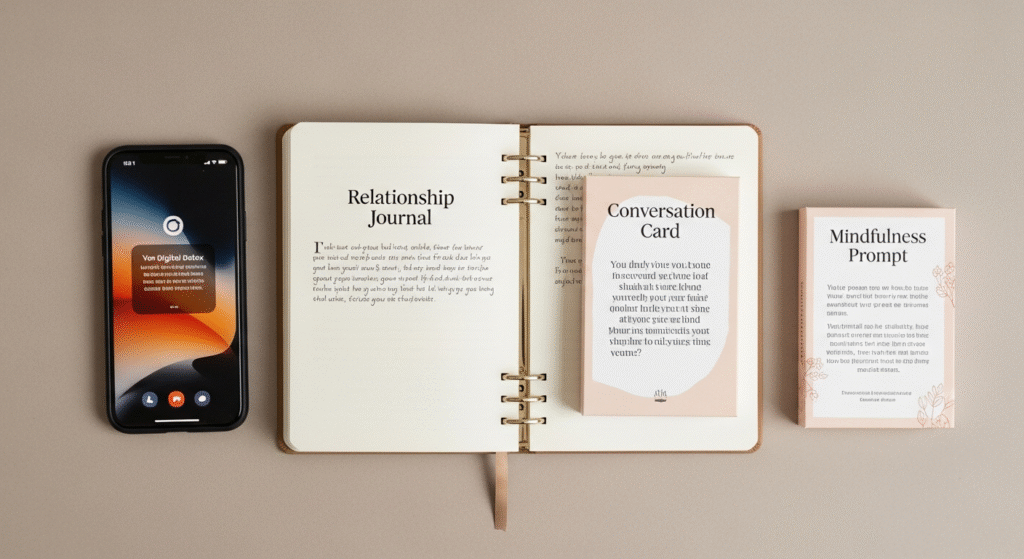

Navigating the Digital Maze: Why Relationships Fail in the Smartphone Age and How to Build Lasting Connection
The Erosion of Communication: When Silence Speaks Volumes (and Screens Speak Louder)
At the heart of every strong relationship lies effective communication. Yet, in our fast-paced, digitally saturated lives, genuine dialogue often takes a backseat to quick texts, social media updates, or simply the allure of the screen. We might be physically present, but mentally miles away, lost in our individual digital worlds. This isn’t just a minor inconvenience; it’s a profound threat to intimacy. Dr. John Gottman, a renowned relationship researcher, identified what he calls the “Four Horsemen of the Apocalypse” – criticism, contempt, defensiveness, and stonewalling – as predictors of relationship failure. These destructive communication patterns are exacerbated in the digital age, where we might resort to texting a complaint rather than having a difficult conversation, or worse, engage in phubbing (phone snubbing) during precious face-to-face time. Phubbing sends a clear, albeit often unintentional, message: “What’s on my screen is more important than you.” The silence that follows a phubbing incident isn’t empty; it’s often filled with unspoken resentment and a growing sense of being unheard and unvalued. This slow erosion of attentive listening and present conversation creates a chasm where understanding once resided. We start making assumptions, projecting our fears, and feeling increasingly isolated, even when our partner is just a few feet away.
Actionable Strategies for Reclaiming Communication:
* Practice Active Listening: This isn’t just about hearing words; it’s about truly understanding. When your partner speaks, put your phone down, make eye contact, and listen with the intent to comprehend, not just to reply. Reflect what you hear back to them: “So, what I’m hearing is that you’re feeling overwhelmed by work and wish I could help more with the household tasks, is that right?” This validates their feelings and prevents misunderstandings.
* Embrace “I” Statements: Instead of “You always ignore me when you’re on your phone,” try “I feel hurt and unimportant when I’m trying to talk to you and you’re looking at your screen.” This expresses your feelings without blame, making your partner less likely to become defensive.
* Schedule Digital-Free Check-ins: Designate specific times each day or week – perhaps during dinner, a morning coffee, or before bed – as “phone-free zones.” Use this time to genuinely connect, share your day, and discuss any concerns. Even 15-20 minutes of undivided attention can make a huge difference.
* Establish Digital Boundaries Together: Have an open, honest conversation about screen time and its impact on your relationship. Agree on rules that work for both of you, such as “no phones at the dinner table,” “silent mode during date nights,” or “one hour before bed is screen-free.” These boundaries aren’t restrictive; they’re protective, safeguarding your shared connection.
Neglecting Emotional Intimacy: The Slow Fade of Connection

Emotional intimacy is the bedrock of a deep, fulfilling relationship. It’s the feeling of being truly seen, understood, and cherished by your partner – a sense of profound trust and vulnerability. However, in our modern lives, this crucial aspect often gets overlooked. We become comfortable, perhaps even complacent, taking our partner’s presence for granted. We stop making the conscious effort to nurture that emotional bond, assuming it will simply endure. Dr. Sue Johnson, developer of Emotionally Focused Therapy (EFT), emphasizes that humans are wired for attachment, and our most significant relationships are deeply rooted in our need for secure connection. She highlights how partners make “bids for connection” – small gestures, questions, or expressions of need – and how turning towards these bids, rather than away, builds intimacy. The digital age, unfortunately, presents unique challenges to this. The constant stream of entertainment and information on our devices can create an illusion of connection without true emotional sharing. We might “like” our partner’s social media post, but fail to engage in a meaningful conversation about their day. We might scroll through a feed of perfectly curated lives, inadvertently comparing our own relationship and feeling a sense of dissatisfaction. This external focus distracts from the internal work of nurturing our emotional bond, leading to a slow fade where partners drift apart, feeling increasingly isolated despite coexisting.
Actionable Strategies for Rekindling Emotional Intimacy:
* Turn Towards Bids for Connection: Pay attention to your partner’s subtle attempts to connect – a sigh, a shared glance, a comment about their day, an invitation to talk. Make an effort to respond positively and engage. If they say, “Wow, that meeting was rough,” instead of a quick “Hm-mm,” ask, “What happened? Are you okay?” These small moments accumulate to build a strong emotional bank account.
* Prioritize Quality Time Over Quantity: It’s not just about how much time you spend together, but how you spend it. Create intentional, present moments. This could be a shared meal where you genuinely talk, a walk in nature without phones, or simply sitting together in comfortable silence, acknowledging each other’s presence.
* Practice Vulnerability: Share your true self – your fears, your hopes, your insecurities, and your joys. Vulnerability fosters deep trust and allows your partner to truly know you. Encourage them to do the same by creating a safe, non-judgmental space for them to open up.
* Create Shared Experiences (Unplugged): Actively seek out new activities or revisit old favorites together. Learn a new skill, take a dance class, explore a new hiking trail, or cook a meal together from scratch. These shared novel experiences create new memories and strengthen your bond, pulling you away from individual screen time and into a shared reality.
The Unresolved Conflict Cauldron: When Problems Fester
Actionable Strategies for Healthy Conflict Resolution:
* Establish Fair Fighting Rules: Before an argument escalates, agree on ground rules. These might include: no yelling, no name-calling or personal attacks, stick to the current issue, avoid bringing up past grievances, and no walking out without agreeing to return and discuss. These rules create a framework for respectful disagreement.
* Learn to Take a Time-Out: When emotions run too high, it’s impossible to have a productive conversation. Agree on a signal to call a time-out (e.g., “I need a break”). Use this time to self-soothe, calm down, and reflect, promising to return to the discussion within a specified timeframe (e.g., 20 minutes or an hour).
* Focus on Understanding, Not Winning: Shift your goal from proving your point to truly understanding your partner’s perspective and feelings. Ask open-ended questions like, “Can you help me understand why that’s so important to you?” or “How did that make you feel?” Empathy is the bridge to resolution.
* Master the Art of Repair Attempts: Gottman’s research shows that couples who stay together are those who make and accept “repair attempts” during conflict – small gestures or words that de-escalate tension and bring partners back to connection. This could be an apology, a touch, a joke, or even acknowledging the absurdity of the argument. Learning to apologize sincerely and accept apologies gracefully are vital skills.
Drifting Apart: The Loss of Shared Vision and Individual Growth

Relationships are living entities; they require constant nourishment and adaptation to thrive. One common reason relationships falter is a phenomenon often described as “drifting apart.” This isn’t usually due to dramatic fights or betrayals, but rather a slow, insidious process where partners, either individually or collectively, stop investing in a shared future. Life is about growth and change. Individuals evolve, pursue new interests, and develop new values. If these personal evolutions aren’t shared, discussed, and integrated into the relationship, partners can find themselves living parallel lives, increasingly disconnected from each other’s inner worlds and future aspirations. The digital age can significantly contribute to this drift. With endless personalized content, social networks, and individual digital pursuits, it’s easier than ever to retreat into our own curated bubbles. We might spend hours consuming separate content, engaging in separate online communities, or pursuing individual digital hobbies, without ever truly connecting with our partner about these experiences. This can lead to a lack of shared purpose or meaning, a vital ingredient for long-term relational satisfaction. Without a conscious effort to align visions and support each other’s evolving selves, the gap between partners can widen to an unbridgeable chasm, leaving both feeling alone in a shared space.
Actionable Strategies for Cultivating Shared Vision and Growth:
* Regular Relationship Visioning Sessions: Dedicate time, perhaps annually or bi-annually, to discuss your individual and shared dreams, goals, and values for the future. Where do you want to be in 5 years? What kind of life do you envision? How can you support each other in achieving these goals? This ensures you’re growing together, not just alongside each other.
* Support Individual Growth While Maintaining Connection: Encourage your partner’s personal development, hobbies, and friendships, and expect the same support in return. While it’s healthy to have separate interests, make an effort to show interest in their passions, even if you don’t share them. Ask questions, listen, and celebrate their successes. This demonstrates that you value their individual identity within the partnership.
* Embrace Shared Novelty: Break out of routines and inject new experiences into your relationship. Try a new restaurant, take an impromptu weekend trip, learn a new language together, or volunteer for a cause you both care about. Novelty fosters excitement and creates new shared memories, counteracting the stagnation that can lead to drifting.
* Balance “Us” Time with “Me” Time: While shared experiences are crucial, it’s also important for individuals to maintain their own identities and pursuits. A healthy relationship allows for both autonomy and connection. Be mindful that “me” time doesn’t become “me and my screen” time that isolates you from your partner.
The Shadow of External Influences: Stress, Social Media, and the Comparison Trap
Relationships don’t exist in a vacuum. They are constantly impacted by external forces – societal pressures, financial worries, work stress, and the omnipresent influence of social media. While these factors might seem external to the core relationship, their cumulative effect can be profoundly damaging, especially if not managed consciously. Stress, whether from work, finances, or family obligations, can reduce our capacity for patience, empathy, and effective communication, leading to increased irritability and conflict within the relationship. Social media, in particular, casts a long shadow over modern relationships. The curated perfection presented on platforms like Instagram and Facebook often leads to a “comparison trap.” We see highlight reels of others’ relationships – the lavish vacations, the grand gestures, the seemingly perfect domestic scenes – and inadvertently compare them to our own, often less glamorous, reality. This can foster feelings of inadequacy, dissatisfaction, and resentment towards our partner or our relationship. Furthermore, the constant digital availability means we’re always exposed to potential alternatives, creating a subtle, underlying current of perceived options that can diminish commitment and focus on the relationship at hand. The digital world can create a relentless pressure to appear perfect, to keep up, and to constantly engage, diverting precious time and emotional energy away from nurturing the real-life connection that truly matters.
Actionable Strategies for Shielding Your Relationship:
* Build a Protective Bubble: Consciously prioritize your relationship amidst external chaos. When work stress is high, make an extra effort to connect with your partner and lean on each other. When financial pressures mount, address them as a team, openly and honestly, rather than letting them divide you. See external challenges as opportunities to strengthen your bond.
* Mindful Social Media Use: Be intentional about your social media consumption. Unfollow accounts that trigger comparison or make you feel inadequate. Remember that what you see online is often a carefully constructed facade. Focus on gratitude for what you have in your own relationship, rather than yearning for what others appear to possess.
* Implement Stress Management Together: Develop joint strategies for managing stress. This could involve regular exercise, meditation, spending time in nature, or simply scheduling downtime where you can both relax and decompress. Supporting each other through stressful periods strengthens your resilience as a couple.
* Couple Time-Outs from the World: Periodically disconnect from external demands and dedicate time solely to each other. This might be a “staycation” weekend where you turn off notifications, a regular date night, or simply an evening where you cook together and talk without distractions. These protected moments are vital for recharging your connection and reinforcing your bond against outside pressures.