
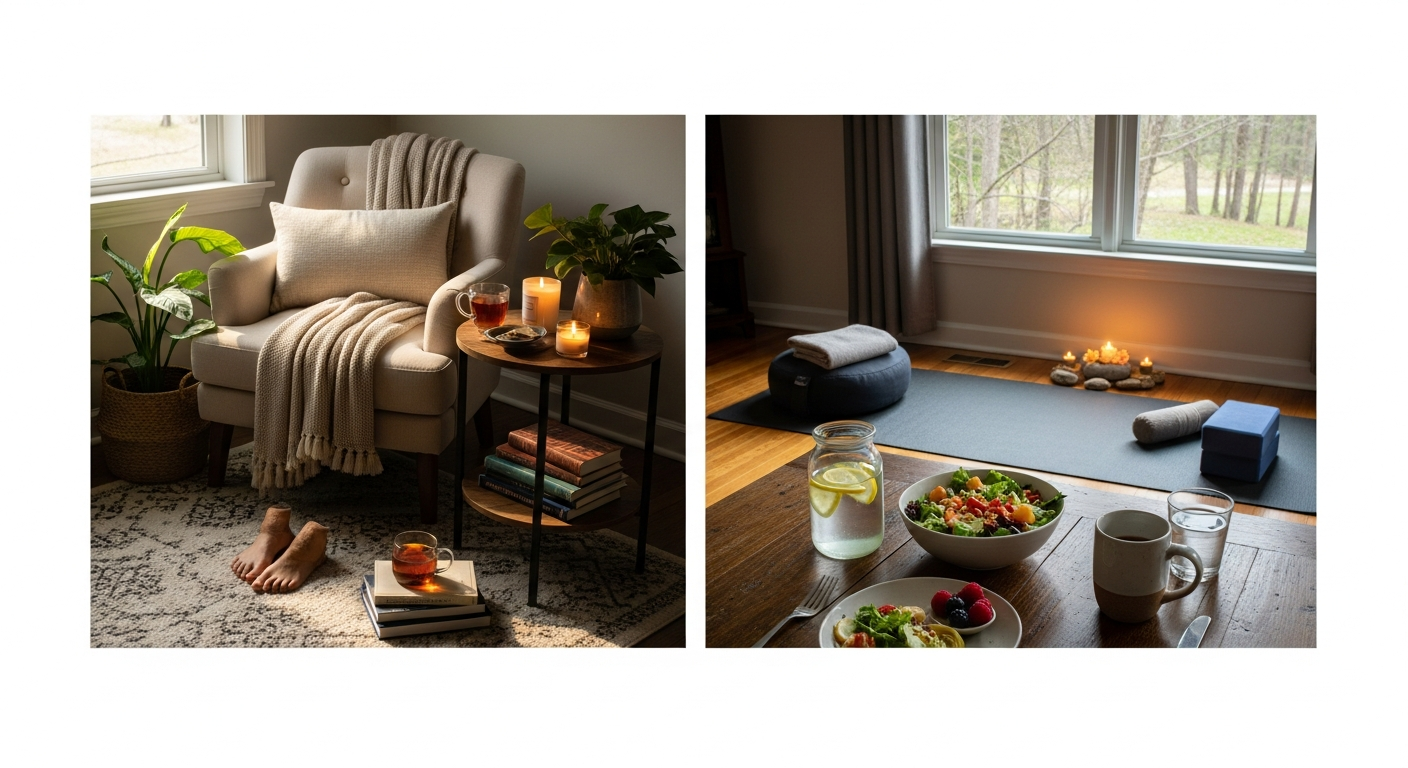
Beyond the Screen: Digital Detox & Mindful Tech Use
In an era where screens often dominate our attention, quarantine amplified our reliance on digital devices for work, connection, and entertainment. However, true investment in wellness often begins with a conscious effort to step away. This isn’t just about reducing screen time; it’s about fostering a more intentional, mindful relationship with technology, aligning perfectly with the core philosophy of Stop Phubbing.
Embrace “Digital Blackout” Hours
- Scheduled Disconnection: Designate specific times each day – perhaps an hour in the morning, during meals, or before bed – where all non-essential devices are turned off or put away. Use this time for reading a physical book, journaling, or simply being present with your thoughts.
- Device-Free Zones: Establish certain areas in your home, like the dining table or bedroom, as no-phone zones. This creates sacred spaces for conversation, reflection, and uninterrupted rest, preventing the insidious creep of phubbing into your most intimate moments.
- Mindful Consumption: When you do engage with digital content, ask yourself: Is this adding value? Is it genuinely enriching my life or merely a distraction? Prioritize educational content, uplifting stories, or virtual connections that truly nourish your spirit, rather than mindlessly scrolling.
Cultivate Offline Hobbies
The time freed up by reducing digital dependency can be a fertile ground for new, hands-on pursuits. These activities stimulate different parts of your brain, reduce eye strain, and offer a tangible sense of accomplishment.
- Rediscover Analog Pleasures: Dive into knitting, painting, sculpting, journaling, or learning a musical instrument. These activities provide a tactile experience that screens cannot replicate, fostering creativity and a sense of flow.
- Gardening & Nature Connection: Even a small indoor herb garden or a few potted plants can provide a connection to nature. Tending to living things offers a grounding experience, reduces stress, and brings a touch of the outdoors inside, a crucial element for well-being when outdoor access is limited.
- Board Games & Puzzles: Engage your mind with puzzles, crosswords, or board games. These activities can be solitary or shared with household members, promoting critical thinking and playful interaction without the blue light glow.
By consciously curating your digital environment and embracing the richness of the offline world, you’re not just investing in your immediate well-being; you’re building habits that will serve you long after quarantine ends, fostering deeper connections with yourself and those around you, free from the shadow of the screen.
Cultivating Inner Peace: Mental & Emotional Fortitude

Quarantine brought a unique set of stressors, from health anxieties to economic uncertainty and the challenges of prolonged proximity or isolation. Investing in your mental and emotional health during this time is paramount, moving beyond mere coping mechanisms to actively build resilience and inner peace.
Deepening Mindfulness Practices
Mindfulness is not just a buzzword; it’s a powerful tool for navigating stress and cultivating equanimity, especially when external circumstances feel beyond our control.
- Structured Meditation: Beyond casual meditation apps, commit to a more structured practice. Explore different traditions like Vipassana or Transcendental Meditation, even if virtually. Focus on longer sessions (20-30 minutes) to truly quiet the mind and observe thoughts without judgment.
- Mindful Movement: Integrate mindfulness into physical activity. Practices like Tai Chi, Qigong, or mindful walking (even within your living space) combine gentle exercise with focused attention on breath and bodily sensations, merging physical and mental wellness.
- Gratitude Journaling with a Twist: Instead of just listing things you’re grateful for, elaborate on why each item brings you joy or comfort. Write about the sensory details, the emotional impact, and the ripple effect of these positive experiences. This deepens the feeling of gratitude and shifts perspective.
Emotional Intelligence & Self-Compassion
Understanding and managing your emotions, particularly during times of stress, is a vital investment in your mental health. Self-compassion is the antidote to self-criticism, which can be heightened during isolation.
- Emotion Mapping: When you feel a strong emotion, don’t just react. Pause and try to “map” it. Where do you feel it in your body? What thoughts are associated with it? What might be its root cause? This practice fosters emotional literacy and allows for a more considered response.
- Inner Critic vs. Inner Nurturer Dialogue: Recognize the voice of your inner critic and consciously counter it with an “inner nurturer.” Treat yourself with the same kindness and understanding you would offer a struggling friend. This can be especially important during quarantine when self-doubt or feelings of inadequacy might surface.
- Learning to Sit with Discomfort: Rather than immediately seeking distraction when uncomfortable emotions arise, practice “sitting” with them for a few minutes. Acknowledge their presence without judgment, reminding yourself that emotions are transient. This builds emotional tolerance and reduces the need for avoidance.
Investing in your mental and emotional fortitude during quarantine means equipping yourself with tools not just to survive, but to thrive. It’s about building an internal sanctuary that no external circumstance can penetrate, fostering a deep sense of peace and resilience that will serve you far beyond 2026.
Nourishing Your Body: Innovative Approaches to Physical Health
Reimagining Movement & Fitness
Confined spaces don’t mean confined bodies. Think outside the gym and discover new ways to keep active and invigorated.
- Bodyweight Mastery: Explore advanced bodyweight exercises that build strength, flexibility, and balance without equipment. Think animal flow, handstands, or complex yoga sequences. Online tutorials abound, offering structured progressions for all levels.
- Dance as Therapy: Turn on your favorite music and just move. Dance is an incredible full-body workout that also boosts mood, reduces stress, and connects you to your inner rhythm. Consider trying different styles through virtual classes, from Zumba to ballet to hip-hop, expanding your repertoire and challenging your coordination.
- “Movement Snacks” Throughout the Day: Instead of one long workout, integrate short bursts of activity every hour. A few squats during a coffee break, some stretches while waiting for a kettle to boil, or a quick walk around the house during a phone call. These cumulative efforts significantly impact energy levels and counteract prolonged sitting.
- DIY Home Gym Hacks: Get creative with household items. Cans of food for light weights, a sturdy chair for tricep dips, or a broomstick for stretching. This fosters resourcefulness and proves that a dedicated gym isn’t a prerequisite for effective fitness.
Experimental Nutrition & Mindful Eating
With more time at home, you have an unparalleled opportunity to experiment in the kitchen and deepen your understanding of how food affects your body and mind.
- “Root-to-Stem” Cooking Challenges: Minimize food waste by learning to use parts of vegetables often discarded, like broccoli stems, carrot tops, or beet greens. This is an eco-conscious approach that also introduces new flavors and nutrients into your diet.
- Fermentation Fun: Explore the world of fermented foods – making your own kombucha, sauerkraut, or kefir. These gut-healthy foods boost digestion and immunity, a vital investment in overall health, especially during uncertain times.
- Mindful Meal Preparation: Turn cooking into a meditative practice. Engage all your senses – the colors of the vegetables, the aroma of spices, the texture of ingredients. This enhances the enjoyment of the process and cultivates a deeper appreciation for your food.
- Hydration Habits: Go beyond just drinking water. Experiment with infusing water with fruits, herbs, or vegetables (cucumber and mint, lemon and ginger) to make hydration more appealing and boost nutrient intake. Track your water consumption to ensure you’re meeting your daily needs consistently.
By innovating your approach to physical activity and nutrition, you transform quarantine into a period of discovery and empowerment. It’s about building sustainable, enjoyable habits that not only keep you physically strong but also mentally engaged and deeply nourished, setting a robust foundation for a healthy future.
Creative Outlets & Lifelong Learning: Stimulating Your Mind
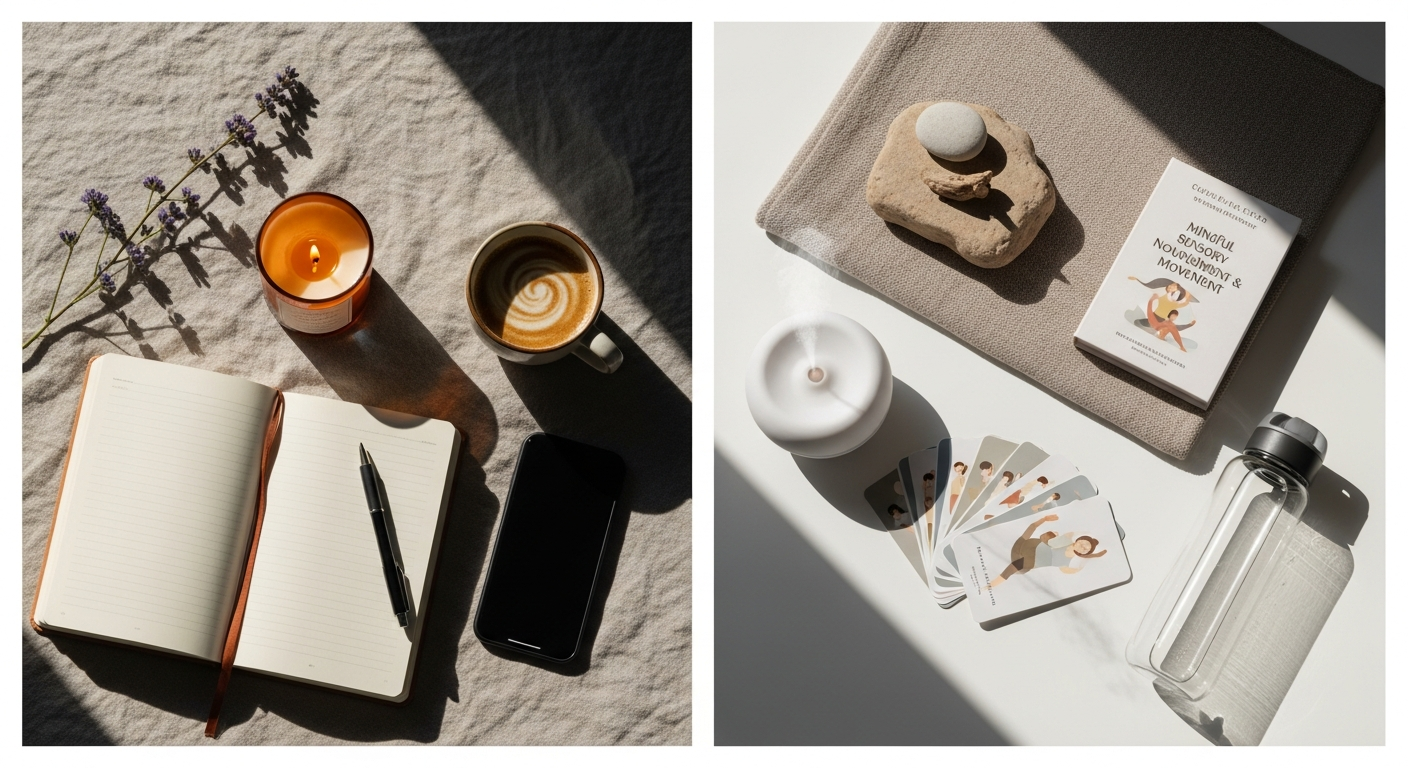
The mind, like a muscle, thrives on stimulation and novelty. Quarantine offers an unparalleled chance to delve into new creative pursuits and intellectual challenges, fostering mental agility and a profound sense of personal growth. This is about more than just passing the time; it’s about investing in your cognitive resilience and expanding your horizons.
Unleashing Your Inner Artist
You don’t need to be a professional to enjoy the therapeutic and stimulating benefits of creative expression. This is a unique way to process emotions, find joy, and develop new skills.
- Digital Art & Design: Explore free or affordable software for graphic design, digital painting, or even video editing. This merges technology with creativity, allowing for unique forms of expression and a tangible outcome.
- Storytelling & Poetry: Start writing short stories, poems, or even a personal memoir. The act of crafting narratives can be incredibly cathartic and a powerful way to make sense of your experiences during this extraordinary period. Join an online writing group for feedback and camaraderie.
- Musical Exploration: If you’ve always wanted to learn an instrument, now is the time. Many apps and online courses offer beginner-friendly lessons for guitar, piano, ukulele, or even singing. The mental discipline and coordination required are excellent brain exercises.
- Crafting & DIY Projects: Beyond traditional crafts, consider upcycling old furniture, making your own natural soaps, or creating personalized gifts. These projects combine creativity with practical skills and often result in useful, beautiful items.
Embracing Lifelong Learning
The wealth of knowledge available online is staggering. Use this time to become a perpetual student, expanding your understanding of the world and yourself.
- Online Courses & Certifications: Enroll in free or paid online courses from reputable universities or platforms (Coursera, edX, Skillshare). Learn a new language, delve into history, master a software program, or even explore topics like astrophysics or philosophy. The sense of accomplishment from completing a course is a significant boost to self-esteem.
- Documentary Deep Dives & Thematic Reading: Instead of random browsing, pick a topic that fascinates you and immerse yourself fully. Watch multiple documentaries, read books by different authors on the subject, and listen to podcasts. This creates a rich, multi-faceted learning experience.
- Virtual Tours & Cultural Immersion: Many museums, historical sites, and even national parks now offer incredible virtual tours. Travel the world from your living room, exploring ancient ruins, famous art galleries, or breathtaking natural wonders, broadening your perspective without leaving home.
- Understanding Complex Systems: Take the time to genuinely understand how things work – from the economy to local government, or even the science behind climate change. Deepening your understanding of complex systems empowers you to make more informed decisions and engage more meaningfully with the world around you, contributing to a sense of agency rather than helplessness.
By actively engaging your mind through creative expression and continuous learning, you’re building a rich inner world that can sustain you through any challenge. This investment in intellectual vitality not only makes quarantine more bearable but also prepares you for a more engaged, insightful, and fulfilling life in 2026 and beyond.
Reconnecting & Strengthening Bonds: Relationships in Isolation
While physical distancing became the norm, social connection became more crucial than ever. Quarantine presented both challenges and unique opportunities for deepening existing relationships and forging new ones, all while actively countering the isolating effects of excessive digital immersion and phubbing. This is an investment in your social well-being, which is intrinsically linked to your overall health.
Nurturing Relationships at Home
For those sharing a living space, the intensity of quarantine can either strain or strengthen bonds. Choose to make it an opportunity for deeper connection.
- Dedicated “Presence” Time: Beyond shared meals, schedule specific times for uninterrupted connection with household members. This could be a daily coffee chat, an evening board game, or a dedicated “no-screens” hour where everyone engages in conversation or a shared activity. This is particularly vital in preventing phubbing from eroding family time.
- Collaborative Projects: Work together on a shared home project, like organizing a space, cooking an elaborate meal, or even tackling a large puzzle. Shared goals foster teamwork, communication, and a sense of accomplishment that strengthens bonds.
- Reigniting the Spark: For couples, quarantine can be a crucible. Much like how to reignite the spark in a marriage after the kids move out, this period, whether it’s an “empty nest” scenario or intense togetherness, demands intentionality. Plan “date nights” at home – dress up, cook a special meal, put away phones, and truly focus on each other. Discuss dreams, memories, and future aspirations, going beyond daily logistics.
- Scheduled “Alone Time” for Everyone: Paradoxically, allowing each person in the household dedicated, uninterrupted solo time can improve group dynamics. Respecting individual needs for solitude prevents friction and allows everyone to recharge, bringing their best selves back to shared interactions.
Cultivating Remote Connections
Maintaining relationships with friends and extended family requires creativity and effort when physical proximity isn’t possible.
- Virtual Shared Experiences: Go beyond simple video calls. Watch a movie together on a synchronized streaming platform, play online multiplayer games, cook the same recipe simultaneously, or even have a virtual book club. These shared activities create new memories and deepen remote bonds.
- Thoughtful Outreach: Send handwritten letters, care packages, or unexpected gifts. In a digital world, these tangible gestures of thoughtfulness stand out and convey a deeper level of care and presence.
- “Walk & Talk” Phone Calls: Instead of sitting at your desk for a phone call, go for a walk while talking to a friend or family member. The change of scenery and light physical activity can make conversations more invigorating and less like another screen interaction.
- Building New Communities: Explore online groups or forums related to your hobbies or interests. This can be a wonderful way to connect with like-minded individuals, share knowledge, and feel a sense of belonging, even from afar.
By consciously investing in your relationships during quarantine, you’re building a robust support system and fostering genuine human connection. This proactive approach to social well-being not only combats loneliness but also enriches your life with shared experiences, understanding, and love, ensuring that even in isolation, you are deeply connected.
Preparing for Tomorrow: Future-Proofing Your Wellness
Quarantine offered a unique pause, compelling many to reflect not just on the present, but on their future. Investing in your wellness during this time extends to proactively shaping a healthier, more resilient future for yourself, encompassing career, finance, and long-term well-being.
Strategic Career & Purpose Exploration
Many found themselves re-evaluating their professional paths. Use this time to align your career with your values and well-being.
- Skill Gap Analysis & Upskilling: Identify skills that will be in demand in the evolving job market. Take online courses, earn certifications, or pursue virtual internships. This proactive approach enhances your professional resilience and opens new opportunities.
- Mentorship & Networking: Reach out to professionals in fields that interest you. Schedule virtual coffee chats to gain insights, advice, and expand your professional network. Genuine connections can be invaluable for future transitions.
- Exploring Impactful Careers: Consider pathways that offer a strong sense of purpose. For instance, the pandemic highlighted many compelling reasons to pursue a health care career, from directly helping others to contributing to scientific advancement and community well-being. Even if a direct career change isn’t feasible, explore how your current skills can be applied in more meaningful, health-aligned ways.
- Personal Brand Development: Refine your online professional presence. Update your LinkedIn profile, create a personal website, or start a blog related to your expertise. This establishes you as a thought leader and can attract future opportunities.
Financial Health & Preparedness
Financial stability is a significant component of overall wellness. Quarantine underscored the importance of being prepared for unexpected events.
- Budget Review & Optimization: Take a deep dive into your finances. Identify unnecessary expenses and areas where you can save. Create a realistic budget that aligns with your new financial realities and long-term goals.
- Emergency Fund Reinforcement: The past year proved the critical need for an emergency fund. Prioritize building or bolstering a safety net that can cover several months of living expenses, providing immense peace of mind.
- Insurance & Contingency Planning: Review your insurance policies – health, home, auto, life. Understand your coverage and identify any gaps. Think about unexpected scenarios; for example, what to do if you lend your car to a friend and they crash it. Having clear plans and appropriate insurance for such eventualities is a proactive step in protecting your assets and reducing future stress.
- Long-Term Investment & Retirement Planning: Even during challenging times, don’t neglect your long-term financial health. Revisit your investment strategy, consult with a financial advisor (virtually), and ensure your retirement savings are on track. A secure financial future greatly reduces chronic stress.
By dedicating time during quarantine to future-proof your wellness, you’re not just reacting to current circumstances; you’re intentionally building a foundation for resilience and prosperity. This holistic approach ensures that your investments in health and well-being today will continue to pay dividends in 2026 and throughout your life, enabling you to navigate future challenges with confidence and purpose.
Mindful Financial Health: Investing in Stability
While often overlooked in discussions of health and wellness, financial stability is a critical pillar of overall well-being. The anxieties of quarantine often amplified financial stress, making this period an opportune moment to mindfully invest in your economic health, thereby reducing a significant source of mental burden.
Understanding Your Financial Landscape
True financial wellness begins with a clear, honest assessment of your current situation, free from judgment or avoidance.
- Deep Dive into Spending Habits: Go beyond a simple budget. Analyze where your money truly goes. Are there “mindless” expenditures that mirror mindless scrolling on your phone? Identify these patterns and find mindful alternatives for satisfaction.
- The “Needs vs. Wants” Audit: Quarantine often stripped away many non-essential expenses. Use this clarity to redefine your needs versus your wants. This exercise can dramatically shift your perspective on consumption and savings, paving the way for more intentional financial decisions.
- Debt Awareness & Strategy: Acknowledge any outstanding debts and create a realistic plan for tackling them. Whether it’s the snowball or avalanche method, having a clear strategy reduces the emotional weight of debt and provides a pathway to financial freedom.
Building Resilient Financial Habits
Just as you build physical strength, you can build financial strength through consistent, intentional practices.
- Automate Savings & Investments: Set up automatic transfers to your savings, emergency fund, and investment accounts. This “set it and forget it” approach ensures consistent progress, making financial growth a default rather than an effort.
- Diversify Income Streams: Explore ways to supplement your primary income. This could involve freelancing, selling crafts online, or monetizing a hobby. Diversifying reduces reliance on a single source, offering a buffer against economic uncertainties.
- Proactive Risk Management: Consider unforeseen circumstances. What if an unexpected expense arises, or a source of income disappears? This is where understanding things like what to do if you lend your car to a friend and they crash it comes into play – it’s about anticipating risks and having appropriate insurance and contingency plans in place to mitigate potential financial fallout, protecting your assets and peace of mind.
- Financial Literacy as Self-Care: Dedicate time to learning about personal finance, investing, and economic principles. Read books, listen to podcasts, or take online courses. Empowering yourself with knowledge reduces financial anxiety and enables smarter decision-making.
By mindfully investing in your financial health during quarantine, you’re not just securing your future; you’re actively reducing stress, increasing your sense of control, and building a foundation of stability that supports all other aspects of your well-being. This holistic approach ensures that your journey towards health and wellness is comprehensive and sustainable, truly preparing you for whatever 2026 and beyond may hold.
Frequently Asked Questions
Recommended Resources
Explore Best Playlist For Anxiety And Stress Relief for additional insights.
Check out Anxious Attachment Style How To Heal on Heartbeat Reggae for a deeper dive.

