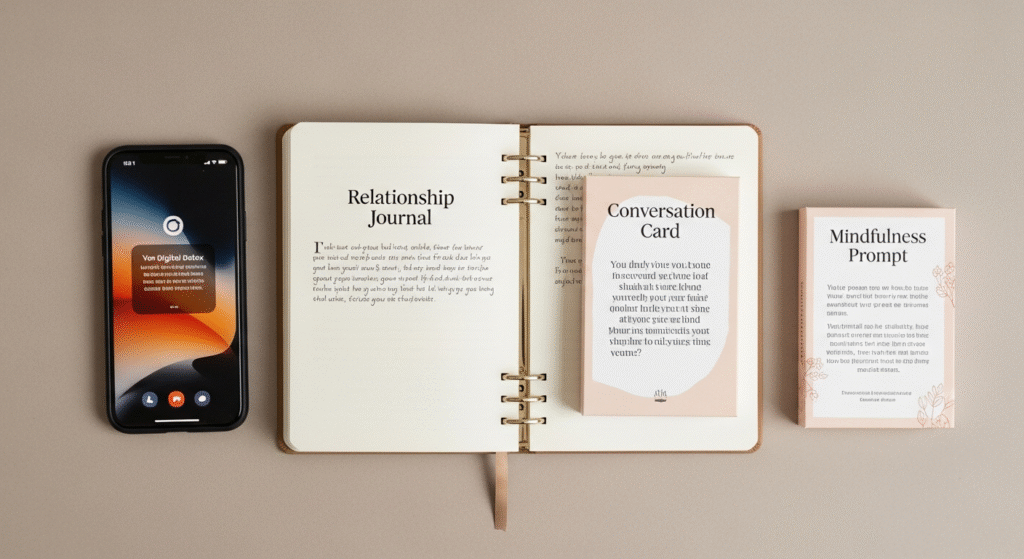

How to Improve Communication in a Relationship: Complete Guide 2026
In 2026, the landscape of relationships is more intertwined with digital life than ever before. While technology offers incredible ways to connect, it also presents unique challenges to intimate communication. Are you finding yourselves talking past each other, or perhaps not talking enough? Do screens often act as barriers rather than bridges? You’re not alone. Effective communication is the bedrock of any thriving relationship, yet it’s a skill many struggle to master, especially when navigating the constant hum of notifications and the subtle pull of our devices. This comprehensive guide, tailored for the modern couple, will delve into practical, research-backed strategies to help you and your partner foster deeper understanding, resolve conflicts constructively, and build an unshakeable bond, all while mindfully integrating digital wellness into your shared life. Let’s embark on a journey to transform your conversations and strengthen your connection for years to come.
TL;DR: Improving relationship communication in 2026 requires mastering active listening, using “I” statements, setting digital boundaries, and cultivating empathy. Prioritize face-to-face interactions, schedule tech-free time, and apply research-backed techniques like Gottman’s principles to build a resilient, connected partnership.
Understanding the Foundation: Why Communication Breaks Down (and How Digital Habits Play a Role)
Before we can build stronger communication, it’s crucial to understand the cracks that often appear in its foundation. Relationships are complex ecosystems, and communication breakdowns rarely stem from a single source. Often, it’s a combination of unspoken assumptions, a lack of truly active listening, and a pervasive fear of conflict that prevents open and honest dialogue. Partners might assume their loved one “should know” what they’re thinking or feeling, leading to resentment when those uncommunicated needs aren’t met. This silent expectation can be a significant barrier, as psychologist Dr. Harriet Lerner emphasizes the importance of making explicit requests rather than relying on mind-reading.
In 2026, these traditional challenges are amplified by our digital habits. The constant presence of smartphones, tablets, and smart devices introduces new layers of complexity. “Phubbing” – the act of snubbing your partner in favor of your phone – has become a recognized phenomenon, directly linked to lower relationship satisfaction. When one partner is engrossed in their device during a shared moment, it sends a powerful, albeit often unintentional, message: “what’s on my screen is more important than you.” This digital distraction erodes psychological safety, making partners feel unheard, unimportant, and disconnected. Moreover, digital communication itself can be a minefield. Text messages lack tone, body language, and immediate feedback, making misinterpretations incredibly easy. A hastily typed message can escalate a minor disagreement into a major conflict simply due to a perceived tone that wasn’t intended. The immediacy of online arguments can also prevent couples from taking necessary breaks to de-escalate, a strategy often recommended by relationship experts like Dr. John Gottman, whose research highlights the destructive nature of the “Four Horsemen of the Apocalypse” (criticism, contempt, defensiveness, and stonewalling) in relationship communication. Digital interactions can inadvertently foster these negative patterns, as the distance provided by a screen can embolden individuals to express themselves in ways they wouldn’t face-to-face. Recognizing these underlying causes, both traditional and digitally-influenced, is the first critical step toward building healthier, more resilient communication patterns.
Mastering Active Listening: The Cornerstone of Connection

If communication is a two-way street, active listening is the art of truly hearing what your partner is saying, both verbally and non-verbally. It goes far beyond simply waiting for your turn to speak; it’s about being fully present, empathetic, and engaged in understanding their perspective. Psychologist Carl Rogers, a pioneer in person-centered therapy, emphasized the power of empathic listening, where one genuinely attempts to perceive the world through the other’s eyes. In a world saturated with distractions, dedicating your full attention to your partner has become a profound act of love and respect.
The core techniques of active listening include paraphrasing, reflective listening, and asking clarifying questions. Paraphrasing involves restating what you’ve heard in your own words (“So, if I understand correctly, you’re feeling overwhelmed because of your workload and our upcoming trip?”). This not only confirms your understanding but also shows your partner you’ve processed their message. Reflective listening takes it a step further by acknowledging and validating their emotions (“It sounds like you’re feeling frustrated and a bit unsupported right now.”). This doesn’t mean you agree with their perspective, but rather that you recognize and respect their emotional experience. Asking open-ended clarifying questions (“Could you tell me more about what specifically made you feel that way?”) invites deeper sharing without judgment. Crucially, active listening also involves paying attention to non-verbal cues – eye contact, body language, facial expressions, and tone of voice. These often convey more than words alone. When we communicate digitally, these vital cues are stripped away, leading to a higher risk of misunderstanding. To counteract this, make a conscious effort to set aside devices during important conversations. Create “phone-free zones” or “tech-free times” in your relationship, especially during meals or intimate moments. This commitment to being fully present not only improves the quality of your listening but also signals to your partner that they are your priority. Practicing active listening requires patience and effort, but its rewards are immeasurable: deeper understanding, stronger emotional bonds, and a profound sense of being truly seen and heard by the person who matters most.
Expressing Yourself Effectively: “I” Statements and Non-Violent Communication
While active listening is about receiving your partner’s message, effective self-expression is about sending yours clearly, respectfully, and without blame. One of the most powerful tools for achieving this is the “I” statement. Instead of launching into accusations with “You always…” or “You never…”, which immediately puts a partner on the defensive, “I” statements focus on your own feelings and experiences. For example, instead of “You never help with chores!”, try “I feel overwhelmed when the house isn’t tidy, and I need more support with chores.” This subtle shift transforms a critical attack into an invitation for understanding and collaboration.
Building on this, Marshall Rosenberg’s Non-Violent Communication (NVC) framework offers a robust four-part model for expressing needs and making requests:
- Observation: Describe the specific situation without judgment. (“When I see your phone out during dinner…”)
- Feeling: Express how you feel about the observation. (“…I feel unimportant and a little hurt…”)
- Need: Explain the underlying need that isn’t being met. (“…because I need quality time and connection with you.”)
- Request: Make a clear, actionable request. (“Would you be willing to put your phone away during our meals so we can focus on each other?”)
This framework is particularly useful when addressing sensitive topics, especially those related to digital habits. It allows you to communicate your boundaries and desires regarding technology use in a way that promotes empathy rather than defensiveness. For instance, rather than “You’re always on your phone!”, an NVC approach might be: “When I see you scrolling through social media while we’re watching a movie together (observation), I feel disconnected (feeling), because I really value our shared downtime and crave your presence (need). Would you be open to putting our phones away for the duration of the movie so we can fully enjoy it together (request)?” The NVC model encourages both partners to identify and communicate their fundamental human needs, fostering a deeper understanding of what drives their behaviors and emotions. By practicing “I” statements and the NVC framework, you move away from a cycle of blame and defensiveness, creating a space where both partners feel safe to express their vulnerabilities and work together towards mutually satisfying solutions. This proactive approach to self-expression is vital for maintaining emotional health and ensuring that your relationship continues to grow stronger, even amidst the complexities of modern digital life.
Navigating Conflict Constructively: Fair Fighting Rules in the Digital Age

Conflict is an inevitable part of any close relationship; it’s not whether you fight, but how you fight that determines the health and longevity of your bond. Healthy couples understand that disagreements can be opportunities for growth and deeper understanding, provided they adhere to certain “fair fighting” rules. Relationship researchers like Dr. John Gottman have extensively studied conflict resolution, emphasizing the importance of a gentle start-up, taking breaks when overwhelmed, and making repair attempts. Key principles include avoiding personal attacks or name-calling, sticking to the current issue rather than dredging up past grievances, and focusing on mutual understanding rather than winning an argument.
In the digital age, navigating conflict comes with its own unique set of challenges. The immediacy and impersonality of digital communication can exacerbate disagreements. Fighting over text messages or social media is particularly perilous because it lacks the crucial non-verbal cues that help de-escalate tension and convey empathy. A text can easily be misinterpreted, and a sarcastic emoji might land as an outright insult. Moreover, the temptation to bring up past issues via a quick message or to subtly air grievances online can erode trust and respect. Consider the “24-hour rule” for digital arguments: if something feels heated, agree to put down your devices and discuss it face-to-face within 24 hours. This allows both partners to cool down, gather their thoughts, and approach the conversation with a calmer, more rational mindset. For serious issues, always prioritize face-to-face resolution. When you can see your partner’s expressions, hear their tone, and offer a comforting touch, the chances of constructive resolution dramatically increase. During in-person conflicts, remember to take self-soothing breaks if either partner feels overwhelmed (Gottman calls this “flooding”). Agree to step away for 20-30 minutes to calm your nervous system, then return to the discussion. After a conflict, genuine repair attempts are crucial. This could be an apology, a gesture of affection, or a simple acknowledgment of your partner’s feelings. Fair fighting in 2026 means being acutely aware of how digital platforms can derail healthy conflict resolution and consciously choosing to engage in ways that promote connection and understanding, even when disagreements arise. It’s about respecting each other enough to prioritize the health of your relationship over the convenience of a quick, but potentially damaging, digital confrontation.
Building Digital Boundaries: Protecting Your Relationship from Tech Overload
In our hyper-connected world, digital boundaries are no longer optional; they are essential for protecting the intimacy and health of your relationship. The constant ping of notifications, the endless scroll of social media, and the allure of digital entertainment can inadvertently create invisible walls between partners, leading to feelings of neglect and resentment. Research consistently shows a correlation between excessive phone use and lower relationship satisfaction, highlighting the urgent need for conscious intervention. Building effective digital boundaries isn’t about eliminating technology, but about using it mindfully and intentionally to support, rather than detract from, your connection.
Start by having an open and honest conversation with your partner about your collective digital habits and their impact on your relationship. Acknowledge any feelings of being “phubbed” or ignored. From this foundation, you can collaboratively establish clear, shared agreements. Consider implementing “tech-free zones” in your home, such as the bedroom, dining table, or living room during specific hours. These designated spaces become sanctuaries for uninterrupted connection. Similarly, establish “tech-free times,” like the first hour after waking up, during meals, or for a dedicated “date night” each week. During these times, phones are put away, notifications are silenced, and attention is fully directed towards each other. Another valuable strategy is to manage notifications. Turn off non-essential alerts to reduce the constant pull of your device. Discuss and agree upon rules for phone use during conversations – for example, placing phones face down or in another room when having important discussions. Beyond the immediate presence of devices, consider the broader impact of social media. Unchecked scrolling can lead to comparison, anxiety, and a false sense of connection that detracts from real-life intimacy. Agree on healthy social media habits, such as limiting time spent on platforms or even taking occasional “digital detoxes” together. Finally, actively schedule “offline adventures” or “digital dates” where the focus is entirely on shared experiences without the interruption of screens. This could be a walk in nature, cooking a meal together, or engaging in a hobby. By intentionally creating and upholding these digital boundaries, you’re not just limiting screen time; you’re actively prioritizing your relationship, fostering deeper presence, and safeguarding the emotional space necessary for true intimacy to flourish. It’s an ongoing process, requiring regular check-ins and adjustments, but the investment in digital wellness will yield profound returns in relationship satisfaction and connection.
Cultivating Empathy and Emotional Intelligence: Beyond the Screen
At the heart of all effective communication lies empathy and emotional intelligence – the ability to understand and share the feelings of another, and the capacity to identify, assess, and manage one’s own emotions, as well as the emotions of others. While digital communication can convey information, it often struggles to transmit the nuances of emotional experience. Cultivating these skills is paramount for deepening connection, especially in an age where screens can inadvertently foster emotional distance.
Practicing empathy involves actively trying to see situations from your partner’s perspective, even if you don’t agree with it. This means stepping into their shoes, imagining their feelings, and acknowledging the validity of their emotional experience. For instance, when your partner expresses frustration about a minor issue, instead of dismissing it, try to understand why it’s affecting them so deeply. This doesn’t mean you have to “fix” it, but rather that you offer validation: “I can see why that would be really frustrating for you.” This act of validation is incredibly powerful, as it communicates “I hear you, I see you, and your feelings make sense.” Daniel Goleman, a leading expert on emotional intelligence, emphasizes that recognizing and naming emotions is a critical first step. Encourage both yourself and your partner to articulate feelings beyond just “good” or “bad.” Are you feeling anxious, overwhelmed, disappointed, or joyful? The more precise you are with your emotional vocabulary, the better you can understand and communicate your inner world. Beyond verbal expression, the role of physical presence and touch in fostering emotional connection cannot be overstated. A comforting hug, holding hands, or simply being physically present during a difficult conversation can convey empathy and support in ways no text message ever could. Make a conscious effort to incorporate these non-verbal expressions of care into your daily interactions. Regular emotional check-ins are also vital. Take a few minutes each day to genuinely ask your partner, “How are you really feeling today?” and be prepared to listen without judgment. Share your own emotional landscape too, fostering a reciprocal environment of vulnerability. By intentionally nurturing empathy and emotional intelligence, you develop a richer, more profound understanding of each other. You move beyond surface-level interactions to a place of deep emotional resonance, creating a bond that is resilient, compassionate, and truly connected, regardless of the digital noise surrounding you.
Communication Health Check: Digital vs. In-Person Habits
Use this checklist to assess your current communication patterns and identify areas for growth.
| Healthy Communication Habits | Unhealthy Communication Habits |
|---|---|
| ✅ Prioritizing face-to-face or voice calls for important discussions. | ❌ Relying solely on text messages for serious conversations. |
| ✅ Practicing active listening; putting down devices when partner speaks. | ❌ Phubbing (ignoring partner for phone) during shared time. |
| ✅ Using “I” statements to express feelings and needs respectfully. | ❌ Using “You” statements that blame or criticize. |
| ✅ Setting mutually agreed-upon “tech-free” times or zones (e.g., meals, bedroom). | ❌ Constant phone presence, even during intimate moments. |
| ✅ Taking breaks during conflicts to de-escalate, then returning to discuss. | ❌ Escalating arguments via text or social media. |
| ✅ Expressing appreciation and positive affirmations regularly, both online and off. | ❌ Only communicating when there’s a problem or complaint. |
| ✅ Validating partner’s feelings, even if you don’t agree with their perspective. | ❌ Dismissing or trivializing partner’s emotional experiences. |
| ✅ Being transparent about online activities and digital interactions. | ❌ Being secretive or defensive about phone/computer use. |
| ✅ Making specific, actionable requests (e.g., “Would you mind…”). | ❌ Expecting partner to mind-read or assuming they “should know.” |
| ✅ Engaging in shared offline activities and hobbies regularly. | ❌ Spending most leisure time individually on separate devices. |
FAQ: Your Communication Questions Answered
How long does it take to improve communication in a relationship?
Improving communication is an ongoing journey, not a destination. You might see small, positive changes within weeks of consistently applying new techniques like active listening or “I” statements. Deeper, more ingrained patterns, however, can take months or even years to shift. The key is consistent effort, patience, and a shared commitment from both partners. Like building any skill, practice makes progress, not perfection.
What if my partner isn’t willing to work on communication?
This can be incredibly frustrating. Start by focusing on what you can control: your own communication. Model the behavior you wish to see – practice active listening, use “I” statements, and set your own digital boundaries. Express your feelings and needs using the NVC framework, explaining how their lack of engagement impacts you. Sometimes, seeing your consistent effort and the positive changes it brings can inspire your partner. If resistance persists, consider suggesting couples therapy, framing it as a way to strengthen your bond, not just fix problems. A neutral third party can often facilitate conversations that are difficult to have alone.
Can digital communication ever be truly effective?
Yes, digital communication can be effective for certain purposes, such as sharing quick information, coordinating logistics, or sending loving affirmations throughout the day. However, it’s generally less effective for complex discussions, emotional processing, or conflict resolution due to the lack of non-verbal cues and potential for misinterpretation. The key is knowing when to use which medium. For important or sensitive topics, always default to face-to-face conversation or at least a voice call. Digital tools are best used as supplements to, not replacements for, in-person connection.
How do I bring up difficult topics without causing a fight?
Timing and approach are crucial. Choose a calm moment when both you and your partner are well-rested and not stressed. Avoid bringing it up when you’re distracted or rushed. Use a “gentle start-up” – begin with an “I” statement focusing on your feelings and needs, rather than a “you” statement that sounds like an accusation. For example, “I’ve been feeling a bit distant lately, and I’d love to talk about how we can feel more connected.” Set a positive tone, emphasize your desire for understanding, and invite collaboration. Be prepared to listen to their perspective without interrupting or becoming defensive.
What’s the role of apologies in communication?
Apologies are vital for repairing ruptures and rebuilding trust in a relationship. A genuine apology isn’t just saying “I’m sorry”; it involves taking responsibility for your actions, acknowledging the impact your actions had on your partner, expressing remorse, and committing to change. Avoid apologies that shift blame (“I’m sorry you feel that way”). Instead, focus on your part: “I’m sorry I interrupted you; that was disrespectful, and I understand why you’re upset. I’ll work on listening more attentively.” A sincere apology validates your partner’s feelings and shows you value the relationship enough to own your mistakes.
Conclusion: Your Path to a More Connected 2026 and Beyond
Improving communication in a relationship is a continuous journey, not a destination. In 2026, as our lives become increasingly intertwined with digital technology, the ability to communicate effectively and mindfully is more critical than ever. This guide has provided you with a comprehensive toolkit, drawing from research-backed strategies and practical advice, to help you navigate the complexities of modern relationships. From mastering the art of active listening and expressing your needs using “I” statements and Non-Violent Communication, to setting crucial digital boundaries and cultivating empathy, each step you take strengthens the foundation of your connection.
Remember, communication isn’t just about talking; it’s about truly understanding, validating, and connecting with your partner on a deeper emotional level. It’s about consciously choosing presence over distraction, especially in a world designed to pull your attention away. The journey might have its challenges, but the rewards – a relationship built on trust, intimacy, and profound mutual respect – are immeasurable. Take these actionable next steps:
- Choose One Skill: Don’t try to implement everything at once. Pick one area, like active listening or setting a “tech-free dinner” rule, and commit to practicing it consistently for a week.
- Schedule a “Communication Check-in”: Dedicate 15-20 minutes each week to discuss your communication. How are you both feeling about it? What’s working? What needs adjustment?
- Practice Digital Mindfulness: Be intentional about your device use. Put phones away during conversations, set notification limits, and plan regular offline activities together.
- Validate Regularly: Make a conscious effort to validate your partner’s feelings at least once a day, even for small things. “I hear that you’re feeling stressed about that deadline.”
- Seek Support if Needed: If you find yourselves stuck, don’t hesitate to consider couples counseling. A professional can provide tailored guidance and facilitate breakthroughs.
Your relationship is worth investing in. By embracing these strategies and committing to ongoing growth, you and your partner can build a resilient, deeply connected, and fulfilling relationship that thrives in 2026 and for many years to come.