
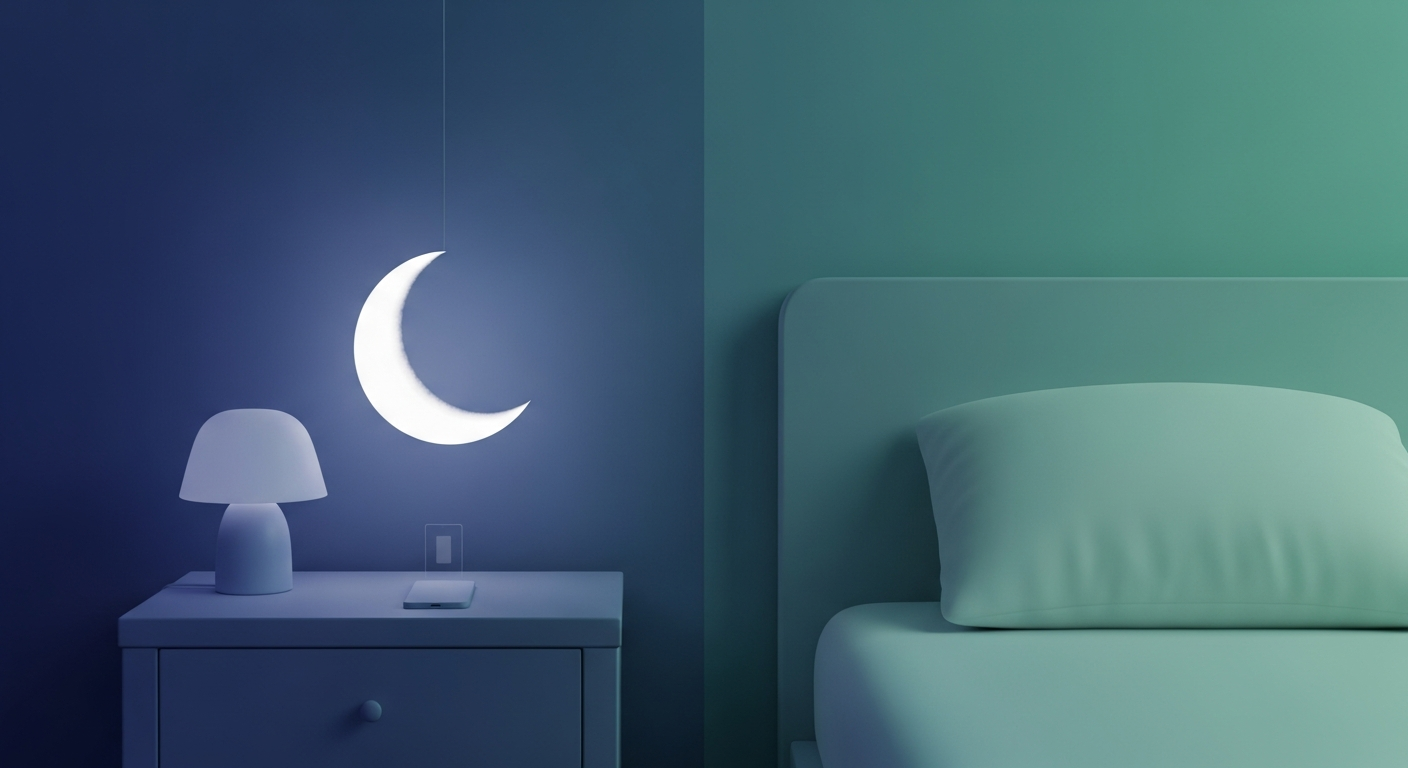
The Hidden Cost of the Midnight Scroll: How Phone Use Before Bed Ruins Your Sleep
In the modern era of constant connectivity, the last thing most of us see before closing our eyes isn’t the ceiling or a loved one—it’s a glowing glass rectangle. Whether it’s a final check of tomorrow’s weather, an infinite scroll through social media, or answering “just one more” work email, our smartphones have become our most intimate bedtime companions. However, as we move into 2026, the data is clearer than ever: this habit is the primary culprit behind the global sleep deprivation epidemic.
For those striving for digital wellness, understanding how phone use before bed ruins your sleep is the first step toward reclaiming your health. It isn’t just about “wasting time”; it’s about a complex physiological and psychological disruption that alters your brain chemistry and prevents your body from entering the restorative states it requires. This guide explores the science of blue light, the trap of dopamine loops, and actionable strategies to break the cycle of phone addiction for better rest.
1. The Science of Blue Light: Tricking Your Brain into Staying Awake
The most well-documented way phones ruin sleep is through the emission of blue light. Our bodies operate on a 24-hour internal clock known as the circadian rhythm. This rhythm is heavily influenced by light exposure, which signals to the brain when it is time to be alert and when it is time to wind down.
Smartphones and tablets emit high concentrations of blue light—short-wavelength light that mimics the properties of morning sunlight. When this light hits the photoreceptors in your eyes, it sends a signal to the suprachiasmatic nucleus (SCN) in the brain to suppress the production of melatonin. Melatonin is the hormone responsible for making you feel sleepy and regulating your sleep-wake cycle.
By staring at a screen late at night, you are effectively lying to your brain, telling it that the sun is still up. This delays the onset of sleep, making it harder to fall asleep once you finally put the device down. Research indicates that even a few minutes of exposure to blue light can delay melatonin production by several hours, pushing your entire sleep schedule back and leading to “social jetlag” the following morning.
2. Psychological Alertness and Cognitive Overdrive
It isn’t just the light that keeps you awake; it’s the content. Unlike a book or a calming conversation, phone use is inherently interactive and stimulating. This state of “psychological alertness” is the antithesis of the relaxation required for deep sleep.
When you engage with your phone, you are subjecting your brain to a barrage of information. This could be:
* **Stressful News:** Reading a polarizing headline or a distressing global update triggers a “fight or flight” response, increasing cortisol levels.
* **Work Stress:** Seeing an email from a manager or a notification about a pending project keeps your brain in “problem-solving mode.”
* **Social Comparison:** Browsing Instagram or TikTok often triggers feelings of FOMO (fear of missing out) or inadequacy, leading to emotional arousal that is difficult to “switch off.”
This cognitive overdrive keeps your brain in a state of high-frequency beta waves, rather than transitioning into the slower alpha and theta waves associated with relaxation and the early stages of sleep. Even if you manage to fall asleep shortly after putting the phone away, your mind remains in a state of agitation, often resulting in fragmented, low-quality rest.
3. The Dopamine Trap: Why “Five More Minutes” Becomes Two Hours
For many struggling with phone addiction, the biggest hurdle is the “infinite scroll.” Apps are meticulously designed by attention engineers to keep you engaged for as long as possible using a psychological principle called variable-ratio reinforcement.
Every time you pull down to refresh a feed or swipe to a new video, your brain receives a tiny hit of dopamine—the “feel-good” neurotransmitter associated with reward and motivation. Because you never know when the next “reward” (a funny meme, a like on your photo, an interesting article) will appear, your brain becomes hooked on the hunt.
In the context of digital wellness, this is often referred to as “Revenge Bedtime Procrastination.” This occurs when people who feel they have little control over their daytime life refuse to sleep early in order to regain some sense of freedom during the late-night hours. However, the dopamine-seeking behavior on smartphones makes this “me time” counterproductive. The cycle of seeking and receiving small digital rewards keeps the prefrontal cortex—the part of the brain responsible for impulse control—offline, making it nearly impossible to make the rational decision to go to sleep.
4. How Phone Use Suppresses REM and Restorative Sleep
The damage doesn’t stop once you finally drift off. Phone use before bed significantly impacts the *architecture* of your sleep. Sleep is divided into cycles, including light sleep, deep sleep (slow-wave sleep), and REM (Rapid Eye Movement) sleep.
Deep sleep is crucial for physical recovery, immune function, and clearing toxins from the brain. REM sleep is essential for memory consolidation, emotional regulation, and creativity. Studies have shown that individuals who use screens before bed spend less time in REM sleep and take longer to reach the deep sleep stage.
The suppression of melatonin doesn’t just make it hard to fall asleep; it makes the sleep you do get less efficient. This explains why you might sleep for eight hours after a night of heavy phone use but still wake up feeling groggy, irritable, and “foggy.” Over time, this chronic lack of restorative sleep increases the risk of long-term health issues, including obesity, cardiovascular disease, and cognitive decline. By 2026, sleep experts predict that “digital insomnia” will be one of the most common diagnoses in sleep clinics worldwide.
5. Strategies for Digital Wellness: Reclaiming Your Evening
If you are ready to break the cycle and improve your digital wellness, you must treat your bedroom as a sanctuary. Transitioning away from late-night phone use requires a combination of environmental changes and habit shifts.
**The 60-Minute Rule**
The most effective way to protect your sleep is to implement a digital sunset. Aim to turn off all electronic screens—phones, laptops, and tablets—at least 60 minutes before you intend to sleep. This gives your brain time to naturally produce melatonin and transition into a resting state.
**The “Phone Parking Lot”**
Phone addiction often stems from the device being within arm’s reach. Establish a charging station outside of the bedroom—perhaps in the kitchen or the living room. By “parking” your phone in another room at 9:00 PM, you remove the temptation to check it one last time before bed or if you wake up in the middle of the night.
**Leverage Greyscale Mode**
If you must use your phone in the evening, try switching the display to greyscale. Much of the addictive nature of smartphones comes from the bright, vibrant colors of app icons and notifications. By removing the color, you make the phone significantly less stimulating and less rewarding to the brain’s dopamine system.
**Establish an Analog Bedtime Routine**
Replace the scroll with activities that promote relaxation. Reading a physical book, journaling about your day, practicing meditation, or gentle stretching can signal to your body that it is time to power down. These activities engage the parasympathetic nervous system, lowering your heart rate and preparing you for deep rest.
6. Building a Sustainable Digital Wellness Lifestyle
True digital wellness isn’t about quitting technology altogether; it’s about intentionality. As we navigate the complexities of life in 2026, the boundary between our digital lives and our biological needs has blurred. To fix your sleep, you must redefine your relationship with your devices.
Start by auditing your notifications. Most alerts are not urgent and serve only to pull you back into the digital world. Turn off all non-essential notifications, especially in the evening. Use “Do Not Disturb” or “Sleep Mode” features to ensure that only emergency calls can get through after a certain hour.
Furthermore, recognize that digital wellness is a journey. There will be nights when you slip up and stay up too late watching videos. Instead of being self-critical, acknowledge the biological and psychological “hooks” that were at play and try again the next night. Small, consistent changes in your evening habits will eventually lead to a profound improvement in your sleep quality, mood, and overall quality of life.
***
FAQ: Frequently Asked Questions About Phone Use and Sleep
#
1. Are blue light glasses effective if I use my phone before bed?
While blue light glasses can filter out some of the harmful wavelengths, they are not a “get out of jail free” card. They do nothing to address the psychological alertness or the dopamine loops created by engaging content. While they might slightly reduce eye strain, the best practice for sleep remains avoiding screens entirely before bed.
#
2. Can I just use “Night Mode” or “Blue Light Filter” on my phone?
“Night Mode” shifts the screen to warmer tones, which is better than full-spectrum blue light. However, studies show that the brightness of the screen and the mental stimulation of the content still inhibit melatonin production. Night Mode is a “harm reduction” tool, but it is not a replacement for a screen-free hour.
#
3. How long does it take for my sleep to improve after I stop using my phone at night?
Many people notice a difference in their ability to fall asleep within just 2 to 3 nights of implementing a “digital sunset.” However, it may take 2 weeks of consistency for your circadian rhythm to fully reset and for you to feel the full benefits of improved REM and deep sleep cycles.
#
4. What should I do if I use my phone as an alarm clock?
Using your phone as an alarm is one of the biggest traps, as it ensures the phone is the last thing you touch at night and the first thing you touch in the morning. The best solution for digital wellness is to buy a dedicated analog or basic digital alarm clock. This allows you to keep your phone in another room entirely.
#
5. Does listening to podcasts or audiobooks count as “phone use”?
Listening to audio is generally much less disruptive than looking at a screen because it doesn’t involve blue light or the same level of interactive cognitive load. If you use your phone for audio, set a sleep timer, start the audio, and then place the phone face down away from your bed to avoid the temptation to look at the screen.
***
Conclusion: Reclaiming Your Right to Rest
The connection between phone use and poor sleep is undeniable. From the physiological suppression of melatonin to the psychological trap of infinite scrolling, our devices are expertly designed to keep us awake. However, your health and well-being are more important than any notification or viral video.
By prioritizing digital wellness and implementing boundaries—like the 60-minute rule and keeping the phone out of the bedroom—you can break the cycle of exhaustion. As we move through 2026, let this be the year you reclaim your sleep sanctuary. Remember, the world will still be there in the morning; your health depends on the rest you get tonight. Put down the phone, dim the lights, and give your brain the peace it deserves.