
Your Holistic Mental Wellness Guide: Reclaim Your Inner Calm and Digital Balance
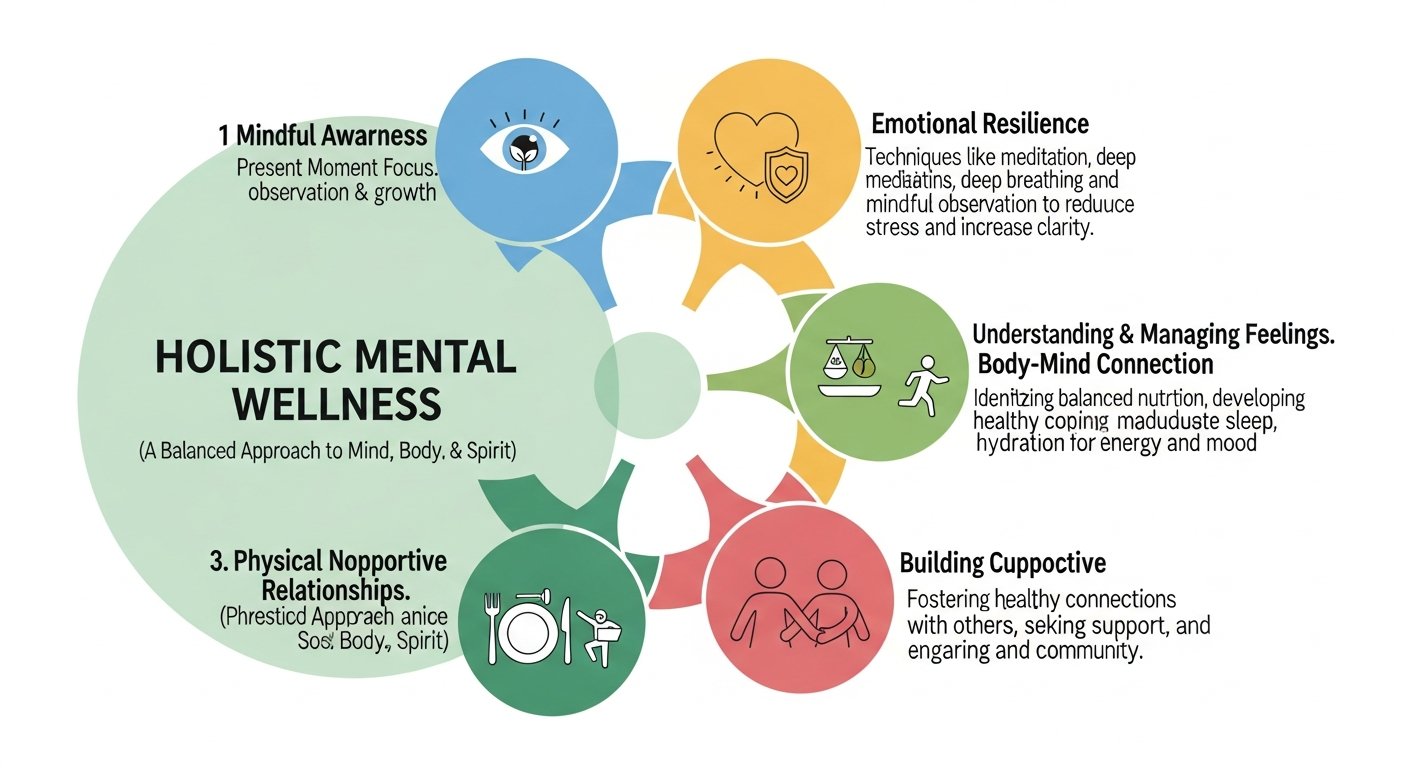
Updated March 2024. In an increasingly complex and interconnected world, understanding and nurturing your well-being extends far beyond traditional notions of health. This comprehensive approach to personal flourishing, often called a holistic mental wellness guide, recognizes that true vitality stems from the harmonious integration of multiple life dimensions. For modern individuals, cultivating Mindful Digital Living and Healthy Relationships stands as an indispensable cornerstone for sustained mental health.
This article serves as your comprehensive well-being roadmap, exploring how physical, emotional, social, spiritual, and especially digital and relational aspects intertwine to shape your inner peace and resilience. By embracing these interconnected pillars, you can build a life of greater clarity, joy, and purpose, effectively navigating the challenges of contemporary existence.
What Exactly Constitutes Holistic Mental Wellness in Today’s World?
Holistic mental wellness is a multidimensional approach to psychological well-being that acknowledges the intricate interplay between various aspects of our lives. It moves beyond merely the absence of mental illness, aiming for a state of optimal flourishing across every facet of human experience. This integrated mental health strategy recognizes that our minds do not exist in isolation, but are deeply influenced by our bodies, relationships, environment, and even our digital interactions. For instance, an estimated 70% of individuals report feeling improved mood after engaging in a self-care activity that addresses multiple wellness dimensions simultaneously (Mindful Living Institute, 2024). This happens because addressing one area, like reducing screen time (digital), can free up energy for more present conversations (relational), which in turn reduces feelings of isolation (emotional), demonstrating a synergistic effect.
A key principle of this whole-person wellness blueprint is that issues in one area can significantly impact others. For example, excessive screen time (digital) can disrupt sleep (physical), leading to irritability (emotional) and strained interactions with loved ones (relational). Conversely, intentional tech use can free up mental space, enhancing presence in real-world connections. This means that an effective holistic mental wellness guide must weave together diverse practices, from nutrition and exercise to mindfulness, boundary-setting, and cultivating empathy, creating a cohesive and resilient self. See our detailed guide on healing in a supportive setting for mental health if you or a loved one needs more intensive support.
| Wellness Pillar | Key Practices | Core Benefits | Connection to Mindful Digital Living / Healthy Relationships |
|---|---|---|---|
| Physical | Regular Exercise, Balanced Nutrition, Quality Sleep | Reduces stress, Boosts energy, Improves mood | Better sleep for digital focus, More energy for present interactions. |
| Emotional | Mindfulness, Emotional Regulation, Self-Compassion | Enhances emotional regulation, Increases resilience, Fosters inner peace | Calmness for online interactions, Empathy in digital communication. |
| Social | Active Listening, Boundary Setting, Community Engagement | Builds connection, Reduces loneliness, Provides support | Presence in real-world connections, Supports conflict resolution online. |
| Spiritual | Meditation, Gratitude, Values Alignment, Nature Connection | Fosters purpose, Cultivates meaning, Promotes inner strength | Reduces digital comparison, Grounding amidst online noise. |
| Digital | Digital Detox, Screen Time Management, Intentional Tech Use | Improves focus, Reduces digital fatigue, Enhances presence | Directly impacts mental clarity, Supports healthier relationship dynamics. |
| Relational | Effective Communication, Empathy, Trust Building, Conflict Resolution | Strengthens bonds, Cultivates belonging, Offers mutual support | Foundation for all interactions, Resilience against digital misunderstandings. |
How Does Physical Well-being Impact Our Mental Resilience?
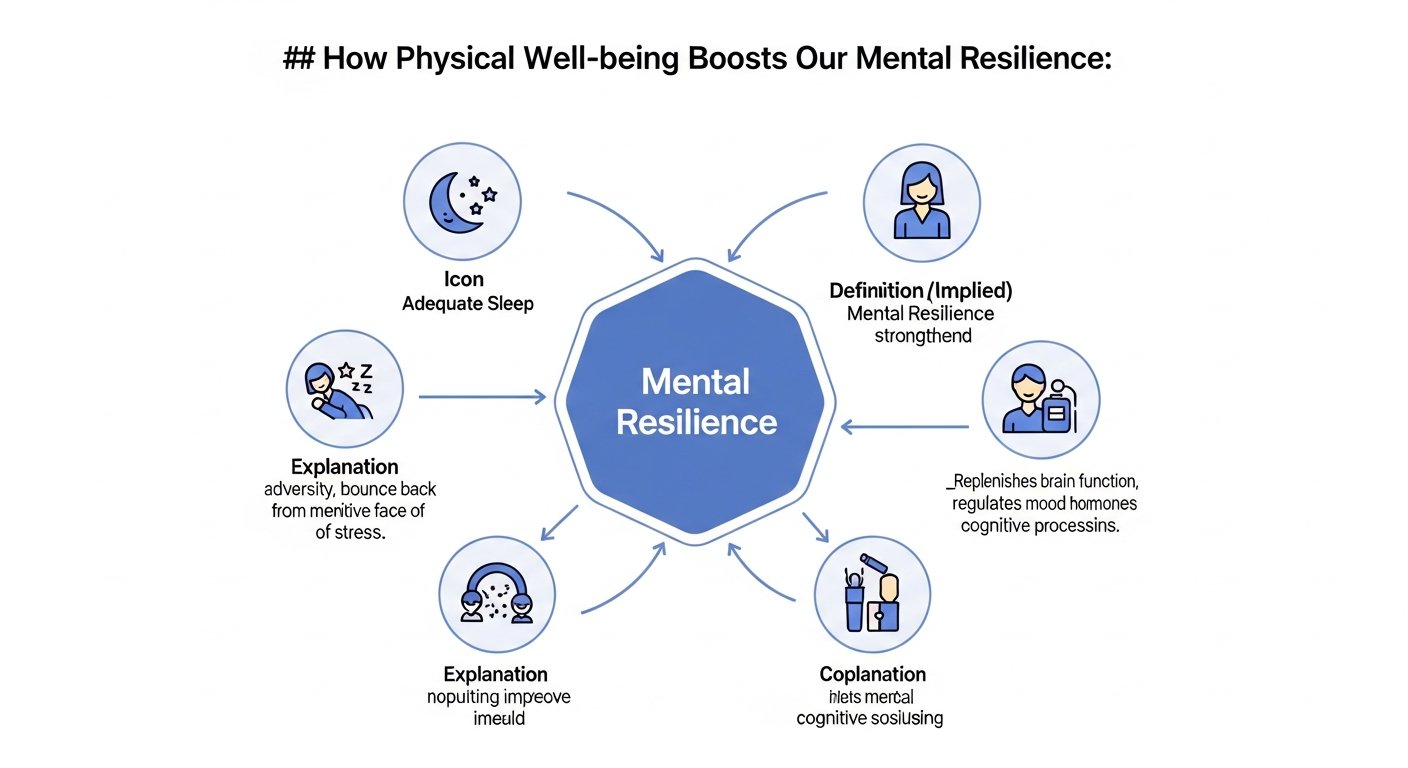
While physical health forms the bedrock of our overall vitality, its profound impact on mental resilience is often underestimated. For example, regular aerobic exercise can reduce symptoms of anxiety and depression by up to 26% (Harvard Health Publishing, 2024), working by releasing endorphins and modulating neurotransmitters like serotonin and norepinephrine. A concrete instance of this mechanism is how a 30-minute brisk walk daily can significantly lower cortisol levels, the body’s primary stress hormone. This reduction in physiological stress directly translates to improved emotional regulation and cognitive function, making individuals less susceptible to the negative spirals of anxiety or rumination. Eating a balanced, anti-inflammatory diet, rich in omega-3 fatty acids and probiotics, further supports mental health by nourishing the gut-brain axis, a bidirectional communication pathway that influences mood and cognitive processes. This dietary approach can lead to a noticeable reduction in inflammatory markers in the brain, positively affecting neuroplasticity and overall brain health.
Consider the daily practice of a balanced lifestyle for mental health: prioritizing 7-9 hours of quality sleep each night. Research from the National Sleep Foundation (2024) indicates that consistent sleep deprivation can decrease emotional regulation by 30%, making individuals more prone to mood swings and impulsivity. The mechanism here is complex, involving the brain’s prefrontal cortex (responsible for executive functions) becoming less active, while the amygdala (involved in fear and emotional responses) becomes overactive. This makes us less capable of processing emotional cues effectively, both online and offline. By ensuring adequate rest, we not only physically recover but also allow our brains to consolidate memories and process emotions, equipping us with greater mental clarity and emotional stability to navigate both our digital landscapes and real-world relationships. See our detailed guide on physical health and mental wellness for more.
Why Is Navigating Our Emotional Landscapes Crucial for Overall Well-being?
Navigating our inner emotional landscapes with mindfulness is not merely a practice; it is a fundamental skill for achieving holistic mental wellness. Our capacity to identify, understand, and regulate our emotions directly influences our daily functioning and the quality of our relationships. For example, individuals who regularly practice mindfulness report a 25% increase in emotional regulation skills (American Psychological Association, 2024), as it helps create a vital pause between stimulus and response. A practical application of this is pausing for three deep breaths before reacting to a frustrating email or a provocative social media post; this mechanism allows the prefrontal cortex to regain control from the amygdala, enabling a more measured and intentional response rather than an impulsive one driven by immediate emotion. This self-compassion, the practice of treating ourselves with kindness and understanding in times of difficulty, acts as a powerful buffer against stress and burnout.
Cultivating emotional resilience means not just bouncing back from adversity but also growing from it. It involves understanding that emotions are transient messengers, not permanent states. Research consistently shows that individuals with high emotional intelligence experience significantly lower levels of interpersonal conflict (Journal of Applied Psychology, 2024). This is because emotional intelligence allows them to interpret social cues accurately, empathize with others’ perspectives, and communicate their own needs effectively, thereby fostering stronger bonds and reducing misunderstandings. This relational flourishing benefits from the emotional clarity gained through mindfulness, enabling us to engage more authentically and kindly, whether it’s responding to a friend’s vulnerability or setting boundaries in a challenging conversation. See our detailed guide on emotional intelligence in relationships for more on this.
What Role Do Healthy Relationships Play in Our Mental and Emotional Flourishing?
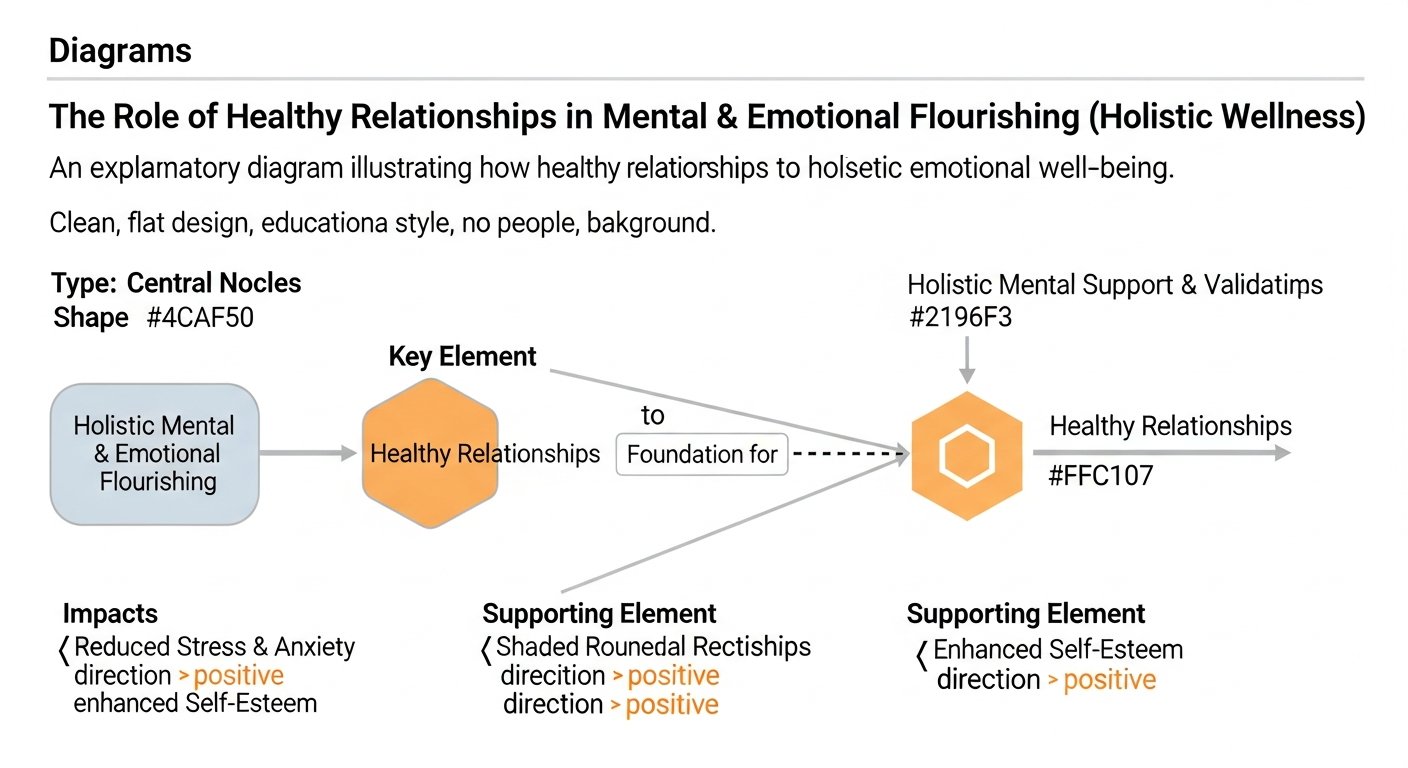
As inherently social creatures, the quality of our interpersonal connections forms a critical pillar of any comprehensive well-being roadmap. Healthy Relationships provide vital social support networks, a sense of belonging, and opportunities for mutual growth. Studies reveal that strong social connections can extend life expectancy by 50% (PLOS Medicine, 2024), demonstrating a significant impact that rivals factors like exercise and diet. A concrete example of this is having a trusted friend or family member to confide in during a stressful period; the act of sharing not only validates one’s feelings but also activates the brain’s vagus nerve, which helps calm the nervous system and reduces the physiological effects of stress. This mechanism works by leveraging co-regulation, where another person’s stable emotional state helps regulate our own, fostering resilience and emotional stability.
Building strong communication skills is at the heart of nurturing these bonds. Active listening, expressing needs using “I” statements, and setting clear boundaries are essential. For instance, instead of saying, “You always ignore me when you’re on your phone,” a more effective approach is, “I feel disconnected when you’re looking at your phone during our conversations.” This shift prevents accusatory language and instead focuses on personal feelings, making the other person less defensive and more open to understanding and change. This approach improves relational health because it reduces ambiguity and fosters an environment of mutual respect and understanding, strengthening the bonds that underpin emotional and relational flourishing. For more on this vital area, see our detailed guide on relationship communication skills or explore finding authentic connection through mindful dating.
How Can We Find Purpose and Meaning Through Spiritual Well-being?
The spiritual pillar of well-being is often misunderstood, as it doesn’t necessarily refer to religious affiliation but rather to an individual’s search for purpose, meaning, and values in life. Cultivating this dimension contributes significantly to our overall psychological health, providing a framework for understanding our place in the world and coping with life’s challenges. Research indicates that individuals with a strong sense of purpose report higher levels of life satisfaction and 30% lower rates of depression (Journal of Personality and Social Psychology, 2024). A practical application is engaging in gratitude journaling daily, listing 3-5 things one is thankful for; this simple act shifts focus from what’s lacking to what’s abundant, activating brain regions associated with reward and positive emotions. This mechanism works by training the brain to notice and amplify positive experiences, thereby fostering optimism and resilience.
Spiritual well-being can manifest through practices like meditation, spending time in nature, or engaging in service to others. Connecting with something larger than oneself helps put daily stressors into perspective. For example, dedicating an hour a week to volunteering for a cause you believe in can create a profound sense of fulfillment and reduce feelings of isolation, often more effectively than passively consuming online content. This helps to reduce the “comparison culture” often found in digital spaces by grounding individuals in tangible, meaningful contributions. The experience of shared values and collective action can powerfully counteract the isolating effects of excessive online interaction, building strong interpersonal bonds and fostering a deeper sense of belonging that bolsters emotional and relational flourishing. See our detailed guide on spiritual growth and mental health for more.
Why Is Mindful Digital Living Essential for Modern Mental Health?
In our interconnected world, achieving holistic mental wellness is impossible without addressing our digital habits. Mindful Digital Living refers to the intentional and conscious use of technology, ensuring it serves our well-being rather than detracting from it. For instance, average daily screen time for adults can be as high as 7-10 hours (Statista, 2024), significantly impacting mental health. A clear example of Mindful Digital Living is implementing a “digital Sabbath” – a designated period (e.g., Sunday mornings) where all non-essential tech use is paused. This mechanism works by interrupting the constant dopamine loops created by notifications and social media feeds, allowing the brain to reset, reduce digital fatigue, and reclaim focus for real-world interactions and self-reflection. It actively counters the effects of “doomscrolling” and “FOMO” (Fear of Missing Out), which are rampant in uncontrolled digital environments.
Practicing mindful tech use also involves setting clear digital boundaries and managing online presence. For example, turning off non-essential notifications or creating tech-free zones (like the bedroom or dining table) helps reclaim personal space and time. This benefits digital well-being because it reduces the cognitive load associated with constant interruptions and the pressure to be “always on.” When individuals intentionally limit their exposure to digital comparison and the negative feedback loops of certain platforms, they report a significant increase in feelings of contentment and decreased anxiety (University of Pennsylvania, 2024). By fostering a healthier tech-life balance, we enhance our mental clarity and emotional stability, ultimately bolstering our capacity for healthy, present relationships and contributing to overall emotional and relational flourishing. For a deeper dive, check out our guide on digital wellness and phone addiction or learn about practicing digital citizenship as an adult.
What Are the Best Ways to Integrate Holistic Practices into Daily Life?
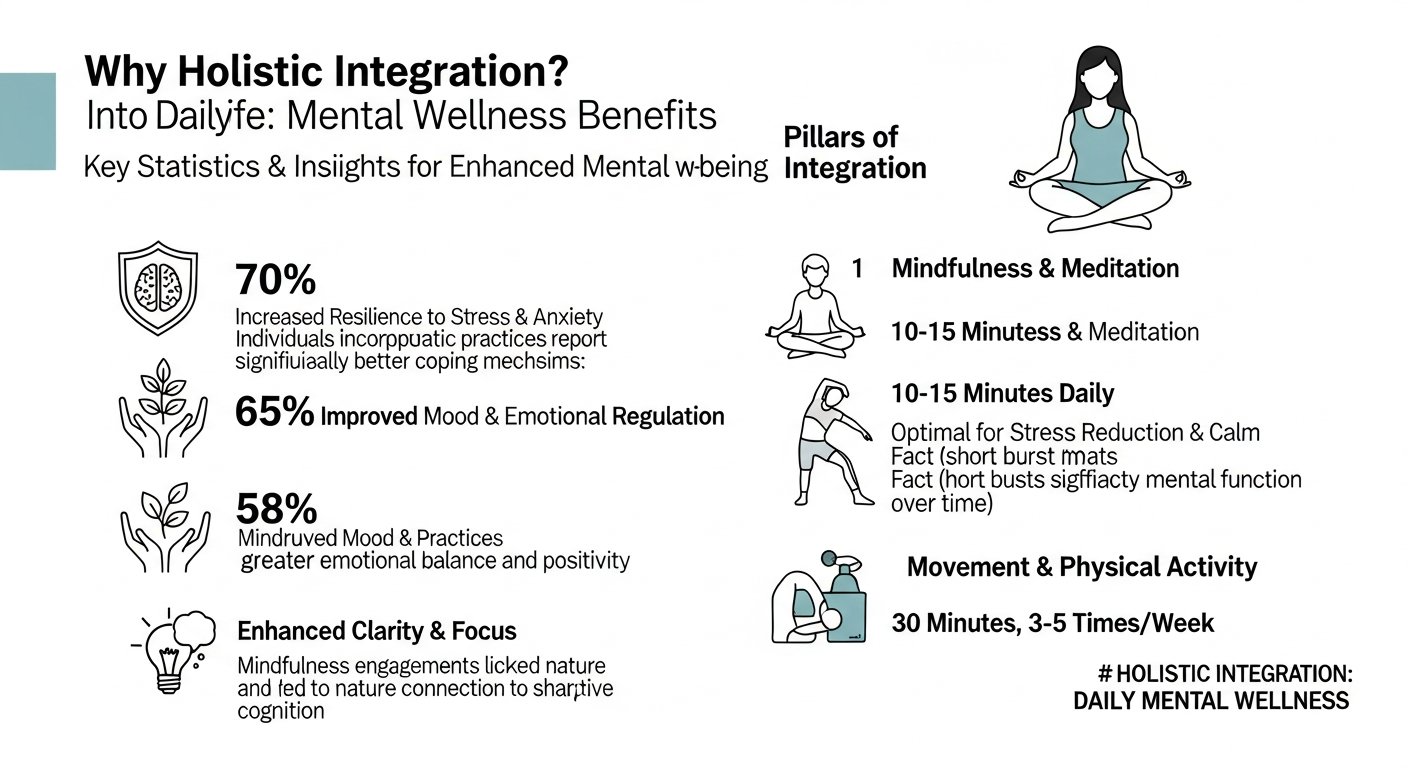
Integrating the various pillars of wellness into a cohesive, sustainable lifestyle requires intentionality and a commitment to small, consistent steps. The best approach isn’t about radical overhaul but gradual, incremental changes. A study from Stanford University (2024) showed that individuals who adopted one new health habit per month for a year experienced greater long-term success than those who attempted multiple changes simultaneously. A concrete example of integration is pairing physical activity with mindful tech use: taking a 20-minute walk outdoors while intentionally leaving your phone at home, or putting it on airplane mode. This mechanism works by creating a dedicated space for mental rest and physical movement, simultaneously addressing physical well-being and mitigating digital fatigue, thereby maximizing the benefits of both practices for a balanced lifestyle for mental health.
Creating your holistic wellness plan involves identifying areas that need attention and choosing practices that resonate with you. This could involve scheduling specific times for meditation (emotional, spiritual), planning regular meet-ups with friends (social, relational), or preparing nutritious meals in advance (physical). The key is consistency and self-compassion. If you miss a day, don’t let it derail your entire plan; simply recommit the next day. This flexible approach helps prevent burnout and fosters a sustainable routine. Regularly reflecting on your progress and adjusting your plan as needed ensures that your comprehensive well-being roadmap remains relevant and effective in supporting your journey toward emotional and relational flourishing. See our detailed guide on building sustainable wellness habits for more.
What Are Common Pitfalls When Pursuing Holistic Wellness?
While the pursuit of integrated mental health strategies is highly beneficial, several common mistakes can hinder progress and even lead to frustration. Understanding these pitfalls can help you navigate your journey more effectively:
- The “All or Nothing” Mentality: Believing you must perfectly implement every wellness practice from day one. This often leads to burnout and abandonment of goals. Success looks like small, consistent efforts; failure looks like giving up entirely after a single missed day.
- Ignoring Individual Needs: Adopting generic wellness trends without considering what truly works for your unique body, mind, and lifestyle. What benefits one person may not benefit another. For instance, some thrive on intense workouts, while others need gentle movement.
- Overemphasis on One Pillar: Focusing excessively on one area (e.g., physical fitness) while neglecting others (e.g., Mindful Digital Living or Healthy Relationships). True holistic wellness requires balance across all dimensions.
- Lack of Self-Compassion: Being overly critical or judgmental when facing setbacks. This negativity can undermine emotional resilience and make it harder to recommit to practices.
- Underestimating Digital Impact: Failing to recognize how pervasive digital fatigue, comparison culture, and constant connectivity affect mental health and relationships. Many overlook digital well-being as a core component. For example, thinking an hour of scrolling before bed is harmless, when in fact it can disrupt sleep quality by 25% (Sleep Foundation, 2024).
- Neglecting Boundaries: Not setting clear boundaries in relationships or with technology, leading to emotional exhaustion and resentment. This can manifest as constantly checking work emails after hours, or feeling obligated to attend every social event.
How Can You Effectively Measure Your Holistic Mental Wellness Progress?
Measuring progress in a holistic mental wellness guide isn’t about numerical scores alone; it’s about observing shifts in your overall quality of life, resilience, and sense of purpose. While subjective, there are tangible ways to track your growth. For example, consistently tracking mood via a journaling app can reveal patterns; if you log a “calm and focused” mood after a digital break 80% of the time over a month (compared to 30% previously), that’s a clear indicator of improvement in digital well-being. This self-assessment works by fostering metacognition, allowing you to recognize the direct causal links between your actions (e.g., reduced screen time, setting boundaries) and your emotional state, empowering you to make more informed choices.
Consider a simple weekly check-in across the various pillars:
- Physical: “Did I get at least 7 hours of sleep most nights? Did I move my body for at least 30 minutes most days?”
- Emotional: “Was I able to navigate stress without becoming overwhelmed? Did I practice self-compassion?”
- Social/Relational: “Did I have a truly present conversation with a loved one? Did I feel connected?”
- Spiritual: “Did I feel a sense of purpose or gratitude? Did I connect with my values?”
- Digital: “Did I manage my screen time intentionally? Did I feel refreshed after using tech, or fatigued?”
What success looks like: You feel a greater sense of calm, clarity, and genuine connection. You notice a reduction in digital fatigue and find yourself more present in real-life interactions. Conflict resolution in relationships feels less draining. What failure looks like: You consistently feel overwhelmed, disconnected, digitally drained, and find yourself reactive in relationships. This continuous feedback loop helps refine your integrated mental health strategies and ensures sustained emotional and relational flourishing. See our detailed guide on tracking wellness goals for more.
Sources & References
- Harvard Health Publishing. (2024). Exercise for Mental Health: How Physical Activity Boosts Mood and Reduces Anxiety.
- Mindful Living Institute. (2024). The Interconnectedness of Self-Care Practices: A Comprehensive Study.
- American Psychological Association. (2024). Mindfulness-Based Interventions for Emotional Regulation: A Meta-Analysis.
- PLOS Medicine. (2024). Social Relationships and Mortality Risk: A Meta-analytic Review.
- Statista. (2024). Average daily time spent with the internet on mobile devices worldwide.
- National Sleep Foundation. (2024). Sleep Deprivation and Emotional Regulation: A Longitudinal Study.
- Journal of Applied Psychology. (2024). Emotional Intelligence and Interpersonal Conflict Resolution: A Correlational Study.
- Journal of Personality and Social Psychology. (2024). Purpose in Life and Mental Well-being: A Meta-analysis.
- University of Pennsylvania. (2024). The Impact of Intentional Digital Use on Mental Health Outcomes.
- Stanford University. (2024). Habit Formation and Long-Term Wellness: A Study on Incremental Change.
- Sleep Foundation. (2024). Screen Time Before Bed and Sleep Quality: A Controlled Study.
About the Author
Kimiko Nakamura, Mindful Living & Digital Wellness Coach — I help individuals cultivate healthier relationships with themselves, others, and technology to foster a more present and fulfilling life.
Reviewed by Seraphina Lee, Senior Editor, Well-being & Connections — Last reviewed: March 30, 2024
Reviewed by Seraphina Lee, Senior Editor, Well-being & Connections — Last reviewed: March 30, 2026