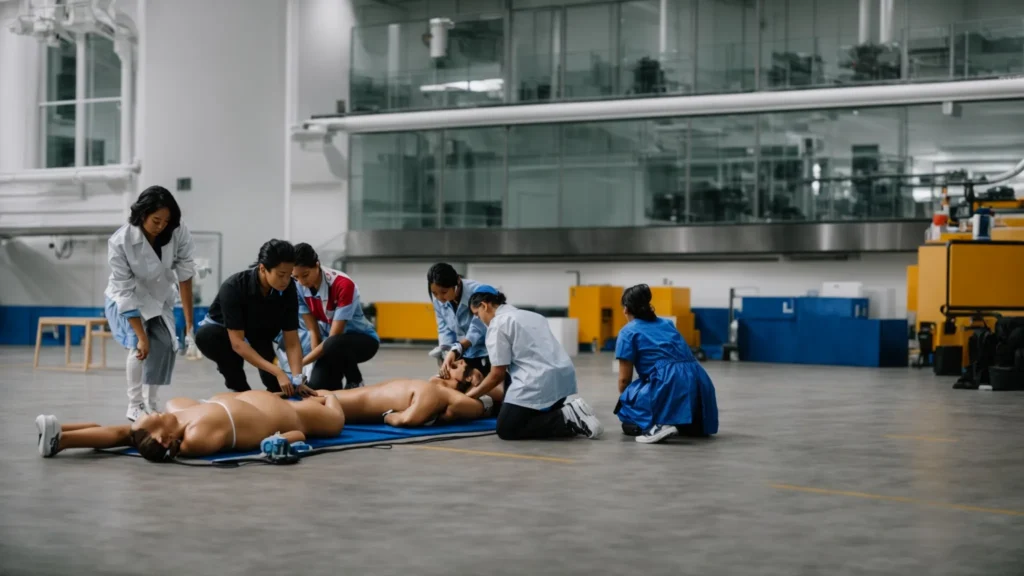
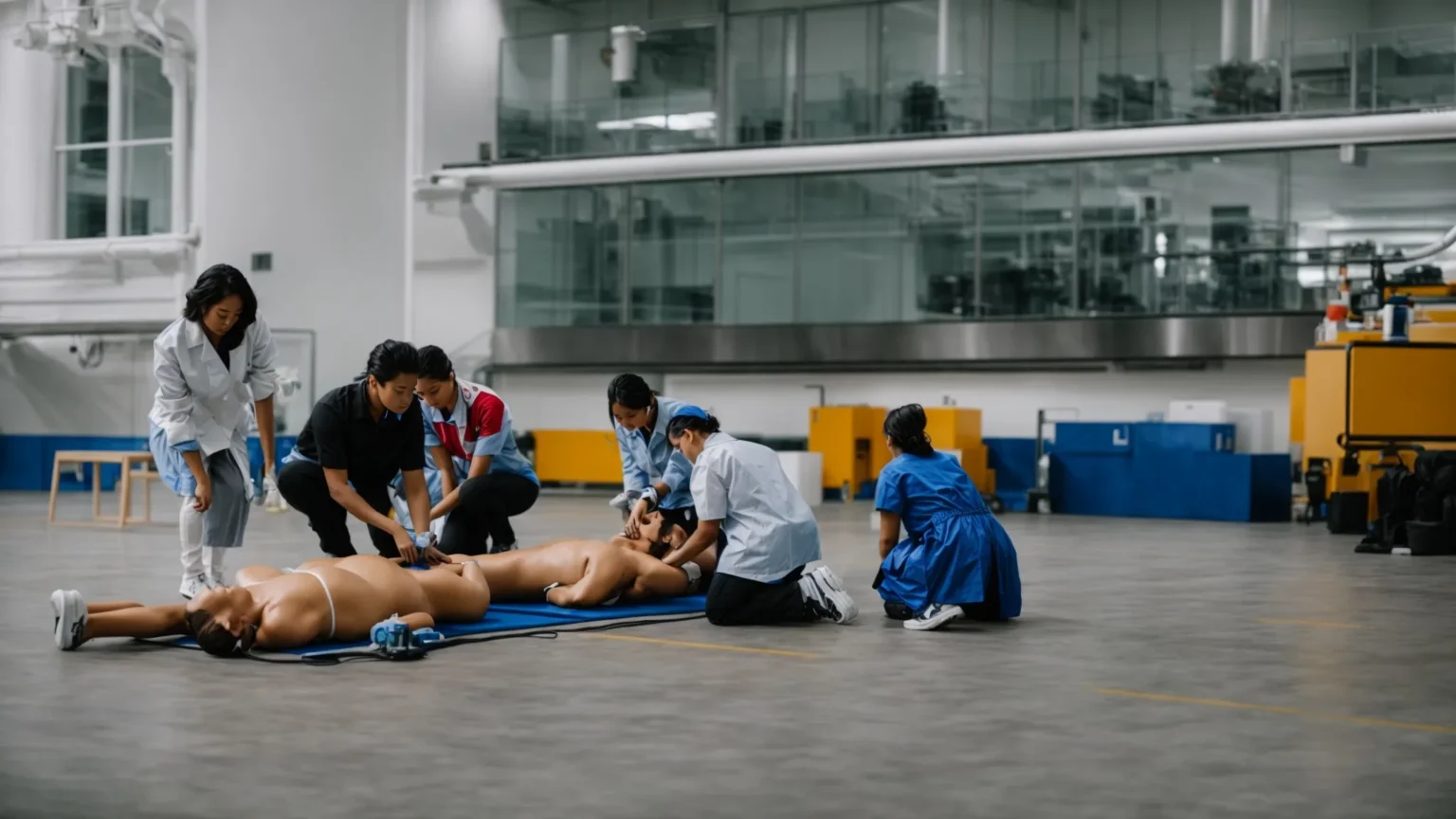
Unlocking Lifesaving Skills: Take CPR Classes for BLS Certification
When seconds count, knowing how to perform cardiopulmonary resuscitation (CPR) can mean the difference between life and death. As such, Basic Life Support (BLS) certification is not only advantageous but also essential for a wide range of professions and the general public. By equipping yourself with this knowledge, you ensure you’re prepared to face emergencies with confidence. Whether you’re a healthcare provider or a concerned citizen ready to step up when needed, BLS training is key to your preparedness toolkit. Keep reading to understand how this training can benefit you and your community.
Understanding the Importance of BLS Certification in Emergency Situations
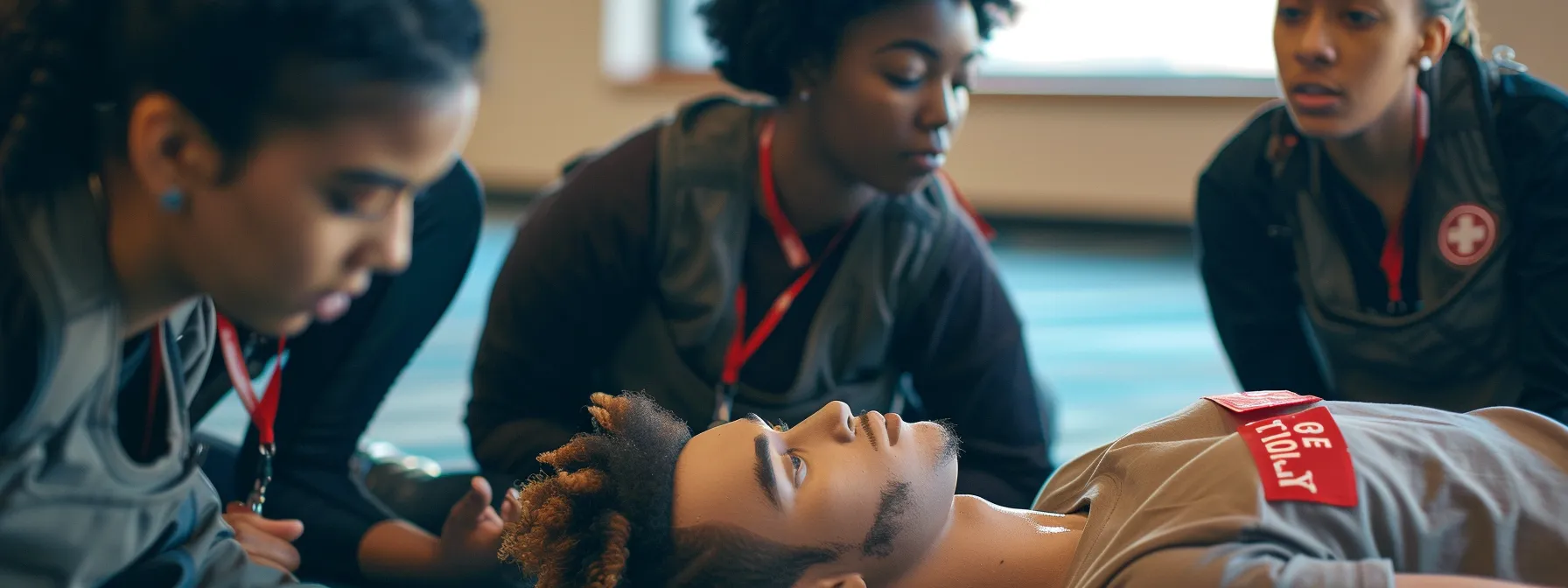
In medical emergencies, particularly for breathing and cardiac emergencies, every moment is critical. BLS certification equips individuals to assist those in need until professional medical help arrives. The knowledge gained from BLS certification extends beyond basic first aid to include advanced life-saving techniques.
Moreover, obtaining a BLS certification ensures you’re trained to recognize various types of emergencies quickly. This includes administering CPR, using an automated external defibrillator (AED), and relieving choking safely and effectively. The certification also focuses on rapid assessment, enabling swift decision-making and action in urgent situations.
Notably, BLS certification is often required for healthcare and public safety careers. However, in truth, emergencies can occur anywherefrom offices to schools to everyday public spaces—underscoring the importance of a broad audience acquiring these vital skills.
The certification doesn’t just serve the individual; it contributes to a more resilient community. Having more certified individuals in the population increases the likelihood that someone with the right skills is available during an emergency, potentially saving lives.
How CPR Classes for BLS Certification Can Empower You and Your Community

Empowerment comes with the confidence to act decisively in critical times. By taking CPR classes near me for BLS certification, you’re not just learning how to save lives; you’re also developing the mental preparedness to handle stress and maintain composure during medical emergencies. This can have a ripple effect, inspiring others in your community to become certified and contribute to a network of trained individuals.
Community engagement is another significant aspect of BLS certification. Many individuals who become certified feel a stronger connection to their community as they become stakeholders in its well-being. This engagement can lead to increased community outreach, awareness events, and initiatives to educate others about the importance of CPR and BLS knowledge.
Becoming certified may also inspire some to pursue further education in the healthcare field or emergency services. The foundational knowledge gained from BLS classes often sparks interest in expanding one’s capacity to help others, leading to more trained professionals in these essential sectors.
For organizations and businesses, encouraging and offering BLS certification to employees can result in a safer workspace. It promotes a culture of safety, readiness, and mutual assistance, making BLS certification an investment in both human and social capital.
From Certification To Action: Maintaining Skills and Preparedness Post-CPR Training
Receiving your BLS certification marks the beginning of an ongoing commitment to skill maintenance and readiness. Maintaining your readiness to perform CPR includes periodic review and practice of procedures to ensure your skills remain sharp and that you are up to date with any changes in protocols.
It’s important to renew your BLS certification as required, typically every two years. Recertification classes not only refresh your memory but also introduce you to advancements and updates in resuscitation techniques. Staying current with certification ensures that you are always prepared to provide competent aid.
Many certified individuals also find value in becoming advocates for CPR training within their circles. Sharing knowledge and experiences can encourage others to learn CPR, effectively expanding the web of potential lifesavers. Volunteering at local health fairs or with organizations that promote CPR awareness can be an excellent way to keep skills fresh and give back to the community.
Lastly, investing in CPR training resources, such as instructional videos or mobile apps, can aid in regular self-guided review. These resources keep your knowledge and confidence high, readying you to spring into action whenever necessary.
Altogether, the journey of CPR training is as much about obtaining certification as it is about embodying the readiness to save lives. Overall, BLS certification equips you with crucial skills and instills a sense of responsibility that extends well beyond the classroom, enhancing both personal and public safety.