Updated October 2023. Navigating the world of psychological wellness can feel overwhelming when you are exploring the various types of therapy for mental health for the first time. The right psychological support is profoundly personal, acting as a bridge between struggling in silence and thriving in our modern, hyper-connected world. Whether you are dealing with chronic burnout from endless digital notifications or trying to repair strained communication with a partner, finding a practitioner who understands your specific needs changes the trajectory of your daily life.
A common misconception is that therapeutic intervention is solely for severe crises. In reality, counseling modalities offer proactive frameworks for self-regulation, relationship building, and stress management. By understanding the distinct therapeutic approaches available today, you equip yourself with the vocabulary to seek out precisely the kind of support that aligns with your emotional goals and interpersonal challenges.
The Foundations and Benefits of Psychological Counseling
A foundational grasp of clinical psychology helps individuals make informed decisions about their emotional care. The landscape of behavioral health has evolved significantly, shifting from rigid, generalized treatments to highly specialized protocols designed for distinct cognitive profiles and lifestyle stressors. According to the American Psychological Association’s 2023 Stress in America report, a significant portion of adults actively seeking psychological support report navigating severe digital fatigue or relationship burnout as primary catalysts for their visits.
Core Objectives of Modern Counseling
Therapeutic intervention operates on the principle of neuroplasticity—the brain’s ability to form new neural connections in response to guided behavioral changes and emotional processing. Rather than simply offering advice, a licensed practitioner facilitates a structured environment where clients can safely dismantle maladaptive coping mechanisms. This structured unlearning is particularly vital for individuals managing how excessive screen time strains our emotional bandwidth, as the constant dopamine spikes from digital devices often mask deeper interpersonal voids.
What success looks like: A client who previously experienced panic attacks before social gatherings reporting a resting heart rate drop from 95 bpm to 72 bpm during pre-event anticipation after six weeks of targeted intervention.
Key Modalities at a Glance
Selecting an appropriate clinical approach requires matching the methodology to the specific distress. The following table outlines the foundational frameworks widely utilized in contemporary practice.
| Modality | Core Focus | Key Techniques | Best Suited For |
|---|---|---|---|
| Cognitive Behavioral | Restructuring negative thought patterns | Thought records, behavioral experiments | Anxiety, phobias, digital compulsions |
| Psychodynamic | Uncovering unconscious historical drives | Free association, transference analysis | Recurring relationship cycles, deep trauma |
| Humanistic | Fostering self-actualization and growth | Active listening, unconditional positive regard | Low self-esteem, identity crises |
| Systemic Family | Improving relational dynamics and roles | Communication mapping, boundary setting | Couples conflict, family discord |
When evaluating the right clinical modalities, one must consider whether their primary goal is immediate symptom relief or a long-term exploration of deeply rooted behavioral patterns.
Types of Behavioral Interventions and When to Apply Them

Behavioral interventions dominate the modern clinical landscape due to their structured, empirical nature. These frameworks operate on the premise that emotional distress is largely maintained by observable behaviors and ingrained cognitive habits that can be systematically altered. By focusing on the present rather than the distant past, these modalities offer actionable strategies for immediate relief.
Cognitive Restructuring for Daily Resilience
Cognitive Behavioral Therapy (CBT) identifies and challenges cognitive distortions—irrational thought patterns that fuel anxiety and depression. CBT intercepts the feedback loop between a triggering event and an automatic negative response by forcing cognitive appraisal before autonomic arousal. By deliberately pausing to evaluate the factual accuracy of a thought, the patient prevents their nervous system from entering a state of hyperarousal.
For example, a user adds items to an online shopping cart, abandons it at checkout due to anxiety over finances, and immediately spirals into feelings of complete financial failure. A CBT practitioner works with this client to identify the “all-or-nothing” thinking distortion, teaching them to reframe the event as a momentary hesitation rather than a character flaw.
Emotional Regulation via Skill-Building
Dialectical Behavior Therapy (DBT), originally developed for borderline personality disorder, integrates CBT with Eastern mindfulness practices. It focuses heavily on distress tolerance and emotional regulation. DBT succeeds by equipping individuals with physical and cognitive “toolkits” to deploy when emotions reach a boiling point, allowing them to survive a crisis without making it worse through destructive behaviors.
What failure looks like: A patient attending weekly DBT sessions but entirely failing to complete their “diary cards” or practice the physical distress tolerance skills (like paced breathing or temperature manipulation) between appointments, resulting in zero reduction in emotional outbursts at home. Consistency is the bedrock of behavioral change.
[INLINE IMAGE 2: diagram comparing the cognitive-behavioral feedback loop of thoughts, feelings, and behaviors alongside a mindfulness-based emotion regulation cycle]
How Do Psychodynamic and Humanistic Approaches Differ?
While behavioral therapies focus on symptom management in the present moment, psychodynamic and humanistic modalities dive into the broader context of an individual’s life. They ask fundamentally different questions about human suffering and healing, focusing on the root causes of emotional pain rather than just the surface-level symptoms.
Unearthing Unconscious Drives
Psychodynamic therapy, rooted in psychoanalysis, suggests that our current emotional distress is heavily influenced by unresolved childhood conflicts and unconscious motives. This modality relies on uncovering deeply ingrained relational templates. The process works because bringing unconscious drives into conscious awareness strips them of their power to dictate automatic reactions in the present. If a client constantly sabotages healthy relationships, a psychodynamic therapist will look for early attachment wounds that made intimacy feel unsafe.
A 2015 systematic review published in The Lancet Psychiatry noted sustained improvements in emotional intimacy among individuals who engaged in long-term psychodynamic counseling to address childhood attachment disruptions, highlighting the enduring benefits of this deep-dive approach.
The Drive for Self-Actualization
In contrast, Person-Centered Therapy (a humanistic approach) assumes that every individual possesses an innate capacity for growth and self-healing. The therapist’s primary tool is unconditional positive regard, creating an environment free of judgment. This non-directive approach improves outcomes because the lack of clinical authority allows the client to lower their defensive barriers, deeply process their own emotions, and discover their intrinsic motivations without external pressure.
These reflective modalities are particularly valuable for marginalized individuals seeking safe spaces to process complex societal pressures. Utilizing culturally aligned counseling professionals often accelerates the trust-building phase in humanistic therapy, ensuring the client feels genuinely seen and validated without needing to explain their foundational cultural context.
Categories of Systemic Therapy for Relational Health

Mental wellness does not exist in a vacuum; it is deeply intertwined with the quality of our interpersonal relationships. Systemic therapy approaches view the individual not as an isolated unit of distress, but as a component within a larger family or relational machine. This perspective is crucial when addressing issues that impact the entire household.
Mapping Interpersonal Dynamics
Couples and family counseling shifts the diagnostic focus from the individual to the space between people. The mechanism of change here relies on disrupting established interactional sequences. Rather than asking “Why is this person depressed?”, the therapist asks, “How does the family’s communication style inadvertently maintain this depressive episode?”
Consider a scenario where a family sits in a session to address a teenager’s excessive gaming. Instead of treating the phone use as individual defiance, the therapist identifies it as an escape mechanism from high-conflict parental dynamics. The clinician redirects the focus to the parents’ arguing, establishing fundamental communication frameworks for partners. As the parental hostility decreases, the teenager’s need to emotionally withdraw into digital spaces naturally subsides.
Key Focus Areas in Relational Work
- De-escalation protocols: Teaching partners how to pause physiological arousal during arguments before contemptuous language is used.
- Attachment mapping: Helping family members understand whether they naturally pursue or withdraw during emotional distress.
- Boundary implementation: Establishing clear, enforceable rules regarding digital devices during family time to foster genuine presence.
Without active participation from all involved parties, systemic therapy struggles to gain traction. Progress requires the entire unit to adopt the new emotional vocabulary introduced in the clinical setting, ensuring that changes are sustainable and mutually supported.
[INLINE IMAGE 4: illustration of a family therapy session highlighting the interconnected communication pathways and emotional feedback loops between a teenager and their parents]
What Role Does Telehealth Play in Digital Wellness?
The rapid integration of digital platforms into psychological care has created a profound shift in accessibility. Online counseling presents a unique paradox in the realm of digital wellness: utilizing screens to heal the mind, often from issues exacerbated by screens. Understanding this dynamic is key to maximizing the benefits of remote care.
The Mechanics of Virtual Support
According to the American Psychological Association’s 2023 practitioner survey, telehealth utilization has stabilized, with many psychologists continuing to see a significant portion of their patients virtually. Virtual sessions lower the barrier to entry by completely eliminating commute time and clinical waiting room anxiety. This format allows patients to process vulnerability in a familiar physical environment, which can significantly reduce initial defensive posturing.
Asynchronous counseling—defined as text, audio, or video message-based therapy occurring without real-time interaction—has also surged. It provides immediate micro-interventions throughout the week. If a client faces a panic trigger at work, they can leave a voice note for their therapist immediately, capturing raw emotional data that is often forgotten by the time a traditional weekly appointment occurs.
Specialized Online Interventions
Certain conditions historically requiring complex in-person environments are successfully transitioning to digital spaces. For instance, utilizing virtual platforms for trauma assessment allows clinicians to evaluate PTSD symptoms while the patient remains anchored in a safe, controlled home setting. The screen itself acts as a subtle psychological buffer, which can prevent emotional flooding during early trauma-processing sessions.
However, telehealth is not universally appropriate. Individuals with severe digital boundary issues or those lacking a private, quiet space at home may find virtual sessions counterproductive, as the very device connecting them to their therapist is also a source of their daily distraction.
Why Do People Abandon Psychological Treatment Prematurely?
Embarking on a therapeutic journey requires vulnerability, but it also demands a strategic mindset. Many individuals abandon counseling prematurely due to fundamental misunderstandings about how clinical progress actually unfolds. Recognizing these pitfalls can help you stay committed to the process.
Navigating the Trial-and-Error Phase
The therapeutic alliance—the level of trust and collaboration between client and clinician—is the single highest predictor of positive outcomes across all treatment modalities. Yet, many people treat finding a therapist like visiting a general practitioner, assuming any licensed professional will suffice.
- Expecting immediate symptom eradication: Therapy is a skill-building endeavor, not a surgical extraction. The first few sessions are heavily dedicated to intake, history gathering, and establishing baseline metrics.
- Withholding critical behavioral data: Clients frequently downplay their daily screen time, substance use, or financial impulsivity out of shame. A clinician cannot effectively treat an incomplete clinical picture.
- Treating the practitioner as an advice dispenser: Effective counseling facilitates self-discovery and autonomous decision-making. Demanding that a therapist “tell you what to do” bypasses the crucial cognitive restructuring process.
- Staying with a mismatched practitioner: Out of politeness or conflict avoidance, clients will remain with a therapist who uses a modality that doesn’t resonate with their learning style.
For individuals facing acute crises or deep-seated dependency issues, weekly outpatient sessions may simply be insufficient. In these severe cases, exploring intensive residential psychiatric care options becomes necessary to provide a completely supervised, trigger-free environment for stabilization.
The Neurological Impact of Mindfulness-Based Interventions
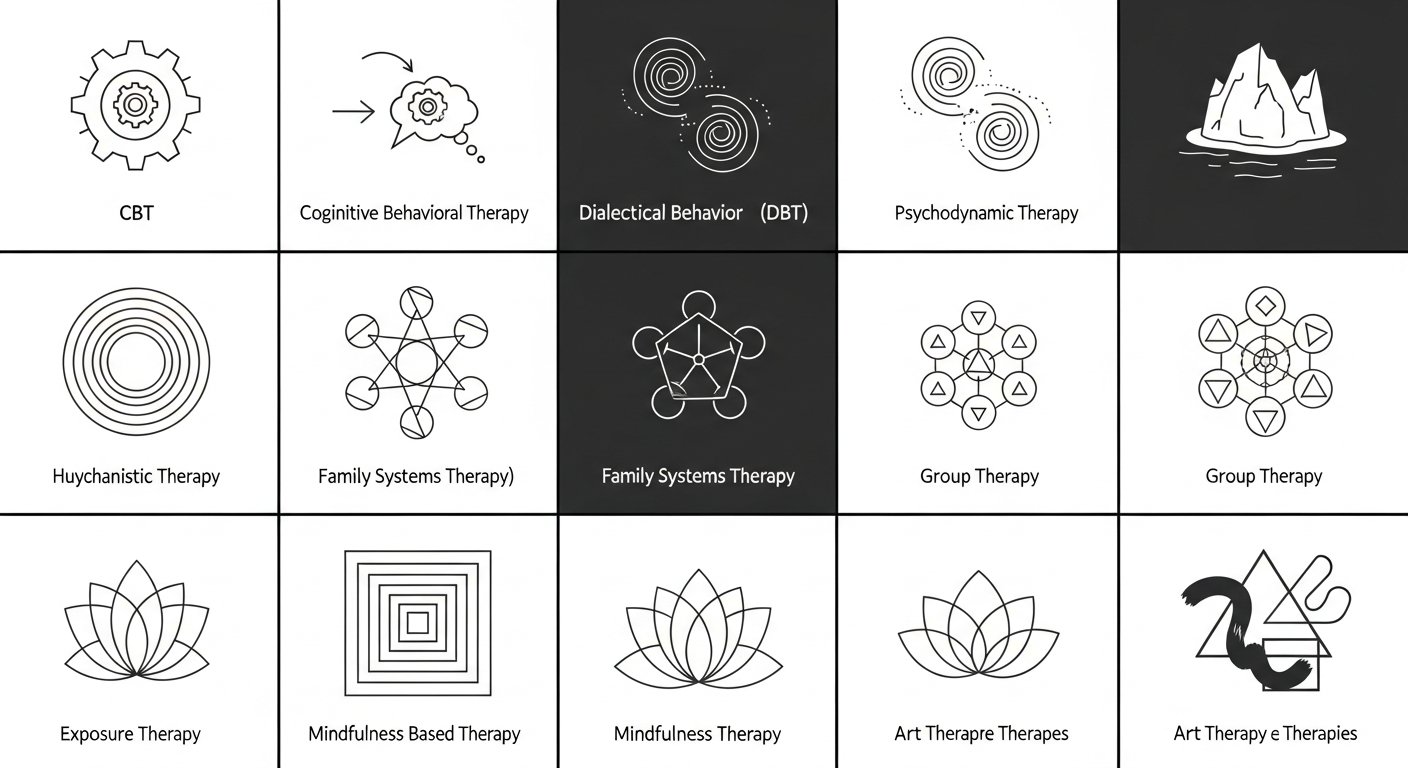
Historically viewed as spiritual or esoteric, mindfulness has been rigorously operationalized into evidence-based clinical protocols over the last two decades. These interventions bridge the gap between cognitive therapy and somatic (body-based) experiencing, offering profound benefits for brain health.
Integrating Presence into Clinical Practice
Mindfulness-Based Cognitive Therapy (MBCT) was specifically designed to prevent recurrent depressive relapses. It trains individuals to observe negative thoughts objectively without attaching identity to them. The mechanism here relies on shifting brain activity away from the default mode network (associated with rumination and self-referential thought) and toward the direct experiential network. By focusing intently on present-moment sensory input, the brain literally cannot sustain a traumatic flashback or future-oriented anxiety spiral.
An individual experiencing hyperarousal from hours of negative news consumption uses a 5-4-3-2-1 grounding technique. They actively name five things they see, four they can touch, three they hear, two they smell, and one they taste. This sensory forcing actively shifts their autonomic nervous system out of fight-or-flight mode by proving to the brain that the immediate physical environment is safe.
Measurable Brain Changes
Regular mindfulness practice over 8 weeks has been shown to increase gray matter density in the hippocampus, the area of the brain responsible for learning and memory regulation, according to landmark research from Harvard Medical School. Simultaneously, it decreases the physical volume of the amygdala, reducing the brain’s baseline fear response. Integrating these mindful practices alongside daily habits to elevate psychological resilience creates a robust defense against modern digital burnout.
Ultimately, understanding the various clinical approaches empowers you to take agency over your emotional trajectory. Whether you choose the structured homework of CBT, the deep exploration of psychodynamic work, or the present-moment focus of mindfulness, the goal remains the same: reclaiming your attention, regulating your nervous system, and fostering healthier, more authentic connections in an increasingly distracted world.
Sources & References
- American Psychological Association. (2023). Stress in America 2023: A Nation Recovering from Collective Trauma. Washington, DC.
- Hölzel, B. K., Carmody, J., Vangel, M., Congleton, C., Yerramsetti, S. M., Gard, T., & Lazar, S. W. (2011). Mindfulness practice leads to increases in regional brain gray matter density. Psychiatry Research: Neuroimaging, 191(1), 36-43.
- American Psychological Association. (2023). Telehealth proves its worth: Psychologists report continued high demand for virtual care.
- Leichsenring, F., et al. (2015). Psychodynamic Therapy Meets Evidence-Based Medicine: A Systematic Review Using Updated Criteria. The Lancet Psychiatry.
Reviewed by Seraphina Lee, Senior Editor, Well-being & Connections — Last reviewed: October 2023