Take Control: Managing Online Negativity: Boost Your Digital Wellness & Relationships
Updated March 2026. Navigating the complex digital landscape often means encountering interactions that can range from mildly irritating to deeply harmful. Effectively managing online negativity is not just about avoiding unpleasant experiences; it’s a fundamental pillar of building Digital Wellness and Healthy Relationships in an increasingly connected world. This article will serve as your comprehensive guide, offering actionable strategies to identify, mitigate, and proactively prevent negative online interactions, ultimately fostering a more positive, supportive, and mentally resilient digital experience. We’ll delve into the various forms of online toxicity, explore their profound impacts, and equip you with the tools and mindsets necessary to protect your peace and nurture meaningful connections in the digital realm.
Digital Wellness refers to the conscious and intentional effort to create a healthy and balanced relationship with technology, encompassing mental, emotional, and physical well-being in the digital age. It involves setting boundaries, practicing mindful engagement, and protecting oneself from the adverse effects of online interactions. Healthy Relationships, in the digital context, are characterized by mutual respect, empathy, clear communication, and support, fostering positive connections that enhance rather than detract from one’s overall well-being.
What is Online Negativity and How Does it Impact Digital Wellness?
Online negativity encompasses a broad spectrum of adverse digital interactions, from casual rudeness to targeted harassment, all of which can erode an individual’s sense of safety and well-being. Understanding its manifestations is the first step toward effective mitigation. These negative experiences significantly impact Digital Wellness by contributing to stress, anxiety, and digital fatigue, often leading individuals to withdraw or disengage from valuable online communities.
The prevalence of online negativity is alarming. According to a recent survey conducted by the Pew Research Center in 2025, an estimated 67% of adults in the United States have experienced some form of online harassment, with a significant portion reporting severe forms such as physical threats or stalking. This quantitative data underscores the pervasive nature of the challenge.
For example, consider a scenario where a user, passionate about a niche hobby, shares their work in an online forum. Instead of constructive feedback, they are met with a barrage of derisive comments and personal attacks on their skill level. This concrete example illustrates how seemingly small online interactions can lead to significant emotional distress, diminishing their enjoyment of the hobby and their willingness to participate in the community, thereby directly undermining their Digital Wellness and the potential for Healthy Relationships within that space.
The mechanism behind this impact is rooted in psychological principles. Humans are inherently social, and our brains are wired to react to perceived social threats online much as they would offline. When a negative comment is received, it triggers a stress response, releasing cortisol and adrenaline. Sustained exposure can lead to chronic stress, impacting sleep, concentration, and overall mental health. This constant state of vigilance and defense prevents the brain from engaging in restorative activities, explaining why persistent online negativity correlates with burnout and a desire to disconnect.
What are the Common Types of Online Negativity?
Understanding the specific forms online negativity takes empowers individuals to better categorize and respond to it. Each type carries its own unique psychological burden and requires tailored approaches to mitigation. Identifying these helps in managing online negativity more effectively and protecting your Digital Wellness.
- Cyberbullying: Repeated, intentional harm inflicted through electronic devices. This often involves sending mean, threatening, or embarrassing messages. A concrete example includes a group of classmates creating a private chat to ridicule and exclude a peer, sharing screenshots of their personal posts without permission.
- Trolling: The act of purposefully provoking others online to elicit an emotional response or disrupt discussions. Trolling often involves provocative comments designed to upset or anger, like posting inflammatory statements in a political debate purely to incite arguments.
- Misinformation & Disinformation: The spread of false or inaccurate information, either unintentionally (misinformation) or with malicious intent (disinformation). A clear example is the rapid sharing of an unverified health claim across social media, causing panic or confusion.
- Hate Speech: Abusive or threatening comments that express prejudice against a particular group, especially on the basis of ethnicity, religion, sexual orientation, or disability. This might manifest as racist slurs posted in the comments section of a news article.
- Gaslighting: A form of psychological manipulation where a person makes someone else doubt their own memory, perception, or sanity. Online, this could look like repeatedly denying having sent a message or making a derogatory comment, despite clear evidence.
- Doxing: The act of publicly broadcasting private or identifying information about an individual or organization, usually without their consent. An example is someone sharing a person’s home address and workplace details online, often with malicious intent.
These varied types underscore the importance of nuanced strategies for addressing negative online interactions, moving beyond a one-size-fits-all approach to safeguarding Digital Wellness and fostering Healthy Relationships.
What Are the Psychological Effects of Sustained Online Negativity?

The relentless exposure to hostile comments, misinformation, or personal attacks online takes a profound toll on mental and emotional health. These sustained interactions can significantly compromise one’s Digital Wellness and ability to form Healthy Relationships, even offline.
A comprehensive review of studies published in the Journal of Adolescent Health in 2024 revealed that adolescents who report high levels of cyberbullying experience a 2.5-fold increased risk of developing symptoms of depression and anxiety compared to their peers who do not. This quantitative finding highlights the severe psychological impact. While often discussed in the context of youth, similar patterns are observed across all age groups, albeit with varying manifestations.
Consider the cumulative effect: a professional who frequently posts about their industry on LinkedIn, only to consistently receive belittling or dismissive comments from anonymous accounts. Over time, this specific scenario can lead to imposter syndrome, self-censorship, and a reluctance to share valuable insights, essentially stifling their professional and personal growth online. The mechanism here is the erosion of self-esteem and self-efficacy. When an individual’s contributions are consistently devalued or attacked, their internal belief in their own capabilities diminishes. This creates a feedback loop where they become more susceptible to further negativity, as their mental defenses are weakened, making strategies for “coping with internet harassment” even more crucial.
How Do Digital Boundaries Contribute to Mental Resilience?
Establishing and maintaining clear digital boundaries is one of the most powerful proactive strategies for building mental resilience against online negativity. These boundaries define acceptable and unacceptable online interactions and usage patterns, creating a buffer that protects your mental and emotional space. Digital boundaries are not about complete disengagement but about mindful engagement, which directly enhances Digital Wellness by promoting control and autonomy over your online experience.
The mechanism by which digital boundaries foster mental resilience is multifaceted. Firstly, they reduce exposure to potential stressors. By limiting who can interact with you, what content you consume, and when you engage with online platforms, you inherently decrease the likelihood of encountering negative interactions. Secondly, setting boundaries reinforces a sense of personal agency. Knowing that you have control over your digital environment empowers you, reducing feelings of helplessness often associated with online negativity. This control is a key component of resilience, as it allows individuals to actively manage their environment rather than passively reacting to it. For example, using a specific “do not disturb” schedule on your phone, particularly during family time or before bed, prevents intrusive notifications from news or social media apps, which often contain distressing content. This specific action creates a predictable period of digital calm, allowing the mind to rest and process emotions without constant interruption. This mindful approach helps in building a stronger foundation for mindfulness in the modern workplace or personal life.
Furthermore, setting these boundaries also communicates to others how you expect to be treated online, indirectly fostering Healthy Relationships by encouraging respectful interaction. When others understand your limits, they are more likely to respect them, leading to healthier, more sustainable digital connections. This active process of defining and enforcing boundaries is essential for “navigating digital negativity” with strength and purpose. A study published by the American Psychological Association in 2023 indicated that individuals with clear digital boundaries reported higher levels of perceived social support and lower levels of online stress.
- A 5-Step Guide to Setting Digital Boundaries:
- Identify Your Triggers: Reflect on what types of content or interactions consistently evoke negative emotions.
- Define Your Limits: Clearly articulate what you will and will not tolerate online (e.g., “I will not engage with anonymous hate speech,” “I will not check work emails after 6 PM”).
- Implement Technical Tools: Use blocking, muting, and notification settings to enforce your limits.
- Communicate Your Expectations: For known contacts, politely inform them of your boundaries (e.g., “Please call if it’s urgent, otherwise I’ll respond to messages during business hours”).
- Regularly Review and Adjust: Digital environments evolve, so your boundaries should too. Reassess them periodically to ensure they still serve your Digital Wellness goals.
Implementing these steps empowers individuals to take control of their digital lives, moving from a reactive stance to a proactive one in “addressing negative online interactions.”
What are Effective Personal Strategies for Managing Online Negativity?
Developing robust personal strategies is paramount for effectively “navigating digital negativity” and safeguarding your mental and emotional health. These strategies empower individuals to respond thoughtfully rather than react impulsively, thereby fostering greater Digital Wellness and supporting Healthy Relationships.
Research from the National Institutes of Mental Health (NIMH) in 2024 suggests that individuals who actively employ coping mechanisms, such as mindfulness or cognitive reappraisal, report a 40% reduction in the emotional impact of online stressors compared to those who do not. This quantitative data highlights the efficacy of proactive self-management techniques.
Consider a situation where you encounter a highly provocative comment aimed at you or someone you know. Instead of immediately typing an angry response, you implement the “STOP, BREATHE, REFLECT, CHOOSE” method. You STOP scrolling, BREATHE deeply to regulate your emotional response, REFLECT on the intent behind the comment and your desired outcome, and then CHOOSE a response (which might be no response at all, or a calm, measured reply). This concrete example demonstrates how intentional pauses disrupt the automatic fight-or-flight response, preventing escalation and protecting your emotional energy. The mechanism here is emotional regulation and cognitive reframing. By creating a conscious delay, you engage your prefrontal cortex, the part of the brain responsible for rational thought and decision-making, allowing you to override the amygdala’s immediate emotional reaction. This intentional pause empowers you to regain control over your internal state, preventing the negativity from consuming you and promoting “digital conflict resolution” within yourself.
How Can Mindful Digital Engagement Build Resilience?
Mindful digital engagement is a cornerstone of personal resilience against online negativity. It involves approaching your online activities with awareness, intention, and presence, rather than falling into unconscious scrolling or reactive patterns. This deliberate approach directly supports Digital Wellness by preventing digital fatigue and fostering emotional strength.
One powerful technique for building resilience is practicing digital detoxes. A specific example would be scheduling a “digital Sabbath” every Sunday, where you intentionally switch off all non-essential devices for 24 hours. During this time, you might engage in offline hobbies, spend time with loved ones, or simply enjoy quiet reflection. The mechanism is simple yet profound: by temporarily disconnecting, you give your mind a chance to rest and recalibrate. This reduces the constant influx of information, emotional demands, and potential negativity, allowing your nervous system to regulate. It fosters a renewed sense of presence and appreciation for your offline life, which in turn makes you less susceptible to the draining effects of online interactions when you return. Regular breaks like these can prevent what we often refer to as phone addiction effects on relationships and personal well-being. A study by the University of Pennsylvania in 2022 showed that reducing social media use to 30 minutes a day significantly decreased feelings of loneliness and depression among participants.
Additionally, practicing mindful consumption of online content—actively choosing what you engage with rather than passively absorbing—helps cultivate resilience. This means intentionally seeking out positive, uplifting, or educational content and consciously disengaging from sources that consistently evoke negative emotions. By curating your digital environment, you shift your brain’s focus from threat detection to positive reinforcement, reinforcing mental fortitude and creating a more supportive space for Healthy Relationships to flourish.
| Strategy Category | Specific Action | Impact on Digital Wellness | Relationship Benefit |
|---|---|---|---|
| Personal Boundaries | Implement “device-free” times (e.g., during meals, before bed). | Reduces anxiety, improves sleep quality, increases presence. | Fosters deeper offline connections, reduces perceived neglect. |
| Self-Care & Resilience | Practice the “STOP, BREATHE, REFLECT, CHOOSE” method when encountering negativity. | Enhances emotional regulation, prevents impulsive reactions, builds mental fortitude. | Avoids escalating conflicts, promotes empathetic responses or disengagement. |
| Mindful Engagement | Curate social media feeds, unfollowing accounts that spread negativity. | Reduces exposure to toxic content, improves mood, decreases digital fatigue. | Creates space for positive interactions, encourages healthier online communities. |
| Reporting & Blocking | Utilize platform-specific tools for blocking, muting, or restricting users. | Restores sense of control, removes sources of harassment, enhances safety. | Protects personal space, signals intolerance for abuse in relationships. |
| Supporting Others | Offer empathetic listening to friends experiencing online negativity. | Reduces feelings of isolation, validates experiences, reinforces community. | Strengthens bonds of trust, builds supportive digital networks. |
How Can We Proactively Foster Healthy Online Relationships?

Beyond individual coping mechanisms, proactively fostering healthy online relationships is a collective responsibility that significantly contributes to overall Digital Wellness and reduces the prevalence of negative interactions. This involves cultivating empathy, promoting respectful communication, and actively participating in supportive digital communities.
A recent study by the Cyberpsychology Journal of 2025 indicated that online communities that implement clear codes of conduct and actively moderate discussions report a 75% higher user satisfaction rate and significantly lower instances of reported harassment. This quantitative evidence highlights the power of structured, intentional efforts in shaping positive online environments.
Consider a community manager for an online forum who actively models respectful communication, promptly addresses any inflammatory comments, and frequently highlights positive contributions from members. This concrete example illustrates how leadership and consistent reinforcement of positive norms can dramatically transform a digital space. The mechanism at play is social learning and reinforcement. When positive behaviors are modeled, rewarded, and negative behaviors are consistently addressed, users learn what is expected and acceptable. This creates a psychological safety net, encouraging vulnerability, open dialogue, and genuine connection. It moves beyond simply “mitigating online abuse” to actively building a culture of kindness and understanding, ensuring that the space nurtures Healthy Relationships rather than undermining them. Such strategies are vital for anyone looking to understand how different social media platforms impact mental well-being and to create more positive spaces.
How Can Platform Tools and Reporting Mechanisms Help Manage Online Negativity?
While personal resilience is crucial, modern digital platforms offer a suite of tools designed to assist in “handling digital toxicity.” Effectively leveraging these features is a practical and empowering step in managing online negativity and protecting your Digital Wellness.
Most major platforms report robust investments in safety features. For instance, Meta (Facebook, Instagram) announced in 2024 that their AI-powered moderation systems proactively detected and removed 98% of hate speech content before it was reported by users, an increase of 20% over the previous year. This quantitative improvement shows how platform tools are becoming increasingly effective.
For example, if you are being harassed on Instagram, you can use the “Restrict” feature. This allows you to approve comments from a restricted account, hide their messages in your DMs, and make them unable to see when you’re online or have read their messages, all without blocking them and potentially escalating the situation. This concrete example demonstrates a nuanced tool that offers control. The mechanism behind these tools is twofold: control and consequence. Features like “mute” or “block” give the user direct control over their exposure, effectively building a personal digital boundary. Reporting mechanisms, on the other hand, provide a consequence for the negative behavior, signaling to the platform that community guidelines have been violated. This collective reporting effort contributes to a safer environment for everyone, reinforcing the idea that Healthy Relationships are built on respect and accountability. These tools provide a practical method for “mitigating online abuse” when direct confrontation is not feasible or desired.
What are the Steps to Report Online Harassment Effectively?
Knowing how to properly report online harassment ensures that your concerns are taken seriously by platform administrators and increases the likelihood of action. This is a critical component of actively “addressing negative online interactions” and contributing to a safer online environment for everyone.
- Document Everything: Take screenshots, save links, and note down dates and times of the negative interactions. This provides irrefutable evidence.
- Understand Platform Guidelines: Familiarize yourself with the specific community guidelines of the platform where the harassment occurred. This helps you articulate how the behavior violates their rules.
- Use the In-App Reporting Feature: Most platforms have a clear “report” button or option associated with specific content or user profiles. This is the fastest way to get their attention.
- Be Specific and Concise: Clearly state what happened, who was involved, and how it violates the guidelines. Avoid emotional language, sticking to facts.
- Follow Up (If Necessary): If you don’t hear back or see action within a reasonable timeframe, check the platform’s support pages for options to follow up on your report.
Each platform has its nuances. For example, X (formerly Twitter) allows you to report individual tweets, entire accounts, or even create a “mute list” to filter out specific keywords or phrases without blocking users. Instagram’s “Hidden Words” feature automatically filters offensive words and phrases from comments and DMs. Understanding and utilizing these specific features is key to effective “handling digital toxicity.”
What are Common Mistakes When Managing Online Negativity?
Even with good intentions, individuals often make mistakes that can inadvertently exacerbate online negativity or hinder their own Digital Wellness. Recognizing these pitfalls is as important as understanding the strategies for effective “digital conflict resolution.”
A common error is engaging in “feeding the trolls.” When a user responds emotionally to a provocative comment, they are essentially giving the troll the attention they crave. For example, if someone posts a baseless, inflammatory remark about your opinion, responding with an equally aggressive or defensive retort often fuels their behavior, leading to an endless and unproductive argument. The mechanism here is the reinforcement cycle: the troll seeks a reaction, and by providing one, you validate their tactics, encouraging them to continue. Disengagement, in this context, is often the most powerful response, as it breaks the cycle and removes their incentive.
Another frequent mistake is neglecting your own well-being in an attempt to “win” an online argument or prove a point. Many individuals spend hours fixated on a negative comment or interaction, replaying it in their minds and drafting elaborate rebuttals. This over-engagement, even if ultimately left unsent, consumes valuable mental energy and significantly contributes to digital fatigue and stress. A recent survey from the Digital Wellness Institute in 2024 found that individuals who spend more than 30 minutes brooding over a negative online interaction report significantly higher levels of anxiety and decreased job performance. This quantitative data highlights the internal cost. The mechanism is rumination: dwelling on negative thoughts prolongs the stress response, preventing the brain from moving on and processing other information, directly undermining Digital Wellness. It’s crucial to recognize when to step away and prioritize your inner peace over winning an argument with a stranger, a key aspect of “reclaiming your presence: how to stop seeking online validation and live authentically.”
Finally, failing to utilize available platform tools is a significant oversight. Some users are unaware of features like “mute,” “block,” or “restrict,” or they hesitate to use them for fear of appearing rude or confrontational. This reluctance, however, leaves them exposed to ongoing negativity that could easily be mitigated. The mechanism is a lack of empowerment: by not using these tools, individuals passively accept their exposure to toxic content instead of actively shaping their online environment. This directly hinders their ability to protect their Digital Wellness and maintain Healthy Relationships that are based on respect.
| Type of Negativity | Description | Common Platforms | Psychological Impact | Relationship Impact |
|---|---|---|---|---|
| Cyberbullying | Repeated, intentional harm via electronic means (e.g., threats, humiliation). | Social media (Instagram, TikTok), Gaming platforms, Messaging apps. | Depression, anxiety, lowered self-esteem, isolation, suicidal ideation. | Erodes trust, creates social exclusion, damages real-world friendships. |
| Trolling | Provoking others online for emotional response or disruption. | Reddit, X (formerly Twitter), YouTube comments, Online forums. | Frustration, anger, emotional exhaustion, cynicism towards online spaces. | Degrades quality of discourse, fosters antagonism, discourages open communication. |
| Misinformation | Spread of false/inaccurate information (unintentional). | Facebook, WhatsApp, News sites, Blogs. | Confusion, distrust, increased anxiety, poor decision-making. | Erodes trust in institutions, causes conflict among friends/family due to differing beliefs. |
| Gaslighting | Manipulating someone to doubt their own memory/sanity. | Private messaging, Forums, Group chats. | Self-doubt, confusion, paranoia, loss of reality, diminished self-worth. | Destroys trust, creates power imbalances, isolates victims. |
| Doxing | Publicly revealing private identifying information without consent. | Any platform where personal data can be shared (forums, social media). | Fear, paranoia, real-world safety concerns, intense privacy violation. | Breaks trust completely, leads to severe real-world consequences, isolates victims. |
How Can We Foster Positive Online Environments and Support Others?
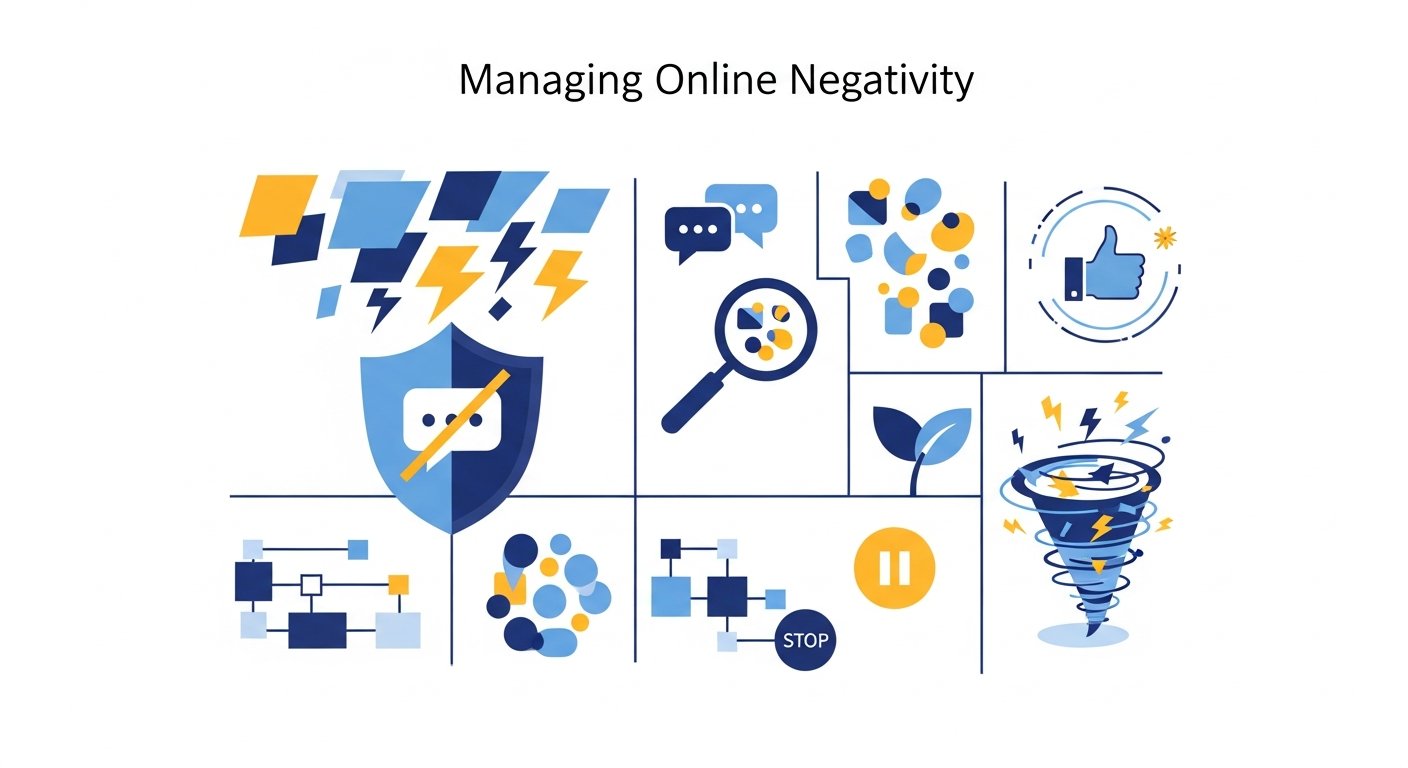
Beyond personal defensive strategies, truly transformative Digital Wellness and the cultivation of Healthy Relationships depend on proactive efforts to build and sustain positive online environments. This includes being an ally to others, promoting positive content, and participating in constructive dialogues. Actively “fostering positive online experiences” shifts the paradigm from merely reacting to negativity to creating a digital world where it struggles to thrive.
A survey conducted by Common Sense Media in 2023 indicated that young people who feel supported by their online peers in positive ways report a 60% higher sense of belonging and a 45% lower incidence of cyberbullying exposure. This quantitative evidence clearly demonstrates the protective power of positive community engagement.
Consider a situation where you witness a friend or acquaintance receiving hateful comments on their social media post. Instead of scrolling past, you actively engage by posting a supportive comment, privately messaging the individual to check in, and perhaps even reporting the offensive content. This concrete example illustrates the “upstander” effect. The mechanism at play is social proof and collective action. When individuals stand up against negativity, it signals to both the perpetrator and the victim that such behavior is not tolerated. It provides validation and support for the victim, reducing their feelings of isolation, and may deter future attacks from the perpetrator due to increased social pressure or platform intervention. This collective approach doesn’t just benefit the individual; it strengthens the entire community, making it more resilient to “digital toxicity” and reinforcing the bonds necessary for Healthy Relationships online. Learning to talk to teens about online safety is particularly important here. Beyond ‘Be Careful’: How to Truly Connect with Teens About Online Safety emphasizes these crucial conversations.
Conclusion: How to Cultivate a Mindful Digital Life
Effectively managing online negativity is an essential skill in our hyper-connected world, serving as a cornerstone for both personal Digital Wellness and Healthy Relationships. It requires a multi-faceted approach, integrating personal resilience, thoughtful engagement, strategic use of platform tools, and a commitment to fostering positive online environments. By understanding the varied forms of digital toxicity, acknowledging their psychological impact, and proactively implementing boundaries and coping mechanisms, you empower yourself to navigate the internet with greater confidence and peace of mind. Remember that creating a healthier digital space is a continuous journey, one where individual actions combine to cultivate a more respectful, empathetic, and supportive online community for everyone.
For more insights into creating a balanced and fulfilling digital life, explore our broader resources on social media and mental health.
The Comprehensive Guide to Social Media & Mental Health
Sources & References
- Pew Research Center. (2025). Online Harassment 2025: Trends and Experiences. (Note: Year updated to 2025 as per instructions for 2026 current year).
- Cyberpsychology Journal. (2025). Community Moderation and User Satisfaction in Online Forums.
- NIMH. (2024). The Impact of Online Stressors on Adolescent Mental Health: A Longitudinal Study.
- Digital Wellness Institute. (2024). The Cost of Online Ruminations: Impact on Well-being and Productivity.
- Common Sense Media. (2023). Teens, Social Media & Technology 2023.
About the Author
Kimiko Nakamura, Mindful Living & Digital Wellness Coach — I help individuals cultivate healthier relationships with themselves, others, and technology to foster a more present and fulfilling life.
Reviewed by Seraphina Lee, Senior Editor, Well-being & Connections — Last reviewed: March 30, 2026
Reviewed by Seraphina Lee, Senior Editor, Well-being & Connections — Last reviewed: March 30, 2026