
The Unique Landscape of Long-Distance Relationships: Challenges and Opportunities
Embarking on or maintaining a long-distance relationship is an act of profound courage and commitment. Unlike traditional relationships where proximity allows for spontaneous dates, shared chores, and comforting physical touch, LDRs operate on a different set of rules. The absence of a partner’s physical presence can lead to a host of emotional and practical hurdles. Couples often grapple with feelings of loneliness, insecurity, and frustration, compounded by the logistical complexities of travel, time zone disparities, and differing schedules. However, these challenges, when addressed proactively and with mutual understanding, can also forge an incredibly strong, resilient, and deeply communicative partnership.
One of the primary challenges is the lack of shared daily experiences. Much of a couple’s bond in a proximate relationship is built on the mundane: cooking dinner together, running errands, or simply being in the same room. In an LDR, these small, reinforcing moments are absent, necessitating a conscious effort to create new forms of shared experiences. Furthermore, miscommunication can be amplified across digital channels. Without the benefit of body language, tone of voice can be misinterpreted, and intentions can be misunderstood, leading to unnecessary conflict. The financial and emotional toll of travel, coupled with the inevitable goodbyes after visits, also weighs heavily on both partners.
Despite these difficulties, LDRs offer unique opportunities for personal growth and relationship development. They often foster exceptional communication skills, as partners are forced to articulate their thoughts and feelings more clearly. They can cultivate a deep sense of trust and independence, as each individual learns to navigate their life while remaining committed to their partner. The anticipation of reunions can inject excitement and renewed passion into the relationship, making every moment together feel precious. By understanding these inherent challenges and embracing the potential for growth, couples can lay a robust foundation for a successful long-distance journey.
Laying the Foundation: Essential Pillars for Long-Distance Relationship Success
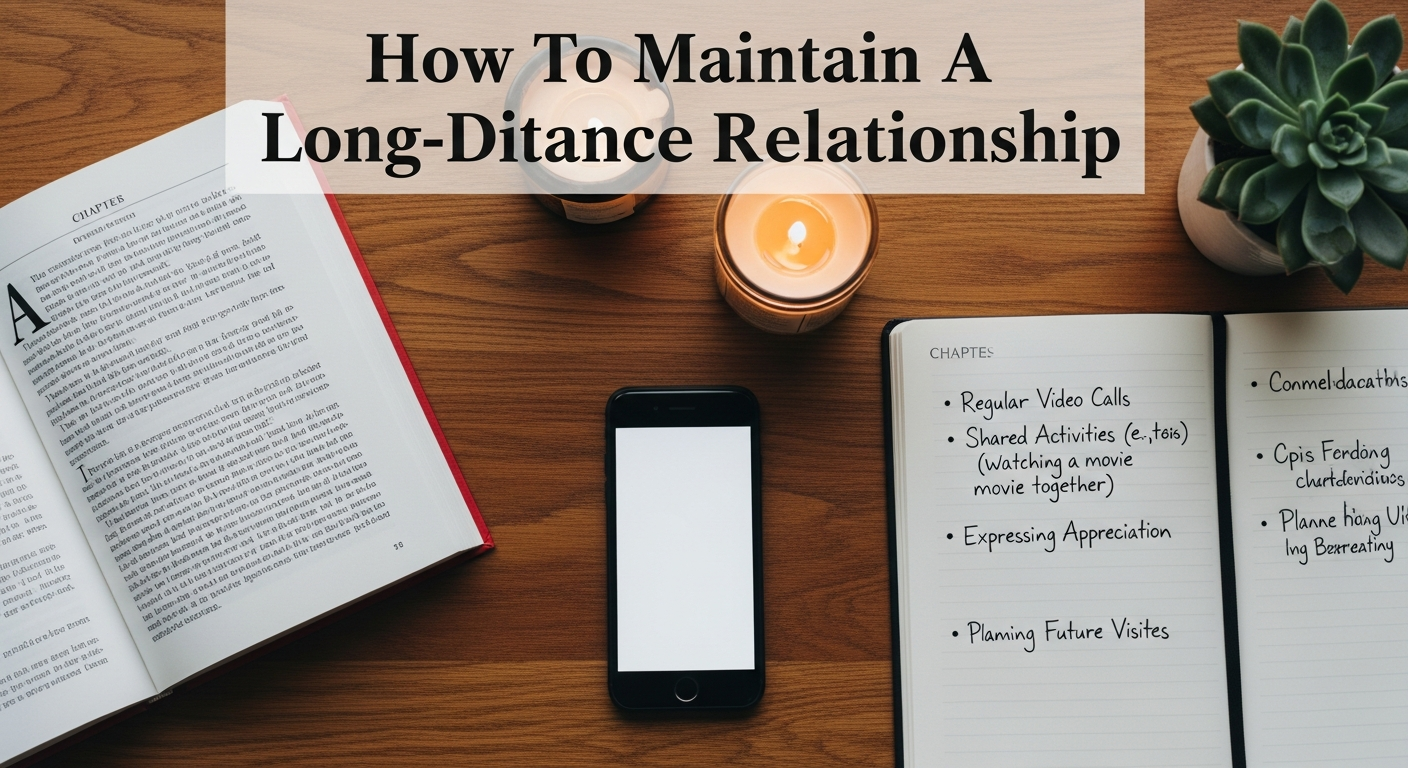
Just like any strong structure, a successful long-distance relationship requires a solid foundation built on key principles. Without these foundational pillars, the challenges of distance can quickly erode even the most loving connections. Establishing these early on, and consistently reinforcing them, is paramount for navigating the complexities of an LDR effectively, ensuring your relationship thrives into 2026 and beyond.
- Trust and Transparency: This is arguably the most critical pillar. In an LDR, where you can’t always be physically present, trust becomes the bedrock. Both partners must cultivate unwavering faith in each other’s commitment and honesty. This means being transparent about your daily life, your feelings, and any concerns that arise. Secrecy, no matter how small, can breed suspicion and insecurity, which are incredibly difficult to overcome when distance is a factor.
- Clear Communication of Expectations: Misalignment of expectations is a silent killer of LDRs. Discuss openly what each of you expects from the relationship: how often you’ll communicate, what your boundaries are, how you’ll handle jealousy or loneliness, and what your long-term goals are. Are you both on the same page about the future of the relationship? A lack of clarity can lead to resentment and unmet needs.
- Mutual Commitment and Defined Future: Both partners must be equally invested in making the relationship work. An LDR cannot survive if one person is half-hearted. More importantly, have a clear, shared vision for the future. Is there an end date to the distance? Are you working towards living in the same place? Knowing there’s a light at the end of the tunnel provides hope, motivation, and a tangible goal to work towards. Without this, the endless nature of distance can become disheartening.
- Independence and Personal Growth: While commitment is vital, so is individuality. An LDR provides an excellent opportunity for personal growth. Encourage each other to pursue hobbies, careers, and friendships. A healthy LDR consists of two individuals who are thriving independently, bringing richness and new experiences back to the shared relationship. Don’t let your entire identity become solely wrapped up in your long-distance partner.
- Empathy and Understanding: Recognize that both partners will experience different challenges and emotions due to the distance. Be empathetic to their struggles, whether it’s a difficult day at work or simply a wave of loneliness. Listen actively and validate their feelings, even if you can’t physically be there to comfort them. Understanding and supporting each other emotionally bridges the physical gap.
By consciously building and nurturing these foundational pillars, you create a robust framework that can withstand the unique pressures of a long-distance relationship, allowing your connection to deepen and flourish despite the miles separating you.
Mastering Communication Across Miles: Strategies for How To Communicate Better Relationships
Prioritize Quality Over Quantity
It’s a common misconception that more communication is always better. While regular contact is crucial, the depth and quality of your interactions far outweigh their frequency. Instead of endless, superficial texts, aim for fewer, more meaningful conversations. Schedule dedicated times for video calls where you can fully focus on each other without distractions. Share your day not just factually, but emotionally. What made you laugh? What frustrated you? What are you looking forward to? This fosters true intimacy and understanding.
Diversify Your Communication Channels
Don’t limit yourselves to just one or two forms of communication. While video calls are invaluable for seeing facial expressions, mix it up. Send thoughtful emails detailing your week, sharing photos, or expressing your love in a more reflective way. Record voice notes for a personal touch. Play online games together, watch movies simultaneously while on a call, or even send handwritten letters or small care packages. Each medium offers a different way to connect and can prevent communication from becoming monotonous or stale.
Practice Active Listening and Empathetic Responding
When you’re communicating remotely, it’s easy to get distracted. Make a conscious effort to practice active listening. Give your partner your full attention during calls. Ask follow-up questions, reflect on what they’ve said, and validate their feelings. Use phrases like, “It sounds like you’re feeling really overwhelmed right now,” or “I understand why that would be frustrating.” This shows you’re truly engaged and care about their experiences, building deeper emotional intimacy.
Set Clear Communication Expectations and Boundaries
Discuss and agree upon how often you both expect to communicate, and through what channels. Are daily good morning/good night texts essential? Is a long weekly video call a must? Be realistic about your schedules and time zone differences. Establishing these expectations prevents misunderstandings and feelings of neglect. Equally important are boundaries: when is it okay to call? When do you need personal space? Respecting each other’s needs for downtime is vital for maintaining individual well-being and preventing burnout in the relationship.
Master Conflict Resolution Remotely
Arguments are inevitable in any relationship, but in an LDR, resolving them can be trickier. Avoid discussing serious issues solely over text, as tone and intent are easily lost. Opt for a video call or a voice call where you can hear each other’s voices and see (or imagine) facial expressions. Focus on expressing your feelings using “I” statements rather than accusatory “you” statements. Take breaks if discussions become too heated, and always come back to the conversation with the goal of understanding and resolving, rather than winning. Remember, the goal is to strengthen the bond, not to create further distance.
By diligently applying these strategies, you can transform the challenge of distance into an opportunity to cultivate exceptionally strong and resilient communication, ensuring your long-distance relationship flourishes with understanding and deep connection.
Rekindling the Spark: How To Reconnect With Your Partner Across the Miles

One of the persistent anxieties in long-distance relationships is the fear of drifting apart, of the spark dimming under the weight of separation. However, distance does not have to mean disconnection. There are countless creative and intentional ways for How To Reconnect With Your Partner, maintaining intimacy, fun, and shared experiences despite the physical gap. The key is to be proactive and imaginative in weaving your lives together.
Virtual Date Nights: Reinventing Togetherness
Don’t underestimate the power of a well-planned virtual date. These aren’t just video calls; they are intentional experiences designed to mimic traditional dates. Cook the same meal simultaneously over video chat, light candles, and enjoy dinner together. Watch a movie or TV show at the same time, pausing to discuss scenes or share reactions. Play online board games or video games together. Take a virtual tour of a museum or a national park. Get dressed up, set the mood, and treat these dates with the same importance as you would an in-person one. The effort itself is a powerful act of connection.
Share Your Worlds: Beyond Just Talking
To truly reconnect, you need to feel like you’re part of each other’s daily lives. Go beyond simply recounting events. Share photos and videos of your day-to-day moments: a beautiful sunset, a funny encounter, a new coffee shop you discovered. Take your partner on a “virtual walk” through your neighborhood via video call. Introduce them to your friends or family during a group video chat. This helps your partner visualize your life and feel more integrated into your individual world, making your shared world feel more complete.
Surprise and Delight: Keeping the Excitement Alive
Spontaneity and surprises are wonderful ways to rekindle affection. Send a thoughtful gift in the mail – it doesn’t have to be expensive; a handwritten card, a favorite snack, or a book you think they’d enjoy can mean the world. Order them food delivery from their favorite local restaurant when they’re having a tough day. Send a bouquet of flowers or a small plant. These unexpected gestures demonstrate your love and thoughtfulness, showing that you’re thinking of them even when you’re apart.
Plan Future Visits and Adventures Together
Having something to look forward to is incredibly motivating. Actively plan your next visit, down to the details. Discuss what you’ll do, where you’ll eat, and what experiences you want to share. This collaborative planning strengthens your bond and provides a tangible goal. Beyond visits, dream about your future together. Discuss potential trips, career goals, or even future living arrangements. This shared vision reinforces your commitment and reminds you both that the distance is temporary, making every moment of waiting feel more worthwhile.
Intimacy Beyond the Physical: Emotional and Intellectual Connection
Physical intimacy is a significant part of any relationship, and its absence can be challenging in an LDR. However, refocusing on emotional and intellectual intimacy can be incredibly powerful. Engage in deep conversations about your values, fears, dreams, and vulnerabilities. Read the same book and discuss it. Share articles or podcasts that resonate with you. Explore new topics together. This intellectual and emotional closeness creates a profound bond that transcends physical distance, ensuring that when you are together, the physical intimacy is enhanced by a rich, shared inner world.
By consciously integrating these strategies, you can ensure that your long-distance relationship remains vibrant, exciting, and deeply connected, allowing you to continually reconnect and deepen your love regardless of the miles between you.
Navigating Technology Wisely: Tips For Healthy Technology Use in LDRs
In the era of digital communication, technology is both the greatest enabler and a potential pitfall for long-distance relationships. While video calls, messaging apps, and social media bridge geographical gaps, unmindful technology use can ironically create new forms of distance and misunderstanding. For a blog like Stop Phubbing, advocating for mindful living, it is essential to equip LDR couples with robust Tips For Healthy Technology Use, ensuring that devices enhance rather than detract from their connection, especially as we look towards 2026.
Set Clear Digital Boundaries and Expectations
Just as you set boundaries for personal space, define them for your digital interactions. Discuss how often you expect to text or call, and what times are off-limits due to work, sleep, or other commitments. For instance, agree that evenings are for focused video calls, while work hours might be limited to quick texts. This prevents one partner from feeling overwhelmed by constant pings or the other from feeling neglected. Respecting these boundaries is crucial for preventing digital fatigue and fostering a sense of security.
Combat Phubbing: Be Present During Virtual Interactions
The core principle of Stop Phubbing is particularly vital in LDRs. When you’re on a video call or even a voice call with your long-distance partner, make a conscious effort to be fully present. Avoid scrolling through social media, checking emails, or engaging with other apps on your phone or computer. Phubbing – snubbing your partner in favor of your phone – is just as damaging, if not more so, in a virtual context. It sends a message that they are not your priority, eroding trust and intimacy. Put your phone away, close unnecessary tabs, and give your partner your undivided attention. This act of mindful presence is a powerful affirmation of your commitment.
Diversify Your Digital Communication Methods
While video calls are excellent, relying solely on one form of digital interaction can lead to monotony. Mix it up! Use messaging apps for quick check-ins, email for longer reflections or sharing articles, voice notes for a personal touch, and shared online documents for collaborative planning. Explore apps designed for couples, like shared calendars, photo albums, or even virtual drawing boards. This variety keeps communication fresh and engaging, utilizing technology’s full potential without over-relying on a single, potentially draining, channel.
Embrace Digital Detoxes Together and Individually
Paradoxically, sometimes the best way to strengthen your digital connection is to temporarily disconnect. Schedule “digital detox” periods, both individually and as a couple. This might mean agreeing not to text for a few hours while one of you focuses on a hobby, or even planning a weekend where you both minimize screen time. This encourages you to live in the moment, pursue individual interests, and return to digital communication with renewed energy and appreciation. It also reinforces the idea that your relationship is not solely dependent on constant digital presence, but on a deeper, underlying connection.
Mindful Social Media Use and Boundaries
Social media can be a double-edged sword. While it allows you to share aspects of your life, it can also breed comparison or insecurity. Discuss your boundaries regarding social media. Are you comfortable with each other posting about the relationship? How much information are you comfortable sharing? Avoid excessive scrolling through your partner’s feed or comparing your relationship to others you see online. Focus on using social media as a tool for connection and sharing, rather than a source of anxiety or an excuse for digital phubbing during your dedicated communication time.
By implementing these thoughtful Tips For Healthy Technology Use, LDR couples can transform their digital tools from potential distractions into powerful instruments for connection, ensuring their relationship thrives with authenticity and presence, even across vast distances, well into 2026.
Building a Future: Vision, Commitment, and Planning in Long-Distance Relationships
A long-distance relationship cannot merely exist in the present; it must constantly look towards the future. Without a shared vision and concrete plans to eventually close the distance, the emotional toll can become overwhelming, turning a temporary arrangement into an indefinite, draining waiting game. Therefore, intentional planning and unwavering commitment to a future together are not just hopeful gestures, but practical necessities for LDR survival and flourishing.
Defining Your Shared Future: The End Goal
The most crucial aspect of future planning is establishing a clear, mutually agreed-upon “end date” or a specific plan for when and how the distance will close. This doesn’t have to be an exact calendar date, but it needs to be a concrete strategy: “We will move in together after I finish my degree in 2026,” or “We will re-evaluate our options to live in the same city within the next two years.” This shared goal provides a powerful source of motivation and hope, transforming the current challenges into steps towards a brighter, shared reality. Without this endpoint, the relationship can feel like it’s perpetually in limbo, leading to exhaustion and doubt.
Collaborative Planning: A Team Effort
The transition from long-distance to proximity is a significant undertaking, often involving career changes, relocation, and financial adjustments. This planning must be a collaborative effort. Discuss logistics openly: Who will move where? What are the financial implications? How will you handle job searches or housing? Working through these details together reinforces your partnership and ensures both individuals feel invested and heard in the decision-making process. Use shared documents, calendars, or project management tools to keep track of plans and progress, making the abstract future feel more tangible.
Financial Planning for the Future
Long-distance relationships can be expensive, with travel costs, international calls, and gifts. Beyond the immediate expenses, it’s vital to discuss and plan for the financial aspects of your shared future. Are you saving for relocation? Are you pooling resources for a down payment on a home? Open and honest discussions about finances, budgeting, and shared financial goals are crucial. This not only prepares you practically but also builds a strong foundation of trust and shared responsibility, essential for any long-term partnership.
Adapting to Change and Embracing Flexibility
Life is unpredictable, and even the best-laid plans can encounter obstacles. Be prepared for flexibility and adaptation. A job opportunity might arise for one partner in an unexpected location, or personal circumstances might shift. While having a plan is important, maintaining a degree of flexibility and a willingness to adjust together is equally vital. The strength of your commitment will be tested not just by the distance, but by how you navigate unforeseen changes as a team, always keeping your shared future as the guiding star.
Regularly Reaffirming Commitment
Beyond the grand plans, it’s important to regularly reaffirm your commitment to each other and to the shared future. This can be through small gestures: a heartfelt message, a thoughtful gift, or simply expressing your love and dedication during a call. These constant reassurances help to quell insecurities and remind both partners why they are enduring the distance. Celebrate small milestones in your journey towards closing the gap, reinforcing that every step you take is a step closer to being together permanently.
By proactively engaging in future planning, maintaining open communication about your goals, and consistently reaffirming your commitment, you transform the temporary nature of an LDR into a powerful journey towards a lasting and united partnership, ensuring your efforts culminate in a shared life well into 2026 and beyond.
Nurturing the Self: Individual Growth and Well-being in Long-Distance Relationships
While an LDR is inherently about two people, the health and vibrancy of the relationship are profoundly dependent on the individual well-being and growth of each partner. Neglecting personal development or sacrificing individual needs in the name of the relationship can lead to resentment, burnout, and an eventual weakening of the bond. A strong LDR is comprised of two strong individuals who are thriving independently, bringing their best selves to the partnership.
Embrace Your Independence and Personal Passions
One of the unexpected gifts of an LDR is the forced opportunity for independence. Use this time to delve into personal passions, hobbies, and interests that you might otherwise neglect. Pursue that new skill, join a club, or spend time on activities that genuinely energize you. Having a rich individual life not only makes you a more interesting person but also prevents you from becoming overly dependent on your partner for all your emotional needs. When you connect, you’ll have more to share and discuss, enriching your conversations.
Prioritize Self-Care and Mental Health
Loneliness, anxiety, and frustration are common emotions in LDRs. It is absolutely crucial to prioritize your mental and emotional well-being. This means establishing a consistent self-care routine: regular exercise, healthy eating, sufficient sleep, and engaging in stress-reducing activities like meditation or journaling. Don’t hesitate to seek support from friends, family, or even a therapist if you’re struggling. A healthy individual is better equipped to manage the unique stresses of an LDR and contribute positively to the relationship.
Maintain Strong Local Support Systems
While your partner is your primary emotional anchor, it’s vital to have a robust local support network. Spend quality time with friends and family. Share your LDR experiences with trusted individuals who can offer empathy, advice, or simply a distraction. Leaning on your local community prevents isolation and ensures you have a diverse range of social interactions, reducing the pressure on your long-distance partner to fulfill all your social and emotional needs.
Set Personal Goals and Achieve Them
Use the time apart to focus on personal goals – whether they are career-related, educational, or personal development milestones. Achieving these goals builds self-confidence, provides a sense of accomplishment, and makes you feel more fulfilled. When you share your successes with your partner, it inspires them and reinforces the image of you as a capable and driven individual, contributing positively to the overall dynamic of the relationship. Celebrate each other’s achievements, both big and small, as they are a testament to your individual strengths that enrich your shared bond.
Communicate Your Individual Needs
Just as you communicate about relationship needs, be open about your individual needs with your partner. If you’re feeling overwhelmed, need more alone time, or are struggling with a particular challenge, articulate this clearly. A supportive partner will understand and respect your need for space or assistance. This honesty fosters a relationship where individual growth is encouraged and celebrated, rather than seen as a threat to the partnership.
By consciously nurturing your individual self, prioritizing well-being, and fostering a rich personal life, you not only make the distance more manageable but also cultivate a more resilient, fulfilling, and sustainable long-distance relationship, ensuring both partners flourish independently and together, looking forward to a stronger shared future in 2026.
Frequently Asked Questions
Recommended Resources
You might also enjoy Does Music Lower Cortisol Levels from Heartbeat Reggae.
Related reading: Grief Stages And Healing Timeline (Heartbeat Reggae).