

Understanding the Roots of Impatience in Parenting
Before we can cultivate greater patience, it’s essential to understand its adversaries. Impatience in parenting rarely stems from a lack of love; more often, it’s a symptom of deeper stressors and unaddressed needs. Recognizing these underlying factors is the first crucial step toward transforming your parental responses.
External Stressors and Modern Life
- The Relentless Pace of Modern Life: Parents today juggle more responsibilities than ever before. Work demands, household management, and the constant pressure to “do it all” leave many feeling perpetually depleted. When our reserves are low, our capacity for patience naturally diminishes.
- Financial Pressures: The weight of economic concerns can cast a long shadow over family life. Worries about bills, saving for the future, or unexpected expenses can elevate stress levels, making parents more irritable and less patient. Learning how to talk about money with partner effectively and collaboratively can significantly alleviate this stress, transforming a potential source of conflict into a foundation of shared understanding and problem-solving. When financial anxieties are openly discussed and managed, parents are better equipped to face daily challenges with a calmer demeanor.
- Lack of Adequate Sleep: It’s a well-known truth: sleep deprivation erodes patience. Chronic lack of rest impacts cognitive function, emotional regulation, and our ability to handle minor frustrations without an explosive reaction.
- Social Media Overload and Comparison Culture: The digital age, while offering connections, also presents unique challenges. Constantly scrolling through curated highlight reels of other families can lead to feelings of inadequacy and pressure, contributing to parental anxiety. The inability to truly manage anxiety from social media can leave parents feeling overwhelmed and less patient with the realities of their own imperfect, beautiful lives.
Internal Triggers and Emotional Baggage
- Unrealistic Expectations: Many parents harbor idealized visions of family life or child behavior. When reality inevitably falls short, frustration and impatience can quickly set in. Understanding that children are not miniature adults and have age-appropriate limitations is vital.
- Personal History and Unresolved Trauma: Our own childhood experiences significantly shape our parenting styles. If we grew up in environments where patience was scarce, or where emotional outbursts were common, we might unconsciously replicate those patterns. Identifying and working through these historical triggers is a profound step towards breaking generational cycles of impatience.
- Perfectionism: A desire for everything to be “just right” can be a major patience thief. When children inevitably create messes, make mistakes, or deviate from the plan, a perfectionist parent can quickly become exasperated.
- Lack of Emotional Regulation Skills: If we struggle to manage our own strong emotions, it’s incredibly challenging to model or teach emotional regulation to our children. Our reactions often mirror our internal state.
By shining a light on these contributing factors, we begin to see that impatience is not a moral failing but a signal that something needs attention, either externally in our environment or internally in our emotional landscape. Addressing these roots is foundational to cultivating lasting patience.
Cultivating Presence Through Mindful Parenting
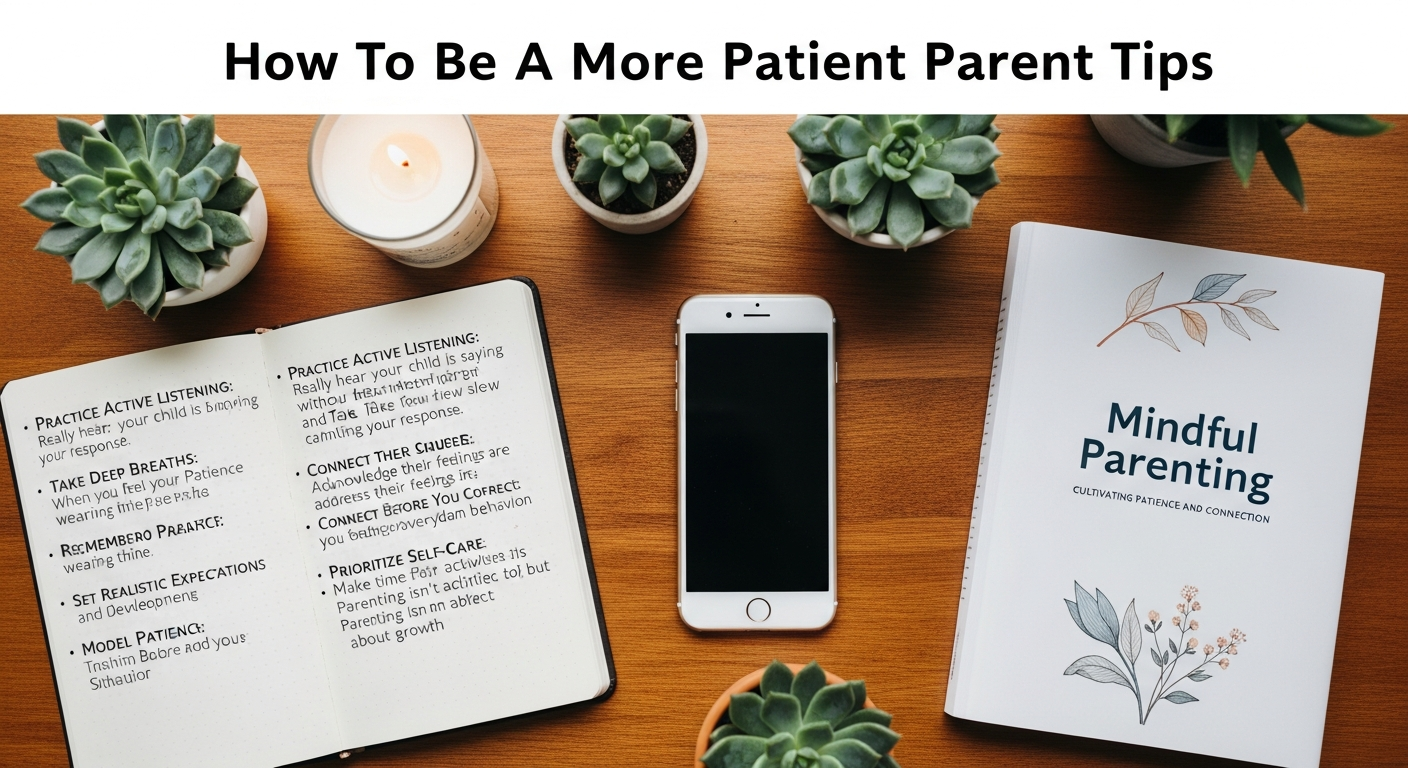
At the heart of the Stop Phubbing philosophy is the power of presence. For parents, this means not just being physically present, but being emotionally and mentally engaged with our children. Mindful parenting is a cornerstone of developing patience, allowing us to respond thoughtfully rather than react impulsively.
The Practice of Mindfulness for Parents
- Mindful Breathing: When you feel your patience wearing thin, take three deep, slow breaths. Inhale deeply through your nose, hold for a moment, and exhale slowly through your mouth. This simple act can interrupt the stress response, lower your heart rate, and create a small space for you to choose your reaction rather than being swept away by it. This is a foundational practice in how to be a more patient parent tips.
- Body Scan Awareness: Periodically check in with your body throughout the day. Notice where you’re holding tension – shoulders, jaw, stomach. Acknowledge it without judgment, and gently try to release it. This practice helps you become more attuned to your physical state, which is often a precursor to emotional states.
- Mindful Moments with Children: Dedicate short, intentional periods to be fully present with your child. Put away your phone, turn off the TV, and simply observe them. Listen without interrupting, watch them play, or engage in a shared activity without distraction. These moments not only build connection but also train your brain to be present, making it easier to access patience when things get tough.
Emotional Regulation and Self-Compassion
- Identifying Your Triggers: Keep a mental or physical note of what situations or behaviors consistently test your patience. Is it whining? Sibling squabbles? Mornings? Knowing your triggers allows you to anticipate them and develop proactive strategies.
- Creating a Pause Button: Before reacting to a challenging situation, consciously create a brief pause. This might involve physically stepping away for a moment (if safe), counting to ten, or using a calming mantra. This pause is where you reclaim control.
- Practicing Self-Compassion: Parenting is hard, and you will make mistakes. Instead of dwelling on guilt or self-criticism, practice self-compassion. Acknowledge your struggles, offer yourself the same kindness you would offer a friend, and remind yourself that you are doing your best. Self-compassion is a powerful antidote to the self-imposed pressure that often fuels impatience.
- Processing Your Own Emotions: Children’s behaviors often trigger our own unresolved emotions. Learning to identify and process these feelings – perhaps through journaling, talking to a trusted friend or therapist, or even simply acknowledging them – prevents them from unconsciously dictating our reactions to our children.
By integrating mindfulness into your daily life, you develop a stronger internal compass, allowing you to navigate the tempestuous waters of parenting with greater calm and intentionality. This shift from reactive to responsive parenting is a profound step in learning how to be a more patient parent tips.
Practical Strategies for Cultivating Patience Daily
Setting Realistic Expectations
- For Your Children: Understand developmental stages. A two-year-old cannot reason like a five-year-old, and a ten-year-old cannot always regulate emotions like an adult. Educate yourself on what to realistically expect from children at different ages and stages. This awareness significantly reduces frustration.
- For Yourself: Let go of the myth of the “perfect parent.” Accept that there will be messy moments, bad days, and times when you fall short. Prioritize progress over perfection. Acknowledging your humanity makes it easier to extend grace to your children.
- For Your Day: Don’t overschedule. Build in buffer time for transitions, unexpected delays, and moments of calm. A rushed schedule is a breeding ground for impatience.
Structuring for Success
- Establish Predictable Routines: Children thrive on routine. When they know what to expect, they feel more secure and are less likely to resist or act out. Consistent meal times, bedtimes, and clear expectations around daily activities can drastically reduce power struggles and the associated loss of parental patience.
- Prepare Your Environment: A cluttered or chaotic environment can contribute to parental stress. Create child-friendly spaces where toys are easily accessible and clean-up is manageable. Proactively prepare for common challenges, such as having snacks ready for hungry children or activities planned for waiting times.
- Proactive Problem-Solving: Instead of waiting for a meltdown, anticipate potential issues. If you know your child gets cranky before dinner, offer a small, healthy snack. If car rides are difficult, have engaging activities ready. Being proactive prevents many patience-testing scenarios.
Effective Communication and Connection
- Active Listening: When your child is speaking, truly listen. Put down distractions, make eye contact, and reflect back what you hear. This validates their feelings and often de-escalates situations. “It sounds like you’re really frustrated that your tower fell down.” This is a key component of how to communicate better relationships within the family.
- Empathy and Validation: Acknowledge your child’s feelings, even if you don’t agree with their behavior. “I see you’re angry right now. It’s okay to feel angry, but it’s not okay to hit.” Validating their emotions helps them feel understood and can calm them down more quickly than immediate correction.
- Clear, Concise Instructions: When giving directions, be clear, simple, and direct. Avoid lengthy explanations or questions when you mean a command. “Please put your shoes on” is more effective than “Could you maybe think about getting your shoes on soon?”
- Use “I” Statements: Instead of accusatory “you” statements (“You always make such a mess!”), use “I” statements to express your feelings: “I feel frustrated when toys are left on the floor because someone could trip.” This focuses on your feelings and the impact, rather than blaming. This is a fundamental skill in how to communicate better relationships, not just with children, but with your partner and others.
- Connect Before You Correct: Before jumping to discipline, take a moment to connect with your child. A hug, a moment of eye contact, or a shared laugh can rebuild rapport and make them more receptive to guidance.
Taking “Patience Breaks”
- Designated Calm-Down Spaces: Teach your children (and yourself) the concept of a “calm-down corner” or a “patience place.” This isn’t a punishment but a safe space to regulate emotions. Model using it yourself when you feel overwhelmed.
- Brief Moments of Solitude: Even five minutes alone can reset your patience meter. Step into another room, take a quick walk around the block, or simply close your eyes and breathe deeply. Communicate to your child (if they’re old enough) that you need a moment to yourself and will return shortly.
- Leverage Small Windows of Opportunity: Use nap times, school hours, or even a child’s independent play to recharge. These aren’t just times for chores; they’re opportunities for you to rest, pursue a hobby, or simply sit in silence.
Implementing these practical strategies doesn’t eliminate all challenges, but it significantly reduces the frequency and intensity of patience-testing moments, making the journey of parenting more joyful and sustainable for 2026 and beyond.
Building a Resilient Support System
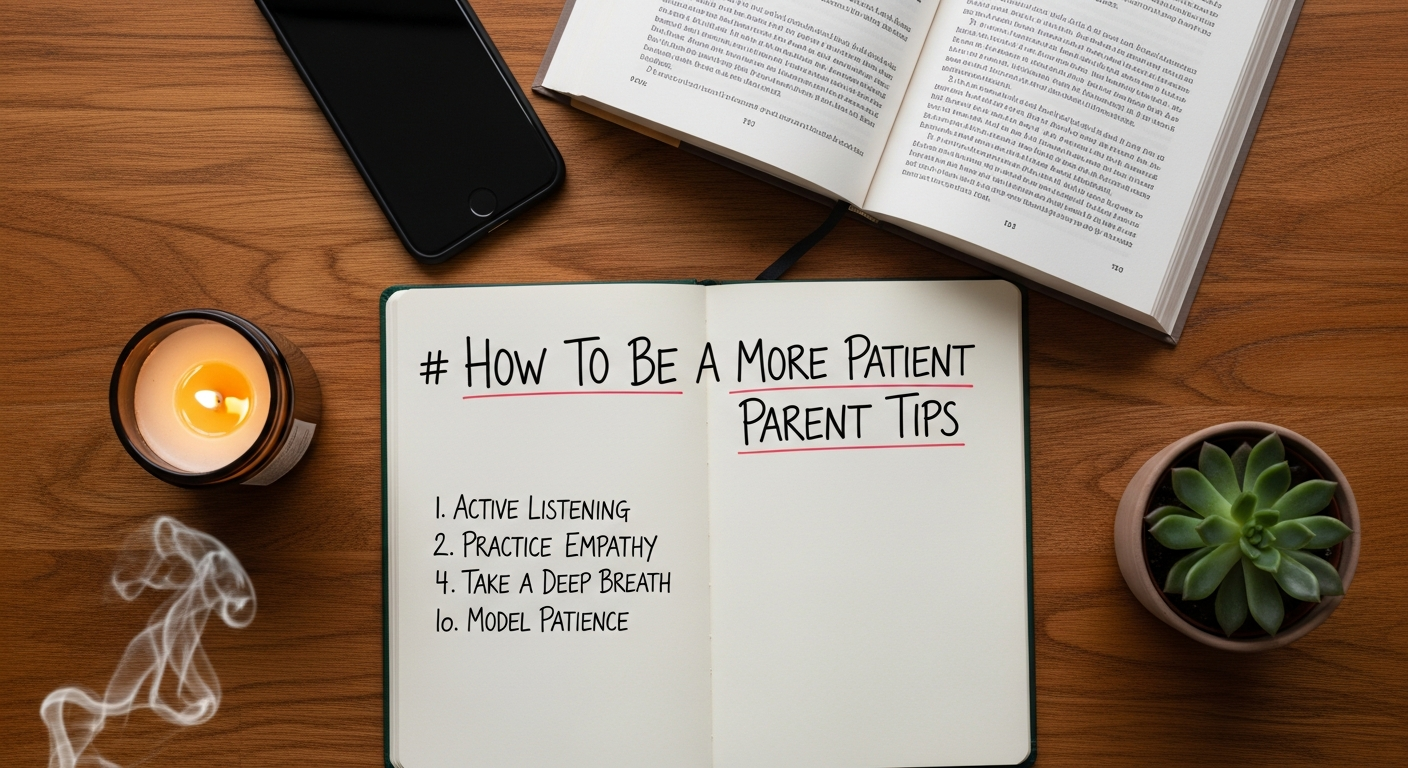
Parenting in isolation is a recipe for burnout and impatience. A strong support system acts as a buffer against stress, providing emotional fortitude and practical assistance. Cultivating these connections is a vital part of how to be a more patient parent tips.
Partner Support and Healthy Relationships
- Open Communication with Your Partner: A strong partnership is the bedrock of patient parenting. Regularly check in with your partner about your feelings, struggles, and needs. Practice active listening with each other and validate each other’s experiences. This continuous dialogue is critical for how to communicate better relationships in your co-parenting dynamic.
- Shared Parenting Load: Ensure that childcare and household responsibilities are equitably distributed. Resentment quickly builds when one partner feels overwhelmed and unsupported, leading to reduced patience for both children and the partner. Discussing and dividing tasks openly, perhaps even creating a visible chore chart, can prevent misunderstandings.
- Addressing Financial Stress Together: Money worries are a huge source of stress that can erode patience. Learning how to talk about money with partner in a calm, constructive way is essential. Set aside regular times to discuss your budget, financial goals, and any anxieties. Approaching financial challenges as a team, rather than individuals, strengthens your bond and reduces overall household tension, freeing up emotional energy for patience.
- Prioritizing Your Relationship: Make time for your relationship outside of parenting. Date nights, even at home, or simply dedicated time to talk and connect, remind you both that you are partners first. A strong couple unit is more resilient to the stresses of parenting.
External Support Networks
- Friends and Family: Lean on your trusted network. Share your struggles, ask for advice, or simply enjoy a moment of adult conversation. Grandparents, aunts, uncles, and close friends can offer invaluable support, whether it’s an hour of babysitting or a sympathetic ear.
- Parenting Groups and Communities: Connecting with other parents who understand your challenges can be incredibly validating. Whether online or in-person, these groups offer a space to share experiences, gain new perspectives, and feel less alone.
- Professional Help: Don’t hesitate to seek support from therapists or counselors if you’re struggling with chronic impatience, anxiety, depression, or relationship issues. A mental health professional can provide tools, strategies, and a safe space to process complex emotions.
Prioritizing Self-Care (Beyond the Basics)
- Adequate Sleep: This cannot be overstated. Make sleep a non-negotiable priority. If necessary, adjust schedules, ask for help, or go to bed earlier than your children sometimes.
- Nutritious Food and Hydration: Fueling your body properly provides sustained energy and helps regulate mood. Avoid relying on quick fixes like excessive caffeine or sugar, which can lead to energy crashes and irritability.
- Regular Exercise: Physical activity is a powerful stress reliever and mood booster. Even short walks can make a significant difference in your ability to manage stress and cultivate patience.
- Hobbies and Personal Interests: Beyond parenting, what brings you joy? Make time for activities that replenish your spirit, whether it’s reading, gardening, painting, or listening to music. These outlets provide a crucial sense of self and prevent parental burnout.
- Digital Detoxes: In line with Stop Phubbing’s mission, regularly disconnect from social media and digital distractions. This not only helps to manage anxiety from social media but also frees up mental space and time for more meaningful engagement with your family and yourself. Set boundaries around screen time and model mindful digital habits for your children.
A robust support system isn’t a luxury; it’s a necessity for patient, joyful parenting. It acknowledges that you cannot pour from an empty cup and ensures that you have the resources—emotional, practical, and social—to meet the demands of raising children.
The Transformative Power of Patient Parenting
Embracing the journey to become a more patient parent isn’t just about managing your reactions in the moment; it’s about fundamentally reshaping your family dynamics and fostering long-term well-being for everyone involved. The rewards extend far beyond the immediate calm.
Positive Impact on Child Development
- Enhanced Emotional Regulation in Children: When parents model patience and calm, children learn how to manage their own strong emotions. They internalize strategies for coping with frustration and disappointment, developing crucial emotional intelligence that will serve them throughout their lives.
- Increased Self-Esteem and Confidence: Children who are met with patience, understanding, and empathy feel seen and valued. This builds a strong sense of self-worth and encourages them to explore, take risks, and learn from mistakes without fear of harsh judgment.
- Stronger Problem-Solving Skills: Instead of being told what to do, children in patient households are often guided to think through problems themselves. This fosters critical thinking and resilience, empowering them to tackle challenges independently.
- Better Behavior and Cooperation: Ironically, patient parenting often leads to better behavior. When children feel understood and respected, they are more likely to cooperate and less likely to resort to defiance or attention-seeking behaviors.
Stronger Family Bonds and Relationships
- Deeper Connection and Trust: Patience builds trust. Children learn that their parents are a safe harbor, capable of handling their big emotions and guiding them with love. This fosters an open, honest relationship where children feel comfortable sharing their thoughts and feelings.
- Reduced Conflict and Stress: A home filled with patience is a calmer home. Less yelling, fewer power struggles, and more understanding lead to a significant reduction in overall family stress, creating a more harmonious environment for everyone.
- Positive Role Modeling: You are your child’s first and most important teacher. By demonstrating patience, you teach them invaluable life skills – empathy, resilience, emotional control, and respectful communication – that they will carry into their own relationships and future. This is a powerful demonstration of how to communicate better relationships within the family unit.
Personal Growth and Well-being for Parents
- Increased Self-Awareness: The journey to patience requires deep introspection, helping you understand your own triggers, emotional patterns, and unmet needs. This self-awareness extends beyond parenting into all areas of your life.
- Greater Resilience and Stress Management: As you practice patience, you develop stronger coping mechanisms for stress. You become less reactive to life’s inevitable curveballs, leading to a greater sense of calm and control.
- More Joy and Fulfillment: Patient parenting allows you to truly enjoy the fleeting moments of childhood. You’re less consumed by frustration and more present to appreciate the wonder, humor, and love that children bring into our lives.
- A Lasting Legacy: Imagine a future, perhaps in 2026 and beyond, where your grown children reflect on their childhood with warmth, remembering parents who, despite challenges, met them with understanding and love. This is the enduring legacy of patient parenting – raising individuals who are emotionally intelligent, resilient, and ready to navigate the world with kindness and strength.
The commitment to becoming a more patient parent is one of the most profound investments you can make – not just for your children, but for your own peace of mind and the lasting well-being of your entire family. It’s a continuous journey, but one rich with immeasurable rewards.
Conclusion
The path to becoming a more patient parent is not a destination but a continuous journey of learning, self-reflection, and intentional practice. It demands an understanding of our own triggers, a commitment to mindful presence, the implementation of practical strategies, and the cultivation of a robust support system. From recognizing the impact of external pressures and internal baggage, to actively engaging in mindful breathing, setting realistic expectations, and fostering open communication with both children and partners – including candid discussions on how to talk about money with partner – every step contributes to a calmer, more connected family life.
Furthermore, by actively choosing to manage anxiety from social media and prioritizing genuine connection over digital distraction, we embody the core values of digital wellness and mindful living championed by Stop Phubbing. The rewards of this journey are profound: children who thrive emotionally, stronger family bonds, and parents who experience greater joy and fulfillment. Remember, progress, not perfection, is the goal. Each moment you choose patience, each time you pause before reacting, you are building a more loving, resilient family for today and for the future, well into 2026 and beyond. Embrace the challenge, extend grace to yourself, and witness the transformative power of a patient heart.
Frequently Asked Questions
Recommended Resources
Check out Breathwork Techniques For Stress Relief on Heartbeat Reggae for a deeper dive.
Related reading: Music Therapy For Chronic Pain (Heartbeat Reggae).