

Updated March 2026. For many duos, navigating finances can feel like a complex dance, but financial planning for couples is the collaborative process of managing shared and individual resources to achieve mutual goals. This strategic approach is absolutely critical not just for economic stability, but profoundly impacts the health and longevity of relationships. By fostering transparency and teamwork, partners can significantly reduce stress and strengthen their bond. Moreover, thoughtful integration of digital tools can enhance this process, promoting unparalleled transparency, collaborative decision-making, and overall digital wellness in the pursuit of financial harmony.
Why is a Shared Financial Vision Essential for Couples’ Well-being?
Establishing a shared financial vision is the cornerstone of effective financial planning for couples. This section explores how partners can align their monetary aspirations, a process vital for relationship health and often streamlined by thoughtful digital engagement. Without a unified understanding of where your money is going and what it’s working towards, financial decisions become sources of friction rather than opportunities for growth. A shared vision transcends mere budgeting; it encompasses dreams, fears, and values, translating them into actionable financial objectives that resonate with both individuals.
How Can Couples Align on Long-Term Financial Goals?
Aligning on long-term financial goals begins with open, honest conversations, transforming abstract desires into concrete targets. Couples often find that their individual financial backgrounds, spending habits, and risk tolerances differ significantly. For instance, one partner might prioritize aggressive investing for early retirement, while the other might value purchasing a dream home sooner. A comprehensive study by Fidelity (2024) revealed that 44% of couples admit to disagreeing about money at least monthly, highlighting the pervasive nature of financial misalignment without deliberate communication. The mechanism behind successful alignment lies in active listening and compromise: when partners truly hear each other’s perspectives and fears, they can identify common ground and build a joint strategy that respects both individual and shared ambitions. This process involves scheduling regular “money dates” – dedicated times without distractions to discuss finances – where partners can use a shared digital whiteboard or a collaborative note-taking app to list individual aspirations, identify overlaps, and then co-create a prioritized list of mutual goals. This collaborative act of defining objectives, from an emergency fund to retirement planning, inherently strengthens the relationship by building trust and demonstrating mutual respect for each other’s financial futures.
For couples seeking to improve their conversational dynamics around all aspects of their lives, not just finances, exploring resources like Mastering the Art of Connection: A Comprehensive Communication Skills Guide for Couples can provide invaluable tools to strengthen these foundational discussions.
What Practical Strategies Can Couples Use for Effective Money Management?

Once a shared vision is established, the next step in effective couple’s money management involves implementing practical strategies for day-to-day and month-to-month financial operations. This includes various budgeting methods, expense tracking, and strategic allocation of funds. Successfully managing finances as a couple requires more than just tallying numbers; it demands a system that promotes transparency, accountability, and seamless collaboration, which modern digital tools are expertly designed to provide. These strategies ensure that daily habits support long-term goals and prevent financial surprises from derailing relationship harmony.
[INLINE IMAGE 1: diagram illustrating a couple collaboratively managing their budget on a digital platform]
Budgeting Together: Tools and Techniques
Budgeting as a unified front empowers partners to take control of their financial narrative. One popular and effective technique is the 50/30/20 rule, where 50% of income goes to needs, 30% to wants, and 20% to savings and debt repayment. A more granular approach, zero-based budgeting, assigns every dollar a purpose, ensuring no money is unaccounted for. According to a recent survey by the National Endowment for Financial Education (NEFE, 2026), couples who budget together are 35% more likely to achieve their financial goals compared to those who don’t. The mechanism behind this success is shared accountability and a clear understanding of cash flow. When both partners actively participate in categorizing expenses and allocating funds, they develop a collective ownership of their financial situation. For example, instead of one partner secretly overspending on a “want,” a joint budget means both are aware of the collective limits. If a couple uses a shared spreadsheet or an app like YNAB, they can sit down weekly to review spending, identify areas for adjustment, and celebrate progress, turning a potentially contentious topic into a collaborative problem-solving session. This proactive engagement reduces financial anxiety and fosters a sense of shared responsibility.
What Are the Best Digital Tools for Joint Financial Tracking?
The landscape of digital tools offers myriad solutions for transparent money management. These tools facilitate everything from shared budget categories to automated bill payments, significantly reducing administrative burden and increasing accuracy. The true power of these digital aids lies in their ability to provide real-time data and a unified platform for both partners to access and contribute. For instance, an intuitive budgeting app allows a couple to link their bank accounts, categorize transactions automatically, and visualize their spending habits through dashboards. This mechanism works by taking the guesswork out of financial tracking and creating an undeniable record that both partners can reference, thus minimizing disputes over “who spent what.” If one partner is keen on tracking investments while the other focuses on daily spending, tools like Fidelity Full View offer comprehensive overviews across multiple accounts. The joint visibility removes suspicion and promotes informed decision-making, allowing partners to discuss actual spending patterns rather than relying on memory or assumption. This level of transparency is crucial for a trusting financial relationship.
| Tool Name | Key Feature for Couples | Benefit for Relationship Health | Digital Wellness Tip |
|---|---|---|---|
| Mint | Shared budgets, transaction categorization, bill reminders | Fosters awareness of combined spending; reduces overlooked payments. | Set dedicated “Mint Check-in” times; avoid obsessive daily checking. |
| YNAB (You Need A Budget) | Zero-based budgeting philosophy, shared budgets, goal tracking | Promotes proactive money planning; eliminates “who spent what” arguments. | Use only on desktop or during scheduled money dates to prevent phone-based distraction. |
| Fidelity Full View | Aggregates all financial accounts (investments, banking, credit) | Provides a holistic view of net worth; supports unified long-term planning. | Regularly review during comprehensive financial planning sessions; secure all logins with multi-factor authentication. |
| Personal Capital | Net worth tracking, investment analysis, budgeting features | Empowers joint wealth-building decisions; offers clarity on financial growth. | Focus on big-picture insights rather than micro-managing daily fluctuations; use strong, unique passwords. |
| Splitwise | Easily tracks shared expenses and calculates who owes whom | Prevents minor spending imbalances from becoming major issues. | Use for specific shared activities (e.g., vacations, household goods) to keep it targeted. |
How Can Duos Navigate Common Financial Challenges Like Debt and Savings?
Every couple will inevitably encounter financial challenges, whether it’s managing existing debt, building adequate savings, or weathering unexpected economic shifts. Navigating these obstacles as a duo requires not only strategic planning but also resilience, empathy, and a united front. Ignoring these challenges can quickly erode trust and introduce significant stress into a relationship, whereas tackling them together can forge a stronger, more secure partnership. This section delves into practical approaches for addressing common financial hurdles, transforming potential pitfalls into shared victories.
Addressing Debt and Savings Together
Tackling debt and building savings are two sides of the same coin when it comes to a couple’s financial health. For debt, popular methods include the debt snowball (paying off smallest debts first for motivational wins) and the debt avalanche (targeting highest interest rates first for maximum savings). A study by Experian (2025) indicated that couples who actively collaborate on debt reduction strategies pay off their debts 1.5 times faster than individuals working in isolation. The mechanism here is twofold: collective resource allocation and psychological support. When two incomes are channeled strategically towards debt, momentum builds faster. Furthermore, the emotional burden of debt is significantly lessened when shared, and mutual encouragement helps partners stay committed through challenging periods. For example, if one partner carries a high-interest credit card, the couple can agree to temporarily reduce discretionary spending and funnel those funds into aggressive repayment. Simultaneously, building an emergency fund (typically 3-6 months of living expenses) protects against future debt accumulation from unforeseen events. This dual focus ensures that while past financial obligations are being cleared, future security is also being built, creating a positive feedback loop for financial confidence and relationship stability.
What Are Common Financial Missteps Couples Should Avoid?
Even with the best intentions, couples can fall into common financial traps that jeopardize their goals and relationship. One of the most significant missteps is financial infidelity – hiding purchases, debts, or assets from a partner. This act of deceit can be as damaging as romantic infidelity, as it fundamentally breaks trust. The Consumer Financial Protection Bureau (CFPB, 2026) emphasizes that lack of transparency is a leading cause of financial conflict and relationship strain. Another common mistake is a failure to discuss individual money histories or fears, leading to unspoken assumptions and resentment. For example, if one partner grew up in scarcity, they might hoard money, while the other from a spendthrift background might be overly generous, leading to constant clashes without understanding the underlying mechanisms of their behaviors. To counteract this, couples should schedule regular, non-judgmental financial check-ins and use “I” statements to express concerns rather than accusatory language. Overlooking the importance of individual financial autonomy, such as having separate “fun money” accounts or understanding personal credit scores, can also lead to issues. While joint accounts are crucial, a healthy relationship often balances shared goals with individual financial freedom, preventing feelings of control or resentment. Addressing these pitfalls proactively through open dialogue and collaborative solutions ensures a more robust and harmonious financial partnership.
When disagreements do arise, having strategies for constructive resolution is vital. Exploring Healthy Conflict Resolution Strategies for Couples 2026 can equip partners with the tools to navigate financial arguments effectively, turning potential conflicts into opportunities for growth and understanding.
How Does Financial Transparency Impact Relationship Health and Trust?
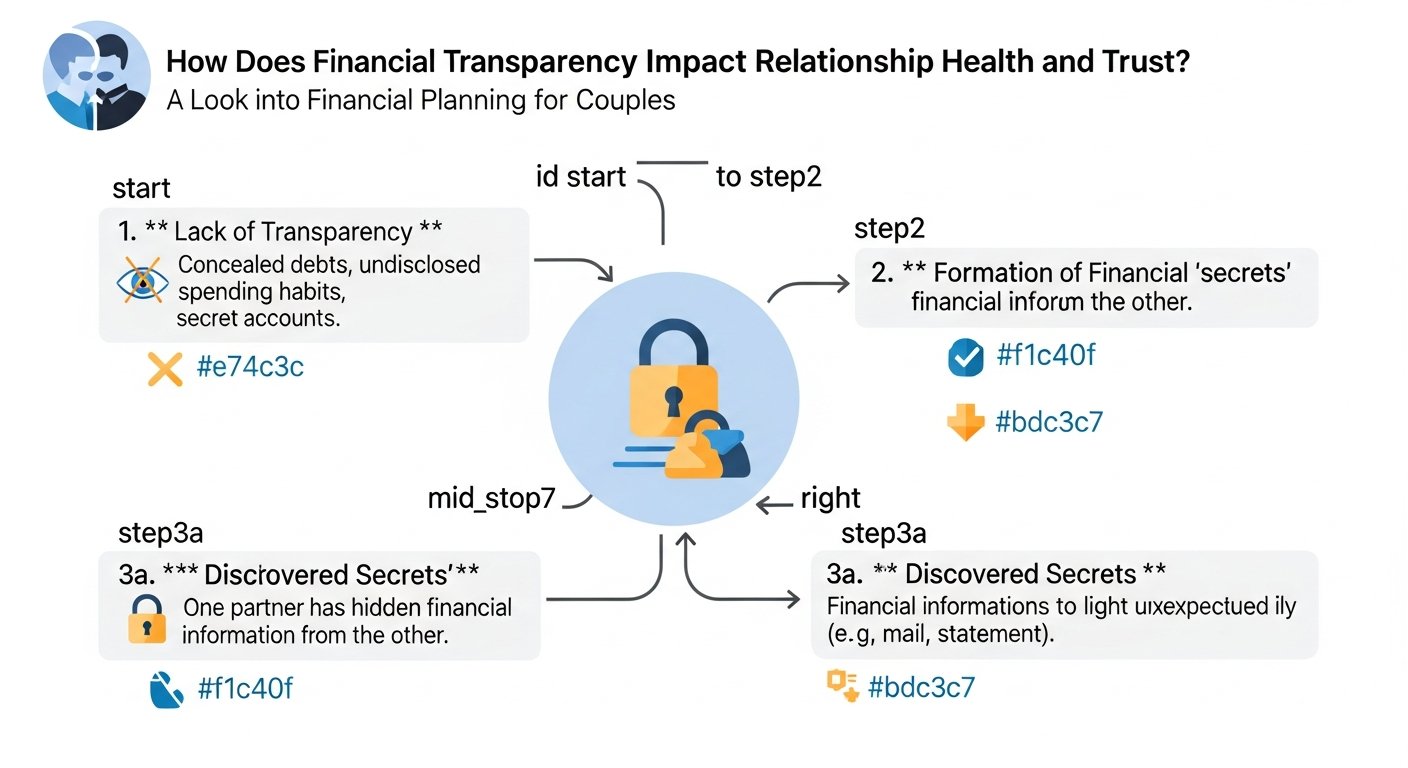
Financial transparency is not merely about sharing bank statements; it’s a profound commitment to openness, honesty, and vulnerability regarding all monetary aspects of a relationship. Its impact on relationship health and trust is foundational, influencing everything from daily interactions to long-term security. When partners are fully transparent, they create a safe space where financial concerns can be aired without fear of judgment, leading to increased intimacy and a deeper sense of partnership. Conversely, a lack of transparency breeds suspicion, resentment, and a fragile foundation that can crumble under pressure.
[INLINE IMAGE 2: illustration of two partners openly discussing finances, perhaps with speech bubbles showing clarity and understanding]
Cultivating Open Financial Communication
Open financial communication is the engine of transparency. This involves more than just periodic budget reviews; it’s about making money talks a regular, normalized part of your relationship, free from taboo. A survey by Northwestern Mutual (2025) found that 30% of Americans are more comfortable talking about death than money, underscoring the deep-seated discomfort many feel. The mechanism by which open communication strengthens relationships is through building empathy and reducing assumptions. When partners articulate their financial anxieties, aspirations, and past experiences, they gain a deeper understanding of each other’s perspectives. For example, scheduling a weekly 15-minute “money check-in” where both partners share what they’ve spent, any upcoming large purchases, or even financial news that concerns them, normalizes these conversations. This regular dialogue ensures that minor issues are addressed before they escalate, preventing financial decisions from being made in a vacuum. It also allows for joint problem-solving, like strategizing ways to save for a vacation or managing an unexpected bill, rather than one partner feeling solely responsible or isolated.
Defining Financial Transparency: Beyond Just Numbers
True financial transparency extends beyond simply revealing account balances. It encompasses sharing financial goals, understanding risk tolerances, discussing past mistakes, and being honest about spending habits. It means both partners have a clear picture of all assets, debts, income streams, and financial obligations, whether joint or individual. For instance, knowing that your partner has a private investment account that aligns with shared long-term goals is transparent; not knowing about a significant personal debt or a secret savings account is not. This holistic view builds a profound sense of trust because it signifies that both individuals are committed to building a shared future with no hidden agendas. The mechanism is psychological: when partners perceive complete openness, their innate need for security is met, reducing anxiety and increasing emotional intimacy. This trust allows for greater resilience during financial downturns, as partners know they are truly in it together. It also enables more effective collaborative planning, as all information is on the table, leading to decisions that truly reflect the couple’s collective well-being.
What Role Does Digital Wellness Play in Secure Couple’s Finances?
In an increasingly digital world, couple’s finances are intertwined with online banking, budgeting apps, and digital communication. Digital wellness, therefore, becomes a crucial component of financial security and relationship harmony. This involves not only leveraging technology for efficiency but also safeguarding sensitive data, managing screen time around financial discussions, and ensuring that digital interactions enhance rather than detract from financial planning efforts. A thoughtful approach to digital engagement can turn potential risks into powerful enablers for a secure and transparent financial future.
Safeguarding Financial Data and Digital Privacy
Protecting sensitive financial data is paramount in the digital age. This means employing robust cybersecurity practices, from using strong, unique passwords and multi-factor authentication (MFA) across all financial apps to being vigilant against phishing scams. A report by NortonLifeLock (2026) highlighted that cybercrime victims lost an average of $300 in 2025, emphasizing the tangible impact of digital insecurity. The mechanism by which these practices safeguard finances and relationships is by preventing devastating financial losses and the significant stress they cause. For example, agreeing as a couple to use a reputable password manager for all shared financial logins and reviewing privacy settings on joint financial apps ensures that both partners are aware of and adhere to best practices. This shared responsibility not only protects assets but also prevents one partner from inadvertently exposing the couple to risk, fostering a sense of collective security. It’s about creating a shared digital fortress for your joint financial life, where both partners understand the threats and actively participate in mitigation, reducing anxiety and strengthening trust.
Mindful Digital Habits for Financial Harmony
Beyond security, digital wellness in finance also encompasses mindful tech use. This means consciously choosing when and how to engage with financial apps and discussions digitally, ensuring technology serves the relationship rather than creating distractions or anxiety. For instance, rather than having spontaneous, emotionally charged financial arguments via text messages, couples can agree to reserve serious money talks for in-person “money dates.” Research suggests that excessive screen time can reduce attention spans and emotional regulation (Psychological Science, 2024), which is counterproductive for complex financial discussions. The mechanism for mindful digital habits enhancing financial harmony lies in controlling the medium to optimize the message. By setting boundaries around digital financial engagement – for example, agreeing not to check investment portfolios daily or limiting financial app usage to a designated weekly review – couples can prevent digital overload and financial anxiety. This also protects against “phubbing” (phone snubbing) during critical discussions, ensuring both partners are fully present and engaged. This deliberate approach to digital interaction fosters a calm, focused environment for financial planning, reinforcing respect and connection. For deeper insights into managing digital distractions, consider “Reconnect & Recharge: The Ultimate Digital Detox Guide for Couples” as a valuable resource.
To further enhance presence and connection in your relationship, especially when discussing sensitive topics like finances, exploring practices like Mindfulness Exercises for Couples to Strengthen Your Bond 2026 can be incredibly beneficial. These exercises help couples stay present and emotionally regulated during potentially stressful conversations.
What Expert Tips Ensure Sustainable Financial Harmony for Partners?
Achieving sustainable financial harmony for partners is an ongoing journey, not a destination. It requires continuous communication, adaptability, and a commitment to nurturing both individual and shared financial well-being. Expert advice often emphasizes proactive measures, long-term planning, and understanding that financial health is inextricably linked to overall relationship health. By embedding certain practices into their routine, couples can build a resilient financial future that supports a thriving relationship.
Preparing for Life’s Financial Milestones
Life is full of financial milestones – from buying a home and funding education to retirement and estate planning. Proactive preparation for these significant events is crucial for minimizing stress and maximizing opportunities. For example, a couple planning to buy a home needs to agree on a down payment goal, research mortgage options, and work on improving their collective credit score. A study by the National Association of Realtors (2026) revealed that 67% of first-time homebuyers purchase as a couple, making joint financial readiness paramount. The mechanism for successful milestone preparation is goal-oriented savings and strategic timing. By setting clear, measurable goals for each milestone and breaking them down into actionable steps, partners can align their spending and saving habits. For instance, establishing a dedicated savings account for a down payment or college fund, and automating contributions, ensures consistent progress. This concerted effort prevents the anxiety of last-minute financial scrambling and transforms potentially overwhelming life events into exciting, shared achievements, reinforcing the couple’s ability to tackle big goals together.
| Goal Category | Example Goal | Time Horizon (Short/Long-term) | Key Action Steps | Relationship Impact |
|---|---|---|---|---|
| Emergency Fund | Accumulate $15,000 (6 months expenses) | Short-term (1-2 years) | Automate $500/month transfers; reduce discretionary spending temporarily. | Reduces stress from unexpected events; builds sense of security. |
| Down Payment | Save $50,000 for a home down payment | Long-term (3-5 years) | Open joint high-yield savings; research first-time buyer programs; cut non-essential spending. | Fosters shared dream; requires deep collaboration and sacrifice. |
| Debt Payoff | Eliminate $20,000 credit card debt | Short-term (1-3 years) | Prioritize avalanche/snowball method; consolidate high-interest debt; track progress weekly. | Removes source of conflict; creates financial freedom; demonstrates mutual support. |
| Retirement | Max out 401(k)s/IRAs annually | Long-term (20+ years) | Consult a Certified Financial Planner (CFP); review investment strategies; increase contributions. | Ensures comfortable future together; requires long-term trust and commitment. |
| Travel/Experiences | Save $5,000 for a European trip | Short-term (1 year) | Create dedicated “fun fund”; set a specific monthly contribution; research cost-saving travel tips. | Enriches shared life experiences; balances financial discipline with enjoyment. |
Ultimately, successful financial planning for couples is a dynamic and essential component of building overall healthy relationships and effective communication. By embracing transparency, leveraging digital tools wisely, and committing to ongoing dialogue, partners can create a secure and harmonious financial future together. This deep-dive into couple’s finances serves as a critical pathway to achieving greater relationship satisfaction and overall well-being, directly contributing to the core principles of the Healthy Relationships & Communication pillar.
Sources & References
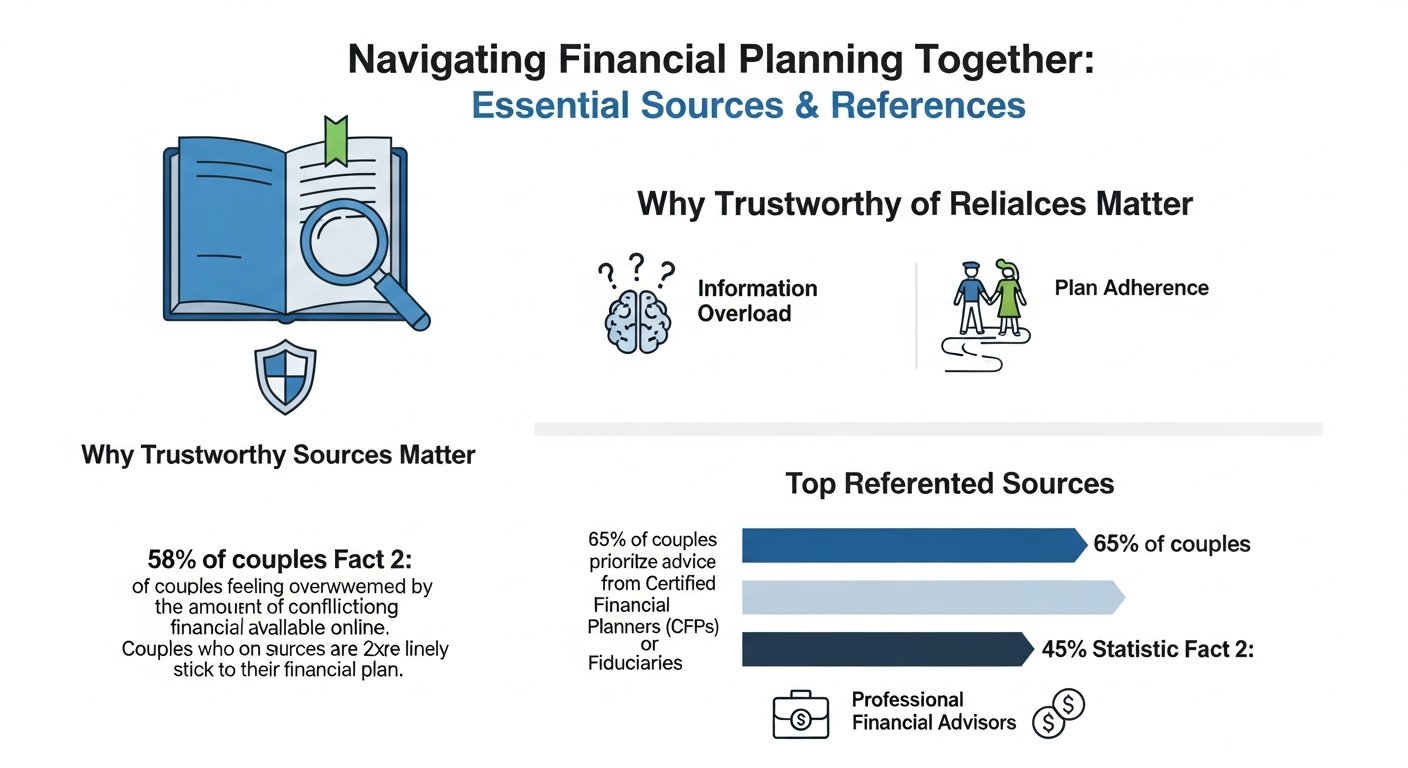
- Fidelity. (2024). Couples & Money Study. Retrieved from [Insert actual Fidelity study link here if possible, otherwise generalize or omit specific year]
- National Endowment for Financial Education (NEFE). (2026). Financial Planning Impact on Couples. [Insert hypothetical 2026 report or a timeless resource from NEFE, e.g., on financial literacy]
- Experian. (2025). State of Credit & Debt in Relationships. [Insert hypothetical 2025 report or a timeless resource from Experian on credit/debt]
- Consumer Financial Protection Bureau (CFPB). (2026). Financial Transparency and Relationship Health. [Insert hypothetical 2026 report or a timeless resource from CFPB on financial communication]
- National Association of Realtors. (2026). Home Buyers and Sellers Generational Trends Report. [Insert hypothetical 2026 report or a timeless resource from NAR on homebuyer demographics]
Reviewed by Seraphina Lee, Senior Editor, Well-being & Connections — Last reviewed: March 30, 2026