
The Art of Togetherness and Autonomy: Balancing Independence in Your Relationship
Understanding the Paradox: Why Independence Fuels Connection
The idea that “absence makes the heart grow fonder” holds a kernel of truth often overlooked in our hyper-connected lives. Many people mistakenly believe that true love means spending every waking moment together, sharing every thought, and having identical interests. This can lead to a phenomenon often termed “enmeshment,” where boundaries dissolve, and individual identities become intertwined to an unhealthy degree. While proximity and shared experiences are vital, an overemphasis on constant togetherness can ironically stifle the very connection it seeks to foster.
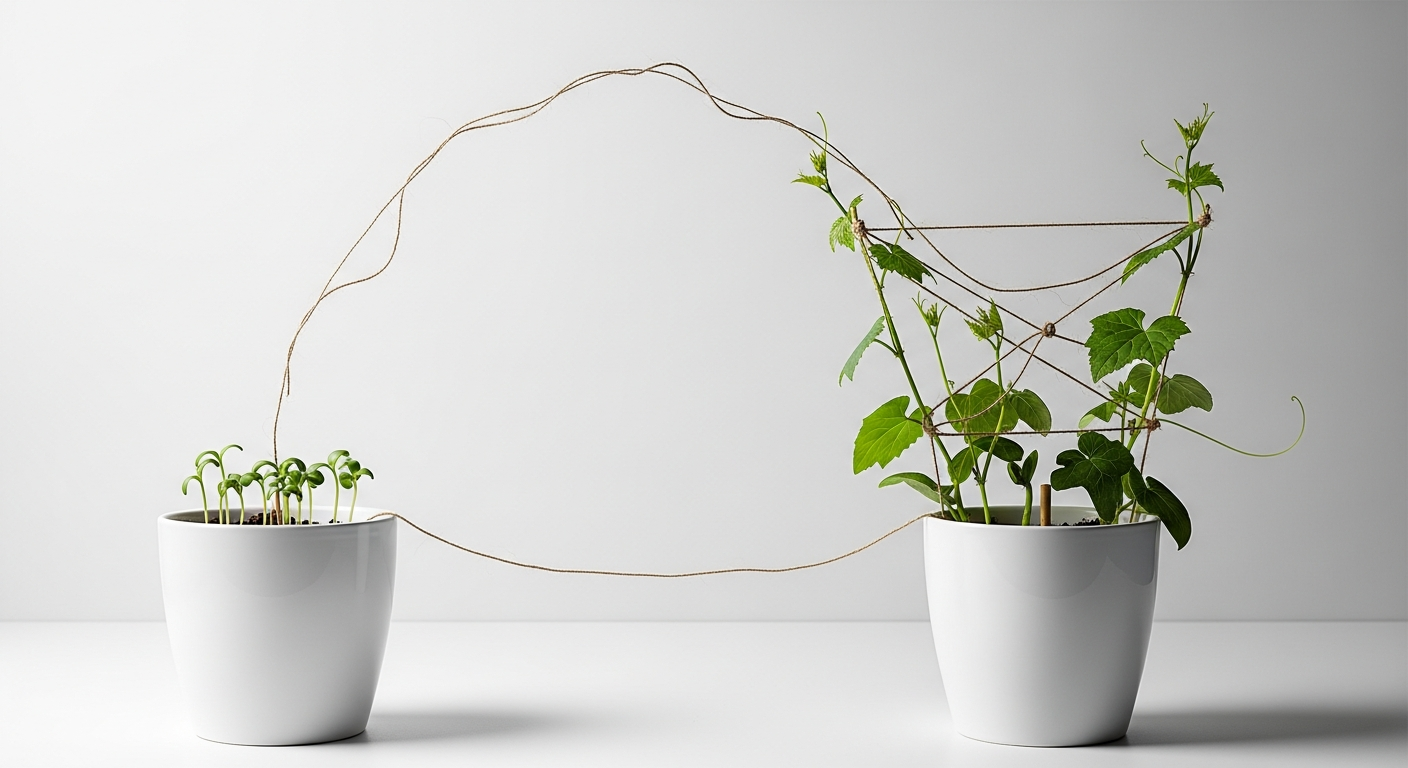
Psychologically, this desire for complete merging often stems from various places. Sometimes it’s a manifestation of anxious attachment, where one partner fears abandonment and seeks constant reassurance through proximity. Other times, it’s a learned behavior from societal narratives of romantic love that prioritize “oneness” over individuality. However, research consistently shows that healthy relationships are characterized by interdependence, not codependency. Interdependence means that while partners rely on each other for support, love, and companionship, they also maintain a strong sense of self, individual goals, and separate interests.
Dr. Sue Johnson, a leading expert in Emotionally Focused Therapy, highlights the importance of secure attachment, which paradoxically allows for greater autonomy. When individuals feel securely connected and loved, they are more confident to explore the world, pursue individual passions, and return to their partner with renewed energy and perspectives. This secure base provides the safety net that makes independence feel less like a threat and more like an exciting adventure. Without the space to grow independently, relationships can become stagnant, resentment can build, and partners may feel trapped or unfulfilled, eventually leading to a diminished connection rather than an enhanced one. Embracing independence isn’t a sign of disinterest; it’s a testament to the strength and security of your bond.
The Pillars of Healthy Autonomy: What Independence Looks Like
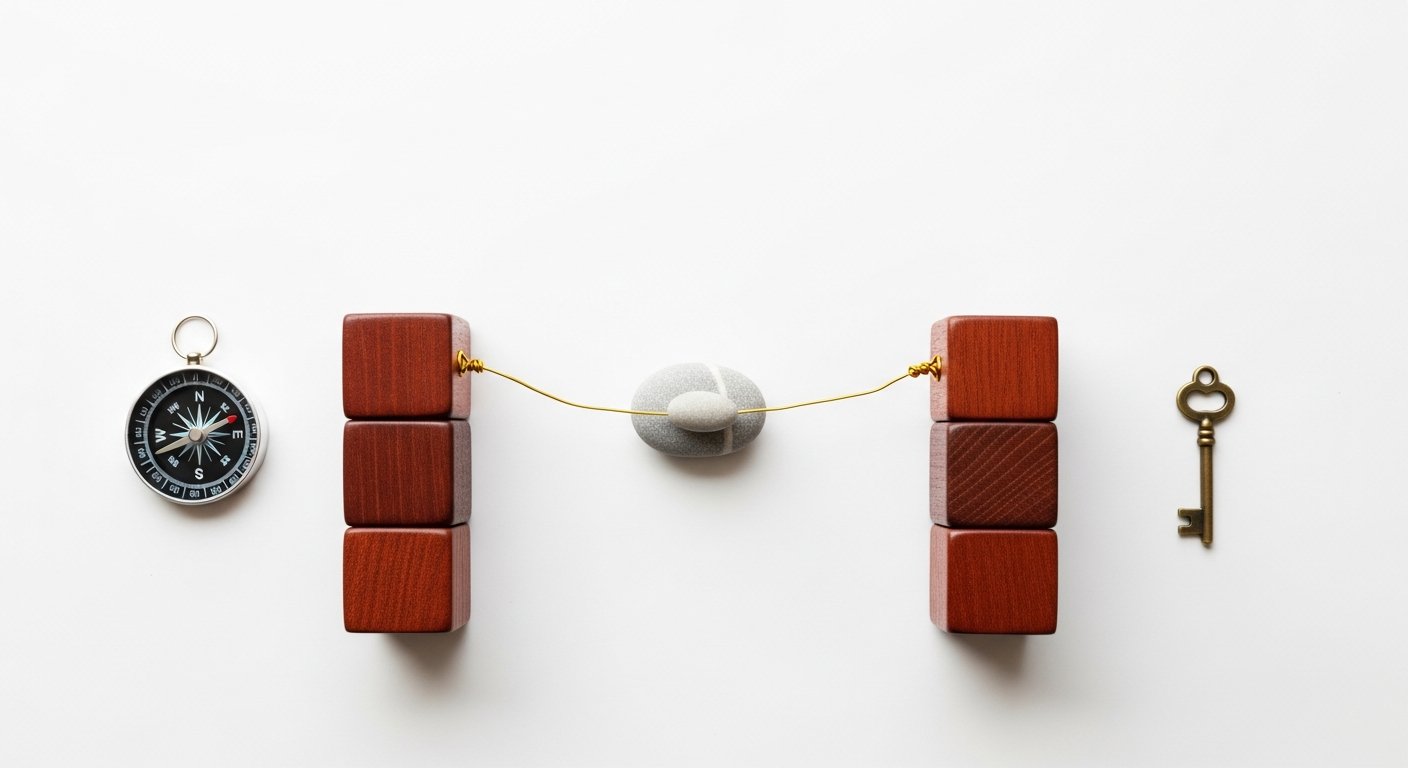
So, what does healthy independence actually look like in practice? It’s not about leading entirely separate lives, but about recognizing and respecting the need for individual space, pursuits, and relationships outside of the primary partnership. These pillars form the foundation of a relationship where both partners can thrive:
- Personal Space and Solitude: This isn’t just about having your own room, though that can help. It’s about having time and moments where you are solely focused on yourself – whether it’s reading a book, meditating, going for a solo walk, or simply enjoying quiet reflection. This “me time” allows for self-recalibration and prevents emotional burnout.
- Individual Hobbies and Passions: Pursuing interests that don’t necessarily involve your partner is crucial. Perhaps you love painting, they enjoy cycling, or you both have separate book clubs. These activities enrich your life, provide a sense of accomplishment, and give you unique experiences to share (or not share) with your partner.
- Separate Friendships and Social Circles: While shared friends are wonderful, maintaining individual friendships is vital. These relationships offer different perspectives, fulfill different social needs, and provide a support system beyond your partner. It’s healthy to have people you can confide in about things that may not directly involve your relationship.
- Personal Goals and Ambitions: Whether career-related, personal development, or creative endeavors, having individual aspirations gives you direction and purpose. Supporting each other’s separate goals, even if they sometimes require time apart, strengthens respect and admiration within the relationship.
- Financial Independence: While many couples pool resources, maintaining some degree of financial autonomy or at least having open conversations about individual financial goals can contribute to a sense of control and self-sufficiency.
Communication is Key: Expressing Your Needs for Space
The bridge between wanting independence and actually achieving it without causing friction is effective communication. This is where many couples falter, either assuming their partner knows their needs or fearing that expressing a desire for space will be interpreted as a rejection. Here’s how to navigate these crucial conversations:
- Use “I” Statements: Instead of accusatory language (“You’re always around”), focus on your feelings and needs. “I feel a bit overwhelmed and need some quiet time to recharge,” or “I’d love to dedicate Saturday morning to my painting project.”
- Be Specific and Proactive: Don’t wait until you’re at your breaking point. Plan and communicate your needs in advance. “I’m thinking of spending Tuesday evening at my book club, would that work for you?” or “I’d like to take an hour after work each day for myself before we connect.”
- Explain Your “Why”: Help your partner understand that your need for independence isn’t about escaping them, but about enhancing your well-being and, by extension, your capacity to be a better partner. “Taking this time for myself helps me feel more energized and present when we are together.”
- Actively Listen to Their Needs: Remember, your partner also has needs. After expressing your desire for space, invite them to share theirs. “How do you feel about that? Is there anything you need from me this week?” This ensures the conversation is a two-way street, fostering mutual understanding and respect.
- Set Clear Boundaries Together: Boundaries aren’t walls; they’re guidelines that protect the integrity of the relationship and individuals within it. Discuss and agree upon what feels comfortable for both of you. This might include designated “solo time” hours, agreements about screen-free zones, or how much individual vs. shared vacation time you’ll take.
- Reassure and Reconnect: After asserting your independence, make an effort to reconnect. A quick text, a shared meal, or a hug can reaffirm your bond and show that your time apart was for individual growth, not relational distance.
Cultivating Individual Growth: The Power of “Me Time”

The concept of “me time” is often dismissed as selfish or a luxury, but in reality, it’s a fundamental component of personal and relational health. Cultivating individual growth means actively pursuing activities and practices that nurture your unique self, separate from your role as a partner. This isn’t just about relaxation; it’s about active self-development.
- Embrace Solo Activities: Whether it’s a solitary hike, a quiet coffee shop visit with a journal, learning a new skill online, or simply enjoying an uninterrupted hour with your favorite hobby, solo activities allow you to explore your interests without compromise. They foster self-reliance and build confidence.
- Prioritize Self-Reflection: In the constant hum of daily life and digital notifications, it’s easy to lose touch with your inner world. Dedicate time for reflection through journaling, meditation, or simply quiet contemplation. Understanding your own thoughts, feelings, and evolving desires is key to maintaining a strong individual identity.
- Pursue Lifelong Learning: Enroll in a class, read books on subjects that fascinate you, or develop a new skill. The pursuit of knowledge and personal mastery is incredibly fulfilling and makes you a more interesting, well-rounded individual, which in turn enriches your conversations and interactions with your partner.
- Maintain Your Own Support Network: While your partner is a primary source of support, having friends, family, or even a therapist outside of the relationship can provide diverse perspectives and emotional outlets. This prevents your partner from becoming your sole emotional confidante, which can be an overwhelming burden.
- Define Your Values and Purpose: Regularly check in with what truly matters to you. Are you living in alignment with your core values? What are your personal goals for the next year, or five years, in 2026? Having a strong sense of purpose outside of the relationship gives you resilience and direction.
When you consistently engage in activities that foster your individual growth, you bring a richer, more vibrant self to the relationship. You have more to talk about, more energy to give, and a stronger sense of self-worth that doesn’t depend solely on your partner’s validation. This makes you a more attractive and engaging partner, strengthening the overall bond.
Nurturing Shared Connection: Coming Back Together Stronger
While independence is vital, it must be balanced with intentional efforts to nurture shared connection. The goal isn’t to live parallel lives, but to weave individual threads into a beautiful, strong tapestry. After time spent cultivating your individual self, how do you intentionally come back together?
- Prioritize Quality Time: This means dedicated, undistracted time together. Put away your phones (a core principle of Stop Phubbing!), turn off the TV, and truly engage with each other. This could be a weekly date night, a shared meal where you talk about your day, or a dedicated “connection ritual” you both enjoy.
- Share Your Experiences: When you’ve had your solo time, enthusiastically share what you’ve learned, experienced, or created. Tell your partner about your new hobby, a fascinating article you read, or an insight you gained. This invites them into your individual world and strengthens intimacy.
- Cultivate Shared Activities: Beyond individual pursuits, identify activities you genuinely enjoy doing together. This could be cooking, exploring new places, watching a movie, exercising, or volunteering. Shared experiences create new memories and reinforce your bond.
- Express Appreciation and Affection: Regularly tell your partner how much you appreciate them, their support for your independence, and the unique qualities they bring to your life. Physical affection – hugs, holding hands, cuddles – is also crucial for maintaining emotional closeness.
- Dream Together: Engage in conversations about your shared future, your joint goals, and the life you’re building together. This forward-looking perspective reinforces your commitment and reminds you of the powerful “us” you are creating.
- Practice Active Listening: When your partner is sharing, give them your full attention. Ask open-ended questions, reflect on what you hear, and validate their feelings. This deepens understanding and fosters emotional intimacy.
Imagine a couple, David and Lisa. David enjoys his weekly D&D game with friends, and Lisa loves her yoga retreats. When they come back together, they don’t just coexist; they actively engage. David might share funny anecdotes from his game, and Lisa might talk about new insights from her retreat. They then make sure to have a dedicated “date night” where they put away their devices, cook a meal together, and talk about their week, their dreams, and simply enjoy each other’s presence. This rhythm of individual pursuit and shared connection keeps their relationship vibrant and deeply satisfying.
Recognizing Red Flags and Rebalancing Your Relationship
Even with the best intentions, the balance between independence and togetherness can sometimes tip too far in one direction. It’s important to recognize the signs that your relationship might be out of balance and to know when to course-correct.
Signs of Too Much Independence (Growing Apart):
- Lack of Shared Activities: If you rarely spend quality time together, and your lives feel increasingly parallel.
- Emotional Distance: You feel less connected, less intimate, or stop sharing important aspects of your lives.
- Reduced Communication: You talk less about meaningful topics, and conversations become purely logistical.
- Disinterest in Partner’s Life: You find yourself genuinely uninterested in your partner’s day or their individual pursuits.
- Feeling Like Roommates: The spark and romantic connection diminish, and you feel more like cohabitants than partners.
Signs of Too Little Independence (Enmeshment/Codependency):
- Loss of Self: You feel like you’ve lost your identity, hobbies, or friendships since being in the relationship.
- Anxiety When Apart: You or your partner experience significant anxiety, jealousy, or insecurity when not together.
- Joint Decisions on Everything: Every decision, no matter how small, requires joint approval, stifling individual agency.
- Lack of Individual Support Networks: Your partner is your only confidante and support system.
- Resentment: One or both partners feel resentful about missed opportunities or a lack of personal freedom.
If you notice these red flags, it’s a signal to gently re-evaluate and rebalance. This might involve:
- Open and Honest Dialogue: Schedule a dedicated time to talk about your concerns without blame. “I’ve been feeling a bit disconnected lately, and I miss our shared time. Can we talk about how we can create more of that?” or “I feel like I’ve lost touch with my own interests. Can we brainstorm ways I can carve out more personal time?”
- Re-establishing Boundaries: If enmeshment is the issue, consciously create space. Plan separate activities, schedule individual “me time,” and encourage each other to connect with individual friends. If too much distance is the problem, schedule more intentional quality time.
- Seeking External Support: Sometimes, navigating these shifts requires a neutral third party. A couples’ therapist can provide tools and facilitate conversations to help you find a healthier equilibrium. They can offer strategies for communication, boundary-setting, and reconnection that are tailored to your unique dynamic.
Remember, relationships are dynamic. The balance you find today might need adjusting next year, or in 2026, as life circumstances change. The key is ongoing awareness, open communication, and a shared commitment to supporting both individual flourishing and shared connection.
Conclusion: The Dance of Two Whole Selves

In the end, balancing independence and togetherness in a relationship is a beautiful, ongoing dance. It’s the art of two whole, vibrant individuals choosing to create a shared life, rather than two halves desperately seeking completion. By understanding the psychological underpinnings of healthy autonomy, communicating your needs with empathy, actively cultivating your individual growth, and intentionally nurturing your shared connection, you build a relationship that is not only deeply loving but also incredibly resilient and fulfilling.
Remember, a strong relationship isn’t about merging into one, but about celebrating the unique identities that make each partner shine. It’s about empowering each other to pursue personal passions, fostering individual friendships, and carving out crucial “me time,” knowing that when you come back together, you bring a richer, more vibrant self to the shared experience. In a world increasingly dominated by screens, choosing to honor both your individual journey and your authentic connection is perhaps the most revolutionary act of love you can make. Let’s put down our phones, look up, and truly connect – with ourselves, and with those we love.