

Understanding the Roots of Conflict in Relationships
Before we can effectively resolve conflict, we must first understand its origins. Conflicts rarely spring from a single event; they are often the surface manifestation of deeper issues. Identifying these underlying causes is the first crucial step towards resolution.
Common Triggers and Underlying Issues
- Miscommunication and Misinterpretation: Often, conflicts arise not because of malicious intent, but simply because partners fail to express themselves clearly or misinterpret each other’s words, tone, or body language. Assumptions can be particularly damaging here.
- Unmet Needs: Every individual has fundamental needs – for security, affection, appreciation, autonomy, understanding, and connection. When these needs go consistently unmet, frustration and resentment can build, leading to conflict.
- Differing Values and Beliefs: Partners may have different core values regarding money, parenting, lifestyle, or future goals. While diversity can enrich a relationship, unaddressed differences can become significant sources of tension.
- External Stressors: Work pressure, financial difficulties, family obligations, health issues, and even the pervasive presence of digital distractions (like phubbing) can heighten stress levels, shorten tempers, and make partners more susceptible to conflict.
- Past Wounds and Unresolved Issues: Old arguments that were never fully resolved, or past hurts that were never properly processed, can resurface during new conflicts, adding layers of complexity and emotional baggage.
- Personality Differences: Introverts and extroverts, planners and spontaneous types, may naturally approach situations differently, leading to friction if not understood and accommodated.
Recognizing that conflict is often a symptom, not the disease itself, allows us to approach disagreements with curiosity rather than immediate defensiveness. This shift in perspective is vital for learning how to resolve conflict in relationships effectively.
Laying the Foundation for Effective Conflict Resolution
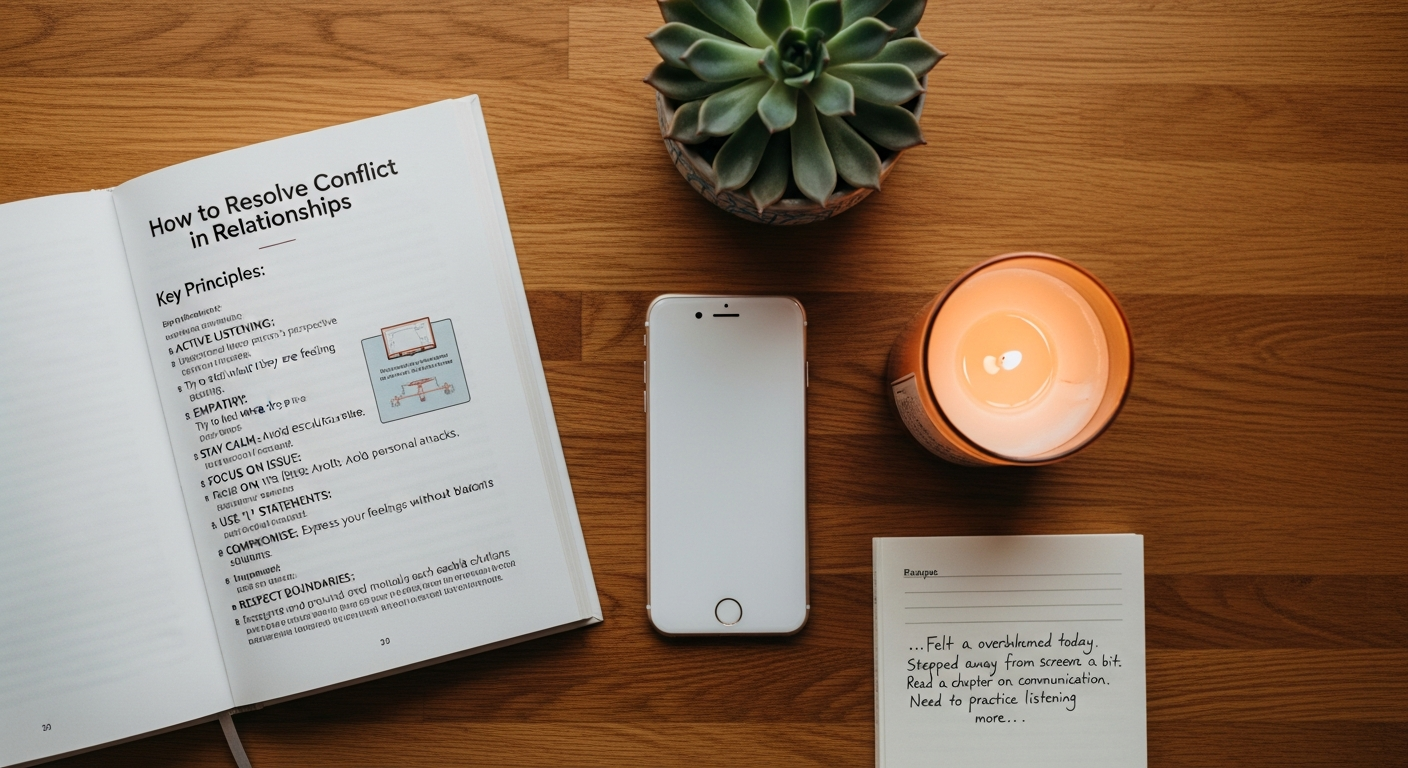
Resolving conflict isn’t just about what you say, but how you say it, and the environment in which the conversation takes place. Establishing a safe, respectful foundation is paramount.
Creating a Safe and Respectful Environment
- Choose the Right Time and Place: Avoid discussing sensitive issues when one or both partners are stressed, tired, hungry (“hangry” is real!), or in a public setting. Find a private time when you can give each other your full, undivided attention. This also means minimizing digital interruptions – put phones away and turn off notifications.
- Agree on Ground Rules: Before diving into the issue, agree on basic rules like “no yelling,” “no personal attacks,” “one person speaks at a time,” or “take a break if things get too heated.” This establishes a framework for respectful dialogue.
- Approach with a Solution-Oriented Mindset: Enter the conversation with the goal of understanding and finding a solution together, rather than winning an argument or assigning blame. Frame it as “us against the problem,” not “me against you.”
- Prioritize Mutual Respect: Even when you disagree strongly, maintain respect for your partner as an individual. Insults, sarcasm, and contempt erode the very fabric of the relationship. Remember the foundation of your love and commitment.
By consciously setting the stage, you increase the likelihood of a productive discussion and lay the groundwork for how to communicate better relationships even amidst tension.
Mastering the Art of Communication During Conflict
How To Communicate Better Relationships ·
How To Reconnect With Your Partner ·
Tips For Healthy Technology Use
Active Listening: The Most Powerful Tool
Active listening means giving your full attention to your partner, not just waiting for your turn to speak. It involves:
- Non-Verbal Cues: Maintain eye contact (if culturally appropriate), nod, and use open body language to show you are engaged.
- Reflective Listening: Paraphrase what your partner has said to ensure understanding. For example, “So, if I’m understanding correctly, you feel frustrated because I didn’t help with the chores last night, and that made you feel unappreciated?” This validates their feelings and clarifies their message.
- Asking Clarifying Questions: “Can you tell me more about why that bothers you?” or “What specifically happened that made you feel that way?”
- Resist the Urge to Interrupt: Let your partner finish their thoughts completely, even if you disagree. Your turn will come.
Using “I” Statements for Clear Expression
Instead of accusatory “you” statements (e.g., “You always leave your clothes on the floor!”), use “I” statements to express your feelings and needs without blaming. This is a critical component of how to communicate better relationships.
- Formula: “I feel [emotion] when [specific behavior] because [impact on you], and I need/would like [solution/request].”
- Example: Instead of “You never listen to me!”, try “I feel unheard when I’m sharing my day and you’re looking at your phone, because it makes me feel like what I’m saying isn’t important to you. I would really appreciate it if we could set aside dedicated time to talk without distractions.”
- Focus on Your Experience: This approach shifts the focus from your partner’s perceived flaws to your own emotional experience, which is harder to dispute and less likely to trigger defensiveness.
Avoiding Blame, Criticism, and Contempt
As identified by Dr. John Gottman, these are among “The Four Horsemen of the Apocalypse” for relationships. To effectively resolve conflict:
- No Blame Game: Focus on the problem, not on finding fault. Blame only escalates tension and makes genuine resolution impossible.
- Constructive Criticism: If you need to address a behavior, do so gently and specifically, focusing on the action rather than the person’s character. “I’m concerned about our spending habits” is better than “You’re so irresponsible with money.”
- Eliminate Contempt: Sarcasm, cynicism, eye-rolling, hostile humor, and insults are relationship killers. They convey disgust and disrespect, making it impossible to feel safe or valued.
Understanding Non-Verbal Communication
Words are only part of the message. Body language, facial expressions, and tone of voice convey a wealth of information. Be mindful of your own non-verbal cues and pay attention to your partner’s. A closed-off posture, crossed arms, or an angry facial expression can undermine even the most carefully chosen words.
By mastering these communication techniques, you’re not just resolving a single conflict; you’re building a stronger foundation for how to communicate better relationships in the long run.
Navigating Common Conflict Triggers and Patterns
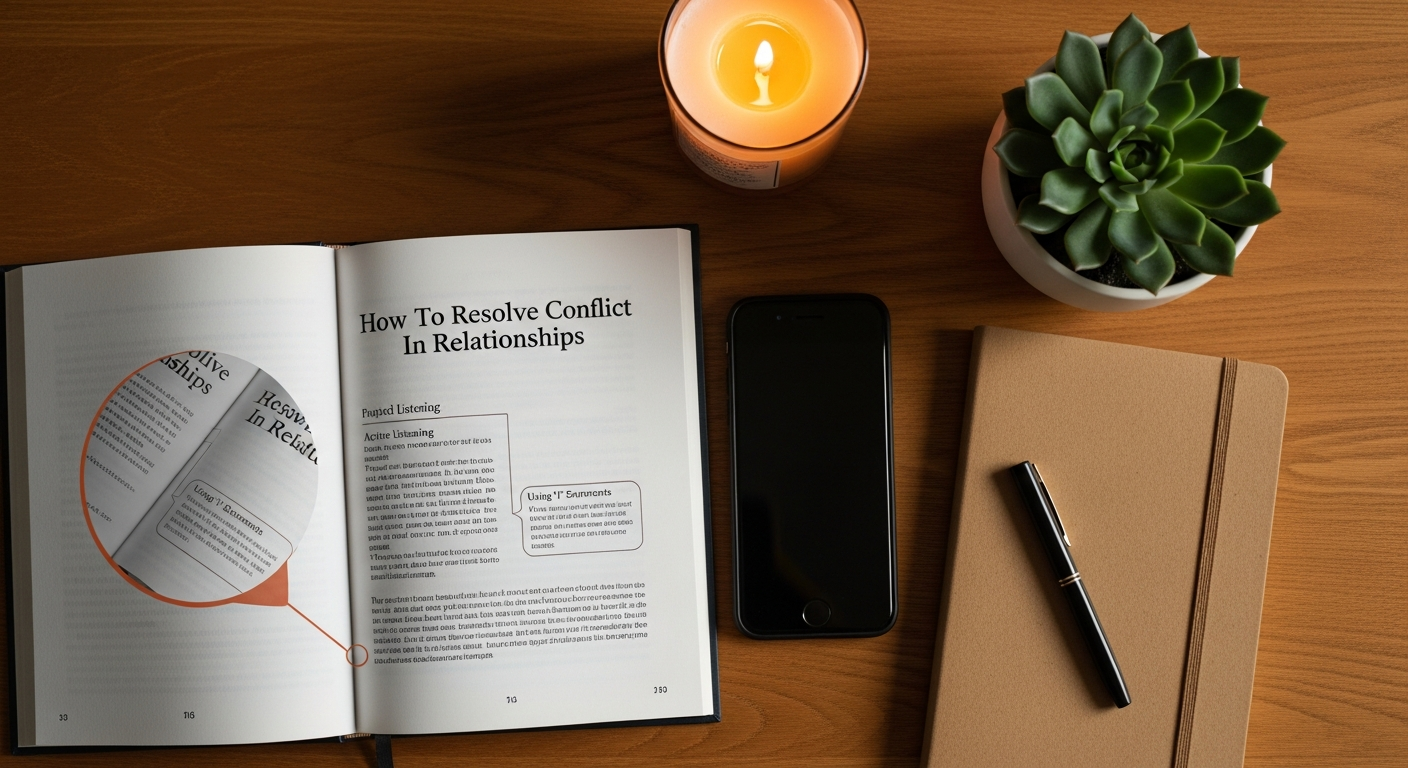
Even with excellent communication skills, conflicts can sometimes feel overwhelming. Recognizing common patterns and developing strategies to manage intense emotions are crucial steps in learning how to resolve conflict in relationships effectively.
Recognizing the “Four Horsemen” and Their Antidotes
Dr. John Gottman’s research identified four destructive communication patterns that predict relationship failure if left unchecked:
- Criticism: Attacking your partner’s personality or character, rather than the specific behavior.
- Antidote: Use gentle
Recommended Resources
For more on how to resolve, see Grounding Earthing Health Benefits on Heartbeat Reggae.
Check out Nervous System Regulation Exercises on Heartbeat Reggae for a deeper dive.
From Our Network
- reggae lifestyle and wellness (en Heartbeatreggae)