
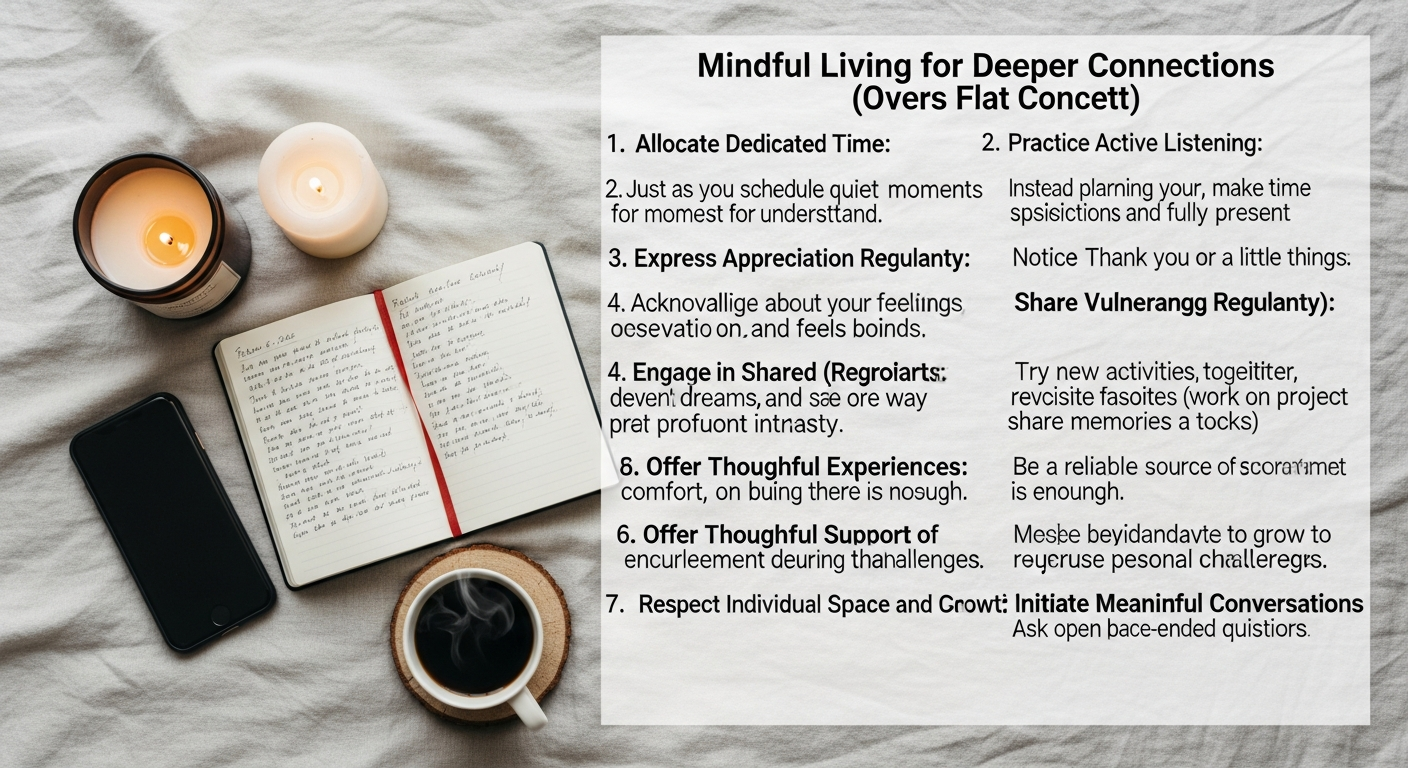
Defining “The Next Level”: What Does It Mean For You?
Before diving into specific actions, it’s crucial for both partners to understand what “taking the relationship to the next level” truly signifies for them individually and as a couple. This phrase can encompass a wide spectrum of milestones, from exchanging “I love yous” for the first time, becoming exclusive, moving in together, getting engaged, or even starting a family. The definition is deeply personal and should be mutually explored.
Understanding Your Shared Vision
- Individual Reflections: Take time to reflect on your personal aspirations for the relationship. What does a deeper commitment look like to you? What fears or hopes accompany this desire? Being clear on your own vision will enable you to articulate it effectively to your partner.
- Open Dialogue: Initiate a conversation with your partner about your evolving feelings and desires. This isn’t about setting ultimatums but about sharing your heart and listening to theirs. Questions like, “Where do you see us in the next year or five years?” or “What does a truly committed partnership mean to you?” can open doors to profound discussions.
- Mutual Goals: As you discuss, identify common ground and areas where your visions align. Perhaps you both dream of cohabiting, or maybe you’re both thinking about the long-term future. Understanding these shared goals is the first step towards building a roadmap for your relationship’s progression. This foundational alignment is also one of the 3 things to know before starting a family, as it sets the stage for major life decisions.
- Phasing Progression: Recognize that “the next level” might be a series of steps rather than a single leap. It could be a progression from casual to exclusive, then exclusive to committed, then committed to cohabiting, and so forth. Each step requires its own set of considerations and mutual agreement.
The beauty of this exploration is that it encourages transparency and strengthens the foundation of trust. It ensures that both partners are on the same page, or at least aware of each other’s individual pages, before embarking on the next chapter.
Tip 1: Master Mindful Communication & Presence

The bedrock of any thriving relationship, especially one poised for deeper commitment, is exceptional communication. But it’s not just about talking; it’s about mindful communication – truly listening, understanding, and being present. This is where the mission of Stop Phubbing truly shines.
Beyond Words: Active Listening and Digital Detox
- Practice Active Listening: When your partner speaks, give them your undivided attention. Put away your phone, turn off the TV, and make eye contact. Resist the urge to interrupt or formulate your response while they’re still talking. Instead, focus on understanding their perspective, feelings, and underlying message. Reflect back what you hear to confirm understanding: “So, if I’m understanding correctly, you’re feeling X because of Y?”
- Express Your Needs Clearly: Don’t expect your partner to read your mind. Clearly articulate your feelings, desires, and boundaries using “I” statements. For example, instead of saying, “You never listen,” try, “I feel unheard when I’m sharing something important and you’re looking at your phone.”
- Schedule “Unplugged” Time: In today’s hyper-connected world, digital distractions are a primary culprit behind relational disconnect. Make a conscious effort to schedule regular “unplugged” time together. This could be dinner without phones, a walk in nature, or simply an evening dedicated to conversation and connection without screens. These moments foster genuine presence and remind you both of the joy of being truly together. This intentionality is also key to maintaining a healthy marriage, as it combats the slow erosion of connection caused by constant digital interference.
- Resolve Conflict Constructively: All relationships encounter disagreements. The key is to approach them as a team, not as adversaries. Focus on the issue, not on attacking your partner. Seek to understand each other’s perspectives, compromise where possible, and find solutions that work for both of you. Remember, the goal is resolution and deeper understanding, not “winning.”
Mindful communication ensures that both partners feel seen, heard, and valued. It builds a safe space where vulnerabilities can be shared, and challenges can be overcome, essential elements for any relationship aspiring to go the distance.
Tip 2: Define Your Shared Future & Values
Aligning Dreams and Principles for the Long Haul
- Life Goals: Discuss your career ambitions, where you want to live, travel aspirations, and personal development goals. Are there areas of overlap? How can you support each other’s individual dreams while building shared ones?
- Core Values: What principles guide your life? Are they honesty, integrity, compassion, ambition, family, spiritual beliefs, or something else? Explore how your core values align, and identify any significant differences that might need thoughtful navigation. Shared values often form the bedrock of a strong, lasting partnership, particularly as you consider major life steps like those outlined in 3 things to know before starting a family.
- Family & Children: This is a crucial conversation for many couples considering a next step. Do you both want children? If so, when? What are your thoughts on parenting styles, family traditions, and extended family involvement? Even if children aren’t on the immediate horizon, understanding each other’s perspectives is vital for future harmony.
- Financial Philosophy: Money is a leading cause of conflict in relationships. Discuss your financial habits, goals (saving for a house, retirement, travel), attitudes towards debt, and how you envision managing finances as a couple. Transparency and a shared financial philosophy are paramount for a stable future.
- Lifestyle Choices: From health and fitness to social life and hobbies, discuss the kind of lifestyle you both envision. Do you prefer quiet evenings or bustling social calendars? Are you aligned on diet, exercise, and self-care? These day-to-day elements significantly impact long-term happiness.
These conversations might feel heavy, but they are incredibly enriching. They help you build a clear picture of your potential shared future and confirm that you’re both rowing in the same direction, a fundamental aspect of maintaining a healthy marriage.
Tip 3: Cultivate Deeper Emotional Intimacy

Intimacy is often equated solely with physical connection, but true intimacy runs much deeper, encompassing emotional, intellectual, and spiritual bonds. Taking a relationship to the next level requires nurturing these less tangible, yet profoundly powerful, connections.
Building Bridges of Vulnerability and Trust
- Share Vulnerabilities: True intimacy blossoms when you feel safe enough to reveal your authentic self, including your fears, insecurities, past hurts, and deepest desires. This requires trust and courage from both partners. When one person opens up, the other’s empathetic response strengthens the bond.
- Be Present & Attentive: Beyond just conversations, emotional intimacy grows through shared experiences where you are fully present with each other. This means truly seeing and acknowledging your partner, celebrating their successes, and offering comfort during their struggles.
- Practice Empathy: Try to put yourself in your partner’s shoes. Understand their feelings and experiences, even if you don’t fully agree with their perspective. Empathy fosters compassion and a deeper sense of connection, making your partner feel truly understood and valued.
- Express Affection & Appreciation: Don’t shy away from expressing your love and gratitude, both verbally and through actions. Small gestures of affection, compliments, and heartfelt thanks can significantly boost emotional connection. Regularly reminding your partner how much they mean to you reinforces their importance in your life.
- Co-Create Meaning: Engage in activities that create shared memories and personal meaning for both of you. This could be a unique hobby, a tradition you start together, or even planning an adventure like how to plan the perfect family vacation, which requires teamwork and understanding each other’s preferences, leading to powerful bonding experiences.
Emotional intimacy creates a secure attachment, a feeling that you are truly “home” with your partner. It’s the glue that holds a relationship together through life’s inevitable ups and downs.
Tip 4: Strategize Financial Harmony
Money matters are often overlooked until they become a source of contention. For a relationship to thrive at its next level, especially if it involves cohabitation, marriage, or starting a family, aligning on financial philosophies and practices is non-negotiable.
Building a Joint Financial Future
- Open Financial Disclosure: Be completely transparent about your individual financial situations – income, debts, savings, spending habits, and financial goals. Hiding financial details can erode trust and create significant problems down the line.
- Discuss Money Philosophies: Do you view money as a tool for security, freedom, experiences, or status? Are you a saver or a spender? Understanding these fundamental differences is crucial for finding common ground.
- Create a Joint Budget (if applicable): If you’re moving in together or combining finances, establish a joint budget. Decide how shared expenses will be split, how much each of you will contribute to savings, and what discretionary spending looks like. Regular check-ins on the budget can prevent misunderstandings.
- Set Shared Financial Goals: Work together to define common financial goals. This could be saving for a down payment on a house, a significant vacation, retirement, or educational funds for future children. Having shared objectives provides a powerful incentive for teamwork and discipline. This is a critical component of 3 things to know before starting a family, as financial stability is often a prerequisite.
- Plan for the Unexpected: Discuss emergency funds, insurance, and estate planning (especially for married couples or those with dependents). While not the most romantic topic, it demonstrates a commitment to each other’s well-being and future security.
Financial harmony isn’t about having identical incomes or spending habits; it’s about mutual understanding, respect, transparency, and a shared strategy for managing your resources together. It’s a key pillar for maintaining a healthy marriage and a stable household.
Tip 5: Build Strong Support Systems
No relationship exists in a vacuum. As you consider taking your relationship to the next level, integrating your partner into your wider social circle and fostering healthy relationships with friends and family is important. These support systems can offer invaluable advice, perspective, and comfort.
Connecting Your Worlds
- Introduce Your Partner to Your Inner Circle: Gradually introduce your partner to your close friends and family. Observe how they interact and if they fit well within these important parts of your life. Their acceptance and positive relationships with your loved ones can significantly contribute to your overall happiness as a couple.
- Spend Time with Their Support System: Equally important is making an effort to connect with your partner’s friends and family. Show genuine interest and respect. These relationships can provide deeper insights into your partner’s background and values.
- Seek Wise Counsel: If you’re facing significant decisions or challenges, don’t hesitate to seek advice from trusted mentors, older couples, or family members who have successfully navigated similar stages in their relationships. Their wisdom can be incredibly valuable.
- Maintain Individual Friendships: While building a shared life, it’s also crucial to maintain your individual friendships. Having personal outlets and support beyond your romantic relationship contributes to your overall well-being and brings fresh perspectives back into the partnership. This balance is vital for maintaining a healthy marriage where individuals can thrive.
- Establish Boundaries with External Influences: While support systems are vital, it’s also important to establish healthy boundaries, especially with family. Your relationship with your partner should be your primary partnership. Discuss how you’ll handle unsolicited advice or interference from others, ensuring your couple’s unit remains strong and autonomous.
A robust support system doesn’t just offer help during tough times; it enriches your lives, celebrates your successes, and provides a broader community for your evolving relationship.
Tip 6: Embrace Growth & Personal Development
A healthy relationship isn’t about two halves making a whole; it’s about two whole individuals choosing to share their lives. Taking a relationship to the next level means committing to continuous personal growth for yourself, and supporting your partner’s journey of self-improvement.
Evolving Individually, Strengthening Together
- Commit to Self-Awareness: Understand your own patterns, triggers, and areas for growth. This self-knowledge allows you to show up more authentically and constructively in your relationship. Reflect on how your past experiences might influence your present reactions.
- Support Each Other’s Passions: Encourage your partner to pursue their hobbies, interests, and career goals. Be their biggest cheerleader. A partner who feels supported in their individual aspirations is often a happier and more fulfilled partner within the relationship.
- Learn New Things Together: Engage in joint learning experiences, whether it’s a new language, a cooking class, a dance lesson, or exploring a new culture. Shared learning fosters intellectual intimacy and creates new avenues for connection and growth.
- Address Personal Challenges: If there are personal issues you need to work on (e.g., managing stress, improving communication skills, overcoming past trauma), commit to addressing them, perhaps with the help of a therapist or coach. Your personal healing benefits the relationship as a whole.
- Review & Re-evaluate Periodically: Life changes, and so do people. Schedule regular check-ins, perhaps annually in 2026, to discuss where you both are individually and as a couple. Are your goals still aligned? Are there new challenges or opportunities for growth? This reflective practice is part of 4 ways to maintain a healthy marriage, ensuring the relationship adapts and evolves with its members.
When both partners are committed to their individual growth, they bring richer, more developed selves to the relationship, creating a dynamic and inspiring partnership that continues to evolve and deepen over time.
Tip 7: Plan Intentional “Unplugged” Experiences
In our digital age, genuine connection often requires a conscious effort to disconnect from screens and reconnect with each other. For a relationship to truly flourish and move to the next level, intentional, unplugged quality time is not a luxury, but a necessity.
Creating Sacred Spaces for Connection
- Designate Tech-Free Zones/Times: Establish rules for phone usage during specific times (e.g., no phones at the dinner table, no screens in the bedroom after a certain hour) or in specific areas of your home. These boundaries protect your shared presence.
- Plan Regular Date Nights: Make date nights a non-negotiable part of your routine. These don’t have to be elaborate or expensive. The key is dedicated time for just the two of you, free from distractions. Try new restaurants, revisit old favorites, or simply have a picnic in the park.
- Weekend Getaways & Adventures: Occasionally escape your routine and environment. A weekend trip, a camping adventure, or even a day trip to a nearby town can provide a refreshing change of pace and opportunities for focused connection. This is where insights from how to plan the perfect family vacation can be adapted, focusing on couple-centric experiences that prioritize relaxation and connection.
- Engage in Shared Hobbies: Find activities you both genuinely enjoy doing together that don’t involve screens. This could be hiking, cooking, gardening, playing board games, or volunteering. Shared hobbies create common ground and enjoyable memories.
- Practice Mindful Moments: Even short bursts of intentional connection throughout the day can make a difference. A mindful five-minute chat over coffee, a shared sunset view, or simply holding hands while watching a movie (without looking at phones) can reinforce your bond.
By actively choosing to minimize digital interference, you create a sacred space for your relationship to breathe, grow, and deepen, ensuring that your connection remains vibrant and authentic.
Tip 8: Regularly Reaffirm & Celebrate Your Bond
As you take your relationship to new heights, it’s essential to not only do the work but also to consistently acknowledge and celebrate the journey you’re on together. Reaffirming your love and commitment strengthens your partnership and builds a reservoir of positive memories and emotions.
Nurturing Love and Appreciation
- Express Appreciation Daily: Don’t let gratitude go unsaid. Make it a habit to thank your partner for big and small things – from making coffee to offering emotional support. Acknowledging their efforts and presence makes them feel valued.
- Verbalize Your Love & Commitment: Regularly tell your partner you love them, and explicitly state your commitment to the relationship and your shared future. These verbal affirmations are powerful and reassuring.
- Celebrate Milestones: Mark anniversaries, birthdays, and other significant relationship milestones. These celebrations, whether grand or intimate, serve as reminders of your journey and the love you share.
- Create New Traditions: Establish unique traditions that are meaningful to both of you. This could be an annual trip, a special meal on a certain day, or a ritual you share. Traditions create continuity and a sense of shared history.
- Reflect on Your Journey: Occasionally take time to look back at how far you’ve come. Share memories, discuss challenges you’ve overcome, and appreciate the growth you’ve experienced individually and as a couple. This reflection reinforces the strength and resilience of your bond. This continuous reflection is a key aspect of 4 ways to maintain a healthy marriage, keeping the relationship dynamic and appreciative.
By regularly reaffirming and celebrating your bond, you inject joy, gratitude, and renewed purpose into your relationship, ensuring that as you reach new levels, your love continues to deepen and thrive.
Frequently Asked Questions
Recommended Resources
Learn more about this topic in Sound Healing Frequencies Explained at Heartbeat Reggae.
Related reading: Perimenopause Symptoms Natural Remedies (Heartbeat Reggae).