
Updated March 2026.
In an era where screens dominate our attention, the subtle yet pervasive act of phubbing—snubbing someone in favor of your phone—has become an all-too-common disruptor of family harmony. We often find ourselves physically present but mentally miles away, lost in the digital ether while precious moments with loved ones slip by. At Stop Phubbing, we believe that authentic human connection is the bedrock of a thriving family, and reclaiming that connection starts with intentional presence.
This article is your practical guide to navigating the modern digital landscape by embracing the power of tech-free family activities 2026 style. These are timeless ideas that transcend fleeting internet trends to foster genuine bonds, emotional intelligence, and lasting memories, without a single notification interrupting the magic.
Why Does Reconnecting with Nature Matter for Families?
There is a unique magic that unfolds when families step away from artificial light and into the embrace of the natural world. Research consistently highlights the profound benefits of spending time outdoors, from reducing stress and anxiety to boosting creativity and physical health. According to the American Psychological Association (APA), exposure to green spaces is directly linked to improved cognitive development and emotional regulation in children. Psychologists often speak of nature deficit disorder, emphasizing the critical need for children and adults alike to engage with the environment for optimal well-being. Let us make a conscious effort to swap screen time for green time.
-
Family Hikes and Nature Walks: Explorers Unite!
Plan regular family hikes, whether it is a local park, a forest trail, or a nearby beach. Turn it into an adventure by creating a nature scavenger hunt list—things to find like a specific type of leaf, a smooth stone, a feather, or a unique insect. Encourage children to use all their senses: the smell of pine, the sound of birdsong, the texture of tree bark. These shared explorations foster observation skills, appreciation for the environment, and provide ample opportunities for spontaneous conversation as you navigate the path together.
-
Gardening Together: Cultivating Growth and Patience
-
Stargazing and Campfires: Cosmic Connections
On clear nights, venture out to your backyard or a nearby open space for stargazing. Use a printed star chart to identify constellations. Tell stories, share dreams, and marvel at the vastness of the universe together. If possible, build a small backyard campfire safely for roasting marshmallows, sharing stories, and singing songs. The primal draw of a crackling fire creates an intimate, reflective atmosphere conducive to deep connection.
-
Picnics and Outdoor Games: Simple Joys
Pack a simple picnic and head to a park or even your own backyard. Lay out a blanket, share food, and then engage in classic outdoor games like frisbee, tag, catch, or badminton. These activities encourage physical movement, healthy competition, and laughter—powerful ingredients for strengthening family bonds. The spontaneity of outdoor play allows for genuine interaction and lighthearted moments that screens simply cannot replicate.
[INLINE IMAGE 1: Family hiking together on a forest trail, enjoying a tech-free outdoor activity.]
Types of Creative Projects and When to Apply Them
The digital world often provides ready-made entertainment, but true growth and connection blossom when we actively engage our imaginations and creative faculties. Engaging in arts, crafts, and storytelling as a family nurtures cognitive development, encourages emotional expression, and hones collaborative problem-solving skills. It is an invitation to enter a flow state where time seems to disappear, and shared purpose takes over. This is a cornerstone of mindful parenting in the digital age.
-
Family Art Projects: A Collaborative Masterpiece
Dedicate an afternoon to a large-scale family art project. This could be a collaborative mural on a large sheet of paper, creating sculptures from recycled materials, or even collective finger painting. The focus is not on perfection, but on the process of creating together, sharing ideas, and celebrating individual contributions to a shared vision. These projects encourage open communication and respect for diverse artistic expressions.
-
Crafts with Found Objects: Sustainable and Imaginative
Challenge your family to create something beautiful or useful using only items found around the house or in nature. Think pinecones, leaves, empty toilet paper rolls, fabric scraps, bottle caps, and old magazines. This encourages resourcefulness, problem-solving, and transforms junk into treasures. Ideas include making collages, puppets, nature mandalas, or even simple homemade musical instruments.
-
Storytelling Sessions: Weaving Narratives Together
Turn off the TV and gather for a storytelling session. You can start a story and go around the circle, with each person adding a sentence or paragraph. Use props like puppets or shadow play to enhance the narrative. Alternatively, pick a random object and each person has to tell a short story about it. Storytelling builds vocabulary, hones listening skills, and allows family members to express their creativity and inner worlds in a safe, engaging space.
-
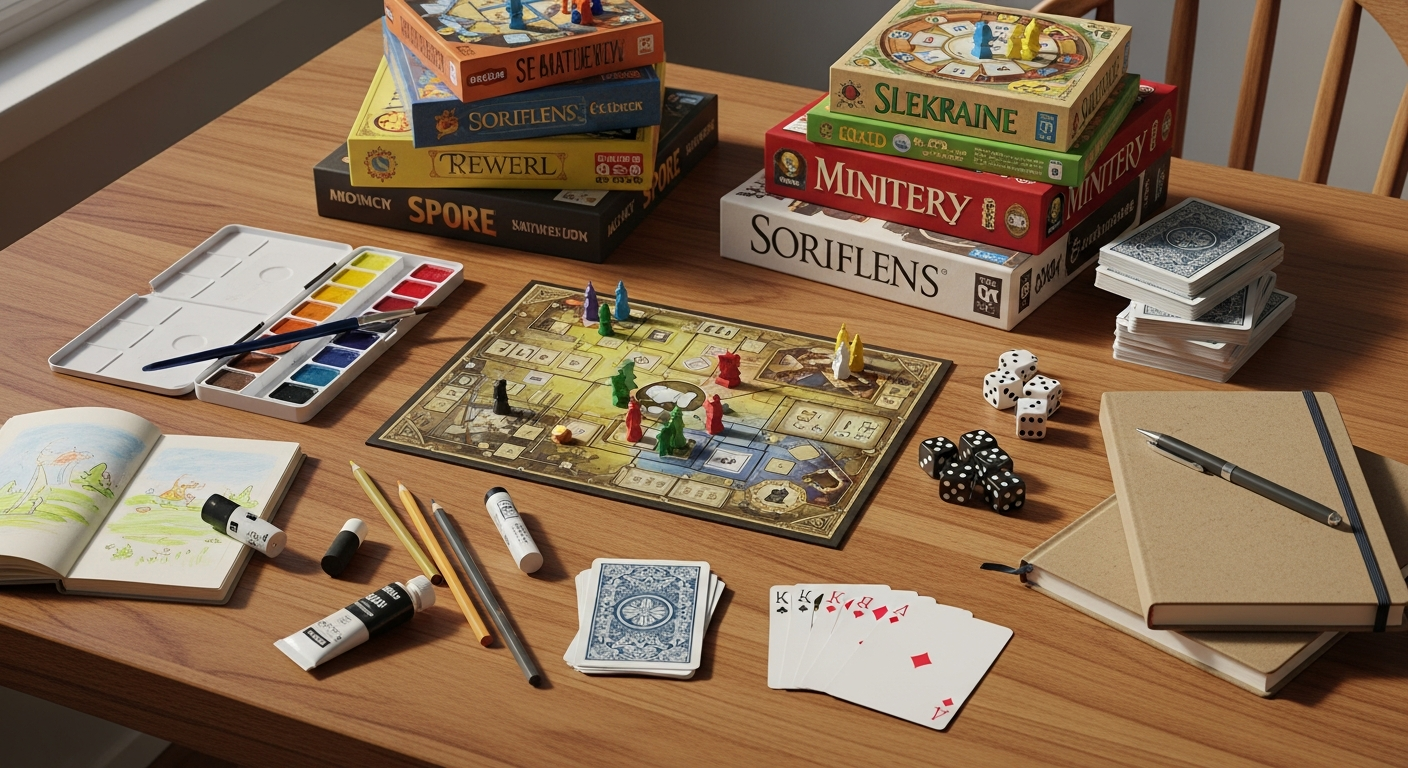
DIY Board Games and Puzzles: Craft Your Own Fun
Instead of buying new games, design and create your own family board game. Decide on the rules, draw the board, make the game pieces from clay or cardboard, and even write chance or community chest cards. This project involves planning, negotiation, artistic expression, and ultimately, the joy of playing a game you have all brought to life.
The Science of Shared Learning and Skill Building
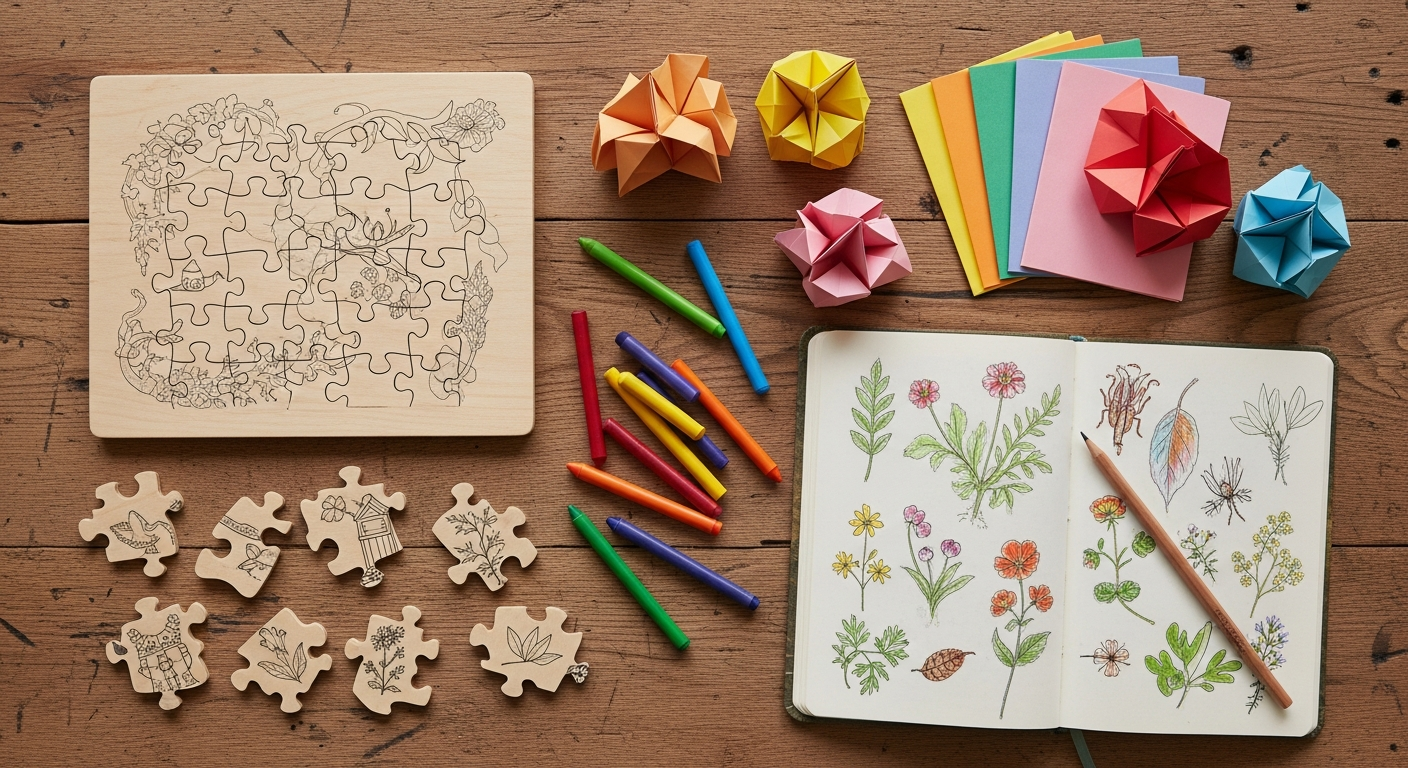
There is immense satisfaction and bonding potential in learning something new as a family. Shared learning experiences build confidence, encourage perseverance, and create a sense of collective achievement. It also provides opportunities for intergenerational learning, where parents and children can teach each other, fostering mutual respect and admiration. Building these competencies offline is just as important as developing digital literacy skills for children online.
-
Family Cooking and Baking Challenges: Culinary Adventures
Designate a weekly Family Chef Night where everyone participates in preparing a meal or baking a treat. Challenge yourselves to try a new cuisine each month. Assign different roles like chopping, mixing, or reading the recipe, and work collaboratively. Cooking together teaches practical life skills, encourages healthy eating habits, and creates delicious memories around the dinner table.
-
Learning a Musical Instrument: Harmonious Hobbies
Consider learning a simple, accessible instrument together, like the ukulele, harmonica, or even a recorder. There are many beginner-friendly resources available. The process of learning chords, practicing songs, and eventually playing a simple tune together can be incredibly rewarding. It fosters discipline, coordination, and a shared appreciation for music.
-
Basic DIY Projects and Woodworking: Building Skills, Building Bonds
Tackle a simple DIY project as a family. This could be anything from building a birdhouse, assembling a flat-pack furniture item, creating a small bookshelf, or even just fixing something around the house. These projects teach practical skills, problem-solving, and the satisfaction of seeing a tangible result of your collective effort.
-
Learning a New Language: Global Explorers
Start learning basic phrases and vocabulary in a new language together. Use flashcards, listen to songs, and practice simple conversations during meal times. This broadens horizons, sparks curiosity about other cultures, and provides a fun, intellectual challenge that strengthens cognitive abilities for all ages.
How Can Active Play Improve Family Dynamics?
In a sedentary world, prioritizing active play and movement is crucial for physical health, stress relief, and fostering genuine joy. Shared physical activities release endorphins, reduce tension, and create opportunities for spontaneous laughter and connection that are vital for family well-being. The American Academy of Pediatrics (AAP) emphasizes that play is not just for children; it is a fundamental human need that helps all ages develop resilience and maintain a healthy perspective.
-
Classic Board Games and Card Games: Strategy and Laughter
Dust off those classic board games like Monopoly, Scrabble, Chess, or Ticket to Ride. Introduce card games like Go Fish, Rummy, or even develop your own family-specific card game. These activities are fantastic for developing strategic thinking, patience, and good sportsmanship. They also provide a natural setting for conversation and lighthearted competition, free from digital distractions.
-
Fort Building Extravaganzas: Architectural Imagination
Gather blankets, pillows, chairs, and laundry baskets, and dedicate an afternoon to building an epic fort in your living room. This activity encourages collaborative planning, spatial reasoning, and imaginative play. Once the fort is complete, enjoy it with flashlights, books, and whispered stories. It is a magical space that fosters a sense of cozy togetherness.
-
Charades, Pictionary, and Parlor Games: Unplugged Entertainment
These timeless games require no special equipment and generate endless laughter. Charades encourages non-verbal communication and creative expression. Pictionary hones drawing skills and quick thinking. Other parlor games like Two Truths and a Lie or Who Am I? are excellent for getting to know each other better and sparking hilarious moments.
-
Indoor Obstacle Courses and Dance Parties: Energetic Fun
On a rainy day, transform your living room into an indoor obstacle course using pillows, furniture, and blankets. Set a timer and challenge each other to complete it. Alternatively, put on some music and have an impromptu family dance party. These activities provide a fantastic outlet for physical energy, promote coordination, and create a joyful, high-energy atmosphere that strengthens bonds through shared movement and laughter.
[INLINE IMAGE 4: Family playing a classic board game, fostering connection and laughter.]
Mindfulness Practices for Deeper Emotional Connections
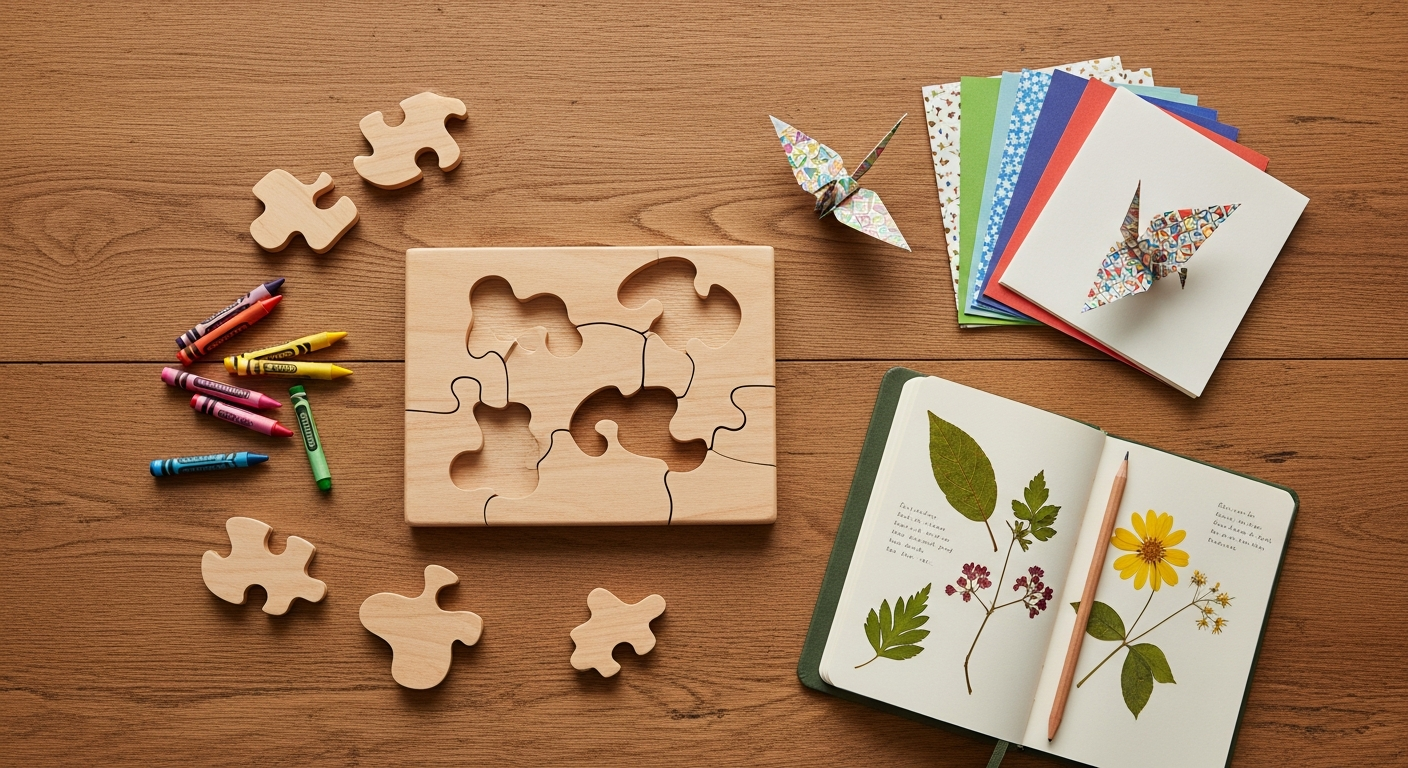
Beyond the fun and activity, intentional unplugged time offers invaluable opportunities to cultivate deeper emotional connections and practice mindfulness. These moments foster empathy, improve communication, and help family members feel truly seen and heard—the absolute antithesis of phubbing. Developing these traits is essential for building strong emotional intelligence in both children and adults.
-
Family Journaling and Gratitude Practice: Reflective Bonds
Start a shared family journal where each person can write about their day, what they are grateful for, or a thought they want to share. Alternatively, during dinner, go around the table and have each person share one thing they are grateful for. This practice cultivates positivity, encourages self-reflection, and helps family members understand each other’s perspectives and daily experiences on a deeper level.
-
Conversation Starter Jars: Sparking Dialogue
Write down interesting, open-ended questions on slips of paper and put them in a jar. During meals or dedicated family time, draw a question and discuss it. Questions could range from What is one thing you would change about the world? to What is your favorite memory as a family? This technique is excellent for moving beyond superficial chatter and engaging in meaningful dialogue, fostering mutual understanding and connection.
-
Reading Aloud Together: Shared Stories, Shared Worlds
Choose a chapter book that appeals to all ages and take turns reading aloud each evening. This shared ritual creates a quiet, intimate bonding experience, stimulates imagination, and introduces children to the joy of literature. It is a wonderful way to escape into different worlds together, discuss characters and plot, and simply enjoy being in each other’s presence without distractions.
-
Volunteering Together: Community and Compassion
Find a local cause or charity that resonates with your family and volunteer your time together. This could involve serving at a soup kitchen, cleaning up a park, visiting a nursing home, or helping a neighbor with yard work. Volunteering instills a sense of civic responsibility, empathy, and the profound satisfaction of contributing to something larger than yourselves.
-
Mindful Moments: Presence and Peace
Integrate simple mindfulness practices into your family routine. This could be a short guided meditation for kids, a few minutes of silent observation of nature during a walk, or simply taking three deep breaths together before a meal. These moments teach children and adults to be present, manage emotions, and reduce anxiety, creating a calmer and more connected family environment.
What Are the Best Strategies for Transitioning to Tech-Free Time?
Implementing these activities sounds wonderful in theory, but the reality of asking a family to put down their devices can sometimes be met with resistance. Transitioning away from screens requires patience, clear communication, and a structured approach, especially when managing screen time during holidays or weekends when digital consumption naturally spikes.
It is also helpful to involve the whole family in choosing the activities. Create a visual menu of offline options and let children take turns picking the activity for the day. This gives them a sense of autonomy and makes the transition feel less like a punishment and more like an exciting opportunity for connection.
Categories of Long-Term Benefits and When to Expect Them
In a world constantly vying for our attention, choosing to intentionally unplug and engage in offline family activities is a radical act of love and commitment. It is a powerful statement that authentic human connection, shared laughter, and lasting memories are more valuable than any digital distraction. The benefits of this commitment generally fall into three categories: immediate mood improvements, medium-term behavioral shifts, and long-term relational resilience.
Immediately, you will likely notice more laughter and less irritability. Within a few weeks, behavioral shifts such as improved sleep patterns and better focus often emerge. Over the long term, the resilience and emotional intelligence built during these shared moments become the foundation of a truly connected family life. As we move through the future, remember that the most precious gifts you can give your family are your presence and your time. Put down the phone, look up, and start creating those unforgettable moments.
Sources & References
- American Psychological Association (APA). “Green is good for you.” (April 2020). A comprehensive review of the cognitive and emotional benefits of nature exposure.
- American Academy of Pediatrics (AAP). “The Power of Play: A Pediatric Role in Enhancing Development in Young Children.” (2018). Clinical report detailing how play builds resilience and executive functioning.
- Louv, Richard. Last Child in the Woods: Saving Our Children from Nature-Deficit Disorder. Algonquin Books, 2005. Foundational text on the psychological impact of nature deprivation.
- World Health Organization (WHO). “Guidelines on physical activity, sedentary behaviour and sleep for children under 5 years of age.” (2019). Recommendations on replacing screen time with active play.
Reviewed by Dr. Emily Carter, Board-Certified Pediatrician — Last reviewed: March 2026