
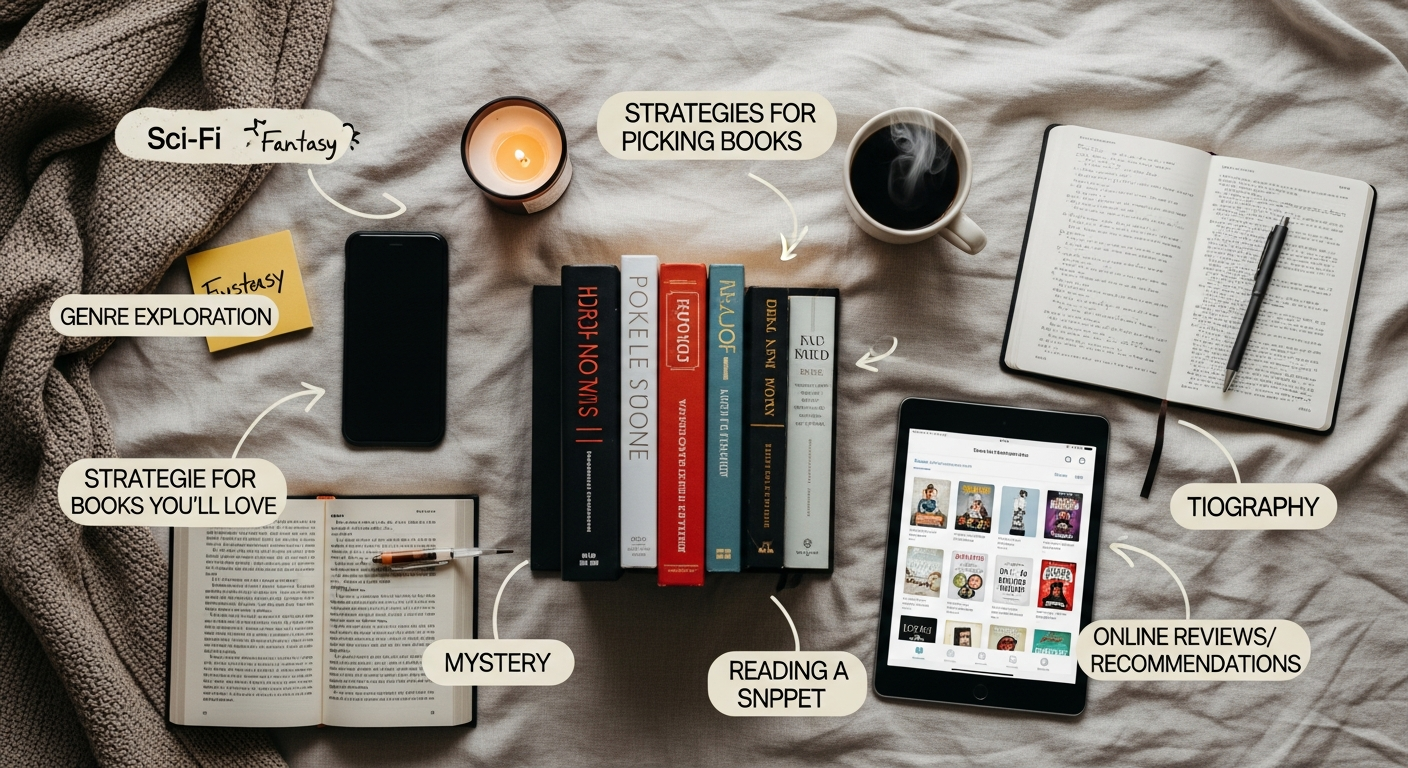
Understanding Your Reading DNA: The Art of Self-Reflection
Before you even begin browsing shelves or digital catalogs, the most powerful tool in your arsenal is self-awareness. Just as you’d reflect on 3 things to know before starting a family – like your values, your financial stability, and your communication styles – understanding your unique “reading DNA” is crucial for a fulfilling literary journey. What are the intrinsic qualities that draw you to a story or a topic? This isn’t about rigid categories, but about a deeper understanding of your intellectual and emotional needs.
Start by looking back. What books have you truly loved in the past? Don’t just list titles; dissect why you loved them. Was it the intricate plot, the compelling characters, the insightful prose, the unique setting, or the emotional impact? Did they make you laugh, cry, think, or escape? Perhaps you’re drawn to narratives that explore complex human relationships, or maybe you prefer the meticulous detail of historical fiction that transports you to another era. Do you crave the thrill of a mystery, the comfort of a romance, the enlightenment of non-fiction, or the expansive possibilities of science fiction and fantasy?
Consider your current mood and life stage. Are you seeking comfort and escapism during a stressful period? Or are you looking for challenging ideas that will stimulate personal growth? Perhaps you’re at a point in life where you’re actively seeking knowledge, maybe delving into topics related to mindful parenting or strategies for personal wellness. Your reading preferences aren’t static; they evolve with you. What captivated you in your twenties might not hold the same allure in your forties, and that’s perfectly normal. Be honest with yourself about what you genuinely desire from a book right now. Are you seeking a light-hearted read to unwind before bed, or a dense philosophical text to ponder over your morning coffee? Recognize that different moods call for different literary companions. Giving yourself permission to read what genuinely appeals to you, rather than what you feel you “should” read, is a powerful act of self-care and a cornerstone of mindful living.
Furthermore, think about the themes that resonate with you. Are you interested in stories of resilience, justice, identity, nature, technology’s impact, or the human condition? Identifying these core themes can be a more effective strategy than simply sticking to a genre. For instance, if you love stories about overcoming adversity, you might find that theme in a historical drama, a contemporary memoir, or even a fantasy epic. This level of self-reflection transforms book picking from a random gamble into an intentional, self-affirming act. It helps you build a library, whether physical or digital, that truly reflects your inner world and supports your mindful journey, moving away from the passive consumption that often characterizes our digital interactions.
Leveraging Digital Tools Mindfully: Your Curated Digital Library Assistant

In our digital age, the irony isn’t lost on us: while we advocate for putting down devices to connect more deeply, we also acknowledge that technology, when used intentionally and mindfully, can be an incredible asset. When it comes to discovering books you’ll love, digital tools can be your most powerful allies, provided you approach them with purpose, much like you’d approach planning how to plan the perfect family vacation – with careful research and clear objectives, rather than aimless scrolling. Instead of letting algorithms dictate your entire experience, learn to leverage them to serve your specific reading goals.
Platforms like Goodreads and The StoryGraph are invaluable for tracking your reading, discovering new titles, and connecting with other readers. By logging the books you’ve read and rating them, these platforms begin to understand your preferences, offering personalized recommendations that are often surprisingly accurate. They can suggest titles based on genre, mood, pace, and even specific themes you’ve enjoyed. But the key here is mindful engagement. Don’t fall into the trap of endless browsing or comparing your reading list to others. Use these tools as a focused resource: check your recommendations, add interesting titles to your “Want to Read” list, and then step away. Think of it as visiting a digital library with a specific mission, not a social media feed designed for infinite scrolling.
Library apps like Libby and OverDrive are another fantastic, often underutilized digital resource. Not only do they provide free access to a vast collection of e-books and audiobooks, but they also offer browsing features, curated lists, and the ability to place holds. This allows you to sample books without financial commitment, an excellent strategy for exploring new genres or authors. Imagine discovering your next favorite book for free, simply by tapping into your local library’s digital offerings. This is a brilliant way to experiment without pressure, aligning perfectly with a mindful approach to consumption – less buying, more borrowing, and more intentional choices.
Beyond dedicated reading platforms, consider how you use other digital spaces. Follow literary critics, authors, and independent bookstores on social media (again, mindfully, with time limits!). Many authors offer free chapters or novellas to their email subscribers, giving you a taste of their writing style. Podcasts dedicated to books and literature can introduce you to new voices and ideas, often providing thoughtful discussions that go beyond a quick review. The goal is to cultivate a digital ecosystem that feeds your reading habit in a healthy, controlled way, rather than allowing it to become another source of distraction or comparison. By using these tools strategically, you turn screen time into a gateway for enriching your offline life, ensuring that your digital interactions enhance, rather than detract from, your pursuit of deeper engagement and connection through reading.
The Power of Community and Personal Recommendations
Start with your inner circle. Talk to friends, family members, and colleagues whose tastes you trust. What books have they recently loved? What titles have stuck with them? A recommendation from someone who knows you well often carries more weight than an algorithm, as they can factor in your personality, current life circumstances, and specific interests. Don’t just ask for a title; ask why they loved it. Understanding their connection to the book can help you gauge if it might resonate with you too. These conversations aren’t just about finding a book; they’re about sharing experiences, sparking dialogue, and strengthening bonds, providing a beautiful antidote to the isolation that phubbing can create.
Beyond your immediate network, seek out literary communities. Joining a book club, whether in-person or online, is an excellent way to expose yourself to diverse titles you might not have chosen otherwise. The discussions that ensue can offer new perspectives, challenge your assumptions, and deepen your understanding of a text. Even if a book isn’t initially to your taste, the shared experience and subsequent conversation can be incredibly rewarding. Think of book clubs as an extension of intentional community building, a space where shared intellectual pursuits foster genuine connection.
Don’t underestimate the wisdom of librarians and independent bookstore staff. These individuals are passionate about books and possess an incredible breadth of knowledge. If you can articulate your reading DNA (as discussed in the first section), they can often pinpoint the perfect recommendation. Tell them what you’ve loved, what you’re looking for, or even what mood you’re in. They often have a keen sense of hidden gems and emerging authors that might not yet be widely publicized. Supporting independent bookstores also contributes to local communities and fosters environments where literary exploration thrives.
Finally, consider online literary communities, but again, with a mindful approach. Participate in forums, follow literary blogs, or join online groups dedicated to specific genres or authors. Engage in discussions, but remember the purpose: to discover books and connect with ideas, not to get lost in endless digital chatter. The key is to seek out quality recommendations and engaging conversations that genuinely enrich your reading life, using these interactions to build bridges to new literary worlds and real-world connections, rather than allowing them to become another digital distraction.
Exploring Beyond Your Comfort Zone: The Adventure of New Genres
True growth, whether personal or literary, often lies just beyond the edges of our comfort zones. While it’s wonderful to have go-to genres and authors, intentionally exploring new literary landscapes can lead to unexpected delights and broaden your perspective in profound ways. This is akin to the courage it takes to embark on life-altering decisions, like considering the 3 things to know before starting a family, or the sense of adventure in planning how to plan the perfect family vacation to an entirely new destination. Stepping outside your usual reading habits is an adventure for the mind.
If you’re a devout fiction reader, try dipping your toes into non-fiction. There’s a vast world of memoirs, biographies, popular science, history, philosophy, and self-help waiting to be explored. You might discover that a well-written non-fiction book can be just as engaging and transportive as a novel, offering not just a story, but also new knowledge and insights into the world. Conversely, if your shelves are filled with non-fiction, allow yourself the pleasure of pure imagination. Pick up a fantasy novel, a gripping thriller, or a heartwarming romance. Fiction can offer a different kind of truth, allowing you to explore human emotions and experiences through the lens of storytelling.
Consider trying genres you previously dismissed or thought weren’t “for you.” Perhaps you’ve always avoided poetry, assuming it’s too abstract, but a modern collection might surprise you with its accessibility and emotional depth. Maybe you’ve never considered graphic novels, but they offer a unique storytelling format that combines visual art with compelling narratives. Audiobooks, too, can open up new possibilities, allowing you to “read” while commuting, exercising, or doing chores, making challenging texts more accessible through skilled narration.
A great strategy for branching out is to look for “genre-blending” books. Many contemporary authors are blurring the lines between categories, creating works that defy easy classification. A historical novel with elements of magical realism, a science fiction story with a strong romantic subplot, or a memoir woven with philosophical inquiry can be excellent entry points into new territories. These hybrid genres can provide a gentle bridge from what you know to what you’re curious about.
Another approach is to seek out award winners from different categories, or books that are widely acclaimed within a genre you’ve never explored. Even if a book isn’t your usual fare, critical recognition often signals a certain level of craftsmanship and thought-provoking content. Similarly, revisiting classics you might have skipped in school, or exploring literature from different cultures and historical periods, can offer rich rewards. The key is to approach these new adventures with an open mind and a spirit of curiosity, understanding that the most profound reading experiences often come from unexpected places. This intentional exploration not only enriches your reading life but also mirrors the mindful growth we champion at Stop Phubbing, encouraging you to engage with the world in new and expansive ways.
The Art of the Sample and the “No Shame” Discard
In the quest for books you’ll truly love, two critical strategies stand out: the art of the sample and the radical acceptance of the “no shame” discard. These practices are deeply rooted in mindful consumption and self-compassion, liberating you from the pressure to finish every book you start, and ensuring your precious reading time is spent on genuinely engaging material. It’s about being intentional with your choices, much like carefully considering the ingredients for a nourishing meal, rather than forcing yourself to eat something unappetizing.
The Art of the Sample: Before committing to a full purchase or a lengthy borrow, always try to sample a book. Many online retailers and library apps offer free previews, allowing you to read the first chapter or a significant excerpt. In a physical bookstore, take the time to browse. Read the back cover, flip through the first few pages, and even jump to a random paragraph. Pay attention to the writing style, the pacing, and the tone. Does the author’s voice draw you in? Does the premise intrigue you enough to want to know more? Just a few pages can often tell you if a book is a good fit for your current mood and preferences. This simple act of sampling is a powerful filter, helping you make informed decisions and significantly reducing the chances of investing time and money in a book you won’t enjoy.
For non-fiction, sampling is equally important. Does the author’s argument resonate? Is the information presented clearly and engagingly? Does the subject matter truly hold your interest? A well-written non-fiction book can be incredibly rewarding, but a dry or poorly structured one can feel like a chore. Use the sample to assess not just the content, but also the style and accessibility of the material.
The “No Shame” Discard: This is perhaps the most liberating strategy for any avid reader. Too often, we feel compelled to finish every book we start, even if we’re not enjoying it. This “sunk cost fallacy” can turn reading from a pleasure into a burden. At Stop Phubbing, we believe your time and mental energy are too valuable to spend on books that don’t spark joy, curiosity, or connection. Giving yourself permission to put down a book you’re not loving – without guilt, without shame – is a profound act of self-care and mindful living.
If you’re 50 pages in and still struggling, if the characters aren’t resonating, if the plot is dragging, or if the subject matter simply isn’t holding your attention, it’s okay to stop. You haven’t failed; you’ve simply discovered that this particular book isn’t for you right now. There are millions of other books in the world, and life is too short to waste precious reading moments on something that feels like homework. By discarding a book that isn’t working, you free up mental space and time to find one that truly captivates you. This mindful approach to your reading list ensures that every book you do finish is one you genuinely loved, enriching your life and making your reading journey a continuous source of pleasure and discovery, rather than an obligation.
Curating Your Reading Environment and Intentionality
Finding books you’ll love is only half the equation; the other half is creating the conditions that allow you to fully immerse yourself in them. Just as you’d thoughtfully consider the atmosphere for a meaningful conversation or a shared family meal, curating your reading environment and approaching your reading time with intentionality are crucial for a truly enriching experience. This practice aligns perfectly with our ethos of mindful living and healthier relationships with technology, encouraging you to prioritize focused engagement over constant distraction.
Create a Dedicated Reading Nook: Designate a specific spot in your home as your reading sanctuary. This doesn’t need to be an elaborate library; a comfy armchair by a window, a quiet corner with a warm blanket, or even a specific side of the couch can serve the purpose. The key is to make it a space associated with calm and concentration. Ensure it’s well-lit, free from clutter, and ideally, away from high-traffic areas or constantly buzzing screens. This physical separation helps signal to your brain that it’s time to switch gears from digital chaos to literary immersion.
Minimize Distractions: This is where the core message of Stop Phubbing truly comes into play. When you sit down to read, put your phone on silent, face down, or ideally, in another room. Close unnecessary tabs on your computer if you’re reading digitally. Let your family know you’re taking some dedicated reading time, much like you might set boundaries for quiet time before bed. Resist the urge to multitask; true enjoyment comes from singular focus. This intentional act of disconnecting from digital noise allows you to fully enter the world of the book, fostering deeper comprehension and greater emotional resonance.
Schedule Reading Time: In our busy lives, “I’ll read when I have time” often means “I won’t read at all.” Instead, treat reading like an important appointment. Schedule it into your day, even if it’s just 15-30 minutes. This could be first thing in the morning, during your lunch break, or before bed. Consistency is key. By making reading a non-negotiable part of your routine, you prioritize your intellectual and emotional well-being, just as you would prioritize exercise or healthy eating. This structured approach helps transform reading from a sporadic activity into a mindful ritual.
Choose Your Format Mindfully: Consider whether you prefer physical books, e-readers, or audiobooks. Each has its advantages. Physical books offer a tactile experience, the smell of paper, and a tangible presence. E-readers provide convenience, portability, and adjustable font sizes, often with less eye strain than a phone screen. Audiobooks are perfect for multitasking or for those with visual impairments, allowing you to consume stories while on the go. There’s no single “best” format; the best one is the one that allows you to engage most fully and comfortably with the text. Experiment and choose what suits your lifestyle and preferences, always with the goal of fostering deeper engagement.
By intentionally curating your reading environment and integrating reading as a mindful practice into your daily life, you not only enhance your ability to enjoy the books you choose but also cultivate a stronger sense of presence and inner peace. This deliberate effort to unplug and immerse yourself in a story is a powerful step towards digital wellness and a more balanced, fulfilling life by 2026, creating space for reflection and genuine connection.
Books as Bridges: Strengthening Relationships Through Shared Reading
At Stop Phubbing, our mission is to foster deeper, more meaningful connections with those around us. While reading often feels like a solitary pursuit, it holds immense potential to strengthen relationships, spark conversations, and create shared experiences. Books can serve as powerful bridges, connecting us to loved ones in profound ways, much like active listening and shared experiences are vital components of the 4 ways to maintain a healthy marriage or the foundation for 3 things to know before starting a family. By intentionally incorporating reading into your relational life, you can cultivate richer interactions and shared understanding.
Reading Aloud to Children: This is perhaps the most obvious and impactful way books build bonds. Beyond fostering literacy, reading aloud to children, from infancy through adolescence, creates a cherished ritual of closeness and shared imagination. It offers a dedicated time for snuggles, questions, and shared laughter, free from the distractions of screens. Discussing characters, plot points, and moral dilemmas found in stories can open up avenues for important conversations about values, empathy, and the world around them. These moments are invaluable for nurturing a child’s development and solidifying familial bonds, creating memories that last a lifetime.
Shared Reading with Partners and Friends: Consider reading the same book as your partner or a close friend. This creates a wonderful common ground for discussion, offering new insights into each other’s perspectives. You might discover how your partner interprets a character’s motivations differently than you do, or how a particular theme resonates with them based on their own experiences. These conversations can be incredibly intimate and revealing, fostering deeper understanding and intellectual companionship. It’s a fantastic way to spend quality time together that isn’t centered around passive entertainment or digital devices. Imagine discussing a compelling novel over a quiet dinner, truly engaging with each other’s thoughts and feelings.
Book Clubs as Social Hubs: As mentioned earlier, book clubs are fantastic for meeting new people and expanding your social circle. But they also serve as a structured way to engage with friends around a shared intellectual interest. The act of collectively dissecting a text, debating its merits, and sharing personal reflections can lead to robust discussions and stronger friendships. These gatherings become intentional spaces for connection, where the book acts as a catalyst for genuine human interaction, moving away from superficial digital exchanges.
Books as Inspiration for Shared Experiences: Literature can also inspire real-world adventures and shared activities. Reading a historical novel set in a particular city might spark an idea for how to plan the perfect family vacation, turning a fictional world into a real-life exploration. A book about a specific hobby or craft might encourage you and a loved one to try it together. A memoir about overcoming a challenge could prompt a deep, empathetic conversation with someone facing similar struggles. Books can be springboards for shared learning, travel, and personal growth, deepening your experiences together.
By consciously choosing books that can be shared, discussed, and even inspire collective action, you transform reading from a solitary pleasure into a powerful tool for connection. This intentional use of literature enriches not only your own life but also the lives of those you cherish, building stronger relationships and fostering a more mindful, connected community by 2026, one shared story at a time. It’s about leveraging the timeless power of stories to bring us closer in an increasingly fragmented world.
Frequently Asked Questions
Recommended Resources
For more on strategies for picking, see Emotional Trauma Healing Techniques on Heartbeat Reggae.
Related reading: Turmeric Anti Inflammatory Benefits (Heartbeat Reggae).