Social Media Platform Impact on Mental Health: A Guide to Digital Wellness and Healthy Relationships
The ubiquity of social media platforms has fundamentally reshaped how individuals connect, interact, and perceive themselves. Consequently, the social media platform impact on mental health is a critical and complex topic, presenting both profound challenges and unique opportunities. For many, these platforms, with their addictive design and curated realities, can significantly influence mental health, leading to elevated anxiety levels, diminished self-esteem, and disrupted sleep quality. Understanding this intricate relationship is paramount for cultivating Digital Wellness and fostering Healthy Relationships in an increasingly connected world. This guide offers a comprehensive overview, providing insights and actionable advice to navigate the digital landscape mindfully.
Summary Comparison: Social Media Impact & Digital Wellness Strategies
| Aspect (Entity) | Negative Impact (Attribute) | Digital Wellness Strategy (Attribute) | Healthy Relationship Benefit (Attribute) |
|---|---|---|---|
| Comparison Culture | Increased anxiety, lower self-esteem, feelings of inadequacy. | Mindful scrolling, unfollowing triggering accounts, focus on real-life achievements. | Authentic self-expression, reduced jealousy in real-world interactions. |
| Information Overload | Stress, overwhelm, difficulty focusing, “doomscrolling.” | Curate feeds, schedule specific browsing times, limit notifications. | Better presence in face-to-face interactions, less distraction. |
| Cyberbullying | Severe emotional distress, depression, social isolation. | Block/report users, utilize privacy settings, seek support. | Safer online interactions, stronger trust within support networks. |
| Sleep Disruption | Insomnia, fatigue, impaired cognitive function due to blue light exposure and late-night use. | No screens 1-2 hours before bed, use night mode, set device curfews. | Improved mood for interactions, more energetic presence. |
| FOMO (Fear of Missing Out) | Constant urge to check, feelings of exclusion, dissatisfaction with own life. | Practice gratitude, engage in offline activities, recognize curated content isn’t reality. | Greater appreciation for existing relationships and experiences. |
| Echo Chambers | Polarization, reduced empathy, limited exposure to diverse viewpoints. | Actively seek out diverse perspectives, engage critically, follow reputable news sources. | Enhanced communication skills, greater understanding in diverse relationships. |
Understanding the Dual Nature of Social Media’s Influence on Mental Health
The discussion around the social media platform impact on mental health is rarely black and white; instead, it presents a nuanced duality. On one hand, these platforms offer unprecedented opportunities for connection, learning, and support. On the other, their inherent addictive design and pervasive nature can significantly challenge individual mental health, fostering issues like anxiety and depression. This section establishes the foundation for navigating this complex landscape, highlighting the critical need for a balanced perspective rooted in Digital Wellness.
The Evolving Landscape of Digital Connection
In 2026, social media platforms are more integrated into daily life than ever before. From professional networking to personal sharing, these digital spaces have become extensions of our social fabric. This evolution, while facilitating global communication and access to information, also introduces new pressures and paradigms for self-perception and social interaction. The ease of connection is often matched by the ease of comparison, a dynamic that can profoundly affect self-esteem and contribute to feelings of inadequacy.
Balancing Connection and Well-being
Achieving Digital Wellness means finding a healthy equilibrium between leveraging social media for its benefits and protecting one’s mental and emotional state from its potential harms. This involves not only understanding how platforms operate but also cultivating self-awareness regarding personal usage patterns. A proactive approach to managing one’s digital life is essential for safeguarding mental health and ensuring that online interactions contribute positively to Healthy Relationships, both virtual and real-world.
For a deeper dive into the complexities of digital engagement, see our dedicated article: Understanding the Dual Nature of Social Media’s Influence.
The Negative Impacts of Social Media Platforms on Mental Health
Delving into the darker side, this section explores how specific features and usage patterns of social media platforms can detrimentally affect mental health, often undermining efforts towards Digital Wellness. The pervasive constant notifications and the pressure of curated realities contribute significantly to a range of psychological stressors. Recognizing these negative impacts is the first step toward mitigating their effects and fostering a healthier digital environment.
How Does Comparison Culture Affect Self-Esteem on Social Media?
Social media often presents an idealized, filtered version of reality. Users are frequently exposed to carefully curated images and narratives of others’ lives, often highlighting successes, exotic vacations, and perfect aesthetics. This constant exposure fuels a comparison culture, where individuals inevitably measure their own lives against these unattainable standards. The result is often a significant drop in self-esteem, increased feelings of inadequacy, and heightened anxiety levels. For adolescents, this can be particularly damaging, shaping their self-image during formative years. According to studies by the Pew Research Center, a significant portion of young adults report feeling worse about their own lives after seeing posts from friends.
The Role of Algorithmic Feeds in Addiction and FOMO
The underlying algorithmic feeds of social media platforms are meticulously designed to maximize user engagement, often to the point of addictive design. These algorithms learn user preferences, serving up content that reinforces existing views and keeps individuals scrolling endlessly. This mechanism contributes to Fear of Missing Out (FOMO), a pervasive anxiety that something exciting or important is happening elsewhere, without one’s participation. The constant stream of information and the fear of being out of the loop compel users to check their devices repeatedly, disrupting concentration, reducing sleep quality, and fostering a cycle of digital dependence that can mirror behavioral addictions.
Cyberbullying, Sleep Disruption, and Body Image Issues
- Cyberbullying: The anonymity and distance offered by social media can embolden individuals to engage in cyberbullying, leading to severe emotional distress, depression, and even suicidal ideation in victims. The public nature of online harassment can amplify its impact, making escape feel impossible.
- Sleep Disruption: Late-night social media use, especially due to the blue light emitted from screens, suppresses melatonin production, leading to sleep disruption and insomnia. Poor sleep, in turn, exacerbates anxiety levels, reduces cognitive function, and negatively impacts overall mental health.
- Body Image Issues: The prevalence of heavily filtered and edited images contributes significantly to unrealistic body image issues. This pressure to conform to idealized physical standards can lead to disordered eating behaviors, low self-esteem, and increased body dissatisfaction, particularly among young people.
For a deeper dive into the specific challenges posed by digital platforms, see our dedicated article: Negative Impacts of Social Media on Mental Health.
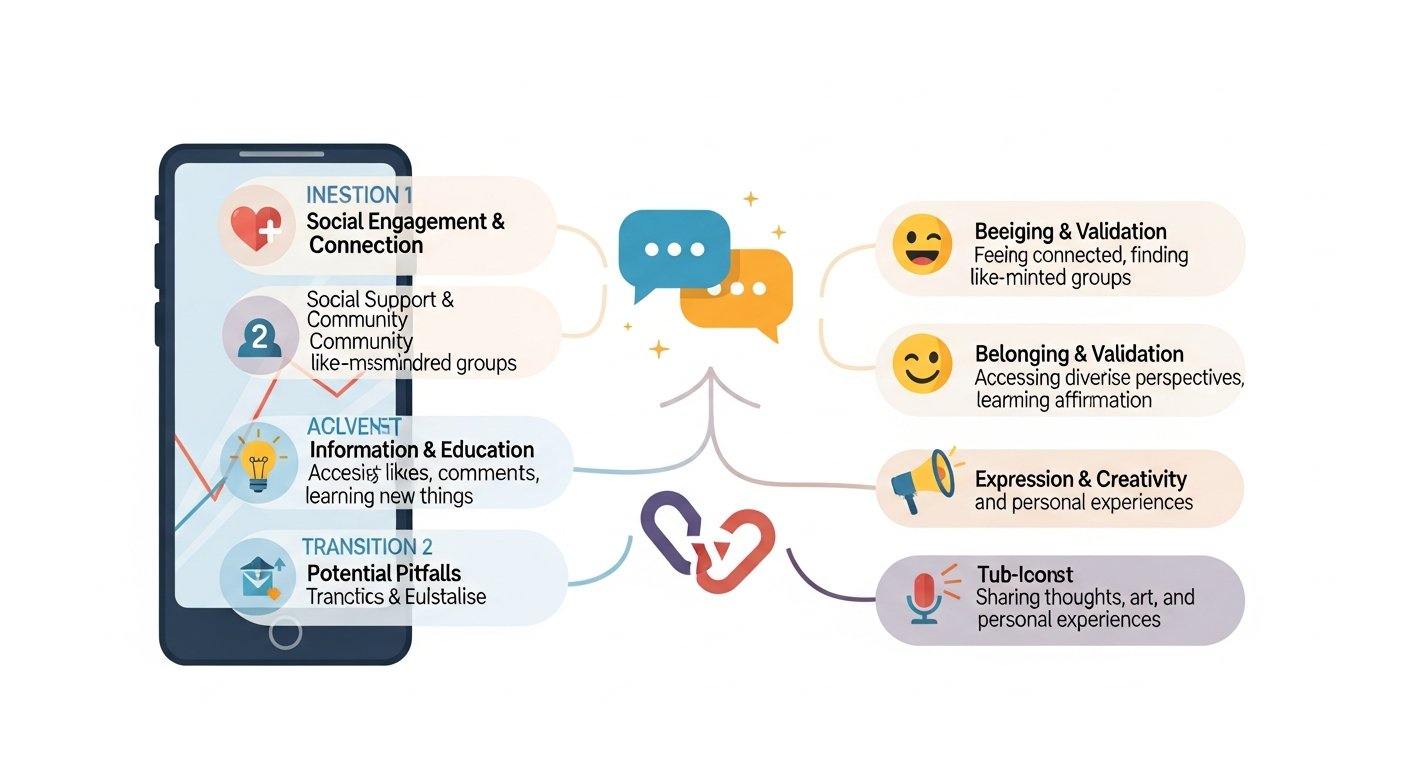
[INLINE IMAGE 1: place after second H2]
Positive Aspects and Opportunities for Connection via Social Media
While the discussion around the social media platform impact on mental health often highlights negative aspects, it is crucial to acknowledge the substantial positive contributions these platforms can make to Digital Wellness and Healthy Relationships. When used intentionally and mindfully, social media can serve as powerful tools for connection, community building, and access to vital information and support. This section explores the beneficial dimensions, emphasizing how thoughtful engagement can foster positive mental health outcomes.
Building Communities and Support Networks
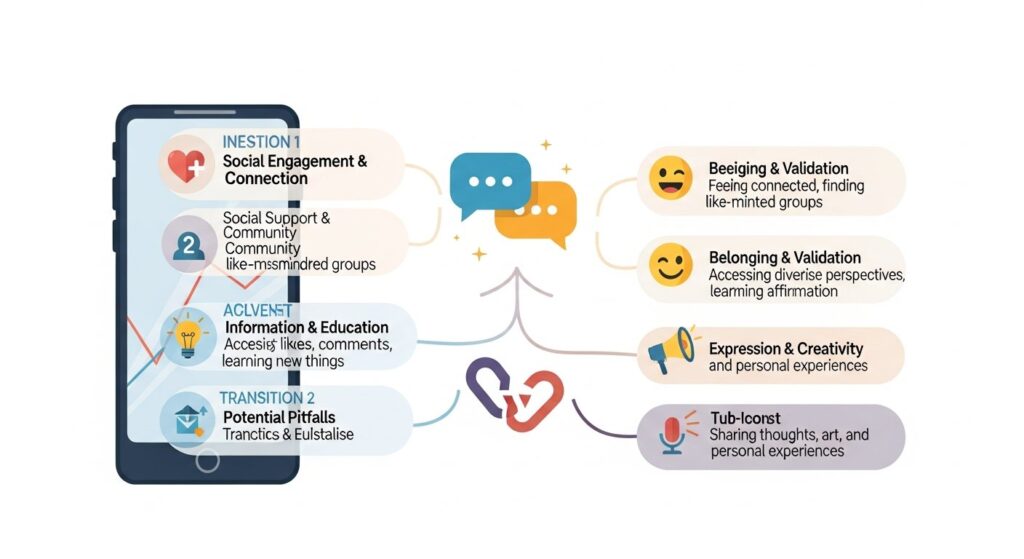
Social media platforms excel at connecting individuals across geographical boundaries, enabling the formation of diverse and inclusive online communities. For those with niche interests, rare conditions, or who feel isolated in their local environments, these platforms provide invaluable support networks. They facilitate shared experiences, offer spaces for empathy and understanding, and can be critical sources of emotional support, particularly in times of crisis. This sense of belonging and mutual aid can significantly counteract feelings of loneliness and contribute positively to mental well-being.
Access to Information and Diverse Perspectives
Beyond personal connections, social media serves as a vast repository of information, offering access to news, educational content, and diverse viewpoints from around the globe. Users can follow experts, engage with thought leaders, and learn about social issues, expanding their understanding of the world. This exposure to diverse perspectives can foster empathy, critical thinking, and a more informed citizenry. For individuals seeking mental health resources, platforms can also provide immediate access to support groups, professional advice, and awareness campaigns, bridging gaps in traditional care.
For a deeper dive into harnessing the benefits of digital interaction, see our dedicated article: Positive Aspects of Social Media.
Strategies for Cultivating Digital Wellness in a Connected World
Cultivating Digital Wellness is an active and ongoing process, especially given the constant evolution of social media platforms and their profound impact on mental health. This section outlines actionable strategies to empower individuals to reclaim control over their digital lives, moving from passive consumption to intentional use. Implementing these strategies is fundamental to protecting mental health and ensuring technology serves, rather than hinders, personal well-being and the development of Healthy Relationships.
What Are Practical Steps for a Digital Detox?
A digital detox is a period of intentionally reducing or eliminating screen time and social media use to reflect on one’s relationship with technology. Practical steps include:
- Set Clear Boundaries: Decide on a specific duration (e.g., a weekend, a few days) and define which apps or devices are off-limits.
- Inform Others: Let close friends and family know you’ll be less reachable to manage expectations.
- Plan Offline Activities: Replace screen time with activities you enjoy, such as reading, outdoor sports, hobbies, or face-to-face interactions.
- Remove Temptations: Delete social media apps temporarily, move devices out of sight, or turn off notifications.
- Reflect and Re-evaluate: Use the time to observe your thoughts and feelings without digital distractions. What did you miss? What didn’t you miss?
What success looks like: You feel a sense of calm and clarity, notice improved sleep quality, and enjoy offline activities more deeply, reducing your reliance on constant notifications.
What failure looks like: You constantly crave your phone, feel intense FOMO, or break your detox early without conscious reflection, indicating a deeper dependency.
Mindful Scrolling and Content Curation
Mindful scrolling involves engaging with social media with awareness and purpose, rather than defaulting to passive consumption. This means consciously choosing what to view, how long to spend, and reflecting on how content makes you feel. Content curation is a proactive step, involving unfollowing accounts that trigger negative emotions (e.g., comparison culture), muting overwhelming discussions, and actively seeking out positive, informative, or inspiring content. By tailoring your feed, you can transform a potential source of anxiety into a space that supports your mental well-being.
Utilizing Privacy and Notification Settings Effectively
The myriad settings within social media platforms offer powerful tools for protecting your mental health and maintaining online boundaries. Adjusting privacy settings allows you to control who sees your content and interacts with you, reducing exposure to unwanted attention or cyberbullying. Critically, managing notification settings can dramatically reduce the urge for constant checking. Turning off non-essential alerts, scheduling “do not disturb” times, or only allowing notifications from a select few can significantly decrease distraction and improve focus and sleep quality.
For a deeper dive into practical steps for a healthier digital life, see our dedicated article: Strategies for Digital Wellness.
[INLINE IMAGE 2: place after fourth H2]
Fostering Healthy Relationships in the Digital Age
The social media platform impact on mental health extends beyond individual well-being to profoundly shape the nature and quality of our Healthy Relationships. While social media offers new avenues for connection, it also introduces challenges related to authentic communication, presence, and boundaries. This section focuses on strategies to ensure that digital interactions complement, rather than detract from, the development and maintenance of strong, supportive, and meaningful connections in the real world.
Setting Healthy Boundaries for Online Interactions
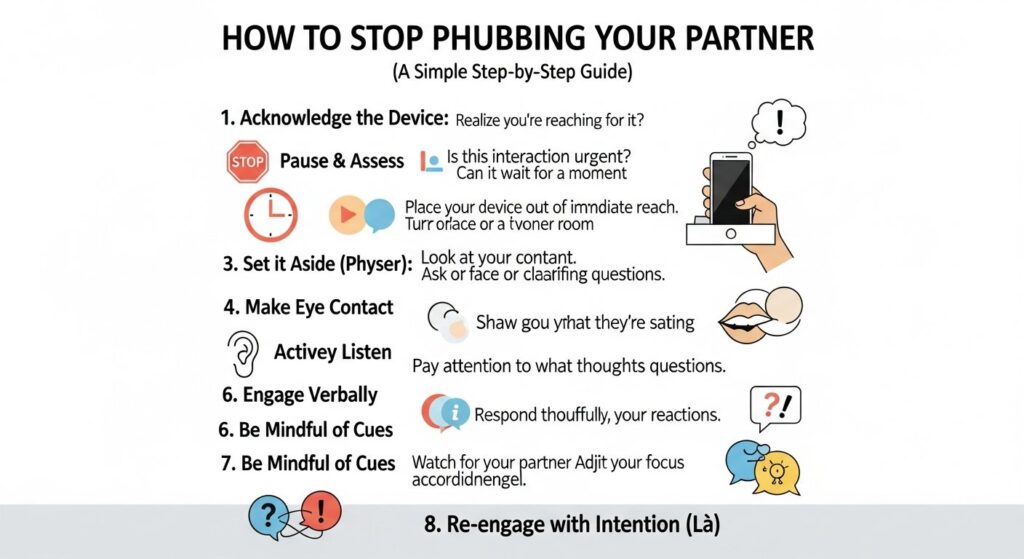
Establishing clear online boundaries is vital for protecting personal space and emotional energy within relationships. This means defining when and how you engage online. For instance, creating device-free zones or times, such as during meals or before bed, ensures dedicated time for offline interactions. It also involves being selective about who you connect with, what you share, and how quickly you respond to messages. Transparent communication with partners, friends, and family about these boundaries can prevent misunderstandings and foster mutual respect, strengthening authentic connection.
Prioritizing Face-to-Face Connection
Despite the convenience of digital communication, there’s no substitute for face-to-face interaction. Non-verbal cues, shared physical experiences, and direct eye contact are fundamental to building deep empathy and understanding that digital interfaces often cannot fully replicate. Actively prioritizing time for in-person meetings, phone calls, or video chats over text-based communication can enrich relationships, providing a depth of connection that supports overall mental health and resilience against feelings of isolation.
Communicating Authentically Online
The curated nature of social media can sometimes lead to superficial or misleading communication, where individuals present an idealized version of themselves. Fostering Healthy Relationships online requires a commitment to authentic connection. This means being genuine in your interactions, expressing true feelings when appropriate, and avoiding the temptation to compare your relationship with the often-unrealistic portrayals seen on others’ feeds. Focusing on meaningful engagement rather than chasing likes or validation helps build trust and mutual understanding.
For a deeper dive into navigating interpersonal connections in the digital sphere, see our dedicated article: Fostering Healthy Relationships in the Digital Age.
Common Misconceptions and Mistakes in Social Media Use
Navigating the complex social media platform impact on mental health requires not only adopting positive strategies but also recognizing and avoiding common pitfalls. Many individuals inadvertently make mistakes that undermine their Digital Wellness and strain Healthy Relationships. This section outlines prevalent misconceptions and errors in judgment or practice, offering clarity on how to avoid these traps and cultivate a more intentional and beneficial online experience.
- Believing “Cold Turkey” Digital Detoxes Are Always Effective: While a complete detox can be beneficial, attempting it without a plan or understanding of underlying habits can lead to rebound overuse. Sustainable change often comes from gradual, mindful adjustments rather than abrupt cessation.
- Ignoring Privacy Settings: Neglecting to customize privacy settings leaves individuals vulnerable to unwanted attention, data breaches, and a lack of control over their digital footprint, impacting their sense of security and mental well-being.
- Not Curating Your Feed for Positive Content: Passively consuming whatever the algorithm serves can expose you to negativity, comparison culture, or echo chambers. Failing to actively unfollow, mute, or block content that triggers anxiety or distress is a common oversight.
- Equating Online Interactions with Real-World Connection: While social media facilitates connection, mistaking likes and comments for deep, meaningful face-to-face interaction can lead to feelings of loneliness and superficial relationships.
- Chasing Validation Through Likes and Comments: Basing one’s self-esteem on digital metrics can lead to a fragile sense of self-worth, perpetuating a cycle of seeking external validation that is detrimental to mental health.
- Allowing Constant Notifications to Disrupt Life: Failing to manage constant notifications leads to frequent distractions, reduced focus, and impaired sleep quality, indicating a lack of control over one’s device.
- Over-Sharing Personal Information: Revealing too much personal detail can compromise safety, privacy, and contribute to digital fatigue and regret.
For a deeper dive into avoiding common errors in digital engagement, see our dedicated article: Common Mistakes in Social Media Use.
Measuring Your Digital Well-being: First-Hand Experience
Understanding the actual social media platform impact on mental health requires more than just theoretical knowledge; it demands personal observation and measurement. This section provides actionable ways to assess your own Digital Wellness, grounding the concept in tangible, first-hand experience. By tracking your habits and emotional responses, you can gain profound insights into how social media genuinely affects your mental health and your capacity for Healthy Relationships.
Begin by using the built-in screen time tracking tools available on most smartphones (e.g., Apple’s Screen Time, Android’s Digital Wellbeing). Track your daily and weekly usage for specific apps. Pay attention not just to the quantity of time, but the quality. How do you feel after 30 minutes of passively scrolling through an algorithmically curated feed versus 30 minutes of intentionally engaging with a friend’s post or learning from an educational account?
- Specific Measurement: For one week, log your daily social media screen time (in minutes) and, at the end of each day, rate your general mood (on a scale of 1-10, 1 being very low, 10 being very high) and your perceived level of anxiety or stress (1-10, 1 being calm, 10 being highly stressed). Also, note down how many times you pick up your phone out of habit versus for a specific purpose.
- What success looks like: A conscious reduction in passive, aimless scrolling, leading to observable improvements in sleep quality (e.g., falling asleep faster, waking up refreshed), reduced feelings of anxiety, and an increased capacity for focus and real-world engagement. You might notice your mood rating averages higher on days with lower screen time.
- What failure looks like: Screen time numbers remain high despite intentions, mood ratings consistently dip after extended periods of social media use, and you find yourself constantly distracted during face-to-face interaction. This indicates that your digital habits are negatively impacting your mental health and your ability to maintain Healthy Relationships.
Consider also the temperature of your online interactions: Do they feel warm, supportive, and reciprocal, or cold, distant, and competitive? Use these objective and subjective metrics to inform adjustments to your digital habits.
For a deeper dive into understanding and tracking your online habits, see our dedicated article: Measuring Your Digital Well-being.
Expert Perspectives on Social Media and Mental Health
The profound social media platform impact on mental health has garnered significant attention from experts across various fields, including psychology, public health, and digital ethics. Their collective insights underscore the urgency of addressing this issue and developing frameworks for Digital Wellness. This section integrates key perspectives from recognized professionals and organizations, adding depth and credibility to our understanding of the challenges and solutions for fostering Healthy Relationships in the digital age.
Psychologists frequently point to the role of algorithmic amplification in shaping user experience. These algorithms, designed to maximize engagement, can inadvertently create echo chambers, reinforcing existing biases and limiting exposure to diverse viewpoints. This lack of cognitive diversity can reduce empathy and contribute to societal polarization, affecting individuals’ mental health by fostering intolerance and stress. Furthermore, the constant stream of updates and the fear of missing out (FOMO) are often cited as contributors to heightened anxiety levels and poor sleep quality.
Public health organizations, such as the WHO, are increasingly issuing guidelines on healthy screen time and promoting digital literacy. They advocate for intentional use, encouraging individuals to understand the persuasive design elements of platforms and to cultivate self-awareness regarding their digital habits. Their focus is often on proactive measures like screen time management, setting online boundaries, and prioritizing face-to-face interaction to bolster mental well-being.
The consensus among experts is that while banning social media isn’t a realistic or entirely beneficial solution, fostering Digital Wellness through education, self-regulation, and potentially, platform design changes, is paramount. They stress that the individual responsibility to manage digital consumption must be supported by systemic efforts to create healthier online environments, ultimately benefiting both individual mental health and the fabric of Healthy Relationships.
For a deeper dive into the leading research and professional opinions on this topic, see our dedicated article: Expert Perspectives on Social Media and Mental Health.
Key Terms in Digital Wellness
| Term (Entity) | Definition (Attribute) | Relevance to Mental Health (Attribute) |
|---|---|---|
| Digital Wellness | A state of well-being achieved through intentional and balanced use of technology, minimizing negative impacts on physical and mental health. | Directly aims to protect and enhance mental health by promoting mindful engagement with digital devices and platforms. |
| Screen Time | The amount of time spent using devices with screens, such as smartphones, tablets, computers, and televisions. | Excessive screen time is linked to higher rates of anxiety, depression, and sleep disruption. |
| FOMO (Fear of Missing Out) | Anxiety that an exciting or interesting event may currently be happening elsewhere, often fueled by social media posts. | Contributes to constant checking, dissatisfaction with one’s own life, and increased anxiety. |
| Cyberbullying | The use of electronic communication to bully a person, typically by sending messages of an intimidating or threatening nature. | Causes severe emotional distress, depression, and can lead to long-term psychological trauma. |
| Algorithmic Bias | Systematic and repeatable errors in a computer system’s output that create unfair outcomes, such as reinforcing stereotypes or limiting diverse content exposure. | Can perpetuate echo chambers, increase polarization, and indirectly affect mental health by limiting exposure to diverse perspectives and potentially creating filter bubbles. |
| Digital Detox | A period of time during which a person refrains from using electronic devices or the internet, often to reduce stress or focus on social interaction. | A strategy to reset digital habits, reduce overstimulation, and improve sleep, focus, and overall mental well-being. |
The social media platform impact on mental health is an undeniable and multifaceted reality of our modern existence. While these platforms offer unparalleled opportunities for connection, learning, and community building, their inherent design and the ways in which we engage with them can pose significant risks to our mental well-being. By actively embracing the principles of Digital Wellness, we can navigate this complex landscape more effectively.
Cultivating Healthy Relationships in the digital age requires intentional effort—setting clear boundaries, prioritizing authentic face-to-face interaction, and curating a positive online environment. By understanding the dual nature of social media’s influence, recognizing common pitfalls, and implementing proactive strategies, individuals can transform their digital experiences from potential sources of anxiety and low self-esteem into tools that genuinely enhance their lives and foster deeper, more meaningful connections. The journey to optimal Digital Wellness is ongoing, demanding continuous self-awareness and adaptation in an ever-evolving digital world.