
The Hidden Toll of the Screen: What Current Phubbing Research Reveals About Our Relationships
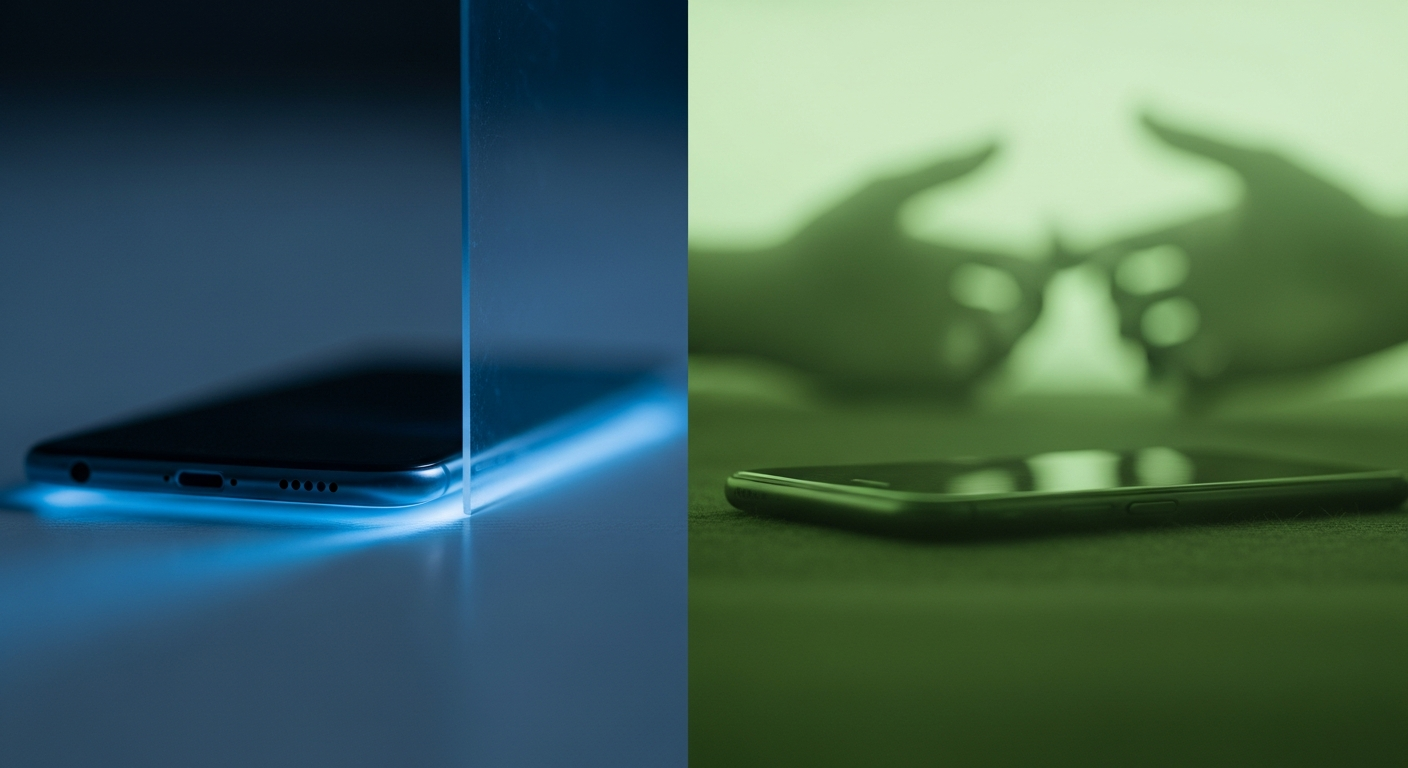
Imagine you are out for a romantic dinner. The lighting is perfect, the food is exceptional, and you are sharing a story about a challenge you faced at work. Mid-sentence, you notice your partner’s eyes drift downward. The familiar blue glow of a smartphone illuminates their face as they mindlessly scroll through a social media feed. In that moment, the connection is severed. This phenomenon is known as “phubbing”—a portmanteau of “phone” and “snubbing.”
As we move through 2026, the integration of technology into our daily lives has reached an all-time high, but so has our awareness of its psychological costs. Phubbing is no longer just a minor social faux pas; it has become a central focus of psychological studies regarding relationship longevity and mental health. For those seeking to improve their digital wellness, understanding the research behind phubbing is the first step toward reclaiming intimacy. This article explores the latest findings on how our devices are rewriting the rules of human connection and what you can do to protect your most valued bonds.
The Psychology of the “Snub”: Understanding Phubbing in the Digital Age
At its core, phubbing is an act of exclusion. When we choose our phones over the person standing in front of us, we are sending a powerful, albeit often subconscious, message: “What is on this screen is more important than you.” Research into the psychology of phubbing suggests that it triggers the same neural pathways as physical exclusion or social ostracism.
Humans are fundamentally social creatures with an evolutionary need for belonging. When a partner or friend phubs us, our brains interpret the distraction as a threat to our social standing within that relationship. According to recent 2026 digital wellness frameworks, the “always-on” nature of modern smartphones has normalized this behavior, leading many to engage in phubbing without even realizing they are doing it. This lack of intentionality doesn’t make the impact any less severe. In fact, because phubbing is often “accidental” or habitual, it can be harder to address than a direct argument, leading to a slow, quiet erosion of trust.
What the Research Says: How Phubbing Erodes Relationship Satisfaction
Extensive research into “Partner Phubbing” (or Pphubbing) has consistently shown a negative correlation between phone usage during shared time and overall relationship satisfaction. A landmark study revealed that individuals who felt frequently phubbed by their partners reported higher levels of relationship conflict and, subsequently, lower levels of life satisfaction.
The primary mechanism at work here is the interruption of “shared flow.” When two people are engaged in a deep conversation or a shared activity, they enter a state of emotional synchrony. A phone notification—and the subsequent checking of that notification—shatters this synchrony. Research indicates that it takes significantly longer to regain the same level of emotional intimacy after a phubbing incident than it does to recover from a standard interruption, like a waiter arriving at the table. This is because the phone represents a portal to an external world, signaling that the current environment is insufficient or boring.
Furthermore, phubbing has been linked to a decrease in “perceived partner responsiveness.” In healthy relationships, partners feel that their significant other is aware of and responsive to their needs. Phubbing creates a barrier to this responsiveness, making the “phubbee” feel invisible and undervalued.
The Attachment Link: Why Being Ignored for a Phone Hurts So Much
To understand why phubbing feels like such a deep betrayal, we must look at attachment theory. Our attachment styles—typically formed in childhood—dictate how we respond to intimacy and perceived abandonment in adulthood. For individuals with an anxious attachment style, phubbing is particularly devastating.
Research highlights that for those who are already prone to relationship anxiety, a partner’s phone use acts as a “triggering event.” It confirms their inner fear that they are not enough to hold their partner’s attention. This often leads to a “protest behavior,” where the ignored partner may become clingy, angry, or start their own phubbing as a defense mechanism.
Even for those with secure attachment styles, chronic phubbing can gradually shift the relationship dynamic toward insecurity. By 2026, psychologists have identified a trend where long-term phubbing creates a “digital wall” between couples. Over time, the partner being ignored stops making “bids for connection”—the small attempts at interaction, such as sharing a joke or pointing out something interesting—because they anticipate being rejected in favor of the screen. When bids for connection stop, the relationship enters a danger zone of emotional detachment.
Beyond the Couple: How Phubbing Impacts Friendships and Social Capital
While much of the research focuses on romantic pairs, the impact of phubbing on friendships and professional networks is equally significant. Social capital—the value we derive from our social networks—is built on a foundation of mutual respect and presence. Phubbing devalues this capital.
In group settings, phubbing often has a “contagion effect.” When one person pulls out a phone, it signals to the rest of the group that the social contract of being “present” has been suspended. Soon, everyone is on their phones, and the collective energy of the gathering dissipates. Research into social dynamics suggests that the mere presence of a smartphone on a table—even if it is turned face down—reduces the quality of conversation and lessens the degree of empathy felt between friends.
This is because the phone represents “absent presence.” You are physically there, but your cognitive and emotional resources are split. In 2026, as digital wellness becomes a more prominent social value, being “phone-present” is increasingly seen as a high-value social trait, while chronic phubbing is becoming a significant barrier to career advancement and deep social bonding.
The Mental Health Connection: Depression, Anxiety, and the Feedback Loop
The relationship between phubbing and mental health is a “vicious cycle.” Research indicates that individuals who struggle with depression and social anxiety are more likely to engage in phubbing as a way to cope with real-world social awkwardness. However, the act of phubbing then leads to poorer quality relationships, which in turn exacerbates feelings of loneliness and depression.
A 2026 meta-analysis of digital habits found that phubbing is a significant predictor of “technostress”—the stress caused by an inability to cope with new computer technologies in a healthy way. When we phub, we are often chasing a dopamine hit from a notification or a like. This temporary high is followed by a “crash” when we realize we have ignored the person in front of us, leading to feelings of guilt and inadequacy.
For the person on the receiving end, being phubbed frequently leads to “social pain,” which is processed in the same part of the brain as physical pain. Over time, this chronic social pain can contribute to a sense of “digital burnout,” where individuals feel exhausted by the effort of trying to compete with a device for their loved ones’ attention.
Reclaiming Your Connection: Evidence-Based Strategies for Digital Wellness
The good news is that phubbing is a habit, not a permanent personality trait. With intentionality and the right strategies, you can reverse the damage and improve your digital wellness. Here are evidence-based steps to reduce phubbing and strengthen your relationships:
1. **Establish “Phone-Free Zones” and Times:** Research suggests that physical boundaries are the most effective way to change digital behavior. Designate the dinner table, the bedroom, and the first 30 minutes after getting home as phone-free zones.
2. **Practice “The Phone Stack”:** When out with friends, have everyone place their phones in the center of the table. The first person to reach for their phone pays the bill or performs a pre-agreed-upon “forfeit.” This gamifies presence and makes it a collective goal.
3. **Use “Do Not Disturb” Strategically:** Modern operating systems in 2026 have advanced focus modes. Set your phone to automatically silence non-essential notifications when you are in proximity to your partner’s device or during specific hours of the evening.
4. **Narrate Your Phone Use:** If you must check your phone while with someone (e.g., checking a flight time or a work emergency), narrate your action. Say, “I’m just checking the weather for our walk tomorrow, I’ll be back in a second.” This reduces the feeling of “mysterious exclusion” for the other person.
5. **Audit Your Notifications:** Most phubbing is triggered by “phantom vibrations” or unnecessary pings. Turn off all but the most essential notifications to regain control over your attention.
By implementing these digital wellness practices, you move from a state of reactive technology use to intentional living. The goal isn’t to eliminate technology, but to ensure that it serves your relationships rather than dictating them.
FAQ: Understanding and Overcoming Phubbing
#
1. What is the main cause of phubbing?
The primary causes are often related to smartphone addiction, a high “Fear of Missing Out” (FOMO), and poor impulse control. In some cases, it is a learned behavior from one’s social circle or a maladaptive coping mechanism for social anxiety.
#
2. Can a relationship recover from chronic phubbing?
Yes. Recovery starts with an honest conversation about how phubbing makes each partner feel. Setting clear boundaries and prioritizing “quality time” without screens can rebuild the emotional intimacy that was lost.
#
3. Is phubbing as bad as other relationship conflicts?
While it may seem minor compared to an argument, research suggests that the *frequency* of phubbing makes it particularly damaging. It is a “micro-aggression” that, when repeated daily, can be more corrosive than an occasional heated disagreement.
#
4. How do I tell my partner they are phubbing me without starting a fight?
Use “I” statements to express your feelings rather than “You” statements to blame. For example: “I feel a bit disconnected when we are talking and you check your phone. Could we put our phones away for this conversation?”
#
5. Are there apps to help with digital wellness?
In 2026, most smartphones have built-in “Digital Wellbeing” or “Screen Time” dashboards. Additionally, apps that “plant virtual trees” or reward you for staying off your phone during set periods can be highly effective in breaking the phubbing habit.
Conclusion: Prioritizing Presence in a Distracted World
The research into phubbing serves as a powerful reminder that our attention is one of the most valuable gifts we can give to another person. While the digital world offers endless entertainment and information, it cannot replace the depth and nuance of a face-to-face human connection. As we navigate the complexities of life in 2026, the challenge is to remain the masters of our devices, rather than their servants.
Improving your digital wellness isn’t about retreating from the modern world; it’s about making a conscious choice to prioritize the people who matter most. By understanding the psychological impact of phubbing and taking proactive steps to limit it, you can foster deeper intimacy, reduce social anxiety, and build a relationship that is truly “connected”—no Wi-Fi required. The next time you feel the urge to reach for your phone during a conversation, remember the research: the most important thing is right in front of you.