

Phone-Free Date Nights That Don’t Feel Forced
TL;DR: Digital distractions are silently harming our relationships. This guide offers practical, empathetic strategies to create phone-free date nights that genuinely enhance connection and intimacy, without feeling forced or impractical. Reclaim your time together by mindfully engaging with each other, not your screens.
Understanding the “Why”: The Hidden Costs of Digital Distraction
Before we dive into actionable strategies, it’s crucial to understand why phone-free date nights are so important. The constant presence of our devices, even when not actively in use, creates a subtle but pervasive barrier to intimacy. Consider the concept of “attention residue,” a term coined by productivity researcher Sophie Leroy. It describes how, even after switching tasks, our attention partially remains with the previous task. When applied to relationships, checking a notification or briefly glancing at a phone means a portion of our cognitive resources is still processing that digital interaction, making it harder to fully engage with our partner.
This fragmented attention manifests as “phubbing,” a portmanteau of “phone” and “snubbing.” Studies, such as those by Dr. James Roberts and Meredith David, have consistently shown that phubbing negatively impacts relationship satisfaction, communication quality, and feelings of closeness. When one partner phubs the other, the recipient often feels ignored, undervalued, and less connected. This can lead to increased conflict, decreased intimacy, and a general sense of loneliness within the relationship, even when physically together.
Beyond the direct impact of phubbing, the mere presence of a phone on a table can alter the dynamic of an interaction. Research from the University of Essex found that even having a phone nearby, without being used, reduced feelings of empathy and closeness during conversations. Why? Because the phone acts as a constant reminder of the outside world, subtly signaling that there are other, potentially more interesting, things vying for our attention. This implicit message can make a partner feel secondary, eroding the foundation of mutual respect and focused attention that healthy relationships thrive on.
Furthermore, our brains are wired for novelty and reward. Social media notifications, emails, and messages trigger dopamine releases, creating a powerful addictive loop. Breaking this loop isn’t just about willpower; it’s about re-training our brains to find reward in sustained, deep human connection. When we commit to phone-free dates, we’re not just removing a distraction; we’re actively choosing to invest our full, undivided attention into our partner, signaling their immense value and importance. This investment fosters a sense of security, validation, and deep emotional resonance, strengthening the very fabric of your relationship. Understanding these hidden costs helps reframe phone-free dates not as a chore, but as a vital practice for nurturing a vibrant, connected partnership.
Setting the Stage: Pre-Date Digital Detox Strategies
The idea of a phone-free date can feel daunting, especially if you and your partner are accustomed to constant digital access. The key is to make the transition feel natural and intentional, not like a sudden, restrictive ban. This starts with effective pre-date digital detox strategies that prepare both your mind and your environment for true presence.
Firstly, open communication is paramount. Before the date, discuss your intentions with your partner. Explain why you want to try a phone-free experience – perhaps you’ve noticed a dip in connection, or you simply crave deeper intimacy. Frame it as an exciting experiment to enhance your time together, rather than a punitive measure. You might say, “I’ve been feeling like our phones sometimes get in the way of really connecting, and I was thinking it would be wonderful to try a date night where we focus completely on each other. What do you think?” This collaborative approach ensures buy-in and reduces potential defensiveness.
Next, address practical concerns. Many people cite emergencies as a reason for keeping their phones close. Discuss a contingency plan. Perhaps one partner keeps their phone on silent in a bag for emergencies only, or you agree to check it briefly at a pre-determined time if there’s a specific concern (e.g., waiting for a babysitter update). The goal isn’t absolute isolation, but intentional disconnection. Establish clear boundaries around what constitutes an “emergency” to prevent casual checking.
Physically preparing for the detox is also crucial. Before you leave the house or begin your at-home date, put your phones away. Designate a “phone basket” or a drawer in another room. Turn off notifications or switch to airplane mode. This physical act of separation creates a symbolic boundary. It tells your brain, “I am now entering a different mode of engagement.” For some, a digital “wind-down” period before the date can be helpful – avoid heavy screen use for an hour or so beforehand to reduce the immediate urge to check. Think of it like preparing for sleep; you wouldn’t jump straight from a bright screen to bed, so don’t jump straight from constant scrolling to deep connection.
Finally, mentally prepare for the potential discomfort. You might experience what some call “phantom vibration syndrome” or a general feeling of restlessness. Acknowledge these feelings without judgment. Remind yourself of the goal: deeper connection with your partner. This pre-date preparation isn’t about deprivation; it’s about intentionality. By discussing, planning, and physically detaching, you create a fertile ground for a truly present and fulfilling date night, setting yourselves up for success before you even begin the activity itself.
Beyond Dinner & A Movie: Creative Phone-Free Date Ideas
The secret to successful phone-free date nights is choosing activities that naturally absorb your attention and foster interaction, making the absence of your phone feel less like a void and more like an opportunity. While dinner and a movie can be lovely, they often leave gaps for digital distraction (during lulls in conversation, or before the movie starts). Let’s explore some creative alternatives that lend themselves beautifully to undivided attention.
Engaging in a shared creative pursuit is an excellent way to foster connection. Try a pottery class, a painting workshop, or even a cooking class where you learn a new cuisine together. These activities require focus, collaboration, and provide natural conversation starters as you navigate the process. The tangible outcome also serves as a lovely reminder of your shared experience. Similarly, hands-on activities like building a LEGO set, assembling a puzzle, or even tackling a small DIY home project together can be incredibly bonding. The shared challenge and problem-solving create a sense of teamwork and accomplishment, diverting attention from screens.
For those who enjoy a bit of friendly competition, board games or card games are perfect. From classic chess to cooperative strategy games, these activities demand strategic thinking, communication, and offer plenty of opportunities for laughter and playful banter. The inherent structure of a game keeps your minds engaged with each other, rather than external stimuli. Similarly, an escape room challenges you to work together, communicate effectively, and solve puzzles under pressure – an intense and rewarding phone-free experience.
Embrace the outdoors. A hike in a local park, a scenic bike ride, or even a leisurely stroll through a botanical garden offers a chance to connect with nature and each other. The beauty of your surroundings provides a backdrop for conversation, and the physical activity can release endorphins, enhancing your mood and openness. Pack a picnic, leave the phones in the car, and truly immerse yourselves in the environment and each other’s company. Even stargazing or watching a sunset can be incredibly romantic and phone-free, encouraging quiet contemplation and shared awe.
Finally, consider dates that involve active listening and storytelling. Visit a local museum or art gallery and discuss your interpretations of the exhibits. Attend a live performance – a concert, a play, or a stand-up comedy show – where the focus is entirely on the stage. Afterward, debriefing the experience provides rich material for conversation. The key is to select activities that encourage shared experience, conversation, and mutual engagement, making the absence of your phone not just tolerable, but genuinely liberating and enjoyable.
Mastering Mindful Presence: Techniques for Deeper Connection
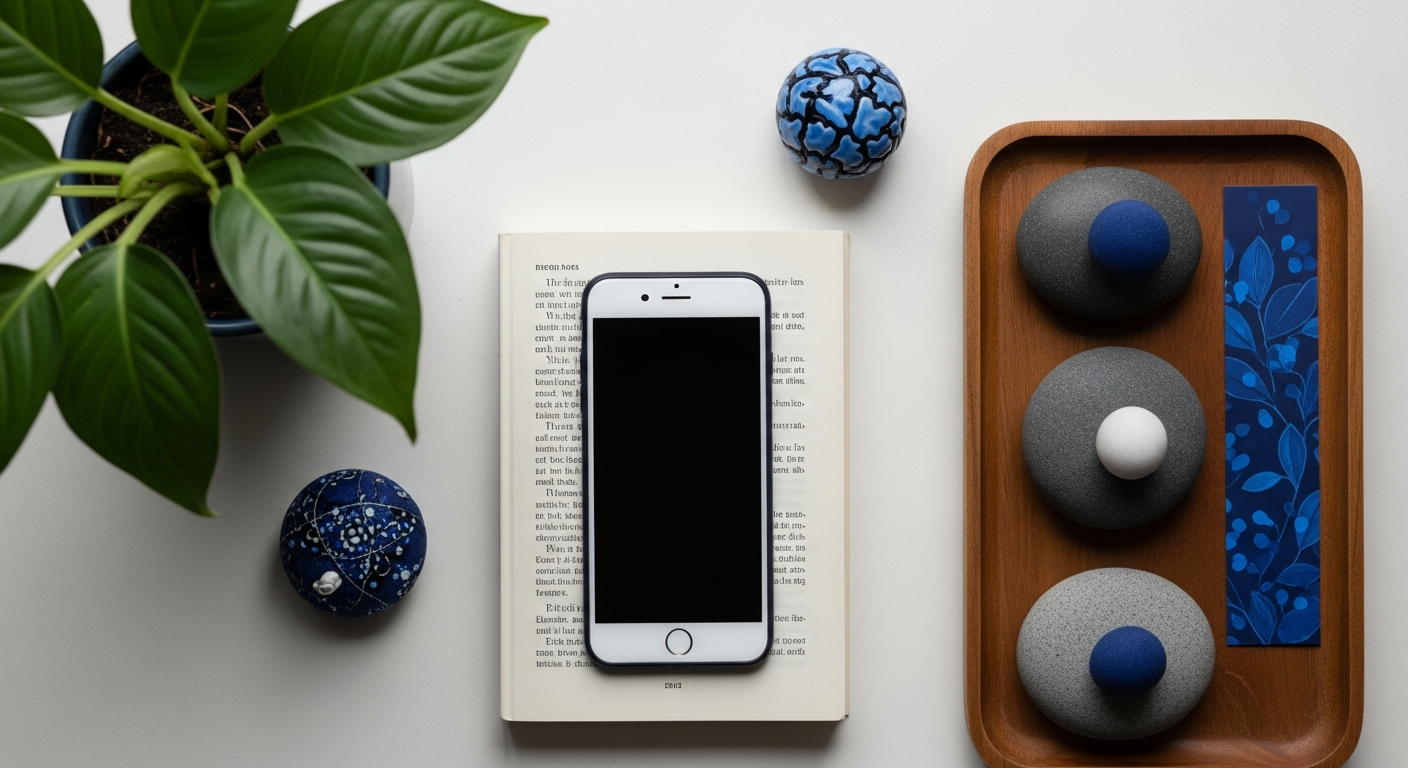
Putting the phone away is the first step; truly being present is the art. Mindful presence means fully engaging your senses, thoughts, and emotions in the current moment with your partner. It’s about more than just physical proximity; it’s about mental and emotional availability. This deep level of connection doesn’t always come naturally in our fast-paced, distracted world, but it can be cultivated through conscious practice.
One of the most powerful tools for mindful presence is active listening. This goes beyond simply hearing words; it involves paying full attention to your partner’s verbal and non-verbal cues. Make eye contact, nod to show you’re engaged, and resist the urge to interrupt or formulate your response while they’re still speaking. Reflect back what you hear (“So, what I’m hearing is…”), ask clarifying questions, and validate their feelings (“That sounds really frustrating,” or “I can see why you’d feel happy about that”). Research by Dr. John Gottman, a leading relationship expert, consistently highlights active listening and showing genuine interest as cornerstones of strong, lasting relationships. When partners feel truly heard and understood, it fosters trust and emotional intimacy.
Another technique is to practice “curiosity” about your partner. Even if you’ve been together for years, there’s always more to discover. Ask open-ended questions that invite deeper reflection rather than simple yes/no answers. Instead of “How was your day?”, try “What was the most surprising thing that happened today?” or “What’s something you’re looking forward to this week, and why?” This approach, often associated with attachment theory, helps individuals feel seen and valued, strengthening their secure attachment to their partner. Share your own thoughts and feelings vulnerably in return, creating a reciprocal space for intimacy.
Engage all your senses during your date. If you’re having a meal, truly taste the food, notice the aromas, and appreciate the presentation. If you’re walking in a park, feel the breeze, listen to the birds, and observe the details of nature. This sensory engagement grounds you in the present moment and pulls your attention away from internal distractions. Psychologist Mihaly Csikszentmihalyi’s concept of “flow state” – being completely immersed in an activity – is a powerful analogy here. When you’re in flow, time seems to disappear, and your attention is totally consumed. While you might not achieve a full flow state on every date, striving for that level of immersive presence will dramatically enhance your connection.
Finally, practice gratitude. Take a moment during the date, or even afterward, to express genuine appreciation for your partner and the time you’ve spent together. A simple “I really enjoyed spending this time with you, thank you for being so present” can reinforce the positive experience and encourage future phone-free dates. By consciously employing these techniques, you transform a phone-free date from a mere absence of screens into a rich, deeply connecting experience that nourishes your relationship at its core.
Navigating the Urge: How to Handle Digital Cravings Together
Even with the best intentions, the pull of the phone can be surprisingly strong. Our devices are designed to be addictive, offering constant stimulation and instant gratification. It’s not a sign of weakness if you or your partner feel the urge to check a notification, scroll, or simply reach for your device. What matters is how you navigate these cravings together, transforming potential friction into an opportunity for greater understanding and connection.
First, acknowledge that these urges are normal. It’s helpful to discuss this beforehand: “Hey, we might both feel that pull to check our phones tonight. Let’s agree that if we do, we’ll gently remind each other, and it’s not a judgment.” This preemptive discussion creates a safe space, removing shame and fostering mutual support. When an urge arises, instead of succumbing, pause and observe it. What’s the underlying feeling? Is it boredom, anxiety, FOMO (fear of missing out), or simply habit? Understanding the root can help you address it more effectively.
Develop a shared “digital craving coping mechanism.” This could be a lighthearted signal – a specific word, a gentle tap on the hand, or even a subtle eye roll – that communicates, “Hey, your attention is drifting.” The key is for this signal to be agreed upon and used with affection, not accusation. Once acknowledged, pivot back to the present moment. You might ask your partner a question about their day, point out something interesting in your surroundings, or simply re-engage in the conversation you were having. The goal is to redirect attention back to each other.
If the craving is particularly strong for one partner, the other can offer support. Instead of saying, “Stop looking at your phone!”, try, “Is there something specific you’re worried about missing? Let’s talk about it.” Sometimes, an urgent work email or a family concern might genuinely be on someone’s mind. If it’s truly critical, you can briefly address it together, perhaps by setting a timer for a quick check, and then immediately re-engaging. This shows empathy and teamwork, rather than creating an adversarial dynamic.
Remember that consistency builds new habits. The more you successfully navigate these urges, the weaker they become. Each time you choose connection over convenience, you reinforce a new neural pathway, strengthening your ability to be present. Celebrate these small victories! After a successful phone-free date, acknowledge how good it felt to be truly present. “I really loved how much we talked tonight without distractions. It felt so good to just focus on us.” This positive reinforcement helps solidify the new behavior and motivates both partners to continue the practice. Handling digital cravings together strengthens not only your ability to disconnect but also your communication and mutual support within the relationship.
Making it a Habit: Sustaining Phone-Free Connection Long-Term
One phone-free date is a wonderful start, but the true magic happens when you integrate this practice into the ongoing rhythm of your relationship. Sustaining phone-free connection long-term transforms it from a special occasion into a foundational element of your intimacy. This requires intentionality, flexibility, and a commitment to continuous effort from both partners.
Start by establishing a realistic frequency. Not every date needs to be entirely phone-free, especially if you’re just beginning. Perhaps you aim for one phone-free date night a week, or even just one evening a week where phones are put away after dinner. Consistency, even in small doses, is more impactful than sporadic grand gestures. Discuss with your partner what feels achievable and comfortable for both of you, ensuring it feels like a shared commitment rather than a burden.
Expand the concept beyond formal “dates.” Look for opportunities to create smaller, phone-free moments throughout your day. This could be a “no phones at the breakfast table” rule, a 15-minute “connection check-in” after work where devices are off-limits, or even making the car a phone-free zone for conversations. These micro-moments accumulate, reinforcing the habit of presence and strengthening your bond in everyday life. The cumulative effect of these small, intentional disconnections can be profound, building a robust foundation of shared attention.
Reflect and adjust regularly. After a few phone-free dates or weeks, check in with your partner. What worked well? What was challenging? Are there certain activities that make it easier or harder to stay disconnected? Perhaps you discovered that outdoor activities are great, but cooking together still tempts you to look up recipes on your phone. Be open to feedback and willing to adapt your strategies. This iterative process ensures that phone-free practices remain relevant and enjoyable for both of you, preventing them from feeling stale or forced.
Consider creating shared rituals around digital detox. This could be a “digital sunset” where all devices are put away at a certain time each evening, or a “weekend digital Sabbath” for a few hours. These rituals provide clear boundaries and create anticipation for dedicated connection time. By making it a shared experience, you reinforce your mutual commitment. Remember, the goal isn’t to demonize technology, but to consciously choose when and how it fits into your life, ensuring it enhances, rather than detracts from, your most important relationships. By making phone-free connection a consistent habit, you are actively investing in the health, happiness, and longevity of your partnership.
| Common Digital Distraction | Impact on Connection | Phone-Free Solution / Alternative |
|---|---|---|
| Scrolling social media during lulls | Leads to feelings of being ignored, superficial engagement. | Engage in “curiosity questions” about your partner, or play a quick tabletop game. |
| Checking notifications (texts, emails) | Breaks focus, creates “attention residue,” signals external priorities. | Designate a “phone parking spot” (out of sight), agree on emergency protocols only. |
| Taking photos/videos of everything | Shifts focus from experiencing the moment to documenting it for others. | Focus on creating shared memories; describe the moment to each other in vivid detail. |
| Using phone for directions/restaurant search | Can hijack the start of the date, leading to immediate digital immersion. | Plan ahead! Print directions, make reservations, or explore spontaneously with a physical map. |
| Playing mobile games together | Shared activity, but still screen-focused and often solitary within the game. | Opt for physical board games, card games, or a collaborative puzzle. |
| “Just quickly checking the score/news” | Small distractions accumulate, signaling that external events are more important. | Set a “digital check-in” time before/after the date, not during. |