

Phone Use as Anxiety Coping Mechanism: Healthy Alternatives
TL;DR: Using your phone to cope with anxiety offers temporary relief but can worsen long-term well-being and relationships. Discover why this habit forms and learn practical, non-digital strategies to manage anxiety, build stronger connections, and foster a healthier relationship with technology.
Understanding the Cycle: Why We Reach for Our Phones
The impulse to reach for our phones when anxiety strikes is deeply rooted in our psychology, a complex interplay of immediate gratification, avoidance, and learned behavior. At its core, anxiety is an uncomfortable emotional state, characterized by feelings of worry, unease, and fear. Our brains are wired to seek relief from discomfort, and the smartphone, with its myriad distractions, offers an immediate, accessible escape. This isn’t a conscious, malicious choice; it’s often an automatic response to an unpleasant internal experience.
One primary driver is the “dopamine hit.” Every notification, every new like, every engaging video triggers a small release of dopamine, a neurotransmitter associated with pleasure and reward. This creates a positive feedback loop: feel anxious → check phone → get a dopamine hit → temporary relief → reinforce the behavior. Over time, the brain learns to associate the phone with this quick burst of pleasure, making it a go-to strategy when facing any form of distress. Research published in journals like Cyberpsychology, Behavior, and Social Networking frequently highlights how intermittent rewards (like unpredictable notifications) are particularly potent in creating addictive behavioral patterns, similar to those seen in gambling.
Beyond dopamine, phones offer a potent form of distraction and avoidance. When we’re scrolling, our minds are occupied, pulling us away from the anxious thoughts or feelings we’d rather not confront. This can feel like a reprieve, but it’s a superficial one. Instead of processing or addressing the root cause of our anxiety, we simply postpone it. This avoidance can prevent us from developing essential coping skills, as we never practice sitting with discomfort or actively problem-solving. It creates an illusion of control, suggesting that by ignoring the anxiety, it will somehow dissipate, when in reality, it often festers beneath the surface, resurfacing later with greater intensity.
Furthermore, the fear of missing out (FOMO) and the fear of being offline (FOBO) contribute significantly to this cycle. When anxious, we might feel a heightened need to connect, to see what others are doing, or to ensure we’re not being excluded. This drives us to open social media apps, even if the content itself doesn’t genuinely alleviate our anxiety and can sometimes even exacerbate it by fostering social comparison. The phone becomes a security blanket, a portal to a perceived connection that, paradoxically, can leave us feeling more isolated. Understanding these underlying mechanisms is the first crucial step toward breaking free from this unhelpful coping strategy and building more resilient emotional health.
The Hidden Costs: How Phone Coping Impacts Well-being and Relationships

While the immediate relief offered by phone-based coping can be tempting, the long-term consequences for both individual well-being and relational health are significant and often underestimated. This digital crutch, initially perceived as a solution, can inadvertently deepen the very anxiety it seeks to soothe, creating a detrimental feedback loop.
For individual well-being, excessive phone use as a coping mechanism is linked to a host of negative outcomes. Studies have consistently shown correlations between high screen time and increased levels of anxiety and depression. Instead of processing emotions, we numb them, leading to emotional dysregulation and a reduced capacity to handle stress in the future. Our sleep patterns are particularly vulnerable; the blue light emitted from screens disrupts melatonin production, making it harder to fall asleep and reducing sleep quality. This, in turn, amplifies anxiety, creating a vicious cycle where poor sleep exacerbates anxious feelings, driving us back to the phone for distraction, further disrupting sleep. Cognitive functions also suffer; constant switching between apps and notifications fragments our attention, diminishing our ability to focus, concentrate, and engage in deeper, more meaningful cognitive tasks. The brain, accustomed to rapid, superficial information processing, struggles with sustained attention, which is crucial for problem-solving and emotional resilience.
The impact on relationships is equally profound. When one or both partners frequently use their phones during shared time, it creates a phenomenon known as “phubbing” (phone snubbing). Phubbing communicates a subtle but powerful message: “My phone is more interesting than you.” This erodes trust, reduces perceived partner responsiveness, and lowers relationship satisfaction. Research published in Computers in Human Behavior has repeatedly demonstrated that technoference – everyday intrusions of technology into social interactions – is associated with poorer relationship quality and increased conflict. When we’re constantly checking our phones, we’re not fully present. We miss non-verbal cues, important nuances in conversation, and opportunities for genuine emotional connection. This lack of presence can make partners feel unheard, undervalued, and isolated, leading to feelings of loneliness even when physically together. The very act of seeking solace in our phones can inadvertently push away the people who could offer real, empathetic support, leaving us more isolated and, ironically, more anxious.
Ultimately, relying on our phones to manage anxiety prevents us from developing a robust internal emotional toolkit. It teaches us to avoid rather than confront, to distract rather than process. This avoidance can hinder personal growth and make us more vulnerable to anxiety in the long run, while simultaneously damaging the very relationships that could serve as powerful buffers against stress and emotional distress.
Mindful Digital Engagement: Reclaiming Your Relationship with Technology
Reclaiming a healthy relationship with technology isn’t about outright rejection; it’s about intentionality and mindfulness. Just as we learn to eat mindfully or practice mindful breathing, we can cultivate mindful digital engagement, transforming our phones from anxiety-driven crutches into purposeful tools. This approach acknowledges that technology is an integral part of modern life but empowers us to use it deliberately, rather than being used by it.
One of the foundational steps is to create designated “phone-free” zones and times. This could mean no phones at the dinner table, during family time, in the bedroom an hour before sleep, or during specific work blocks. These boundaries signal to your brain and those around you that certain moments are reserved for real-world connection and presence. Consider establishing a “digital Sabbath” – a period of a few hours or even a full day each week where you intentionally disconnect. This practice, often rooted in ancient traditions of rest, can offer profound psychological benefits, allowing your mind to decompress and reconnect with your surroundings.
Another powerful strategy is to take control of your notifications. Most apps are designed to grab your attention constantly, creating a sense of urgency and often triggering anxiety. Turn off non-essential notifications for social media, news, and even many messaging apps. Allow only critical alerts, if any, to break through your focus. This simple act reduces the constant pull of your device, giving you back agency over your attention. Instead of reacting to every ping, you choose when and how to engage with your phone. When you do pick up your device, practice intentional checking: instead of aimless scrolling, open the specific app you need, accomplish your task, and then close it. Ask yourself, “What is my purpose for picking up my phone right now?” before unlocking it.
Integrating mindfulness principles into your phone use can also involve regular “check-ins.” Before opening an app, pause and notice how you’re feeling. Are you anxious, bored, lonely? Acknowledge the feeling without judgment. Then, consider if the intended phone activity will truly serve you or if it’s merely a distraction. After using your phone, take another moment to observe its impact on your mood and energy levels. Did it make you feel better or worse? More connected or more isolated? This self-awareness, akin to the practices taught in Mindfulness-Based Stress Reduction (MBSR) programs, builds a conscious understanding of your digital habits and their emotional consequences, paving the way for healthier choices. By approaching technology with awareness and intention, you can transform your relationship with your device, making it a servant to your well-being rather than a master of your anxiety.
Building Your Emotional Toolkit: Non-Digital Anxiety Coping Strategies
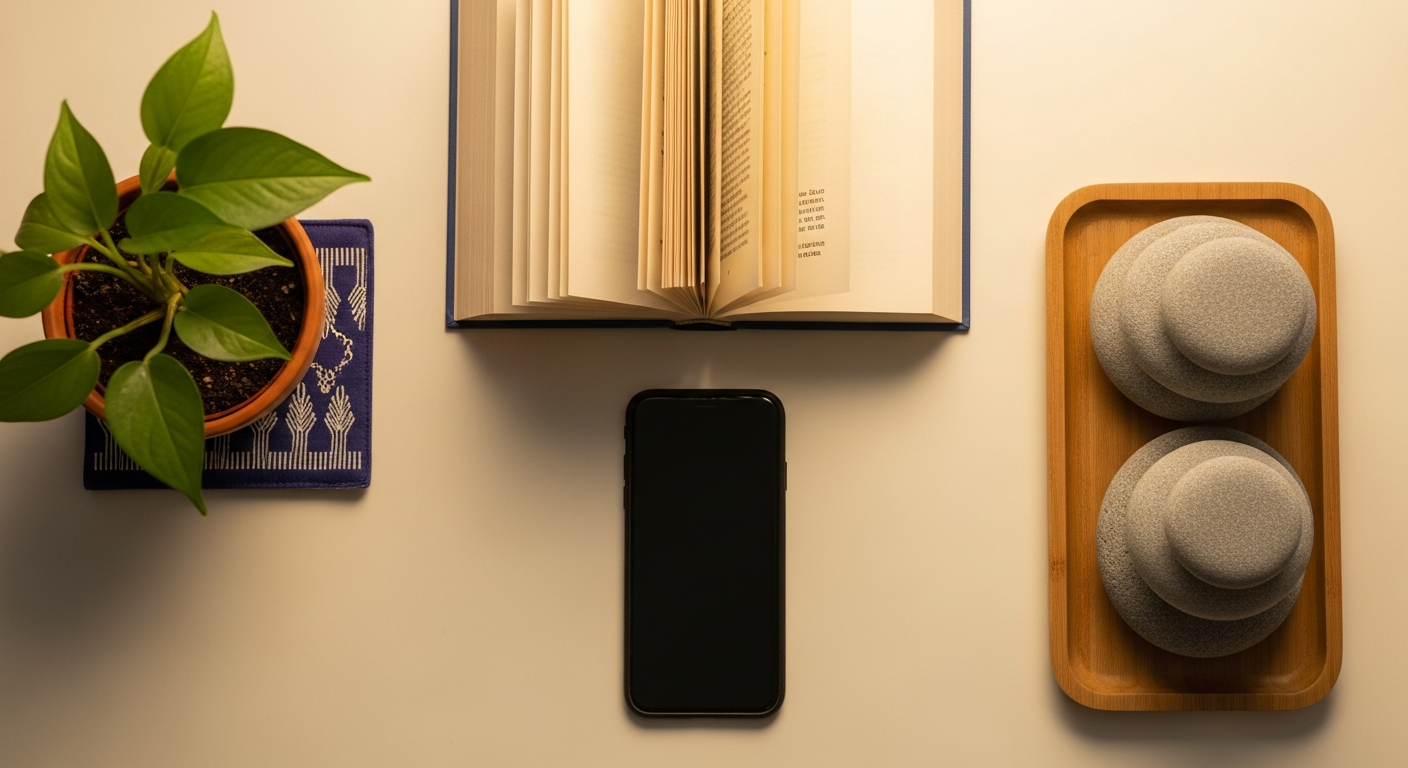
The most effective antidote to relying on your phone for anxiety relief is to cultivate a robust internal “emotional toolkit” – a collection of non-digital, healthy coping mechanisms that empower you to face discomfort directly and build genuine resilience. These strategies don’t offer a quick fix like a dopamine hit, but they provide sustainable relief and foster long-term emotional well-being.
One of the most accessible and powerful tools is deep breathing. When anxious, our breathing becomes shallow and rapid, signaling to our body that we’re in danger. Consciously slowing and deepening your breath can activate the parasympathetic nervous system, triggering the body’s “rest and digest” response. Techniques like diaphragmatic breathing (breathing into your belly) or the 4-7-8 method (inhale for 4, hold for 7, exhale for 8) can quickly calm the nervous system. Regular practice can lower overall stress levels and improve your ability to cope with acute anxiety.
Physical activity is another cornerstone of anxiety management. Exercise, whether it’s a brisk walk, a yoga session, or a high-intensity workout, releases endorphins, natural mood elevators. It also provides a constructive outlet for pent-up energy and tension, helping to clear the mind and reduce rumination. Even short bursts of movement can be beneficial. Similarly, spending time in nature – “forest bathing” or simply a walk in a park – has been scientifically linked to reduced stress hormones, improved mood, and enhanced cognitive function. The calming effects of natural environments offer a powerful contrast to the overstimulation of digital spaces.
For processing anxious thoughts, journaling can be incredibly therapeutic. Writing down your worries allows you to externalize them, gaining perspective and often identifying patterns or triggers. It can transform vague anxieties into concrete concerns that can then be addressed more effectively. This practice, often used in Cognitive Behavioral Therapy (CBT), helps challenge irrational thoughts and reframe negative narratives. Similarly, progressive muscle relaxation involves tensing and then relaxing different muscle groups throughout the body. This practice helps you become more aware of physical tension associated with anxiety and provides a systematic way to release it.
Finally, engaging in creative activities or hobbies can be a fantastic way to redirect anxious energy. Whether it’s painting, playing an instrument, gardening, or cooking, these activities offer flow states – moments of deep immersion where time seems to disappear, providing a welcome respite from anxious thoughts. Building these diverse, non-digital strategies into your daily life equips you with real power over your anxiety, moving you from passive distraction to active, empowered self-care.
Strengthening Real-World Connections: The Antidote to Digital Isolation
In our increasingly digital world, it’s easy to mistake online interactions for genuine connection. However, numerous studies, including those by researchers like Dr. Sherry Turkle, highlight that while technology offers constant connection, it can also lead to a new form of isolation. When we rely on our phones to cope with anxiety, we often retreat further into digital spaces, inadvertently sacrificing the very real-world connections that are scientifically proven to be powerful buffers against stress and anxiety. Strengthening these authentic bonds is not just a healthy alternative; it’s a fundamental human need and a potent antidote to digital isolation.
Human connection provides a sense of belonging, validation, and emotional support that screens simply cannot replicate. When we engage face-to-face, we benefit from the full spectrum of non-verbal cues – eye contact, body language, tone of voice – which are crucial for empathy and understanding. These interactions release oxytocin, often called the “love hormone,” which promotes bonding and reduces stress. Actively scheduling and prioritizing face-to-face time with friends, family, or even colleagues can significantly enhance well-being. This might involve setting up a weekly coffee date, joining a book club, volunteering in your community, or simply committing to device-free meals with loved ones.
Beyond simply being present, the quality of interaction matters immensely. Practicing active listening is key. When someone is speaking, give them your full, undivided attention. Put your phone away, make eye contact, and genuinely try to understand their perspective. Ask clarifying questions and reflect back what you’ve heard. This not only makes the other person feel valued but also deepens your connection, fostering a sense of mutual respect and understanding. Similarly, being vulnerable and sharing your own thoughts and feelings (within appropriate boundaries) can encourage others to do the same, creating a space for authentic emotional exchange that strengthens bonds.
Engaging in shared activities is another excellent way to build real-world connections. Whether it’s playing a sport, learning a new skill together, or collaborating on a project, shared experiences create memories and foster camaraderie. These activities provide a natural context for interaction, reducing the pressure of purely conversational encounters and allowing relationships to grow organically. Social support networks are crucial for mental health, acting as a safety net during challenging times. Knowing you have people you can rely on, talk to, and share experiences with significantly reduces feelings of loneliness and anxiety. By intentionally stepping away from the digital world and investing in your real-world relationships, you cultivate a rich tapestry of human connection that nurtures your emotional health and provides a far more robust coping mechanism than any screen ever could.
Setting Boundaries and Seeking Support: A Path to Lasting Change
Embarking on a journey to reduce phone-based anxiety coping requires intentionality, patience, and often, the courage to seek external support. Lasting change isn’t about perfection; it’s about consistently making healthier choices and establishing sustainable boundaries that protect your well-being. This involves not only personal discipline but also effective communication with those around you.
Setting personal boundaries with your phone use is paramount. This goes beyond just turning off notifications. It involves defining clear rules for yourself: for example, “No phone use during the first hour after waking up,” “No phone in the bedroom,” or “Only check social media twice a day for 15 minutes each.” Be specific about these rules and commit to them. Tools like screen time trackers (built into most smartphones) can provide invaluable data on your usage patterns, offering a stark reality check and helping you identify your biggest time sinks. Use this information to inform your boundary setting. Remember, these boundaries aren’t restrictive; they are liberating, freeing up mental space and time for activities that genuinely nourish you.
Equally important is communicating these boundaries to your loved ones. When you decide to implement “phone-free dinners” or “digital detox weekends,” explain your reasoning to your partner, family, and close friends. Let them know you’re doing it to be more present, to improve your well-being, and to strengthen your relationships. This open communication can prevent misunderstandings and encourage their support, and might even inspire them to adopt similar healthy habits. Model the behavior you wish to see; if you want your partner to put their phone down, consistently put yours down first.
However, it’s crucial to acknowledge that anxiety can sometimes be more than just a passing feeling; it can be a debilitating condition. If your anxiety feels overwhelming, persistent, or significantly interferes with your daily life, relationships, or ability to function, seeking professional help is a sign of strength, not weakness. Therapists, particularly those specializing in Cognitive Behavioral Therapy (CBT) or Acceptance and Commitment Therapy (ACT), can provide personalized strategies to manage anxiety, challenge unhelpful thought patterns, and develop effective coping mechanisms. They can also help address any underlying issues contributing to your anxiety or phone dependency. Websites like Psychology Today or your local mental health services can help you find qualified professionals.
Finally, be kind to yourself throughout this process. Changing deeply ingrained habits takes time and effort. There will be days when you slip up, when the urge to scroll feels irresistible. Instead of self-criticism, practice self-compassion. Acknowledge the setback, learn from it, and gently redirect yourself back to your goals. Lasting change is a marathon, not a sprint, and every small step towards healthier digital habits and better anxiety management is a victory.
Phone-Based Coping vs. Healthy Coping Strategies
| Scenario / Feeling | Phone-Based Coping (Temporary & Detrimental) | Healthy Coping Strategy (Sustainable & Beneficial) |
|---|---|---|
| Feeling Overwhelmed/Stressed | Mindless scrolling through social media, watching endless videos, playing distracting games. | Deep breathing exercises (e.g., 4-7-8 method), progressive muscle relaxation, taking a short walk outdoors. |
| Experiencing Difficult Emotions (Sadness, Anger) | Numbing emotions by retreating into phone apps, avoiding internal processing. | Journaling to process feelings, talking to a trusted friend or therapist, listening to calming music. |
| Boredom/Lack of Engagement | Filling every spare moment with phone use, constantly checking for new content. | Engaging in a hobby (reading, crafting), learning something new, planning a social activity, mindful observation of surroundings. |
| Social Anxiety/Awkwardness | Using phone as a shield in social situations, avoiding eye contact or conversation. | Practicing active listening, initiating conversation with open-ended questions, focusing on the other person, deep breathing before engaging. |
| Difficulty Falling Asleep | Scrolling in bed, watching videos or news late at night, exposing eyes to blue light. | Establishing a consistent bedtime routine, reading a physical book, practicing meditation or gentle stretches, creating a dark, cool sleep environment. |
| Fear of Missing Out (FOMO) | Constantly checking social media to stay updated, feeling compelled to respond immediately. | Mindfully choosing which activities to engage in, focusing on real-life experiences, recognizing the curated nature of online content, setting boundaries for checking social media. |