
Understanding the Teenage Brain: A Journey of Transformation
To effectively parent a teenager, it’s crucial to first grasp the remarkable developmental changes occurring within their brains. The adolescent brain is not merely an adult brain in miniature; it’s a dynamic construction site, undergoing significant remodeling that influences everything from decision-making to emotional regulation.
The prefrontal cortex, responsible for executive functions like planning, impulse control, and rational thought, is still maturing well into the mid-20s. This means that teenagers often rely more heavily on the limbic system, the brain’s emotional center, which develops earlier. This neurobiological reality explains many typical teenage behaviors: the surge of emotions, the occasional impulsive decisions, the heightened sensitivity to social cues, and the strong drive for novelty and risk-taking. It’s not that they want to be difficult; their brains are literally wired differently during this period.
Understanding this developmental stage fosters empathy and patience. Instead of viewing impulsive actions as defiance, consider them through the lens of an underdeveloped prefrontal cortex. This perspective shift allows parents to approach situations with guidance and education rather than immediate judgment. Teenagers are also intensely focused on identity formation, exploring who they are independent of their family. This often manifests as a greater reliance on peer groups, experimentation with different roles, and a desire for more autonomy. While this push for independence can feel like a rejection, it is a healthy and necessary part of their journey towards adulthood.
As parents, our role transitions from direct management to becoming a guide and a consultant. This means providing a safe space for exploration, setting appropriate boundaries, and offering support without stifling their burgeoning sense of self. Recognizing the intense search for identity also highlights the importance of affirming their unique qualities and respecting their evolving perspectives, even when they differ from our own. This foundational understanding sets the stage for more effective communication and relationship building, pivotal for navigating the complexities of the adolescent years.
Building Strong Communication Bridges and Relationships
Effective communication is the cornerstone of any healthy relationship, and it becomes particularly vital, and often challenging, during the teenage years. As your teen strives for independence, open and honest dialogue can feel elusive, yet it is more important than ever to maintain those lines of connection.
One of the most powerful tools in your communication arsenal is active listening. This means truly hearing what your teenager is saying, both verbally and non-verbally, without immediately formulating your response or judgment. When they share something, stop what you’re doing, make eye contact (if comfortable for them), and reflect back what you’ve heard. Phrases like, “It sounds like you’re feeling really frustrated about that test,” or “So, if I understand correctly, you’re worried about what your friends will think?” validate their feelings and show that you care enough to listen. Avoid interrupting, dismissing their concerns, or offering unsolicited advice unless they ask for it.
Just as open communication is vital for parents discussing financial matters with their partners to establish a unified front and shared goals, it’s equally important when guiding teenagers towards financial literacy and responsibility. Conversations about money, budgeting, and future planning should be regular, transparent, and age-appropriate. This modeling of healthy financial communication within the family sets a powerful example for your teen.
Shifting from interrogation to conversation is also key. Instead of asking “What did you do today?” which often elicits a monosyllabic response, try open-ended questions like, “What was the most interesting thing that happened at school today?” or “What’s something that made you laugh?” Share aspects of your own day too, demonstrating vulnerability and fostering a two-way street. Create regular, low-pressure opportunities for connection, such as family meals, car rides, or walks, where conversations can flow naturally.
Conflict is inevitable, but how it’s handled can strengthen or weaken your relationship. When disagreements arise, focus on the issue, not the person. Use “I” statements to express your feelings and needs (“I feel concerned when you stay out past curfew without letting me know”) rather than “you” statements that can sound accusatory (“You always disregard our rules!”). Encourage your teen to do the same. Work towards solutions together, rather than imposing them. This collaborative approach teaches problem-solving skills and reinforces the idea that you are on the same team.
Remember, building better relationships with your teenager also involves respecting their privacy and personal space, while still maintaining appropriate boundaries. It’s a delicate balance. Show them that you value their opinions and trust their judgment, even when they make mistakes. This consistent effort to communicate openly, listen actively, and manage conflict constructively will build a strong foundation of trust and respect, essential for navigating the complexities of the teenage years and beyond into 2026 and the future.
Fostering Independence and Responsibility: Guiding Towards Adulthood
A fundamental aspect of fostering independence is providing opportunities for decision-making. Start small and gradually increase the scope. Allow your teen to choose their own extracurricular activities, manage their school projects, or plan a family outing. When they make decisions, empower them to own the outcomes, both positive and negative. If a choice leads to a less-than-ideal result, offer support and help them analyze what went wrong, rather than criticizing. This process is how they develop critical thinking and problem-solving skills.
Assigning meaningful responsibilities within the household is another vital step. Chores, managing their own laundry, preparing meals occasionally, or contributing to family budgets (which can naturally tie into discussions parents have about money with their partners) are not just about lightening your load; they teach valuable life skills and instill a sense of contribution and belonging. These responsibilities should evolve with their age and capabilities, moving beyond simple tasks to more complex duties that require planning and follow-through.
Encourage your teen to take initiative and advocate for themselves. Whether it’s speaking to a teacher about a grade, resolving a conflict with a friend, or researching college options, give them the tools and support to navigate these situations independently. You can role-play conversations, help them brainstorm solutions, or offer to be present as a silent observer, but let them take the lead. This builds self-efficacy and resilience.
Allowing mistakes is perhaps one of the hardest but most crucial aspects of fostering independence. Natural consequences are powerful teachers. If they forget a homework assignment, they face the teacher’s repercussions. If they overspend their allowance, they learn to budget more carefully next time. Of course, this doesn’t apply to situations involving safety or significant harm, where parental intervention is necessary. But for minor slip-ups, stepping back can be incredibly beneficial for their long-term growth. The goal is not to shield them from all difficulties, but to equip them with the skills to overcome them.
By gradually increasing autonomy, providing opportunities for meaningful contributions, and allowing them space to learn and grow, parents can effectively guide their teenagers towards becoming capable, confident, and responsible adults, ready to navigate the complexities of life in 2026 and beyond.
Navigating the Digital Landscape: Social Media, Screens, and Wellness
For today’s teenagers, the digital world is not just a part of life; it’s an integral component of their social fabric, education, and entertainment. While technology offers incredible opportunities, it also presents unique challenges for parents striving to promote digital wellness and mindful living. This is where the mission of Stop Phubbing truly resonates.
One of the primary concerns for parents is screen time and its impact on development and well-being. Instead of outright bans, which can often lead to secrecy, focus on establishing healthy digital habits and boundaries collaboratively. Engage your teenager in conversations about what constitutes healthy screen use. Discuss the importance of balancing online activities with real-world interactions, physical activity, sleep, and academic responsibilities. Consider implementing “device-free” zones or times, such as during family meals, before bedtime, or for a designated period each day. This not only encourages face-to-face interaction but also models mindful digital habits, reducing the likelihood of phubbing within the family.
Social media, in particular, can be a minefield for adolescents. While it offers connection and self-expression, it also exposes them to cyberbullying, unrealistic comparisons, and the pressure to maintain a perfect online persona. This is where strategies to manage anxiety from social media become critical for both teens and parents. Encourage your teen to be a critical consumer of online content, understanding that what they see is often curated and not always reflective of reality. Discuss the importance of privacy settings, strong passwords, and thinking before posting. Help them identify and unfollow accounts that make them feel inadequate or anxious. Promote the idea of “digital detoxes” or mindful scrolling, where they consciously limit their exposure and engage with content that genuinely adds value.
Open dialogue about online safety and digital citizenship is paramount. Talk about the risks of sharing personal information, the permanence of online content, and how to respond to inappropriate or uncomfortable interactions. Emphasize that you are a safe space for them to come to if they encounter anything disturbing online, without fear of judgment or immediate punishment (unless safety is compromised). This trust is essential for them to confide in you when they need help.
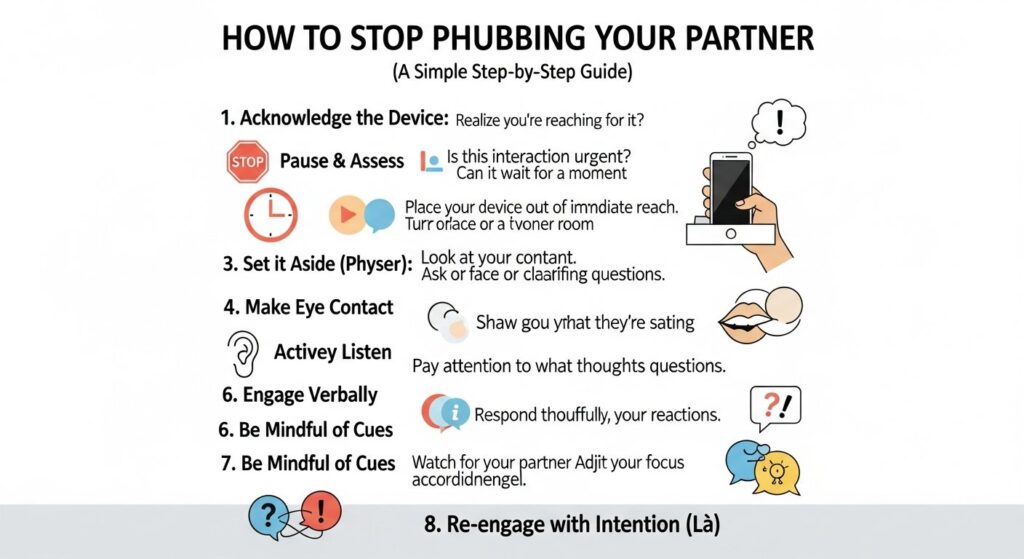
Finally, and crucially, parents must model the behavior they wish to see. If you are constantly on your phone, checking notifications during conversations, or struggling to disconnect, your teenager will notice. Make a conscious effort to put your phone away during family time, engage fully in conversations, and demonstrate a healthy relationship with technology. This consistency reinforces the values of presence, connection, and mindful living that our blog, Stop Phubbing, champions. By navigating the digital landscape proactively and collaboratively, you can help your teen harness technology’s benefits while safeguarding their mental and emotional well-being in 2026 and beyond.
Addressing Mental Health and Emotional Well-being
The teenage years are a period of intense emotional flux, making mental health a paramount concern for parents. Adolescents face increasing academic pressure, complex social dynamics, identity struggles, and the constant digital comparison inherent in the social media age. Recognizing the signs of distress and fostering an environment where mental health can be openly discussed is crucial for supporting your teen’s overall well-being.
It’s important to understand that moodiness and irritability are common in teenagers due to hormonal changes and brain development. However, persistent changes in behavior, mood, or daily functioning can signal something more serious. Watch for signs such as prolonged sadness, withdrawal from friends and activities they once enjoyed, significant changes in sleep patterns or appetite, sudden drops in academic performance, increased anxiety or panic attacks, expressions of hopelessness, or self-harming behaviors. These are not just “phases” and warrant attention.
Creating a safe and non-judgmental space for your teenager to talk about their feelings is the first step. Let them know it’s okay not to be okay, and that you are there to listen without fixing or criticizing. Use empathy and validation: “That sounds incredibly tough,” or “I can see why you’d feel overwhelmed.” Avoid dismissive phrases like “just snap out of it” or “you’re being dramatic.” Normalizing conversations about mental health helps to reduce the stigma often associated with seeking help.
Equip your teen with coping mechanisms for stress and anxiety. This can include mindfulness practices, deep breathing exercises, regular physical activity, creative outlets, and adequate sleep. Encourage them to limit exposure to social media if it’s a source of anxiety, and to cultivate real-world connections. These strategies align with principles to manage anxiety from social media, promoting healthier digital habits.
Know when to seek professional help. If you observe persistent concerning behaviors, or if your teen expresses thoughts of self-harm or suicide, do not hesitate to reach out to a mental health professional, school counselor, or pediatrician. Early intervention can make a significant difference. Be prepared to advocate for your teen and navigate the healthcare system if necessary. Just as you would seek medical attention for a broken bone, mental health concerns deserve professional care.
Parents also play a vital role in modeling healthy emotional regulation. Demonstrating how you manage your own stress, express emotions constructively, and seek support when needed teaches your teen invaluable life lessons. Prioritizing your own mental well-being allows you to be a more present and effective parent. By fostering open dialogue, teaching coping skills, and knowing when to engage professional support, you can help your teenager navigate the emotional complexities of adolescence and build a foundation for lifelong mental wellness, ready for the challenges and opportunities of 2026 and beyond.
Preparing for the Future: Skills, Goals, and Resilience
As teenagers inch closer to adulthood, their focus naturally shifts towards the future. Parents play a crucial role in guiding them through this exciting yet often overwhelming period, helping them develop essential life skills, explore various paths, and cultivate the resilience needed to thrive in an ever-changing world.
Academic Guidance and Career Exploration: While academic success is important, emphasize the journey of learning and discovery over just grades. Encourage your teen to explore subjects that genuinely interest them, and discuss how different academic paths can lead to various career opportunities. Help them research colleges, vocational schools, apprenticeships, or entrepreneurial ventures that align with their passions and strengths. Facilitate informational interviews with professionals in fields they find intriguing, or encourage internships and volunteer work to gain real-world experience. The goal is not to dictate their path but to provide them with the tools and information to make informed decisions for their life in 2026 and beyond.
Developing Life Skills: Beyond academics, practical life skills are indispensable. This includes everything from basic cooking and meal planning, managing personal finances (which can be a continuation of the conversations parents have about money with their partners), doing laundry, navigating public transport, understanding basic car maintenance, to setting up appointments. These skills empower them to live independently and competently. Instead of doing everything for them, create opportunities for them to take charge and learn through doing, offering guidance and support as needed.
Fostering Resilience and Adaptability: The future is uncertain, and the ability to bounce back from setbacks and adapt to new situations is paramount. Encourage your teen to embrace challenges, learn from failures, and view obstacles as opportunities for growth. Help them develop problem-solving strategies and a positive mindset. Discuss the importance of perseverance and having a strong work ethic. These are not just theoretical concepts; they are built through practical experiences where they overcome difficulties and learn to trust their own capabilities.
Cultivating a Growth Mindset: Emphasize that abilities and intelligence are not fixed but can be developed through dedication and hard work. Praise effort and process over innate talent. This mindset encourages them to take on new challenges, learn from criticism, and see failure as a stepping stone rather than a dead end. This approach is particularly valuable as they face academic pressures and navigate complex social landscapes.
Setting Realistic Expectations: While it’s important to encourage ambition, it’s equally important to help your teen set realistic goals and understand that success looks different for everyone. Support their dreams, but also guide them to understand the steps involved and the potential challenges. Reassure them that their worth is not solely tied to external achievements. By focusing on skill development, exploration, and building resilience, you empower your teenager to approach their future with confidence, adaptability, and a strong sense of purpose, ready for whatever 2026 and the coming decades may bring.
Frequently Asked Questions
How do I get my teenager to open up and talk to me?▾
What are reasonable screen time limits for teenagers?▾
How can I help my teenager manage anxiety from social media?▾
When should I worry about my teenager’s behavior and seek professional help?▾
How do I balance giving my teenager freedom with setting necessary boundaries?▾
What if my teenager is resistant to my advice or constantly pushes back?▾
Recommended Resources
Related reading: Forest Bathing Shinrin Yoku Benefits (Heartbeat Reggae).
For more on parenting through the, see Reggae Lifestyle And Wellness on Heartbeat Reggae.