Reclaim Your Mornings: The Transformative Power of a Phone-Free Start
Imagine a different start. A morning where your first moments are dictated by your own intentions, not by an algorithm. A time dedicated to nurturing your inner world before engaging with the outer one. This isn’t just a dreamy ideal; it’s a powerful practice that can profoundly reshape your mental well-being, improve your relationships, and set a positive, productive tone for your entire day. Join us as we explore the profound benefits of a phone-free morning routine and equip you with the tools to cultivate this transformative habit.
The Hidden Costs of a Phone-First Morning
Waking up and immediately diving into your phone might feel harmless, even productive, but it comes with a host of hidden costs for your mind and body. This isn’t about shaming anyone; it’s about understanding the subtle, yet significant, ways this habit can undermine our well-being.
- The Cortisol Spike: Our bodies naturally produce cortisol, the stress hormone, in the morning to help us wake up. However, immediately checking work emails, scrolling through anxiety-inducing news headlines, or getting caught in social media drama can trigger an unnecessary and often prolonged surge of cortisol. This puts your nervous system into a state of alert before your day has even truly begun, making you feel reactive, anxious, and stressed from the outset. Instead of a gentle awakening, you’re plunged into fight-or-flight mode.
- The Dopamine Trap: Every notification, like, or new piece of information delivers a tiny hit of dopamine, the brain’s “reward” chemical. While this feels good in the moment, starting your day with a rapid succession of these mini-rewards can desensitize your brain. It sets an unrealistic expectation for constant stimulation, making it harder to find satisfaction in less immediately gratifying activities later in the day, impacting your focus and motivation for deeper tasks.
- Reactive vs. Proactive Living: When you start your day by consuming external information – what others are doing, what the news says, what your boss needs – you immediately surrender your agency. You’re reacting to the world instead of proactively shaping your own experience. This sets a precedent for the rest of your day, making you feel perpetually behind, overwhelmed by demands, and less in control of your time and priorities.
- The Comparison Trap and Mental Health: Social media, in particular, is a highlight reel. Starting your day by scrolling through curated images of others’ “perfect” lives, achievements, or lavish vacations can trigger feelings of inadequacy, jealousy, or FOMO (fear of missing out). This immediate comparison can erode self-esteem and foster a negative self-talk loop before you’ve even had a chance to ground yourself in your own reality.
- Fragmented Focus and Attention Residue: Bouncing between apps, articles, and messages trains your brain for superficial engagement. This constant context-switching creates what psychologists call “attention residue” – fragments of your attention remain stuck on previous tasks, making it harder to fully concentrate on the next. Starting your day with this digital frenzy can make sustained focus and deep work feel like an uphill battle all day long.
Understanding these impacts isn’t about condemnation, but about empowerment. It’s about recognizing that we have a choice in how we initiate our day, and that choice has ripple effects far beyond the first few minutes.
The Science of a Better Start: Why Your Brain Craves a Slow Morning
Our brains are magnificent, complex organs, and how we treat them in the morning sets the stage for their performance throughout the day. A phone-free morning isn’t just about avoiding negatives; it’s about actively cultivating conditions for optimal mental and emotional well-being, grounded in psychological and neurological principles.
- Nurturing Your Prefrontal Cortex: The prefrontal cortex, responsible for executive functions like planning, decision-making, problem-solving, and impulse control, is still warming up in the morning. Bombarding it with complex information and external demands too soon can overwhelm it, making it harder to think clearly and make intentional choices later. A slow, gentle start allows this vital brain region to gradually come online, fostering better focus and decision-making capacity.
- Regulating Your Dopamine System: By delaying instant gratification from phone notifications, you give your dopamine system a chance to reset. Instead of a quick, intense burst, you allow for a more sustained, natural release of dopamine through purposeful activities like achieving a small goal (making your bed), engaging in a creative pursuit (journaling), or experiencing mindful presence (meditation). This leads to greater intrinsic motivation and a deeper sense of satisfaction throughout the day.
- Cultivating Mindfulness and Presence: Engaging in activities like meditation, deep breathing, or simply noticing the sounds and sensations around you without digital distraction trains your brain to be present. This mindfulness practice strengthens neural pathways associated with self-awareness, emotional regulation, and stress reduction. Starting your day grounded in the present moment significantly reduces anxiety and enhances your ability to respond thoughtfully rather than react impulsively. Research consistently shows that mindfulness practices improve cognitive function and emotional resilience.
- Enhancing Focus and Productivity: When you allow your mind to wander or focus on a single, self-directed activity in the morning, you are essentially training your brain for sustained attention. This practice builds your “focus muscle,” making it easier to concentrate on work tasks, conversations, and personal goals later. You’re less prone to distraction and more capable of deep, meaningful engagement.
- Boosting Mood and Resilience: Activities like journaling, gratitude practices, or gentle exercise release feel-good neurotransmitters like serotonin and endorphins. This positive chemical cocktail sets a strong emotional foundation for your day, making you more resilient to challenges and less susceptible to mood swings. Starting with positive self-care reinforces your sense of self-worth and agency.
- Solidifying Your Circadian Rhythm: A consistent, phone-free morning routine, especially one that incorporates natural light exposure, helps regulate your body’s internal clock. This improved circadian rhythm isn’t just about feeling awake in the morning; it also contributes to better sleep quality at night, creating a virtuous cycle of rest and rejuvenation.
Crafting Your Phone-Free Morning Routine: A Step-by-Step Guide
Transitioning to a phone-free morning doesn’t have to be a radical overhaul. It’s about intentional, small shifts that accumulate into profound change. Here’s how to get started:
Step 1: Prepare for Success the Night Before
- Digital Sunset: Commit to putting your phone away at least an hour before bed. Charge it in another room – not your bedroom. This creates a physical barrier to immediate morning access.
- Invest in an Alarm Clock: A simple, inexpensive alarm clock is your best friend. This eliminates the primary excuse for needing your phone in the bedroom.
- Set Your Intentions: Before you go to sleep, briefly think about one or two activities you’d like to do in the morning. Lay out your journal, a book, or your yoga mat. This primes your mind for a proactive start.
Step 2: The Gentle Awakening (0-15 minutes)
- Resist the Snooze: As soon as your alarm goes off, get up. Lingering in bed often leads to reaching for your phone.
- Hydrate: Keep a glass of water by your bedside. Drink it immediately to rehydrate your body after sleep.
- Natural Light: Open your curtains or blinds. Exposure to natural light signals to your brain that it’s daytime, helping to regulate your circadian rhythm.
Step 3: Mindful Movement (15-30 minutes)
- Stretch It Out: A few minutes of gentle stretching or yoga can awaken your body and release tension. You don’t need a full workout; even five minutes of cat-cow or child’s pose can make a difference.
- Walk Around: If time and weather permit, step outside for a few minutes. Breathe in the fresh air, notice the sky, and connect with nature. This simple act can be incredibly grounding.
Step 4: Nourish Your Mind & Soul (30-45 minutes)
- Journaling: This is a powerful practice. Try a “brain dump” to get any lingering thoughts or worries out of your head. Or, practice gratitude journaling, listing 3-5 things you’re thankful for. This shifts your mindset to positivity.
- Read a Physical Book: Immerse yourself in a chapter of a book, a magazine, or a thought-provoking article. The tactile experience of paper, free from notifications, is deeply calming.
- Meditation/Mindfulness: Even 5-10 minutes of focused breathing or a guided meditation can significantly reduce stress and improve clarity. Apps like Calm or Headspace can be used on a tablet in airplane mode or a dedicated meditation device after your phone-free window.
- Listen to Music/Podcast (Mindfully): If you have a separate device (like an MP3 player or a smart speaker) or can use your phone in airplane mode, listen to music that inspires you or a podcast that educates without demanding visual attention.
Step 5: Connect & Plan (45-60 minutes)
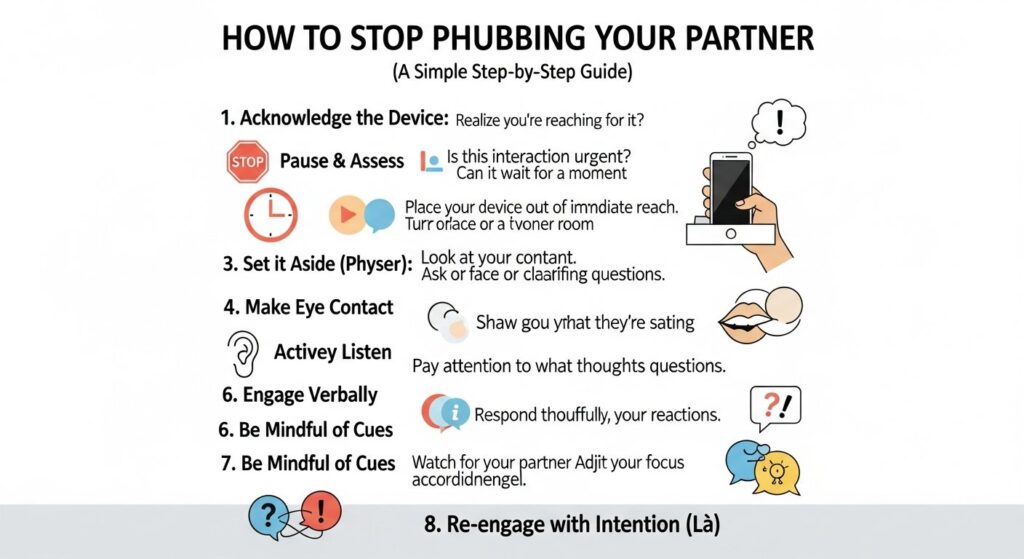
- Authentic Connection: If you live with others, use this time to connect genuinely. Share breakfast, chat about the day ahead, or simply enjoy each other’s quiet company without screens. This is core to the Stop Phubbing mission.
- Plan Your Day (Analog Style): Take out a planner or notebook and list your top 3 priorities for the day. Visualize yourself accomplishing them. This proactive planning gives you a sense of control and direction.
After this dedicated phone-free window, you can then approach your phone with intention, checking only what’s necessary, rather than being pulled into its endless scroll. Remember, consistency is more important than perfection. Start small, be kind to yourself, and celebrate every phone-free minute.
Deepening Your Phone-Free Practice: Beyond the Basics
Once you’ve established a foundational phone-free morning, you might find yourself craving more. Here’s how to deepen your practice and integrate digital wellness more fully into your life:
- The “Hour of Power” and Beyond: Initially, aim for 15-30 minutes phone-free. As you feel more comfortable, try extending it to an hour. Many people find their sweet spot is a full 60-90 minutes before engaging with screens. The longer you cultivate this inner space, the more profound the benefits.
- The Digital Sunset Reinforcement: Your morning routine is significantly bolstered by an evening routine. Implementing a “digital sunset” – putting away all screens an hour or two before bed – helps improve sleep quality. Better sleep makes it easier to wake up refreshed and less reliant on your phone for an artificial jolt.
- Create a “Sacred Space”: Designate certain areas in your home as phone-free zones. This might be the dining table, your bedroom, or a specific reading nook. This physical boundary reinforces your commitment to presence and connection.
- Involve Your Household: If you live with family or a partner, invite them to join you in this practice. Discuss the benefits and agree on phone-free times or zones. Modeling mindful behavior can inspire others and create a more connected household, reducing instances of phubbing.
- Flexibility, Not Perfection: There will be days when you slip up, when an urgent work email pulls you in, or when old habits resurface. That’s okay! Acknowledge it without judgment, and simply recommit to your practice the next day. The goal isn’t perfection, but consistent, compassionate effort.
- Track Your Progress and Feelings: Keep a simple journal where you note how you feel on phone-free mornings versus days when you immediately grab your device. Pay attention to your mood, focus, and overall sense of well-being. This tangible evidence of improvement can be a powerful motivator.
- Explore Different Mindfulness Practices: If meditation isn’t resonating, try mindful movement like tai chi, nature observation, or a creative outlet like drawing or playing an instrument. The key is non-digital, intentional engagement that fosters presence.
Deepening your phone-free practice is a journey of self-discovery. It’s about continually finding new ways to prioritize your inner peace and authentic connections in a digitally saturated world.
Overcoming Obstacles and Staying Consistent
The journey to a phone-free morning isn’t always smooth sailing. Old habits die hard, and the omnipresence of our devices can make it feel like an uphill battle. But with awareness and strategy, you can overcome common hurdles.
Addressing Common Excuses:
- “My phone is my alarm clock!” This is perhaps the most common barrier. The simple solution: buy a dedicated alarm clock. There are many affordable, stylish options available that offer a pleasant wake-up experience without the temptation of a screen.
- “I need to check work emails for emergencies.” Set clear boundaries with your workplace. Are true emergencies so frequent they require immediate attention before you’ve even had coffee? If so, discuss protocols with your team. Consider designating a specific time to check for critical messages after your routine, or even using a separate work-only device that stays out of the bedroom. Most “emergencies” can wait an hour.
- “I want to catch up on the news/weather/social media.” Shift your perspective. Is consuming news first thing empowering, or is it making you feel anxious and reactive? Try listening to a radio news summary, reading a physical newspaper, or intentionally checking a curated news source after your phone-free window. For social media, ask yourself if seeing what others are doing is truly serving your well-being at the start of your day.
- “I use my phone for my morning workout/meditation app.” Many fitness apps allow you to download content for offline use. Alternatively, invest in a dedicated MP3 player or a smart speaker for audio. For meditation, consider using a tablet on airplane mode, or simply practice silent meditation without a guided track.
Dealing with Anxiety and FOMO:
It’s normal to feel a pang of anxiety or fear of missing out when you first detach from your phone. Our brains have been conditioned for constant connectivity. When these feelings arise:
- Acknowledge, Don’t Judge: Recognize the feeling without labeling it as “bad.” Simply observe it. “I’m feeling a bit anxious about not checking my phone right now.”
- Redirect Your Attention: Immediately engage in your chosen phone-free activity. Focus on the sensations of stretching, the words in your book, or the rhythm of your breath during meditation.
- Remind Yourself of Your “Why”: Reconnect with the benefits you’re seeking – more calm, better focus, deeper connection. This intrinsic motivation is powerful.
- Start Small: If a full hour feels daunting, commit to just 15 minutes. Build confidence with small wins.
Building New Habits:
Habit formation science tells us that consistency and reward are key:
- Identify Your Cue: Your alarm clock is the cue. Instead of grabbing your phone, train yourself to respond to the alarm by getting out of bed.
- Establish a Routine: Follow the steps outlined earlier, repeating them consistently each morning. The more you do it, the more automatic it becomes.
- Reward Yourself (Non-Digitally): The “reward” is the feeling of calm, clarity, and control. Internally acknowledge this positive outcome. Perhaps a special cup of tea or a favorite breakfast becomes part of your phone-free reward system.
- Find an Accountability Partner: Share your goal with a friend, partner, or family member. Having someone to check in with can provide motivation and support.
This isn’t about perfection, but about progress. Each day you choose a phone-free morning, you’re investing in a more intentional, present, and ultimately, more fulfilling life.
Embrace the Dawn of a New Connection
In a world that constantly vies for our attention, choosing a phone-free morning is a revolutionary act of self-care. It’s an invitation to reclaim your most precious resource – your attention – and redirect it towards what truly matters: your inner peace, your well-being, and your authentic connections. Imagine starting each day not with a jolt of digital demands, but with a gentle awakening, a sense of purpose, and a deep breath.
The benefits are not just theoretical; they are tangible. Reduced stress, improved focus, enhanced mood, and richer relationships are all within reach when you choose to put your phone down and pick up your life. This isn’t about perfection, but about progress. It’s about making a conscious choice to be present, to be proactive, and to protect the sacred space of your morning.
We encourage you to take the first step, however small it may be. Charge your phone outside your bedroom tonight. Buy that alarm clock. Choose just one phone-free activity to try tomorrow morning. You are capable of cultivating this powerful habit, and in doing so, you’ll not only transform your mornings but elevate your entire day. Here at Stop Phubbing, we believe that true connection begins with presence, and there’s no better time to practice that than at the dawn of a new day. What will your phone-free morning look like?