
Savor the Silence: A Mindful Eating Guide for the Smartphone Age
The Hidden Cost of Distracted Eating
Eating isn’t just about fueling our bodies; it’s a multi-sensory experience that, when fully engaged with, can bring immense pleasure and satisfaction. However, when we eat with our attention split between our plate and our phone, we miss out on almost all of it. The consequences of this pervasive habit are far-reaching, impacting our physical health, mental well-being, and even our social interactions.
Physical Ramifications: Beyond the Bite
- Poor Digestion: Digestion begins long before food enters our stomach. The sight, smell, and even thought of food trigger the release of digestive enzymes. When we’re distracted, our bodies don’t fully engage this “cephalic phase” of digestion, potentially leading to discomfort, bloating, and inefficient nutrient absorption. Our nervous system, when stressed or distracted by screens, often remains in a “fight or flight” state, which isn’t conducive to optimal digestion.
- Overeating and Weight Gain: Numerous studies highlight a strong link between distracted eating and increased caloric intake. When our minds are elsewhere, we’re less attuned to our body’s satiety signals. We might eat faster, consume larger portions, and struggle to remember what we’ve eaten, leading to a cycle of overconsumption. Research has shown that individuals who eat while distracted tend to eat more in that meal and also later in the day, as their brains haven’t registered the meal as satisfying.
- Reduced Satisfaction: Even if we eat a delicious meal, if we’re not paying attention, our brain doesn’t fully register the experience. This lack of conscious enjoyment can lead to a feeling of dissatisfaction, prompting us to seek more food or other stimuli to fill that void, even when physically full.
Mental and Emotional Toll: Missing the Moment
- Diminished Presence: Every meal is an opportunity to ground ourselves in the present moment. Distracted eating pulls us away from this opportunity, reinforcing a habit of living on autopilot, constantly seeking the next stimulation rather than appreciating the current one.
- Increased Stress and Anxiety: While screens might offer a temporary escape, constant digital engagement, even during meals, can keep our minds in a state of low-level stress. The urge to check notifications, the fear of missing out, and the constant input of information prevent us from truly relaxing and recharging.
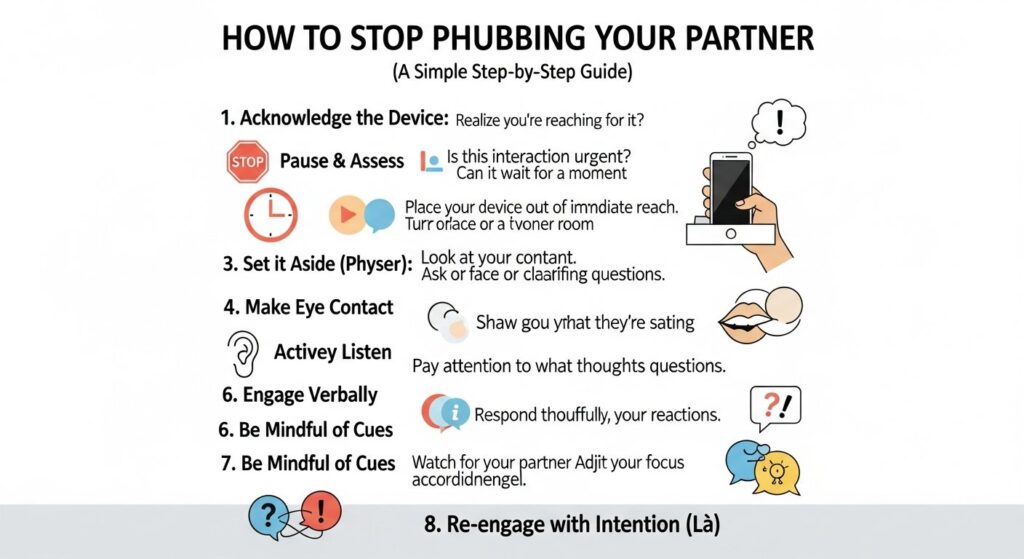
- Lost Connection: When we prioritize our devices over the people we’re sharing a meal with, we communicate a clear message: the screen is more important than you. This “phubbing” behavior erodes trust, fosters resentment, and ultimately weakens the bonds of our relationships. Family dinners become silent screenscapes rather than vibrant hubs of conversation and shared experience.
What Exactly is Mindful Eating?
Mindful eating is an approach to food that focuses on our physical and emotional sensations while eating. It’s about bringing full awareness to the experience of nourishment, without judgment. It’s not a diet, nor is it about restricting certain foods. Instead, it’s a practice of cultivating a deeper, more intentional relationship with what and how we eat, drawing heavily from the principles of mindfulness itself.
At its core, mindful eating invites us to:
- Pay Attention: Notice the colors, textures, aromas, and flavors of your food. Be aware of the process of chewing, swallowing, and the sensations in your body.
- Honor Your Body’s Wisdom: Listen to your internal hunger and fullness cues. Eat when you’re hungry, stop when you’re comfortably full, and respect your body’s needs.
- Recognize Your Triggers: Understand why you eat. Are you truly hungry, or are you eating out of boredom, stress, habit, or emotion? Mindful eating helps you pause and discern.
- Eat Without Judgment: Observe your thoughts and feelings about food without labeling them as “good” or “bad.” Simply notice, and choose your response.
- Engage All Senses: Turn eating into a multi-sensory experience, making it more enjoyable and satisfying.
By practicing mindful eating, we move away from automatic, unconscious consumption and towards a more conscious, appreciative, and nourishing experience. It’s an act of self-care and a powerful step towards digital wellness.
Preparing Your Mindful Eating Sanctuary
The Digital Detox Zone: Out of Sight, Out of Mind
This is arguably the most vital step for addressing digital distractions. Make a conscious decision to separate your eating space from your digital world.
- Designate a “Phone Basket” or Charging Station: Before sitting down to eat, place all phones, tablets, and even smartwatches in a designated spot away from the dining area. A basket in the hallway, a charging station in the kitchen, or even a drawer will do. The goal is to make it inconvenient to grab your device during the meal.
- Silence Notifications: If you absolutely must have your phone nearby for emergencies (though challenge this assumption!), at least put it on silent and turn off all notifications. Better yet, use “Do Not Disturb” mode.
- Resist the Urge to “Just Check”: The biggest hurdle is often the ingrained habit. Acknowledge the urge when it arises, but commit to letting it pass. Remind yourself that whatever is on your phone can wait.
- Communicate Your Intentions: If you live with others, explain your new “no-phone-at-the-table” rule. Encourage them to join you. Lead by example.
Set the Scene: Cultivating Ambience
Your environment profoundly impacts your state of mind. Transform your eating space into a haven of calm.
- Clear the Clutter: A clean, uncluttered table signals peace and order. Remove mail, keys, work papers, and anything else that might pull your attention away from your meal.
- Mindful Lighting: Harsh overhead lights can feel clinical. Opt for softer, warmer lighting. Candles can create an instant sense of coziness and specialness, even for a Tuesday night dinner.
- Soothing Sounds (or Silence): If you enjoy music, choose something calming and instrumental that won’t distract you with lyrics or complex rhythms. Often, the best sound is just the gentle hum of conversation or the quiet sounds of eating.
- Engage with Table Settings: Use your nice plates, glasses, and cutlery. Arrange your food appealingly. Treat every meal, even a simple one, as an occasion worthy of respect.
Practice Gratitude: A Moment of Thanks
Before you take your first bite, pause. Take a deep breath. Reflect on the journey of the food to your plate, the effort involved in preparing it, and the nourishment it will provide. This simple act of gratitude shifts your mindset from rushed consumption to appreciative engagement. It’s a powerful way to transition into mindful eating.
The Mindful Eating Practice: Step-by-Step Guide
Now that your sanctuary is ready, it’s time to engage with the food itself. This step-by-step guide will help you bring full awareness to every aspect of your meal.
1. Engage All Your Senses: The Art of Observation
- Look: Before you even lift your fork, truly see your food. Notice the colors, the shapes, the textures. How are the vegetables arranged? What does the sauce look like?
- Smell: Bring the food closer to your nose. Inhale deeply. What aromas do you detect? The scent of fresh herbs, spices, or a simmering stew can be incredibly inviting and stimulate your digestive system.
- Touch (Optional, but insightful): If appropriate, feel the texture of certain foods with your fingers. How firm is the bread? How smooth is the avocado?
- Listen: Pay attention to the subtle sounds of eating – the crunch of a raw vegetable, the gentle clinking of cutlery, the soft chewing sounds.
2. Take a Small Bite and Chew Thoroughly
Don’t just shovel food in. Take a modest portion. Before swallowing, aim to chew each mouthful slowly and deliberately. This isn’t just about digestion; it’s about prolonging the experience and allowing your brain time to register the flavors and textures. Many experts suggest chewing each bite 20-30 times, or until the food is almost liquid. This also aids digestion by breaking down food mechanically and mixing it thoroughly with saliva.
3. Savor Each Bite: The Flavor Journey
As you chew, really focus on the flavors. Are they sweet, salty, sour, bitter, umami? Do the flavors change as you chew? Notice the temperature of the food and its texture – is it crunchy, soft, chewy, smooth? Let the food linger on your tongue, exploring its nuances. This is where the true pleasure of eating lies, a pleasure often completely missed when distracted.
4. Listen to Your Body: Hunger and Fullness Cues
Throughout the meal, check in with your internal signals. Before the meal, how hungry are you on a scale of 1-10? During the meal, notice when your hunger begins to subside. Are you still enjoying the food as much as the first bite? Slow down as you approach comfortable fullness. The goal isn’t to be “stuffed,” but to feel pleasantly satisfied. Pause frequently and ask yourself: “Am I still hungry?” or “How does my body feel right now?”
5. Put Down Your Utensils Between Bites
This simple yet powerful technique forces you to slow down. After each bite, place your fork or spoon down on the plate. Take a breath, swallow completely, and perhaps engage in conversation (if dining with others) before picking up your utensils for the next bite. This practice creates natural pauses, allowing your brain and stomach to synchronize and communicate satiety signals more effectively.
Overcoming Common Mindful Eating Challenges
Like any new practice, mindful eating comes with its hurdles. Don’t get discouraged; acknowledge these challenges as part of the learning process.
The Habit Loop: Breaking Old Patterns
For years, eating has likely been paired with digital consumption. This creates a strong habit loop. When you sit down to eat, your brain automatically craves your phone.
- Acknowledge the Urge: When the craving for your phone strikes, notice it without judgment. Say to yourself, “Ah, there’s the urge to check my phone.”
- Replace the Habit: Instead of grabbing your phone, replace it with a mindful action. Take a deep breath. Look around the room. Connect with a dining companion. Focus intently on the next bite.
- Start Small: Don’t feel you have to be perfectly mindful for every single meal. Start with one meal a day, or even just the first five minutes of a meal, and gradually extend the practice.
Social Situations: Mindful Eating with Others
It can feel awkward to be the only one practicing mindful eating, especially if everyone else is on their phones.
- Communicate Your Intent: Gently explain to your dining companions that you’re trying to be more present during meals. You might inspire them!
- Focus on Conversation: Use the absence of screens as an opportunity to truly engage with those around you. Ask open-ended questions, share stories, and listen actively. This builds connection and naturally fills the “void” left by your phone.
- Lead by Example: Without making a big deal out of it, simply place your phone away. Others might follow suit, or at least respect your choice. Remember, your practice is for you.
Boredom and the Urge to Grab Your Phone
Sometimes, especially when eating alone, the silence can feel unsettling, and boredom can quickly lead to reaching for your device.
- Embrace the Silence: See this as an opportunity for quiet reflection. What thoughts are arising? What sensations are you experiencing?
- Engage with Your Surroundings: Look out a window, observe the decor of the room, or simply enjoy the quiet.
- Journal (Pre or Post-Meal): If you’re eating alone and want to engage your mind, consider keeping a small journal nearby to jot down thoughts or reflections after you’ve finished eating, or even to plan your day before the meal.
- Deep Breathing: If the urge is strong, take a few slow, deep breaths. This can help calm your nervous system and bring you back to the present moment.
Beyond the Plate: Integrating Mindfulness into Your Day
Mindful eating isn’t just an isolated practice; it’s a gateway to a more mindful life. The skills you develop at the table – presence, awareness, non-judgment, and self-compassion – are transferable to every other aspect of your existence. Once you start noticing the flavors in your food, you’ll begin to notice the beauty in a sunset, the nuances in a conversation, or the feeling of your feet on the ground as you walk. It’s about choosing to be truly present in your life, rather than letting it pass by in a blur of digital notifications.
Consider extending your mindfulness practice to other daily activities: mindfully drinking a cup of tea, taking a mindful walk, or even mindfully listening to a loved one. Each small act of presence builds upon the last, strengthening your capacity for a richer, more connected life, both with yourself and with others.