
Beyond ‘Be Careful’: How to Truly Connect with Teens About Online Safety
Shifting Your Mindset: From Policing to Partnering
The first, and perhaps most crucial, step in discussing online safety with your teenager is to reframe your own approach. Traditional parenting instincts often lean towards control, especially when faced with perceived dangers. However, with teenagers, this approach can backfire dramatically, leading to secrecy, resentment, and a breakdown of communication. Adolescent development is marked by a strong drive for independence, autonomy, and identity formation. When parents respond to online activity with outright bans, excessive surveillance, or constant warnings, teens often perceive this as an attack on their independence and their personal space.
Instead of acting as a digital police officer, aim to be a trusted partner and guide. This shift in mindset involves several key components:
- Empathy Over Fear: Recognize that your teen’s online world is a significant part of their social life, identity, and learning. Dismissing it as “just screen time” or “a waste of time” invalidates their experience and shuts down conversation. Understand their motivations – connection, entertainment, learning, creativity – even if you don’t fully grasp the platforms themselves.
- Trust, Not Just Control: While parental concern is valid, an overly controlling approach can erode trust. Teens need to feel that you trust their judgment, even as you equip them with the tools to make good decisions. This doesn’t mean blind trust, but rather a belief in their capacity to learn and grow, with your support.
- Open Dialogue Over Lectures: Instead of delivering monologues about dangers, cultivate an environment where dialogue is encouraged. This means asking open-ended questions, actively listening to their responses, and sharing your concerns in a way that invites discussion, rather than imposing rules.
- Focus on Skills, Not Just Rules: Rules are important, but they can be bypassed. Skills – critical thinking, empathy, media literacy, self-regulation – are transferable and empowering. Focus on teaching your teen how to navigate complex situations online, rather than just telling them what not to do.
Research consistently shows that adolescents whose parents maintain open, supportive communication are more likely to make responsible choices and seek help when problems arise. This partnership approach acknowledges their growing autonomy while still providing the essential guidance and safety net they need.
Laying the Groundwork: Before the Big Talk
Effective conversations about online safety aren’t spontaneous; they require preparation and a consistent home environment that supports digital wellness. Before you even sit down for a dedicated chat, consider these foundational steps:
Be a Digital Role Model
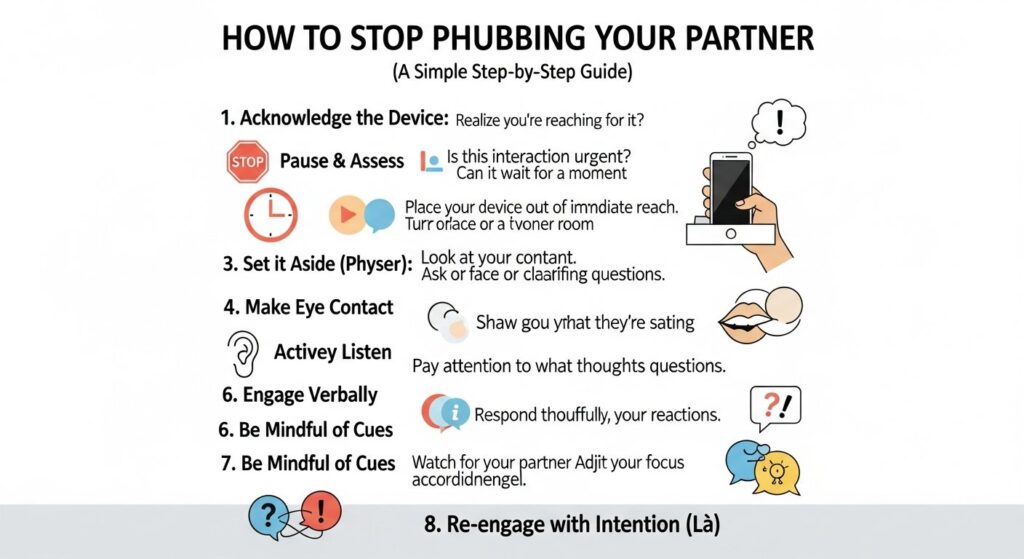
- Practice Mindful Device Use: Establish device-free zones (e.g., dinner table, bedrooms after a certain time) and times (e.g., during family activities). Let your teen see you engaging fully with the real world.
- Explain Your Own Digital Habits: When you are on your phone, explain why. “I’m quickly checking an email for work,” or “I’m looking up a recipe for dinner.” This demystifies your usage and models intentionality.
- Show Vulnerability: Share your own digital struggles. “I sometimes find myself scrolling too much and missing out on things. How do you manage that?” This normalizes the challenge and invites connection.
Educate Yourself
It’s hard to discuss risks on platforms you don’t understand. You don’t need to be an expert, but a basic familiarity goes a long way.
- Understand Their Digital World: Ask your teen what apps they use, what games they play, and who they interact with. Better yet, spend some time exploring these platforms yourself (privately or with your teen, if appropriate). What are the features? How do privacy settings work? What are the common trends?
- Stay Informed on Online Risks: Be aware of general online safety concerns: cyberbullying, online predators, misinformation, privacy breaches, digital footprint, and mental health impacts of excessive screen time. Resources from reputable organizations like Common Sense Media, the National Center for Missing and Exploited Children (NCMEC), and government safety sites are invaluable.
- Don’t Pretend to Know Everything: It’s okay to say, “I don’t fully understand how that app works, can you show me?” or “I read something about X, and I’d like to understand your perspective.” This shows genuine interest and opens the door for them to teach you.
Create a Tech-Positive Home Environment
Instead of digital devices being a source of constant conflict, aim to integrate them thoughtfully into family life.
- Shared Digital Experiences: Play a video game together, watch a trending TikTok compilation, or explore a new app your teen enjoys. This builds connection and allows for natural conversations about what you see.
- Family Digital Agreements: Collaborate with your teen to create a family “digital pact.” This isn’t just a list of rules imposed by you, but a jointly created understanding of healthy tech use, online etiquette, privacy, and safety expectations. When teens have a say in the rules, they are more likely to adhere to them.
- Designated Charging Zones: Consider a central charging station for all family devices, especially overnight. This promotes better sleep and reduces the temptation of late-night scrolling.
By establishing this foundation, you create an atmosphere of trust and shared responsibility, making the dedicated conversations about online safety more natural and effective.
The Art of Conversation: Making it Stick
Once you’ve laid the groundwork, the next step is to master the actual conversation. This isn’t about a single, dramatic sit-down, but rather a series of ongoing, natural dialogues. Here’s how to approach them effectively:
Choose the Right Time and Place
Avoid highly charged moments or times when you’re both stressed. The best conversations often happen organically.
- Casual, Not Confrontational: Think car rides, walks, while cooking together, or during a relaxed family meal. These moments reduce pressure and allow for more open sharing.
- No Ambush: Don’t spring a “we need to talk” moment on them out of the blue. If you plan a more serious discussion, give them a heads-up: “Hey, I’d like to chat about online stuff sometime this week, when’s a good time for you?”
- Minimize Distractions: Put your own phone away. Give them your full attention.
Listen More Than You Talk
This is perhaps the most critical skill. Teenagers often feel unheard, and their experiences are dismissed. Active listening validates their feelings and encourages them to open up.
- Ask Open-Ended Questions: Instead of “Are you safe online?” try “What’s the coolest thing you’ve seen online recently?” or “What’s something challenging about being online?”
- Validate Their Feelings: “That sounds frustrating,” or “I can see why that would be upsetting.” Even if you don’t agree with their actions, acknowledging their emotions is crucial.
- Resist the Urge to Interrupt or Solve Immediately: Let them finish their thoughts. Sometimes they just need to vent or process.
- Reflect Back: “So, if I’m understanding correctly, you’re saying that X happened and you felt Y?” This ensures you’ve heard them correctly and shows you’re engaged.
Use “I” Statements, Not Accusations
Focus on your feelings and concerns, rather than making them feel blamed or attacked.
- Instead of: “You spend too much time on your phone, it’s unhealthy.”
- Try: “I worry when I see you online for so many hours because I want you to feel your best, and I know too much screen time can impact sleep and mood.”
- Instead of: “You shouldn’t be talking to strangers online.”
- Try: “I feel concerned when I think about you connecting with people you don’t know in real life, because it’s harder to truly know who they are online.”
Scenario Planning, Not Scare Tactics
While it’s important to be aware of risks, constant fear-mongering can lead teens to shut down. Instead, use hypothetical scenarios to build critical thinking and problem-solving skills.
- “What If” Questions: “What would you do if a friend shared a mean meme about someone?” or “If someone online asked you for personal information, what would be your first thought?”
- Discuss News Stories: If a relevant news story comes up (e.g., about a data breach, cyberbullying incident, or online scam), use it as a springboard for discussion: “What do you think about this situation? How could someone protect themselves?”
- Role-Playing: Practice how to respond to uncomfortable messages or requests. “If someone sent you a message that made you feel weird, what would you say or do?”
These techniques empower your teen to think critically and develop their own safety strategies, rather than just passively receiving rules.
Key Online Safety Topics to Cover (and How)
Once you’ve established an open dialogue, you can delve into specific safety topics. Remember to approach each with curiosity and collaboration, rather than as a lecture.
Privacy Settings & Data Sharing: “Who Sees What?”
Many teens don’t fully grasp the implications of their privacy settings or the vastness of their digital footprint.
- Why it Matters: Explain that what goes online can stay online forever, and that information can be used in ways they don’t intend. Discuss future implications like college applications or job prospects.
- Practical Steps: Sit down together to review privacy settings on their most-used apps. Explain public vs. private profiles, location sharing, and data collection. Emphasize that they have control over this.
- Real-World Analogy: “Think of your online profile like your room. Do you want everyone on the street to see everything inside, or just your close friends?”
Cyberbullying & Digital Etiquette: “Being Kind and Brave Online”
The anonymity of the internet can embolden mean behavior, but it also offers opportunities for support and advocacy.
- Empathy First: Ask them how they think someone might feel if they received a negative comment or were excluded online. Discuss the lasting impact words can have.
- Reporting and Blocking: Ensure they know how to report and block cyberbullies on various platforms. Reassure them that reporting is a sign of strength, not weakness.
- Upstander, Not Bystander: Encourage them to be an “upstander” – someone who intervenes safely or seeks help when they see someone else being bullied.
- Think Before You Post: Introduce the “Would I say this to their face?” rule.
Predators & Inappropriate Content: “Trust Your Gut, Tell a Trusted Adult”
This is a sensitive topic, but crucial. Focus on empowering them to recognize red flags and seek help.
- Red Flags: Discuss warning signs like strangers asking for personal information, trying to move conversations to private channels, asking for explicit photos, or pressuring them to keep secrets.
- “No” is a Complete Sentence: Empower them to say no and disengage from any interaction that makes them uncomfortable.
- Trusted Adult: Reiterate that you, or another trusted adult (teacher, counselor, aunt/uncle), are always there for them, without judgment, no matter what they encounter or experience online. Emphasize that you will help them, not punish them.
- Reporting Mechanisms: Familiarize them with how to report inappropriate content or suspicious accounts on platforms and to organizations like NCMEC.
Screen Time & Mental Health: “Finding Balance for Well-being”
The impact of digital use on mental health is a growing concern.
- Self-Awareness: Help them recognize how too much screen time affects them personally – sleep, mood, concentration, physical activity. “How do you feel after an hour of scrolling vs. an hour with friends?”
- Balance is Key: Frame this not as “no screens” but “balanced life.” Discuss the importance of sleep, exercise, in-person social interactions, and hobbies.
- Digital Detoxes: Suggest short, intentional breaks from devices. Maybe a “tech-free Sunday afternoon” as a family.
- Mindful Consumption: Encourage them to be critical of the content they consume. Does it make them feel good, inspired, or stressed and inadequate?
Misinformation & Critical Thinking: “Becoming a Digital Detective”
The internet is awash with false information, and teens need skills to discern truth from fiction.
- Question Everything: Encourage a healthy skepticism. “Who created this content? What’s their agenda? Is this source reputable?”
- Fact-Checking: Introduce them to fact-checking sites or show them how to cross-reference information from multiple sources.
- Emotional Triggers: Discuss how sensational or emotionally charged content is often designed to spread quickly, regardless of its accuracy.
By covering these topics in an open, ongoing dialogue, you equip your teen with the resilience and critical thinking necessary to navigate the digital world safely and responsibly.
Maintaining Connection: Ongoing Support and Adaptation
Online safety isn’t a one-time conversation; it’s an ongoing journey. As technology evolves, so too will the challenges and opportunities for our teens. Your role as a supportive guide needs to adapt and persist.
Regular, Casual Check-ins
Don’t wait for a crisis to talk about online safety. Weave it into your regular conversations.
- “How was your online day?” Just as you might ask about school, ask about their digital experiences. “Anything interesting happen on TikTok today?” or “Did you play that game with your friends last night?”
- Share Your Own Experiences: “I saw this article about online scams, and it made me think about how careful we all need to be.” This opens the door for them to share similar concerns or experiences.
- Moment-Based Learning: If you see something concerning online or hear about a relevant news story, use it as a natural, low-pressure conversation starter.
Be Their Safe Harbor, No Matter What
The most powerful tool you have is your unwavering support and unconditional love. Teens need to know that if they make a mistake, encounter something scary, or are being harassed, they can come to you without fear of judgment, punishment, or having their devices confiscated.
- Reiterate Trust: “If anything ever happens online that makes you feel uncomfortable, scared, or even if you just make a mistake, please come to me. My priority is your safety, not getting angry.”
- Emphasize Confidentiality (within reason): While serious safety issues might require external intervention, assure them you’ll handle their concerns with sensitivity and respect their privacy where possible.
- Follow Through: If they do come to you with a problem, listen calmly, validate their feelings, and work together to find a solution. Avoid “I told you so” at all costs.
Adapt as They Grow and Tech Evolves
The digital landscape changes at lightning speed, and so do teenagers themselves. What works for a 13-year-old might not be appropriate for a 17-year-old.
- Stay Current: Keep learning about new apps, trends, and risks. Your teen might even be your best source of information!
- Evolving Expectations: As teens demonstrate more responsibility and maturity, gradually adjust rules and increase their autonomy. Acknowledge their growth.
- Revisit Family Agreements: Your digital pact isn’t set in stone. Review and update it periodically, perhaps once a year or as new devices/platforms enter the home.
By consistently fostering an environment of open communication, trust, and mutual respect, you equip your teenager with the internal compass they need to navigate the complexities of the digital world safely and responsibly. This ongoing connection is the true antidote to phubbing and the foundation of a healthy, mindful, and secure family life in the smartphone age.
Conclusion
Navigating the digital world with teenagers is undoubtedly one of the most complex challenges of modern parenting. But by shifting our approach from policing to partnering, by laying a foundation of trust and open communication, and by engaging in ongoing, empathetic dialogues, we can empower our teens to be resilient, responsible, and safe online citizens. Remember, the goal isn’t to eliminate all digital risks – an impossible feat – but to equip them with the critical thinking, emotional intelligence, and self-advocacy skills they need to navigate these challenges with confidence. Your presence, your listening ear, and your unwavering support are the most powerful tools you have. So, put down your own device, look them in the eye, and start building those bridges of connection today. The safety and well-being of our teenagers depend on it.