
Reclaiming Your Presence: How to Stop Seeking Online Validation and Live Authentically
Understanding the Lure: Why We Crave Online Validation
To effectively detach from the need for online validation, we first need to understand its powerful draw. It’s not a sign of weakness; it’s a deeply human response amplified by sophisticated digital platforms.
The Dopamine Loop: A Biological Hook
At its core, social media validation taps into our brain’s reward system. When we receive a “like,” a positive comment, or a new follower, our brains release dopamine – a neurotransmitter associated with pleasure and motivation. This creates a powerful feedback loop: we post, we get a reward, we feel good, and we’re conditioned to seek that reward again. This neurological mechanism is incredibly effective at keeping us engaged, often without us even realizing the extent of its influence. Research in neuroscience consistently points to how intermittent positive reinforcement – the unpredictable nature of when and how much validation we’ll receive – makes this loop even more compelling, similar to how slot machines are designed to be addictive.
The Evolutionary Need for Belonging and Status
Humans are inherently social creatures. For millennia, our survival depended on belonging to a tribe, being accepted, and maintaining a certain status within our community. Rejection could mean isolation, and in ancient times, isolation often meant death. Social media platforms, in their vastness, simulate this tribal environment. The number of followers, the engagement on our posts, and the perceived “coolness” of our online persona can feel like modern markers of belonging and status. We’re wired to care what others think, and online platforms provide a constant, visible, and quantifiable measure of our perceived social standing. This isn’t a new phenomenon; it’s an ancient drive playing out on a new stage.
Social Comparison: The Endless Scroll of “Better” Lives
Another significant factor is social comparison. From a young age, we compare ourselves to others to understand our place in the world. While some comparison can be motivating, the curated, often idealized realities presented on social media can become a breeding ground for upward social comparison – comparing ourselves to those we perceive as “better” or more successful. We see highlight reels, not real life. This constant stream of seemingly perfect vacations, careers, relationships, and appearances can foster feelings of inadequacy, envy, and a desperate need to present an equally impressive, if not superior, online self to “keep up.” This phenomenon was first explored by social psychologist Leon Festinger, and its digital manifestation is more potent than ever.
Fear of Missing Out (FOMO) and the Echo Chamber
The Hidden Costs: What Online Validation Seeking Does to Us
While the allure of online validation is strong, its hidden costs can be profound, impacting our mental health, self-perception, and real-world relationships. Recognizing these costs is the first step towards choosing a more authentic path.
Erosion of Self-Esteem and Inner Compass
Paradoxically, constantly seeking external validation can diminish our internal sense of self-worth. When our value is tied to likes and comments, our self-esteem becomes fragile, fluctuating with every digital interaction. A post that doesn’t perform well can trigger feelings of inadequacy, even if our real life is thriving. This external focus means we spend less time cultivating our own values, beliefs, and passions, and more time trying to guess what others want to see. We lose touch with our “inner compass,” becoming dependent on others to tell us who we are and whether we’re “enough.”
Increased Anxiety, Depression, and Loneliness
Numerous studies highlight the link between heavy social media use, especially when driven by validation seeking, and increased rates of anxiety, depression, and loneliness. The constant pressure to present a perfect self, the endless social comparisons, and the fear of missing out can create a perpetual state of stress. Even as we connect with hundreds or thousands online, the quality of these connections can be superficial, leading to a profound sense of loneliness despite being constantly “connected.” The lack of genuine, deep interactions often leaves us feeling empty rather than fulfilled.
Fractured Real-World Relationships
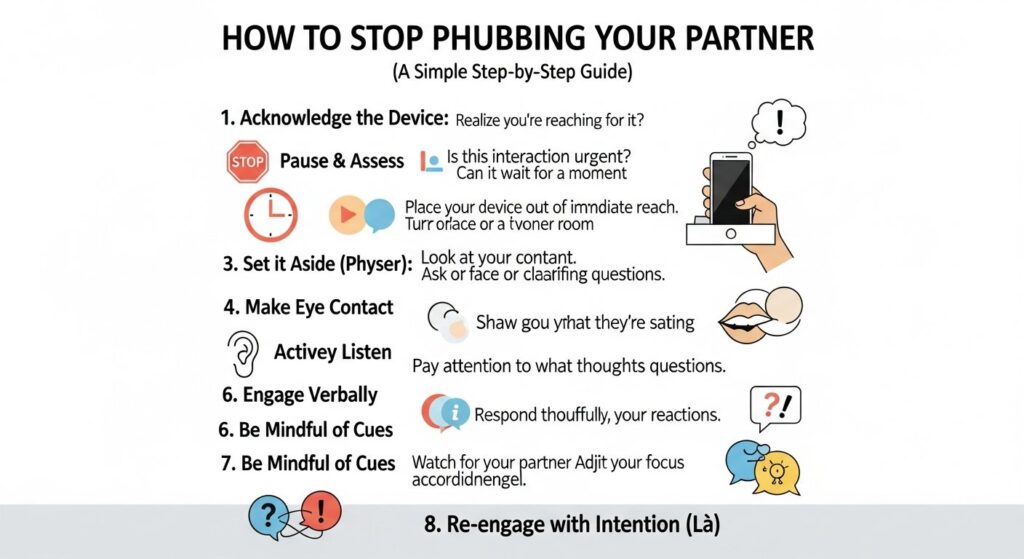
Phubbing, the act of snubbing someone in favor of your phone, is a direct consequence of prioritizing the digital over the present. When we’re constantly checking our phones during conversations, meals, or intimate moments, we signal to those around us that they are secondary to our online world. This behavior erodes trust, intimacy, and the quality of our real-world relationships. Our partners, friends, and family members crave our full attention and presence. When we fail to give it, we create distance and resentment, sacrificing tangible, meaningful connections for ephemeral digital interactions.
Reduced Creativity and Critical Thinking
When our minds are constantly engaged in the cycle of posting, checking, and comparing, there’s less space for deep thinking, reflection, and creative exploration. Our attention spans can shorten, and our ability to focus on complex tasks can diminish. The instant gratification of online validation can also make us less patient with activities that require sustained effort and offer delayed rewards, such as learning a new skill, reading a book, or pursuing a creative hobby – activities that truly build self-efficacy and internal validation.
The Cycle of “Performative Living”
Seeking online validation often leads to “performative living,” where we live our lives not for our own enjoyment or growth, but for the optics it presents online. We choose activities, destinations, or even opinions based on what we think will garner the most attention or approval. This creates a disconnect between our authentic self and our presented self, leading to a feeling of inauthenticity and a constant pressure to maintain a facade. This can be exhausting and ultimately unfulfilling, as true joy comes from living in alignment with our true selves, not an idealized online persona.
Reclaiming Your Inner Compass: Shifting from External to Internal Validation
The good news is that we have the power to shift our focus from external validation to a robust, resilient sense of self-worth that comes from within. This isn’t about abandoning social media entirely, but about changing our relationship with it.
Understanding Self-Compassion
A cornerstone of internal validation is self-compassion. Instead of harshly judging ourselves based on external metrics, self-compassion involves treating ourselves with the same kindness, understanding, and care we would offer a good friend. Kristin Neff, a leading researcher in self-compassion, identifies three core components: self-kindness (being warm and understanding towards ourselves), common humanity (recognizing that suffering and imperfection are part of the shared human experience), and mindfulness (observing our thoughts and feelings without judgment). Practicing self-compassion helps us detach from the need for external approval because our worth isn’t contingent on others’ opinions; it’s inherent.
Technique: Self-Compassion Break
When you feel the urge to seek online validation or experience discomfort from a lack of it, try this quick exercise:
1. Mindfulness: Notice what you’re feeling without judgment. “This is a moment of suffering/discomfort.”
2. Common Humanity: Remind yourself that you’re not alone. “All humans experience these feelings. It’s part of being human.”
3. Self-Kindness: Offer yourself comfort. “May I be kind to myself in this moment. May I give myself the compassion I need.”
Cultivating Self-Awareness: The “Why” Behind the Scroll
Before you post or scroll, pause and ask yourself: “Why am I doing this right now?” Is it to genuinely connect, share something meaningful, or learn? Or is it driven by an unconscious urge for approval, a fear of missing out, or a way to escape discomfort? Becoming aware of these underlying motivations is crucial. This self-inquiry helps you make conscious choices rather than falling into habitual, often unhelpful, patterns.
Technique: The “Check-In” Before You Log On
Before opening any social media app or publishing a post, take three deep breaths. Ask yourself:
* What is my intention for being online right now?
* How do I hope to feel after this interaction?
* Is this truly serving my well-being or my goals?
If the answer points to validation-seeking or escaping, consider a different activity.
Defining Your Values: What Truly Matters to YOU?
Internal validation stems from living in alignment with your core values. What truly matters to you in life? Is it kindness, creativity, adventure, integrity, learning, family, community? When you act in ways that reflect your values, you build an intrinsic sense of worth and purpose that no number of likes can replicate. Spend time reflecting on what your non-negotiable values are and consciously integrate them into your daily life.
Technique: Values Clarification Exercise
1. List 5-7 values that are most important to you (e.g., honesty, creativity, connection, health, contribution, humor).
2. For each value, write down one action you can take this week to live that value more fully.
3. Periodically review your values and actions. Do your daily choices reflect what you truly care about, or are they dictated by external pressures?
Practical Pathways to Presence: Techniques for Mindful Living
Shifting away from online validation seeking requires a conscious effort to redirect your attention and energy towards the present moment and the real world. Mindfulness is your most powerful tool here.
Mindful Digital Consumption: Setting Boundaries and Intentions
Mindfulness isn’t just about meditation; it’s about paying attention to the present moment without judgment. Applied to digital wellness, this means being intentional about how, when, and why you use your devices.
* Notification Management: Turn off all non-essential notifications. Every ping is a distraction pulling you away from the present. You are in control, not your phone.
* Designated Tech-Free Zones/Times: Establish clear boundaries. No phones at the dinner table, in the bedroom, or during family time. Designate specific hours for checking social media rather than constant grazing.
* Curate Your Feed: Unfollow accounts that make you feel inadequate, envious, or stressed. Seek out accounts that inspire, educate, or genuinely uplift you. Your feed should be a source of positive engagement, not comparison.
* Mindful Scrolling: Instead of aimlessly scrolling, set a timer for 10-15 minutes. When the timer goes off, put your phone down, even if you haven’t seen everything. This breaks the endless scroll habit.
Engaging Your Senses: Anchoring to the Present
Our senses are powerful gateways to the present moment. When you find yourself drifting into online comparison or craving validation, intentionally engage your senses in your immediate environment.
* The 5-4-3-2-1 Technique: This grounding exercise helps you focus on your surroundings.
* Name 5 things you can see.
* Name 4 things you can feel (e.g., the chair beneath you, your clothes, the temperature).
* Name 3 things you can hear.
* Name 2 things you can smell.
* Name 1 thing you can taste.
* Mindful Eating/Drinking: Instead of eating while scrolling, dedicate a meal to truly experiencing your food. Notice the colors, textures, smells, and tastes. Chew slowly. This simple act can be profoundly grounding.
Embracing Discomfort and Boredom
Part of the reason we reach for our phones is to avoid discomfort, boredom, or difficult emotions. Learning to sit with these feelings, rather than immediately seeking distraction or validation, is a crucial step towards presence.
* Scheduled Boredom: Intentionally set aside 15-30 minutes a day where you do absolutely nothing – no phone, no TV, no book, no music. Just sit with your thoughts. It might feel uncomfortable at first, but it allows space for introspection, creativity, and self-discovery.
* Journaling: When uncomfortable feelings arise, instead of posting about them, write them down in a private journal. This allows you to process emotions without the pressure of an audience, fostering self-understanding and internal resilience.
Cultivating Authentic Connections in a Digital World
True human connection is a cornerstone of well-being and a powerful antidote to the superficiality of online validation. Shifting your focus to fostering these deeper bonds is paramount.
Practice Active Listening
When you’re with someone, give them your full, undivided attention. Put your phone away, make eye contact, and truly listen to understand, not just to respond. Ask open-ended questions and listen without interruption. This simple act communicates respect and builds deeper trust and intimacy far more effectively than any digital interaction. When you are fully present for someone else, you also become more present for yourself.
Engage in “Real-Life” Activities
Prioritize activities that require your full presence and interaction with others. Join a club, volunteer, take a class, participate in a local sports league, or simply meet friends for coffee without the distraction of screens. These shared experiences create genuine memories and foster a sense of belonging that is far more satisfying than virtual connections. The satisfaction derived from contributing to something larger than yourself or mastering a new skill provides its own robust internal validation.
Be Vulnerable (Thoughtfully)
Authentic connection often requires a degree of vulnerability. Share your true thoughts, feelings, and experiences with trusted individuals in your life, not just a curated version online. This doesn’t mean oversharing; it means being genuine and allowing yourself to be seen, imperfections and all. When you receive acceptance for who you truly are, it reinforces your self-worth intrinsically, reducing the need for external approval.
The Power of Face-to-Face Interaction
Nothing replaces the richness of face-to-face interaction. The nuances of body language, tone of voice, and shared physical space create a level of understanding and empathy that screens simply cannot replicate. Make a conscious effort to schedule regular in-person meetups with friends and family. Even a brief conversation or a shared laugh can be incredibly grounding and fulfilling, reminding you of the beauty of human connection beyond the digital realm.
Building a Sustainable Digital Wellness Practice
Detaching from online validation and embracing presence isn’t a one-time fix; it’s an ongoing journey. Establishing sustainable practices is key to long-term success.
Conduct Regular Digital Audits
Periodically review your digital habits. Look at your screen time reports. Which apps consume most of your attention? Are they adding value to your life or detracting from it? Be honest with yourself. Consider deleting apps that are significant time sinks or validation traps. You can always reinstall them if you genuinely miss them, but often, the absence creates unexpected freedom.
Technique: The “Delete or Diminish” Audit
Once a month, review all apps on your phone. For each social media app, ask:
* Does this app consistently make me feel good, inspired, or connected in a meaningful way?
* Does it align with my values?
* Am I using it primarily for external validation or distraction?
If the answer to the last question is “yes” for most of your usage, consider deleting the app or severely limiting its access (e.g., moving it to a hidden folder, turning off all notifications, setting strict time limits).
Schedule “Digital Sabbath” or Detox Periods
Just as we rest our bodies, our minds need digital breaks. Commit to regular periods of complete digital disconnection – whether it’s an hour each evening, a full day each week (a “Digital Sabbath”), or even a weekend retreat. These periods allow your mind to reset, recharge, and reconnect with the physical world and your inner self without the constant pull of screens. Start small and gradually increase the duration as you become more comfortable.
Find Offline Hobbies and Passions
Cultivate interests that exist entirely offline. Learn a musical instrument, pick up painting, start gardening, go hiking, join a book club, or bake. When you invest time and energy into activities that bring you personal joy and a sense of accomplishment, you build a powerful source of internal validation. The satisfaction derived from creating something, mastering a skill, or simply enjoying nature is authentic and unshakeable, independent of any external praise.
Be Patient and Practice Self-Compassion
Changing deeply ingrained habits takes time and effort. There will be days when you slip back into old patterns, when the urge to check your phone or seek validation feels overwhelming. This is normal. Instead of self-criticism, practice self-compassion. Acknowledge the slip, learn from it, and gently redirect yourself back to your intentions. Every mindful choice you make, no matter how small, is a step in the right direction. Remember, the goal is not perfection, but progress towards a more present, authentic, and internally validated life.
Embrace Your Authentic Presence
The journey to detach from online validation and embrace authentic presence is a profound act of self-love. It’s about choosing quality over quantity, depth over superficiality, and intrinsic worth over fleeting approval. It’s about recognizing that your value isn’t measured in likes or followers, but in the richness of your experiences, the depth of your connections, and the quiet strength of your inner compass.
By understanding the psychological hooks, acknowledging the hidden costs, and consistently implementing mindful practices, you can reclaim your attention, nurture your self-esteem, and cultivate a life brimming with genuine connection and profound presence. At Stop Phubbing, we believe that the most meaningful “likes” come from within – the quiet affirmation of a life well-lived, fully experienced, and authentically shared with those who truly matter. Embrace the present moment, because that’s where your real life unfolds.