Raising Digital Natives Wisely: A Roadmap for Mindful Parenting in the Smartphone Age
Embrace Understanding, Not Fear: Navigating the Digital Landscape Together
It’s easy to feel a sense of trepidation when we consider the digital world our children inhabit. News headlines often highlight the downsides: cyberbullying, screen addiction, privacy concerns. While these are valid worries, a blanket ban or an approach rooted solely in fear can often be counterproductive. Instead, let’s shift our perspective to one of understanding and empowerment. Our children will interact with technology throughout their lives; our role isn’t to shield them entirely, but to equip them with the wisdom to navigate it safely and effectively.
Think of it like teaching them to swim. You wouldn’t throw them into the deep end without lessons, nor would you forbid them from ever touching water. You teach them techniques, safety rules, and how to enjoy the water responsibly. The digital world is no different. This means embracing digital literacy as a core life skill. According to the American Academy of Pediatrics (AAP), a balanced approach emphasizes media literacy, critical thinking, and digital citizenship.
Practical Steps:
* Become a Digital Explorer with Them: Instead of just monitoring, engage with the platforms and games your children use (within reason and age-appropriateness). Ask them to teach you. What do they find fun? What are their friends doing? This creates an open dialogue and helps you understand their world from their perspective.
* Foster Critical Thinking: When they encounter content online, encourage them to question it. “Who made this? Why? Is this information reliable?” Teach them about identifying misinformation, recognizing advertising, and understanding the concept of a digital footprint. Resources like Common Sense Media offer excellent tools and conversation starters for media literacy.
* Teach Digital Citizenship: This is about being a responsible, respectful, and safe inhabitant of the online world. Discuss online etiquette, the importance of kindness, understanding privacy settings, and what to do if they see something uncomfortable or inappropriate. Emphasize that the same rules of good behavior apply online as offline.
Focus on the “Why”: Instead of just saying “no screens,” explain why* certain limits are in place (e.g., “Too much screen time affects our sleep,” “We need to talk face-to-face to really understand each other’s feelings”). When children understand the rationale, they are more likely to internalize the rules and develop self-regulation.
Model Mindful Digital Habits: Be the Change You Wish to See


Practical Steps:
Designate Screen-Free Zones and Times: Make certain areas of your home, like the dinner table, bedrooms (especially at night), or during family activities, sacred screen-free zones for everyone*, including adults. Similarly, establish screen-free times, such as the first hour after waking or the last hour before bed.
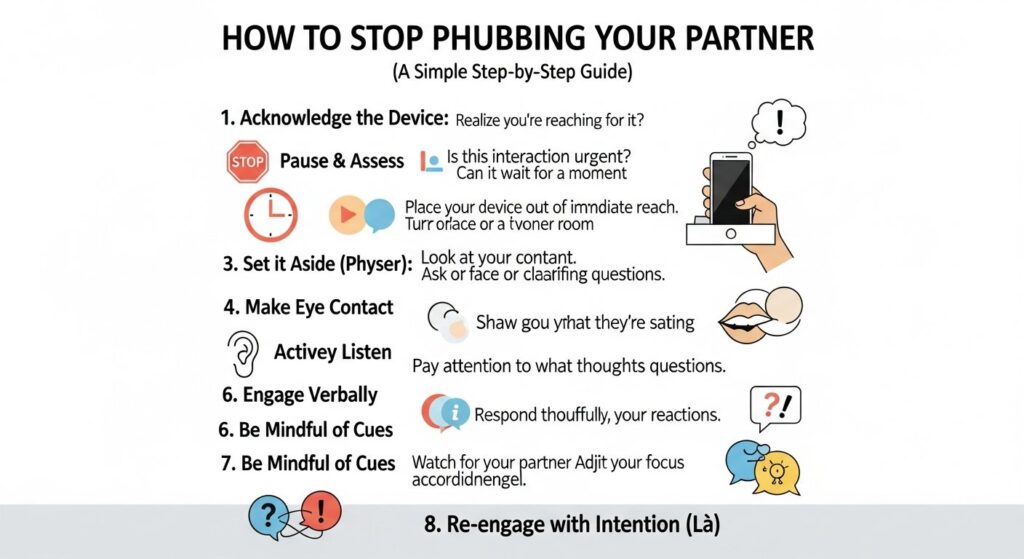
* Practice Present Parenting: When you’re with your child, try to be fully present. Put your phone away, turn it on silent, or leave it in another room. Make eye contact, listen actively, and engage without digital distractions. This models the value of undivided attention and strengthens your connection.
Narrate Your Own Tech Use: When you do* use your phone in front of your children, explain why. “Mommy is just checking this quick email for work, then I’m putting it away,” or “I’m looking up a recipe for dinner.” This helps them understand that not all screen time is mindless entertainment and that technology serves various purposes.
* Schedule Digital Detoxes: Take regular breaks from screens as a family. This could be an hour, an afternoon, a full day on the weekend, or even a vacation. Use this time to rediscover offline joys – nature walks, board games, creative projects, or simply talking.
* Reflect on Your “Why”: Before picking up your phone, take a moment to pause. What’s your intention? Are you genuinely checking something important, or are you mindlessly scrolling? Becoming aware of our own triggers and habits is the first step toward modeling healthier ones.
Establish Clear Boundaries and Expectations: Crafting a Family Media Plan
One of the most effective strategies for wise digital parenting is to establish clear, consistent, and age-appropriate boundaries around technology use. This isn’t about being overly strict; it’s about providing a predictable structure that helps children develop self-control and prioritize other aspects of their lives. Without clear rules, children (and adults!) can easily fall into patterns of excessive or unmindful screen use.
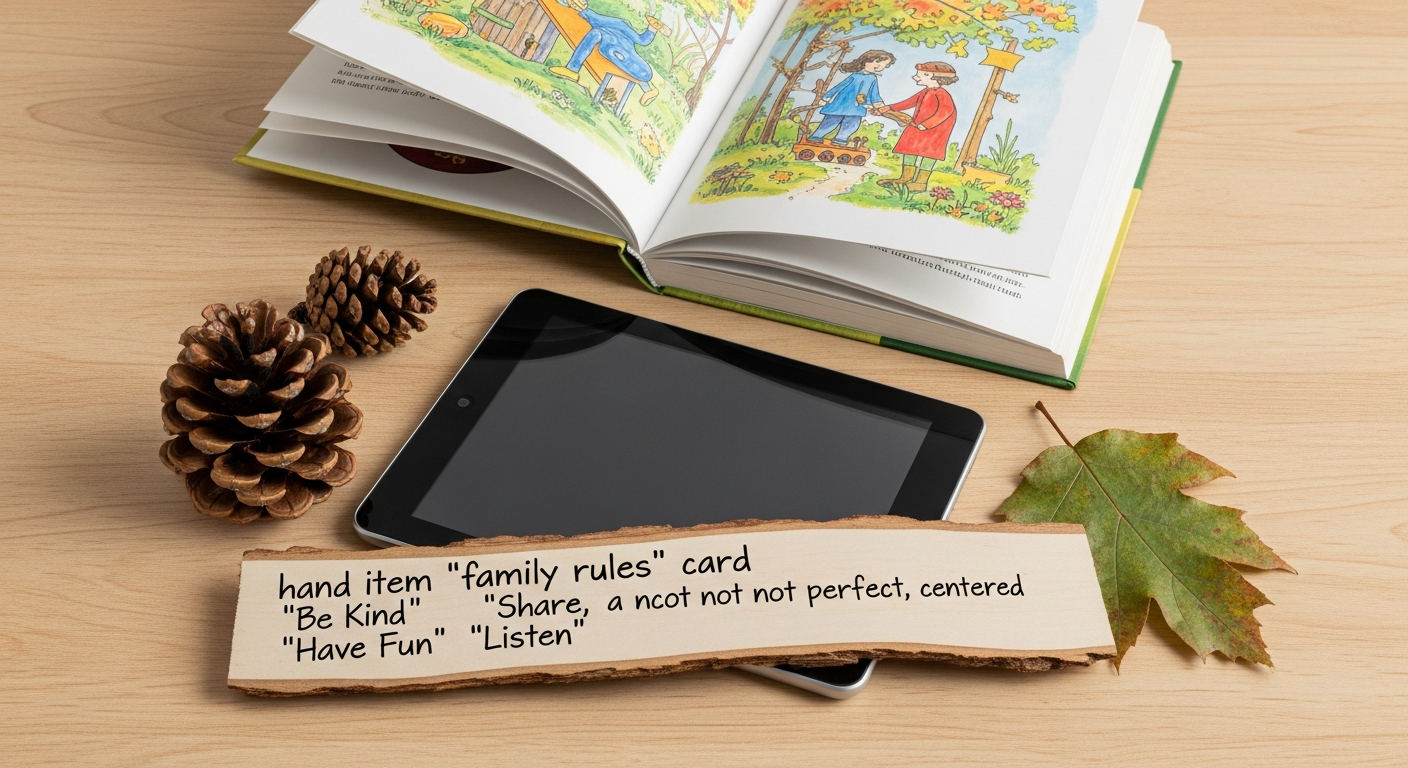
The concept of a “Family Media Plan” is highly recommended by organizations like the AAP. This isn’t a rigid contract but a living document that evolves as your children grow. It involves a collaborative discussion with your family about how technology will be used in your home.
Practical Steps:
* Collaborate on Rules (Age-Appropriate): For older children, involve them in creating the family media plan. When they have a voice in the rules, they are more likely to take ownership and adhere to them. For younger children, you’ll set the rules, but explain them clearly.
Focus on Quality, Not Just Quantity: While screen time limits are important, also consider the quality* of content. Is it educational, creative, interactive, or simply passive entertainment? Prioritize enriching content over mindless scrolling.
* Set Clear Time Limits: Define specific daily or weekly screen time allowances. Use timers or parental control apps to help enforce these. Consider a “token system” where children earn screen time for completing chores, homework, or other responsibilities.
* Define Device-Free Times & Locations: Beyond the dinner table, consider “no devices in bedrooms” rules, especially overnight. The blue light from screens can disrupt sleep, and having a device in the bedroom can lead to late-night use and exposure to inappropriate content.
* Implement “Connect Before Content”: Before children jump onto screens, ensure they’ve completed homework, engaged in physical activity, spent time outdoors, or had meaningful face-to-face interactions. This prioritizes real-world engagement.
* Establish Consequences and Consistency: Clearly outline what happens when rules are broken (e.g., loss of screen time, device privileges). Consistency is key; if rules are only enforced sometimes, they lose their power.
* Age-Appropriate Access:
* Toddlers & Preschoolers: Limit screen time to short, interactive, educational programs, ideally co-viewed with a parent. Avoid using screens as pacifiers.
* School-Aged Children: Gradually introduce more screen time, focusing on educational apps, creative tools, and limited, age-appropriate entertainment. Teach them about online safety and privacy.
* Tweens & Teens: This is where the balance shifts more toward self-regulation. Continue to set boundaries, but also empower them with critical thinking skills. Discuss social media use, online friendships, and the permanence of their digital footprint. Consider a “no phone until 14” or “delay the smartphone” approach if it aligns with your family values and community norms.
Prioritize Connection and Communication: Building Bridges, Not Walls


At the heart of the Stop Phubbing mission is the belief that authentic human connection is paramount. In the digital age, this means actively working to keep the lines of communication open with our children, fostering a sense of trust and safety where they feel comfortable sharing their online experiences – both good and bad. When children feel truly seen and heard by their parents, they are less likely to seek validation solely from screens or online communities.
Practical Steps:
* Active Listening, Not Lecturing: When your child talks about their online life, listen without immediate judgment or interruption. Ask open-ended questions like, “How did that make you feel?” or “What do you like about that game/app?” This creates a safe space for them to share.
* Regular “Check-in, Not Check-out” Conversations: Don’t wait for a crisis. Make technology a regular topic of conversation. Ask about their online friends, what they’re learning, or any challenges they’re facing. Frame these as opportunities to connect and understand, rather than interrogations.
* Share Your Own Experiences: When appropriate, share your own positive or negative experiences with technology, demonstrating vulnerability and relatable lessons. This helps children see you as a fellow traveler, not just an authority figure.
* Co-Engage with Digital Content: When possible, watch videos, play games, or explore educational apps together. This provides a natural opportunity for discussion, allows you to model critical thinking, and turns screen time into bonding time.
* Prioritize Face-to-Face Time: Intentionally schedule and protect time for family meals, game nights, outdoor adventures, or simply hanging out without screens. These moments are crucial for developing social skills, empathy, and strong family bonds.
* Teach Emotional Intelligence: Help your children understand their own emotions and how to respond to others’ online. Discuss how easy it is to misinterpret tone online and the importance of thinking before posting. Empathy is a vital skill in the digital realm.
Cultivate Offline Passions and Real-World Skills: A Balanced Ecosystem
While digital literacy is essential, it’s equally crucial to ensure our children develop a rich tapestry of offline interests, hobbies, and real-world skills. A balanced life isn’t about avoiding screens entirely, but about integrating them thoughtfully alongside a vibrant array of non-digital pursuits. This fosters creativity, physical health, social development, and resilience.
Practical Steps:
* Encourage Diverse Hobbies: Expose your children to a wide range of activities: sports, music, art, reading, cooking, gardening, building, coding (offline projects!), volunteer work, or outdoor exploration. Help them find what sparks their interest.
* Prioritize Outdoor Play: Unstructured outdoor play is vital for physical health, cognitive development, risk assessment, and creativity. Make it a non-negotiable part of their day, even if it’s just a walk around the block or time in the backyard.
* Foster Face-to-Face Social Skills: Arrange playdates, encourage participation in group activities, and create opportunities for them to interact with peers and adults in person. These interactions build empathy, negotiation skills, and conflict resolution abilities that are harder to learn online.
* Embrace Boredom: Resist the urge to fill every moment with entertainment, digital or otherwise. Allowing children to experience boredom can be a powerful catalyst for creativity, imagination, and problem-solving as they learn to entertain themselves.
* Involve Them in Real-World Responsibilities: Chores, helping with meal prep, or running errands teach valuable life skills, responsibility, and contribute to a sense of belonging within the family. These are tangible contributions that build self-esteem.
* Limit “Digital Homework” if Possible: While some schoolwork requires screens, be mindful of the overall digital load. Advocate for balanced assignments that include reading physical books, hands-on projects, and creative writing.
Foster Digital Resilience and Safety: Equipping Them for the Online World
Despite our best efforts, our children will inevitably encounter challenges online. Whether it’s a mean comment, inappropriate content, or a privacy concern, preparing them with the tools to respond wisely is paramount. Digital resilience isn’t about avoiding all negative experiences; it’s about developing the emotional and practical skills to navigate them and bounce back stronger.
Practical Steps:
* Teach Privacy and Cybersecurity Basics:
Personal Information: Explain what kind of information should never* be shared online (full name, address, school, phone number, photos that reveal location).
* Strong Passwords: Teach them how to create complex passwords and the importance of not sharing them.
* Phishing/Scams: Educate them about recognizing suspicious links, emails, or messages.
* Privacy Settings: Show them how to manage privacy settings on social media and apps, making their profiles private.
* Discuss Online Stranger Danger: Reinforce that people online may not be who they say they are. Teach them never to meet someone they’ve only known online without parental permission and supervision.
* Empower Them to Report and Block: Ensure your children know how to block and report inappropriate content, cyberbullying, or unwanted contact on every platform they use. Teach them that reporting is not “snitching” but a way to protect themselves and others.
Establish a “Go-To” Adult: Make it clear that they can come to you, or another trusted adult, with any* online problem, without fear of judgment or having their devices taken away permanently. Emphasize that you’ll work together to solve it. This open door policy is crucial.
* Address Cyberbullying Proactively: Talk about what cyberbullying is, how it feels to be on the receiving end, and the responsibility of being an upstander, not just a bystander. Develop a family plan for how to respond if they experience or witness cyberbullying (e.g., don’t respond, save evidence, block, tell an adult).
* Teach Digital Empathy: Remind them that there’s a real person with feelings behind every screen. Encourage them to pause before posting and ask: “Is this kind? Is this true? Is this helpful? Is this necessary?”
Conclusion: A Journey of Connection, Balance, and Growth
Raising digital natives is undeniably one of the most complex and evolving aspects of modern parenting. There are no easy answers, and what works for one family might not work for another. But through it all, remember your core mission: to nurture well-rounded, resilient, and connected individuals who can thrive in both the digital and physical worlds.
This journey is about balance – balancing screen time with green time, digital connections with real-world relationships, and online learning with hands-on experiences. It’s about intentionality – making conscious choices about how technology serves your family, rather than letting it dictate your lives. And most importantly, it’s about connection – prioritizing deep, authentic relationships within your family, built on trust, open communication, and shared experiences.
Give yourself grace. You won’t always get it right, and that’s okay. The goal isn’t perfection, but progress. Start small, pick one or two strategies from this article that resonate with you, and begin implementing them today. Your consistent effort, your mindful presence, and your unwavering love are the most powerful tools you have to guide your digital native children wisely into their future. Let’s continue to stop phubbing and start connecting, one mindful moment at a time.