The Silent Invader: Why Your Phone Doesn’t Belong in the Bedroom
The allure of having our phones by our bedside is powerful. They serve as alarm clocks, entertainment hubs, and our primary connection to the outside world, offering a sense of security and instant access to information. However, this convenience comes at a significant cost, subtly undermining fundamental aspects of our health and happiness. Understanding these detrimental effects is the crucial first step in motivating yourself to make a change. When we talk about creating a phone-free bedroom, we’re not just discussing a minor lifestyle tweak; we’re addressing a core issue that impacts sleep, mental well-being, and the very fabric of our personal relationships.
Firstly, consider the profound impact on your sleep quality. The blue light emitted by smartphone screens is a notorious disruptor of melatonin production, the hormone essential for regulating your sleep-wake cycle. Exposure to this light, especially in the hours leading up to bedtime, signals to your brain that it’s daytime, making it harder to fall asleep and reducing the quality of the sleep you do get. Even if you manage to drift off, the mere presence of your phone, with its potential for notifications and alerts, keeps your brain in a state of hyper-vigilance. You might not consciously hear every ping, but your subconscious is often on alert, anticipating the next interruption. This phenomenon, often referred to as “sleep displacement,” means you’re sacrificing precious hours of restorative sleep, leading to fatigue, reduced cognitive function, and increased irritability the next day. A phone-free bedroom ensures your brain can truly unwind and prepare for a night of uninterrupted, restorative rest.
Beyond sleep, the constant accessibility of your phone in the bedroom significantly affects your mental and emotional well-being. The last thing many of us do before bed and the first thing we do upon waking is check our phones. This often means exposing ourselves to stressful news, social media comparisons, work emails, or urgent messages at the most vulnerable times of our day. Starting or ending your day with this digital bombardment can elevate anxiety levels, fuel feelings of inadequacy, and prevent you from truly disconnecting from the day’s stressors. The bedroom should be a space for decompression and peace, not a portal to the world’s demands. By removing your phone, you create a buffer, allowing yourself to transition into sleep calmly and wake up gently, setting a more positive tone for your entire day. This act of intentional detachment is a powerful form of self-care, fostering greater mental clarity and emotional resilience.
Finally, and perhaps most critically for many, the presence of phones in the bedroom can severely impede relationship intimacy and communication. How often do partners lie next to each other, each engrossed in their own device, rather than engaging in conversation or shared moments? This phenomenon, known as phubbing (phone snubbing), is a silent killer of connection. When a phone is present, even if not actively being used, it creates a barrier, signaling that external digital interactions might be prioritized over the person physically present. This can lead to feelings of neglect, resentment, and a gradual erosion of emotional intimacy. For couples looking for how to communicate better relationships, the first step often involves removing the digital distractions that prevent genuine presence and active listening. A phone-free bedroom creates an environment conducive to meaningful dialogue, shared experiences, and physical intimacy, allowing you to truly connect with your partner without the constant pull of the digital world. It’s about consciously choosing to prioritize human connection over digital distraction, fostering a deeper bond and a more satisfying relationship.
The Great Digital Detox: Practical Steps to Banish Your Device

Embarking on the journey to a phone-free bedroom might seem daunting at first, especially if your device has been an inseparable bedtime companion for years. However, with a clear strategy and a commitment to your well-being, this transition is not only achievable but immensely rewarding. The goal is not just to remove the phone physically, but to dismantle the habits and dependencies that keep it tethered to your sleep space. This section outlines practical, actionable steps you can take to initiate and sustain your digital detox.
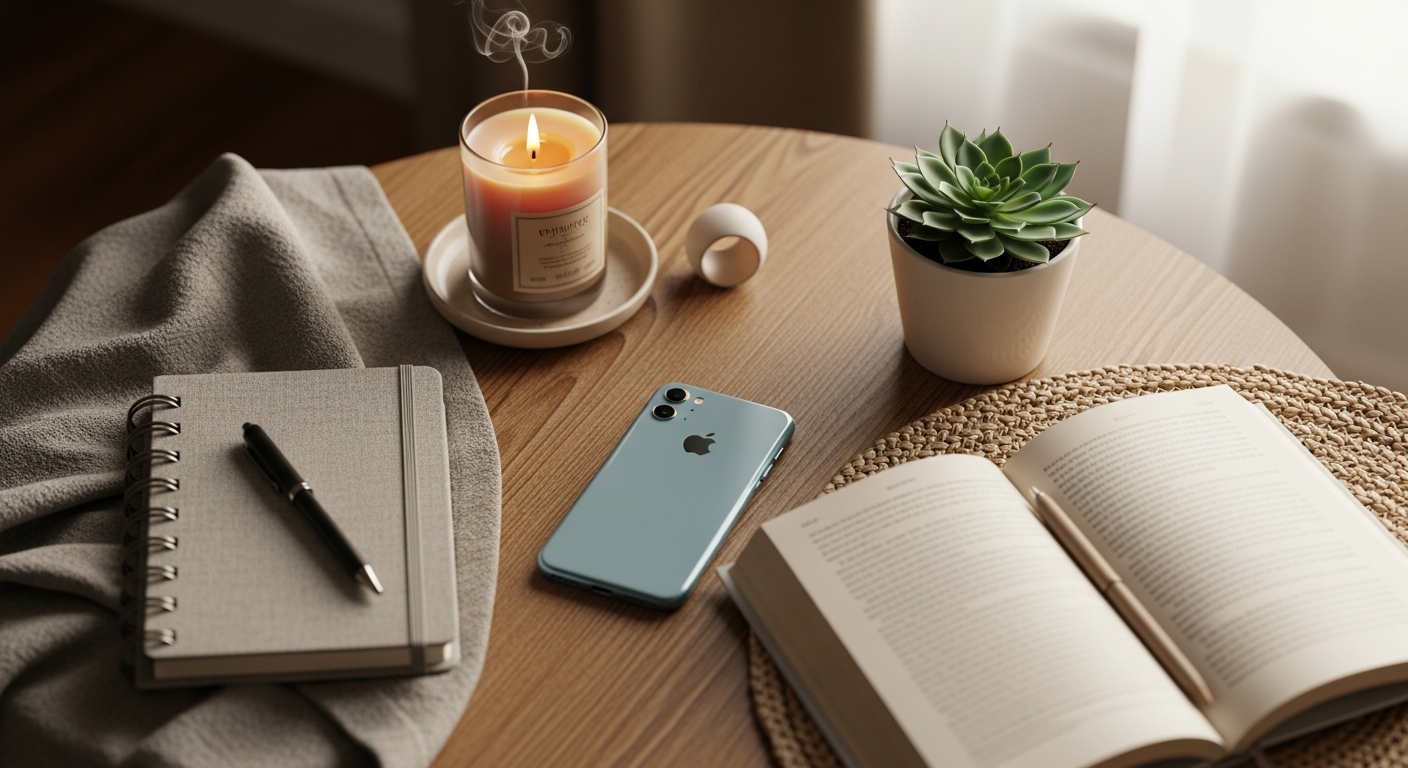
The first and most fundamental step is the physical removal of your phone from the bedroom. This isn’t about hiding it; it’s about establishing a clear boundary. Identify a designated charging station outside your bedroom – perhaps in the living room, kitchen, or a home office. This location should be far enough away that retrieving your phone requires conscious effort, discouraging last-minute checks or middle-of-the-night grabs. The “out of sight, out of mind” principle is incredibly powerful here. If your phone isn’t within arm’s reach, the temptation to pick it up significantly diminishes. Consider investing in a multi-device charging station for the family, making it a collective habit to dock all devices for the night in a central, non-bedroom location. This transforms a personal challenge into a shared commitment, reinforcing the new norm.
Next, you’ll need to address the functions your phone currently serves in the bedroom. For most, the primary function is an alarm clock. This is an easy fix: purchase a dedicated, old-fashioned alarm clock. There’s a wide range available, from simple digital models to more sophisticated “sunrise alarm” clocks that gradually brighten your room, mimicking a natural dawn. This small investment pays huge dividends by eliminating the need for your phone as a wake-up device, thus removing its most justifiable reason for being in the room. Choose a clock that is aesthetically pleasing and fits the calm ambiance you’re trying to create, avoiding models with excessively bright displays that could interfere with sleep.
Another common use for phones in the bedroom is for reading or listening to podcasts/audiobooks before sleep. While these can be relaxing activities, doing them on a phone still exposes you to blue light and the potential for notifications. Replace your phone with a dedicated e-reader (like a Kindle Paperwhite or Kobo, which use E-Ink displays that don’t emit blue light) or a simple MP3 player/Bluetooth speaker for audio content. Better yet, embrace physical books. The tactile experience of turning pages, the absence of glowing screens, and the focused attention required by a physical book can be incredibly soothing and conducive to sleep. Similarly, a small, dedicated radio or an old CD player can provide background music or spoken-word content without the digital tether.
Consider implementing a “digital curfew” for yourself and any partners. This means setting a specific time each evening (e.g., 90 minutes before your intended bedtime) when all screens are powered down or put away. This transition period allows your brain to gradually shift from an alert, active state to a more relaxed, sleep-ready one. During this time, engage in non-screen activities (more on this in the next section). Communicate this curfew to family and friends so they understand why you might not respond immediately to late-night messages. You’ll find that most “urgent” matters can wait until morning, and for genuine emergencies, a landline or a designated “emergency phone” kept elsewhere in the house can be a backup, though often unnecessary.
Finally, be prepared for the initial discomfort. The first few nights might feel strange, even unsettling. You might experience phantom vibrations or the urge to check your phone. This is a normal part of breaking a habit. Acknowledge these feelings without judgment, and remind yourself of the significant benefits you’re working towards. Consistency is key. Every night you successfully keep your phone out of the bedroom reinforces the new habit and brings you closer to a genuinely phone-free sanctuary. This isn’t just about removing a device; it’s about reclaiming your mental space and fostering a healthier relationship with technology, a core tenet of building tips for healthy technology use.
Cultivating a Restful Retreat: Designing Your Phone-Free Oasis
Start by focusing on the ambiance and aesthetics of your bedroom. Consider the lighting: harsh overhead lights are antithetical to relaxation. Opt for warm, dimmable lamps or sconces that cast a soft glow. Smart lighting systems can be programmed to gradually dim as bedtime approaches, signaling to your body that it’s time to wind down. Blackout curtains or blinds are excellent for ensuring complete darkness, which is vital for uninterrupted sleep, especially if you live in an urban environment. Evaluate your color palette; soothing, muted tones like blues, greens, grays, and soft neutrals are known to promote calmness and tranquility. Introduce textures that invite comfort: plush rugs, soft bedding, and throw blankets create an inviting and cozy atmosphere.
Decluttering and organization play a significant role in creating a peaceful environment. A cluttered bedroom can contribute to a cluttered mind, making it harder to relax. Take time to remove anything that doesn’t belong or doesn’t contribute to the room’s purpose of rest and rejuvenation. This includes work-related items, exercise equipment, or excessive decor that feels overwhelming. Keep surfaces clear and tidy. Storage solutions like bedside tables with drawers or under-bed storage can help keep essentials organized and out of sight, reducing visual noise. The less visual stimulation, the easier it is for your mind to quiet down.
Introduce elements that engage your other senses in a positive way. Aromatherapy can be a powerful tool for relaxation. A diffuser with essential oils like lavender, chamomile, or bergamot can create a calming scent profile. Be mindful of strong perfumes or air fresheners that might be irritating. Consider a small, quiet fan or a white noise machine if external sounds are disruptive; consistent, gentle background noise can mask sudden disturbances and promote deeper sleep. The goal is to create an auditory landscape that is conducive to rest, not one that keeps your senses alert.
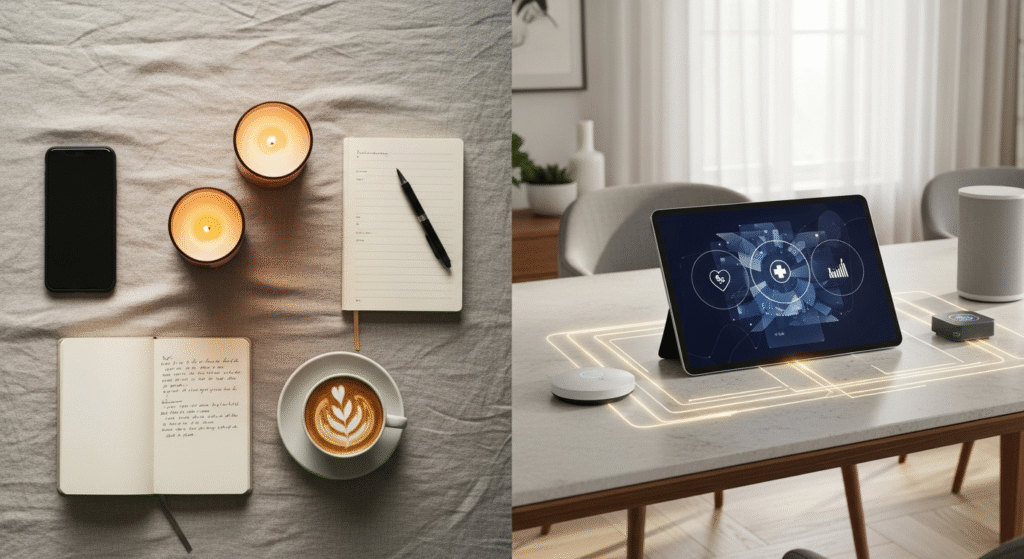
Crucially, fill the void left by your phone with purposeful, non-digital alternatives. This is where you actively redefine the bedroom’s function. Establish a dedicated “bedside ritual kit” that encourages relaxation and connection. This might include:
- A stack of physical books or magazines: Choose genres that are engaging but not overly stimulating.
- A journal and pen: Use this time for reflection, gratitude practice, or simply jotting down thoughts to clear your mind before sleep. This can be a powerful tool for processing the day without resorting to a screen.
- A sketchbook or adult coloring book: Engaging in creative, low-stakes activities can be incredibly meditative.
- Tea-making supplies: A warm cup of herbal tea (chamomile, peppermint, valerian root) can be a comforting pre-sleep ritual.
- Materials for gentle stretching or meditation: A small yoga mat or cushion can facilitate a brief, calming routine.
- Conversation starters for couples: If you share your bedroom, having a small box of cards with prompts for deeper discussion can encourage meaningful interaction, building on efforts for how to communicate better relationships.
By surrounding yourself with these intentional items and activities, you actively retrain your brain to associate the bedroom not with digital stimulation, but with peace, comfort, and restorative practices. This proactive approach ensures that your phone-free bedroom isn’t just an empty space, but a rich, inviting environment that truly serves your well-being.
Rewiring Your Evening: New Habits for Mindful Nights

Removing your phone from the bedroom is a significant first step, but the true transformation lies in what you do instead. Our brains are creatures of habit, and simply taking away a familiar comfort (or distraction) can leave a void. To truly create a phone-free bedroom and reap its full benefits, you need to establish new, positive evening routines that prepare your mind and body for restful sleep and meaningful connection. This section focuses on cultivating mindful habits that replace screen time and enhance overall well-being, drawing on principles for tips for healthy technology use.
The concept of a “wind-down routine” is central to this. Just as children benefit from consistent bedtime rituals, adults thrive on a predictable sequence of activities that signal the end of the day and prepare for sleep. This routine should ideally begin 60-90 minutes before your target bedtime, coinciding with your digital curfew. What you choose to include in this routine is personal, but the key is to prioritize activities that are relaxing and non-stimulating. Here are some ideas:
- Read a physical book: As mentioned, this is an excellent replacement for screen time. Choose fiction, non-fiction that isn’t work-related, or inspiring literature. The act of reading allows your mind to focus on a single narrative, pulling you away from the day’s scattered thoughts.
- Listen to calming music or a podcast: Opt for instrumental music, nature sounds, or a gentle, narrative podcast. Avoid anything that is too exciting, emotionally charged, or requires intense concentration.
- Journaling: Dedicate 10-15 minutes to writing down your thoughts, worries, gratitude, or plans for the next day. This “brain dump” can be incredibly effective at clearing your mind, preventing racing thoughts from keeping you awake. It’s a proactive way to process the day’s events.
- Mindful meditation or deep breathing exercises: Even 5-10 minutes of focused breathing or a guided meditation can significantly reduce stress and prepare your body for sleep. Many apps offer sleep meditations, but if your phone is out of the bedroom, consider using a smart speaker or a dedicated meditation device.
- Gentle stretching or yoga: A few simple, slow stretches can release physical tension and promote relaxation. Avoid vigorous exercise close to bedtime.
- A warm bath or shower: The drop in body temperature after a warm soak can induce sleepiness. Add Epsom salts or essential oils for an extra relaxing effect.
- Engage in quiet hobbies: Knitting, drawing, solving a puzzle, or any other low-key, engaging activity can be a perfect way to unwind.
Beyond individual practices, if you share your bedroom, use this phone-free time to reconnect with your partner. Instead of scrolling separately, engage in conversation. Talk about your day, share your thoughts, discuss dreams, or simply enjoy quiet companionship. This dedicated time for connection is invaluable for strengthening your bond and fostering intimacy. This is where the benefits for how to communicate better relationships truly shine, as you’re actively creating space for uninterrupted, genuine interaction. You might even find yourselves naturally discussing more significant topics, like how to talk about money with partner, in a calm and focused environment, free from digital distractions that often derail such sensitive conversations.
It’s also essential to be mindful of your technology use before your digital curfew. Implement “digital sunset” principles throughout your home. This means dimming lights, reducing screen brightness, and perhaps even switching to “night mode” on devices that remain in use during the evening. Be intentional about checking emails or social media. Instead of endlessly scrolling, decide what information you need to consume and then put the device down. This proactive approach to managing your technology use during the day makes the transition to a phone-free evening much smoother.
Finally, remember that consistency is key. It might take time for these new habits to feel natural, especially if you’re breaking years of ingrained behavior. Don’t get discouraged by occasional slip-ups. If you find yourself reaching for your phone, gently redirect your attention to one of your chosen alternative activities. Over time, your brain will begin to associate your evening routine and your phone-free bedroom with relaxation and rest, leading to a profound improvement in your sleep, mood, and overall quality of life. By 2026, these practices could be so ingrained that you can’t imagine your bedroom any other way, embodying the very essence of healthy technology use.
Strengthening Bonds: Reclaiming Intimacy and Communication
One of the most profound, yet often overlooked, casualties of phones in the bedroom is the erosion of intimacy and genuine communication between partners. In a world where digital connections often take precedence, the sacred space of the bedroom offers an unparalleled opportunity to nurture real-world relationships. Creating a phone-free bedroom is not just about improving sleep; it’s a deliberate act of choosing your partner over pixels, fostering deeper understanding, and rekindling the spark of connection. This section explores how removing devices can revolutionize your shared space and relationship dynamics.
The mere presence of a phone, even if not actively in use, introduces a potential rival for attention. It signals that at any moment, an external notification could pull one’s focus away from the other person. This constant subtle threat can make partners feel undervalued, leading to a breakdown in communication and a sense of emotional distance. When phones are banished, the playing field is leveled, and both individuals are implicitly committing to being present for each other. This creates an environment where active listening and genuine dialogue can flourish. Without the digital escape route, you are encouraged to truly engage, to ask questions, and to delve deeper into each other’s day, thoughts, and feelings. This is the bedrock of how to communicate better relationships, moving beyond superficial exchanges to meaningful interaction.
Consider the power of uninterrupted conversation. In a phone-free bedroom, you have the dedicated space and time to talk about things that matter. This could range from sharing funny anecdotes about your day, discussing dreams and aspirations, to navigating more complex and sensitive topics. For instance, many couples struggle with how to talk about money with partner effectively, often due to distractions or a lack of focused time. A phone-free bedroom provides a calm, private setting where you can address financial planning, budget discussions, or future investments without the constant ping of an email or the urge to check stock prices. The absence of digital interruptions allows for sustained focus, empathy, and a more productive exchange, fostering mutual understanding and a sense of partnership in tackling life’s challenges.
Beyond verbal communication, a phone-free bedroom significantly enhances physical and emotional intimacy. When screens are absent, there’s more space for non-verbal cues, affectionate gestures, and shared moments of quiet togetherness. This could mean simply holding hands, cuddling, giving a back rub, or engaging in more intimate physical touch. The focus shifts from individual digital consumption to shared physical presence. This physical closeness, free from the distraction of a glowing screen, strengthens emotional bonds and reignites passion. It allows for a deeper connection that is often overshadowed by the lure of the digital world.
The time before sleep can also become a ritual of connection. Instead of each person scrolling through social media, you might find yourselves reading aloud to each other, discussing a book, listening to music together, or simply enjoying the quiet companionship. These shared experiences, however small, build a reservoir of positive interactions that enrich your relationship. They become cherished memories, reinforcing the idea that your bedroom is a special place where your relationship is prioritized above all else. This intentional cultivation of shared, unplugged time is a powerful antidote to the isolating effects of excessive technology use, reminding both partners of the profound joy and comfort found in each other’s company.
Finally, a phone-free bedroom models healthy technology boundaries for any children in the household. By demonstrating that there are times and places for unplugging, you teach them valuable lessons about mindful living and the importance of human connection. This proactive approach to managing technology, a key component of tips for healthy technology use, creates a home environment that values presence and genuine interaction, setting a positive precedent for future generations. Reclaiming your bedroom from digital devices is an investment not just in your individual well-being, but in the enduring strength and intimacy of your most important relationships.
Navigating the Journey: Overcoming Challenges and Sustaining Your Success
The decision to create a phone-free bedroom is commendable, but the path to sustained success isn’t always linear. Like any significant habit change, you’ll likely encounter challenges and moments of temptation. The key to long-term success lies in anticipating these hurdles, developing strategies to overcome them, and maintaining a resilient mindset. This section provides guidance on common difficulties and offers practical advice for making your phone-free bedroom a lasting reality, well into 2026 and beyond.
One of the most common challenges is dealing with FOMO (Fear of Missing Out) or the perceived need for constant connectivity. Many people feel a sense of anxiety when separated from their phone, worried they might miss an important message, an urgent news alert, or a trending social media update. To combat this, remind yourself that the vast majority of digital communications can wait until morning. For genuine emergencies, establish an alternative plan: perhaps a landline phone in the living room, or a trusted family member’s number on a sticky note by your alarm clock. Reframe your perspective: instead of missing out on digital noise, you are gaining restorative sleep, peace of mind, and deeper connection. Over time, the anxiety will lessen as you realize the world continues quite well without your immediate digital input.
Another significant hurdle can be partner resistance or differing habits. If you share your bedroom, your partner might not be as eager to embrace the phone-free concept. Open and honest communication is vital here. Instead of imposing rules, approach the conversation from a place of shared well-being. Explain your motivations – better sleep, improved intimacy, less anxiety – and invite them to join you in exploring the benefits. Perhaps suggest a trial period, like a “phone-free weekend” or a few nights a week. Highlight the positive impacts on your relationship, reinforcing the importance of how to communicate better relationships. If a complete ban isn’t immediately feasible, start with compromises, such as putting phones on silent, charging them across the room, or agreeing to a digital curfew. Lead by example; your positive changes might inspire them to follow suit.
Breaking ingrained habits requires patience and self-compassion. For years, your brain has associated the bedroom with phone use. It will take time to rewire these neural pathways. Don’t be discouraged by occasional slip-ups. If you find yourself reaching for your phone out of habit, gently put it back and redirect your attention to one of your alternative activities (a book, a journal, conversation with your partner). Each time you resist the urge, you strengthen the new, desired habit. Celebrate small victories and acknowledge your progress. The goal is not perfection, but consistent effort and a commitment to your well-being.
To sustain your success, periodically review and refine your phone-free strategies. What’s working well? What challenges are still present? Are there new alternative activities you’d like to try? The digital landscape is constantly evolving, and so too should your approach to healthy technology use. Stay informed about the latest research on sleep and digital wellness, and adapt your routines as needed. This ongoing reflection ensures that your phone-free bedroom remains a vibrant and effective sanctuary.
Finally, consider the long-term vision for 2026 and beyond. Imagine a future where your bedroom is consistently a haven of peace, a place where you reliably achieve deep, restorative sleep. Picture your relationships thriving, nurtured by uninterrupted presence and meaningful conversations. Envision waking up feeling refreshed, not groggy from blue light exposure or stressed by early morning notifications. This future is entirely within your grasp by consistently upholding your commitment to a phone-free bedroom. It’s an investment in your health, happiness, and relationships that will continue to pay dividends for years to come. By prioritizing this space, you’re not just creating a phone-free zone; you’re cultivating a life that is more present, peaceful, and profoundly connected.