

The Ubiquitous Companion: Understanding Phone Addiction in the Modern Era
The allure of our smartphones is undeniable, meticulously engineered to be addictive. From the satisfying ping of a notification to the endless scroll of social media feeds, every interaction is designed to trigger a dopamine rush, keeping us coming back for more. This isn’t accidental; app developers employ sophisticated psychological tactics to maximize engagement, turning our devices into potent sources of instant gratification and, for many, a significant challenge to our well-being.
Understanding the mechanisms behind this digital dependency is vital for anyone seeking to implement effective how to break phone addiction tips. It’s not merely a lack of willpower; it’s a complex interplay of psychological, social, and technological factors. Consider the following:
- Dopamine Loops: Each notification, like, or message delivers a small hit of dopamine, a neurotransmitter associated with pleasure and reward. Our brains quickly learn to crave these hits, creating a cycle of checking and re-checking our devices.
- Fear of Missing Out (FOMO): The constant stream of updates from friends, news, and entertainment fosters a pervasive fear that we might be missing out on something important or exciting if we aren’t constantly connected. This anxiety drives compulsive checking.
- Social Validation: Likes, comments, and shares on social media provide immediate social validation, boosting our self-esteem. We often chase this validation, leading to excessive time spent curating our online personas and consuming others’.
- Convenience and Necessity: Smartphones have become central to modern life, used for everything from banking and navigation to work communication and health tracking. This perceived necessity can blur the lines between essential use and compulsive habit.
- Escapism: For many, the phone offers a quick escape from boredom, stress, or uncomfortable emotions. It provides a readily available distraction, preventing us from engaging with our thoughts or the world around us.
Recognizing that our phones are designed to be compelling, and that our brains are wired to seek rewards, is the first step toward breaking free. It helps us approach the challenge with empathy for ourselves, understanding that this isn’t a personal failing but a response to powerful external stimuli. By acknowledging these underlying forces, we can develop more targeted and effective strategies to regain control over our digital lives and move towards a more mindful existence in 2026.
The Hidden Costs: How Excessive Phone Use Erodes Your Life and Relationships
While the immediate gratification of smartphone use can feel harmless, the cumulative impact of excessive screen time can be profoundly detrimental, subtly eroding various facets of our lives. From the quality of our relationships to our mental and physical health, the hidden costs are significant, often going unnoticed until the damage is already done. Understanding these impacts is a powerful motivator for implementing how to break phone addiction tips.
Erosion of Relationships and Communication
One of the most immediate casualties of phone addiction is the quality of our personal relationships. When a device constantly vies for our attention, it creates a barrier between us and those we care about. This phenomenon, known as phubbing (snubbing someone in a social setting by looking at your phone), is rampant and deeply damaging. Conversations become fragmented, eye contact is replaced by screen glare, and genuine connection is sacrificed for digital engagement.
- Diminished Presence: Constantly checking your phone during conversations signals to others that they are not your priority. This makes it challenging on how to communicate better relationships, as true connection thrives on presence and active listening. Partners, friends, and family members may feel ignored, undervalued, and even resentful.
- Lack of Empathy: Real-life interactions allow us to pick up on subtle cues like body language, tone of voice, and facial expressions, which are crucial for developing empathy. When our focus is split, we miss these nuances, hindering our ability to truly understand and connect with others.
- Family Disconnection: In family settings, excessive phone use can lead to a breakdown in communication. Parents engrossed in their devices might miss important moments with their children, while teenagers glued to their screens might disengage from family activities. This creates a household where everyone is physically present but emotionally absent.
Impact on Mental and Physical Well-being
Beyond relationships, the toll on our individual well-being is substantial:
- Mental Health: Constant connectivity fuels anxiety, as we feel pressure to be always available and responsive. The curated realities presented on social media often lead to feelings of inadequacy, jealousy, and depression. Sleep patterns are also severely disrupted by blue light exposure and late-night scrolling, exacerbating mental health issues.
- Cognitive Function: Our ability to focus and concentrate takes a hit. The constant stream of notifications and the habit of multitasking train our brains to crave novelty and distraction, making deep work or sustained attention increasingly difficult.
- Physical Health: Prolonged periods spent hunched over a phone can lead to ‘tech neck,’ eye strain, headaches, and sedentary lifestyles. Reduced physical activity, often replaced by screen time, contributes to other health problems.
Financial Implications and Productivity
The insidious nature of phone addiction also extends to our finances and productivity:
- Impulsive Spending: Online shopping apps, targeted advertisements, and one-click purchasing are designed to make spending effortless. Many find themselves making impulsive purchases driven by boredom or marketing tactics seen on their devices. This can make it difficult on how to talk about money with partner if one partner is frequently engaging in unplanned digital expenditures without discussion.
- Subscription Fatigue: Our phones are gateways to countless subscription services – streaming, gaming, apps, and more. Without regular auditing, these recurring costs can quietly drain bank accounts. Discussing these digital expenditures with a partner is essential for maintaining financial transparency and health.
- Reduced Productivity: At work or school, constant phone distractions lead to decreased focus, missed deadlines, and lower quality output. The mental energy expended on switching between tasks and resisting the urge to check our phones is significant.
Recognizing these profound and often hidden costs provides a powerful incentive to embark on a journey towards digital wellness. It underscores the urgency of adopting effective how to break phone addiction tips not just for individual well-being, but for the health of our relationships and overall quality of life in 2026.
Laying the Foundation: Preparing for Your Journey to Digital Freedom
1. Acknowledge and Accept the Problem
The first and most challenging step for many is honest self-assessment. It’s easy to dismiss excessive phone use as ‘just how things are’ or ‘everyone does it.’ However, true change begins when you acknowledge that your phone use is negatively impacting your life. Ask yourself:
- Do I feel anxious or restless without my phone?
- Do I often reach for my phone out of habit or boredom, rather than necessity?
- Have my relationships suffered because of my phone use?
- Do I struggle to focus on tasks without checking my phone?
- Does my phone use interfere with my sleep, hobbies, or responsibilities?
If you answered yes to several of these, it’s a strong indicator that it’s time for a change. Acceptance is not about self-criticism, but about empowering yourself to take action.
2. Understand Your Triggers and Patterns
To effectively break a habit, you must first understand what triggers it. Pay close attention to when, where, and why you pick up your phone. Keep a mental or physical log for a few days:
- Time of Day: Is it first thing in the morning, during meal times, late at night?
- Location: Do you reach for it in bed, on the toilet, at your desk, in the car?
- Emotion/State: Are you bored, stressed, lonely, procrastinating, waiting for something?
- Specific Apps: Which apps are the biggest time sinks? Social media, games, news?
Identifying these patterns will reveal the specific situations where you are most vulnerable to compulsive phone use. For instance, if you notice you always grab your phone when you feel bored, you can preemptively plan an alternative activity.
3. Set Realistic Goals and Expectations
Breaking phone addiction isn’t about becoming a digital hermit; it’s about fostering a healthier, more intentional relationship with technology. Setting achievable goals is key. Don’t aim for overnight abstinence, which can lead to burnout and relapse. Instead, focus on small, incremental changes.
- “I will not check my phone for the first 30 minutes after waking up.”
- “I will have one phone-free meal with my family every day.”
- “I will reduce my screen time on social media by 20% this week.”
Be specific, measurable, achievable, relevant, and time-bound (SMART) with your goals. Celebrate small victories to build momentum and reinforce positive habits.
4. Communicate Your Intentions to Loved Ones
Your journey to digital freedom will be significantly easier if your friends, family, and partner are aware of and supportive of your efforts. Openly discuss your intentions with them. Explain why this is important to you and how it might change your interactions.
- Seek Support: Ask them to hold you accountable or even join you in your digital detox efforts.
- Manage Expectations: Let them know if you might be slower to respond to texts or calls, explaining that it’s part of your strategy to reduce phone dependency. This is a vital aspect of how to communicate better relationships, as it fosters understanding and prevents misunderstandings.
- Encourage Reciprocity: Perhaps suggest designated phone-free times together, reinforcing the idea of quality, present interaction. This can also open up conversations about how to talk about money with partner if digital distractions have led to impulsive spending, allowing you both to set boundaries around online purchasing habits.
By laying this groundwork, you create a supportive environment and a clear roadmap for your digital wellness journey, making the subsequent implementation of practical how to break phone addiction tips far more effective and sustainable in 2026.
Actionable Strategies: Concrete Steps to Break Free from Phone Dependency
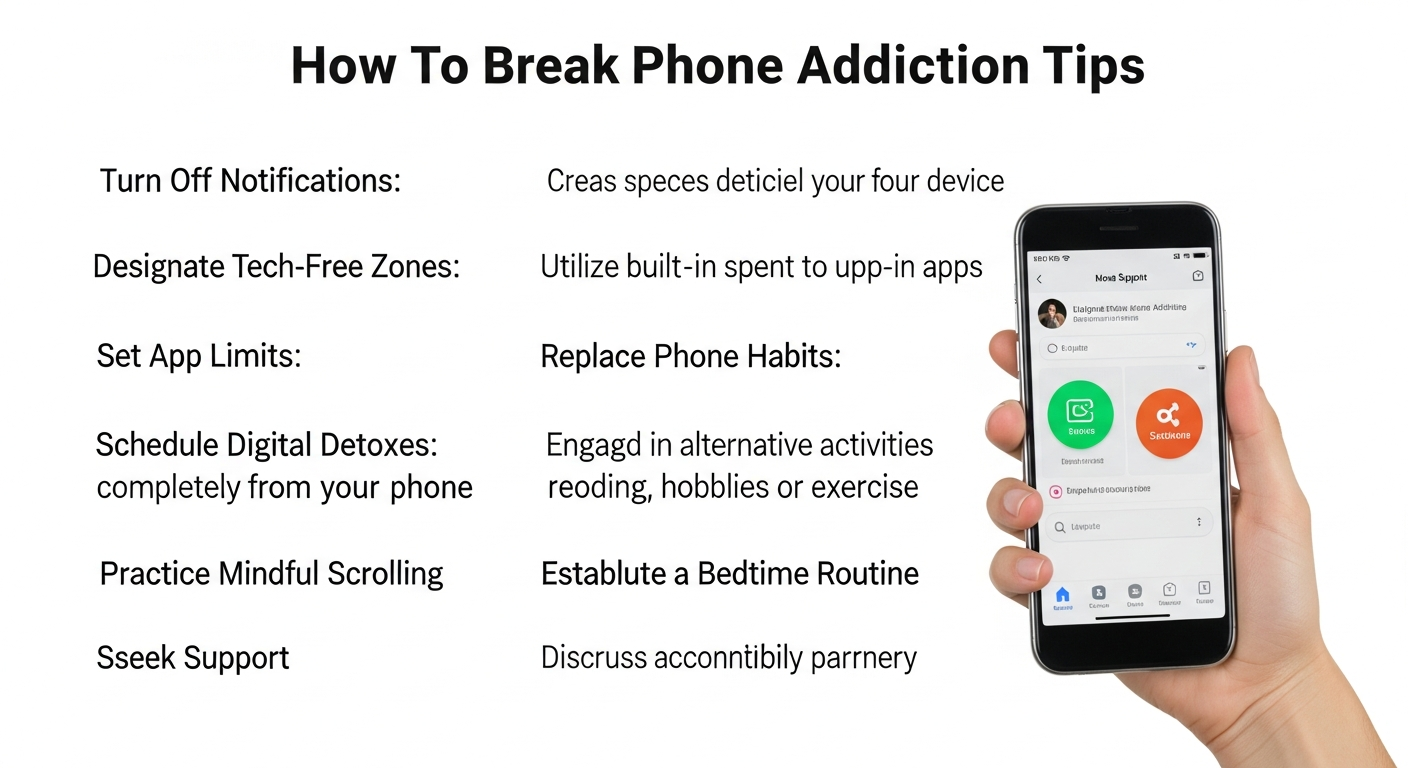
With a solid foundation in place, it’s time to dive into the practical, day-to-day strategies that will help you dismantle compulsive phone habits and cultivate a more mindful relationship with your device. These how to break phone addiction tips are designed to be integrated into your routine, gradually shifting your behavior and reclaiming your attention.
1. Master Notification Management
Notifications are the primary drivers of compulsive checking. Taming them is one of the most effective first steps:
- Turn Off All Non-Essential Notifications: Go into your phone settings and disable notifications for most apps, especially social media, games, and news. Keep only those truly essential (e.g., calls, urgent work messages).
- Batch Check: Instead of reacting to every ping, decide to check notifications only at specific times (e.g., 9 AM, 1 PM, 5 PM). This trains your brain to wait.
- Use Do Not Disturb: Schedule “Do Not Disturb” mode during work hours, family time, and especially overnight. This creates uninterrupted periods for focus and rest.
2. Curate Your Digital Environment
Make your phone less appealing and more functional:
- Declutter Your Home Screen: Remove all distracting apps (social media, games) from your home screen. Bury them in folders or on secondary screens. Only keep essential tools readily visible.
- Delete “Time Sink” Apps: If there are apps you consistently overuse and don’t genuinely need, delete them. You can always reinstall them if absolutely necessary, but the friction of doing so often prevents mindless re-engagement.
- Switch to Grayscale Mode: Many phones offer a grayscale display option. Removing the vibrant colors makes the screen less stimulating and visually appealing, reducing the urge to engage.
- Utilize Screen Time Features: Most smartphones have built-in tools (e.g., Apple’s Screen Time, Android’s Digital Wellbeing) that track usage and allow you to set app limits or schedule downtime. Use them diligently.
3. Establish Phone-Free Zones and Times
Designate specific periods and places where your phone is off-limits:
- The Bedroom: Charge your phone outside your bedroom. Use a traditional alarm clock. This greatly improves sleep quality and prevents late-night scrolling.
- Meal Times: Make family meals a sacred, phone-free zone. This encourages actual conversation and presence, significantly aiding in how to communicate better relationships within the household.
- Social Gatherings: When with friends or family, put your phone away and keep it out of sight. Be fully present in the conversation.
- Before Bed / After Waking: Create a buffer zone of 30-60 minutes after waking and before sleeping where you don’t touch your phone. Use this time for reading, journaling, or quiet reflection.
4. Create Friction for Mindless Use
Make it slightly harder to access your phone or specific apps:
- Place Your Phone Out of Reach: Don’t keep it in your pocket or right next to you. Put it in another room, a drawer, or a bag. The extra effort required to retrieve it can interrupt the impulsive urge.
- Use App Blockers: If self-control is particularly difficult for certain apps, consider third-party app blockers that can restrict access during specified times.
- Log Out of Social Media: Instead of deleting apps, try logging out of social media accounts after each use. The friction of re-entering credentials can deter mindless browsing.
5. Replace Old Habits with New Ones
Nature abhors a vacuum. Simply removing the phone won’t work long-term if you don’t replace the habit with something else:
- Rediscover Hobbies: What did you enjoy doing before your phone consumed your free time? Reading, crafting, playing an instrument, gardening, exercise? Re-engage with these activities.
- Mindful Moments: When you feel the urge to pick up your phone, pause. Take a few deep breaths, observe your surroundings, or engage in a quick mindfulness exercise.
- Connect with People: Instead of texting, call a friend. Meet for coffee. Engage in real-world interactions.
- Carry a Book or Notebook: When you anticipate waiting (e.g., doctor’s office, public transport), bring an alternative to fill the time instead of defaulting to your phone.
Implementing these how to break phone addiction tips requires consistent effort and patience. Start small, be kind to yourself when you slip up, and celebrate your progress. Every step you take empowers you to regain control and live a more present and fulfilling life in 2026.
Rebuilding Connections: Fostering Stronger Relationships in a Screen-Saturated World
One of the most profound benefits of breaking phone addiction is the opportunity to significantly improve the quality of your relationships. In a world where screens often mediate our interactions, intentionally choosing presence can transform your connections with partners, family, and friends. This section focuses on integrating how to communicate better relationships directly into your digital wellness journey, ensuring that your efforts yield meaningful human connection.
Prioritizing Presence in Every Interaction
The core of better communication lies in being fully present. When your phone is out of sight and out of mind, you send a clear message to the other person: “You are important, and I value our time together.”
- Active Listening: Put your phone away during conversations. Make eye contact, nod, and truly listen to understand, not just to respond. Ask clarifying questions. This simple act is foundational to how to communicate better relationships, showing respect and engagement.
- Dedicated “No Phone” Zones & Times: Extend your phone-free zones beyond just meals. Designate specific times for phone-free activities with loved ones. This could be an evening walk, a board game night, or simply an hour of uninterrupted conversation.
- Look Up, Not Down: When walking with someone, or even waiting in line, resist the urge to pull out your phone. Instead, use that time to talk, observe your surroundings, or simply enjoy a quiet moment together.
Openly Discussing Digital Boundaries with Loved Ones
Communication about phone use itself is crucial. Instead of letting resentment fester, address the issue constructively with those you care about. This is a key aspect of healthy relationship management in the digital age.
- Initiate a Conversation: “I’ve been noticing that sometimes our conversations get interrupted by our phones, and I really want to make sure we’re giving each other our full attention. Would you be open to trying phone-free dinners?” Frame it as a mutual goal to improve connection, not a blame game.
- Lead by Example: Your commitment to reducing your own phone use will encourage others to do the same. If you consistently put your phone away during shared time, others are more likely to follow suit.
- Address Phubbing Directly but Kindly: If a loved one is constantly on their phone during your time together, you might say, “I really value our time together, and I feel a bit disconnected when you’re on your phone. Can we try to put them away for a while?” This direct but non-confrontational approach is vital for how to communicate better relationships and resolve potential conflicts.
Navigating Shared Finances in the Digital Age
The digital world also has significant implications for shared financial health, making honest conversations about money more important than ever. How to talk about money with partner in 2026 often involves digital spending habits.
- Discuss Digital Spending Habits: Impulse purchases, subscriptions, and in-app purchases are often made on our phones. Openly discuss these habits with your partner. “I’ve noticed I sometimes make impulsive buys when I’m scrolling on my phone. Let’s set a joint budget for discretionary online spending.”
- Joint Digital Detox for Finances: Consider a “digital spending freeze” for a week or a month, where both partners commit to avoiding non-essential online purchases. This can highlight unconscious spending patterns and free up funds for shared goals.
- Regular Financial Check-ins: Schedule regular, phone-free discussions about your finances. This dedicated time ensures full attention and allows for transparent planning and problem-solving, free from digital distractions.
By consciously integrating these strategies, you’re not just breaking a phone addiction; you’re actively investing in and strengthening the most important bonds in your life. Reclaiming your presence allows for deeper empathy, richer conversations, and more meaningful shared experiences, enriching your life immeasurably in 2026.
Sustaining Your Digital Wellness: Long-Term Habits for a Balanced Life
Breaking phone addiction isn’t a one-time event; it’s an ongoing commitment to mindful living and healthy technology use. As technology continues to evolve, so too must our strategies for managing its presence in our lives. This section provides a framework for sustaining your digital wellness journey, ensuring that the how to break phone addiction tips you’ve implemented become ingrained habits for a balanced and fulfilling life in 2026 and beyond.
Embracing Mindful Technology Use as a Lifestyle
The goal is not to eliminate technology, but to use it intentionally and purposefully. This concept of Tips For Healthy Technology Use is central to long-term digital wellness:
- Conscious Consumption: Before opening an app or clicking a link, pause and ask yourself: “Why am I doing this? Is it serving a purpose, or am I just seeking a distraction?” This simple moment of reflection can prevent countless hours of mindless scrolling.
- Time Blocking for Digital Tasks: Instead of letting digital tasks interrupt your flow, schedule specific times for checking emails, social media, or news. Treat these blocks like any other appointment.
- Leverage Technology for Good: Use your phone as a tool for productivity (mindfully chosen apps), learning (educational podcasts/articles), or connecting with distant loved ones. Focus on the positive applications rather than just the addictive ones.
- Digital Sabbath/Reset: Consider a regular period, perhaps a few hours each week or a full day once a month, where you completely disconnect from all non-essential technology. This provides a mental reset and reinforces your ability to live without constant digital input.
Regular Digital Check-ups and Audits
Our digital habits can creep back if we’re not vigilant. Just like you’d have a physical health check-up, schedule regular digital check-ups:
- Review Screen Time Reports: Periodically check your phone’s screen time reports. Are you staying within your self-imposed limits? Are there particular apps that are still consuming too much time?
- App Audit: Once every few months, go through your phone’s apps. Delete anything you haven’t used, or that consistently pulls you into unproductive spirals.
- Notification Re-evaluation: Are your notification settings still optimal? Have new apps crept in with default notifications? Adjust as needed.
- Reflect on Your “Why”: Revisit your initial motivations for breaking phone addiction. What improvements have you seen in your relationships, focus, and well-being? Reminding yourself of these benefits reinforces your commitment.
Building a Supportive Environment
Your environment plays a huge role in sustaining habits:
- Create Tech-Free Physical Spaces: Beyond the bedroom and dining table, identify other areas in your home (e.g., a reading nook, a meditation space) where phones are not allowed.
- Encourage Digital Wellness in Your Social Circle: Share your journey and Tips For Healthy Technology Use with friends and family. You might inspire them, and a collective effort can make it easier for everyone to maintain healthier habits. Suggest phone-free outings or activities.
- Find Analog Alternatives: Continuously seek out non-digital ways to relax, learn, and connect. Keep books, board games, art supplies, or sports equipment readily accessible.
Adapting to Future Technological Changes
The digital landscape is constantly evolving. In 2026 and beyond, new devices and platforms will emerge. Your ability to sustain digital wellness will depend on your adaptability:
- Stay Informed, Not Entangled: Be aware of new technologies but approach them with a critical, mindful perspective. Ask how a new device or app truly enhances your life before integrating it.
- Prioritize Real-World Experiences: Always prioritize real-world interactions, nature, and physical activities over digital simulations or passive consumption.
- Teach Digital Literacy: If you have children, model and teach them about mindful technology use from a young age, preparing them for a balanced digital future.
Sustaining digital wellness is an ongoing practice, not a destination. By continuously applying these how to break phone addiction tips and embracing a mindset of intentional technology use, you empower yourself to live a more present, connected, and fulfilling life, truly mastering your devices rather than being mastered by them.