

Understanding Presence: The Foundation of a Mindful Life
Before we delve into the ‘how,’ it’s crucial to grasp the ‘what’ and ‘why’ of presence. What exactly does it mean to be present? At its core, presence is the state of focused awareness on the current moment, without judgment or undue distraction. It means fully engaging with what is happening right now, whether it’s a conversation, a meal, a task, or simply the sensation of breathing. It’s about letting go of past regrets and future anxieties, allowing your mind to anchor itself in the here and now. In a society that often glorifies multitasking and constant connectivity, cultivating presence can feel like swimming against the current. Our minds are conditioned to wander, to plan, to worry, and to seek out novel stimuli. The relentless stream of notifications from our smartphones, the endless news cycles, and the pressure to always be “on” create an environment where sustained attention is increasingly rare. This constant external pull often leads to internal fragmentation, where our thoughts are scattered, and our ability to truly connect with ourselves and others diminishes.
The opposite of presence is often a state of mind-wandering or autopilot. We go through the motions of our day, performing tasks, interacting with people, and experiencing events, but our minds are elsewhere. We might be replaying a conversation from yesterday, planning tomorrow’s schedule, or scrolling through social media while ostensibly engaging in another activity. This absence of presence is particularly evident in the act of phubbing, where a smartphone user ignores their immediate physical environment and companions in favor of their mobile device. This seemingly innocuous habit can erode trust, foster feelings of neglect, and significantly weaken the bonds of relationships. Understanding this stark contrast between presence and its absence is the first step toward recognizing the value of mindful living. It highlights that the goal isn’t to eliminate thoughts or distractions entirely, but rather to develop the capacity to observe them without getting swept away, gently bringing our attention back to the present moment. This deliberate practice of anchoring our awareness is foundational to achieving a more conscious and fulfilling life.
Practical Strategies for Cultivating Presence in Your Daily Routine
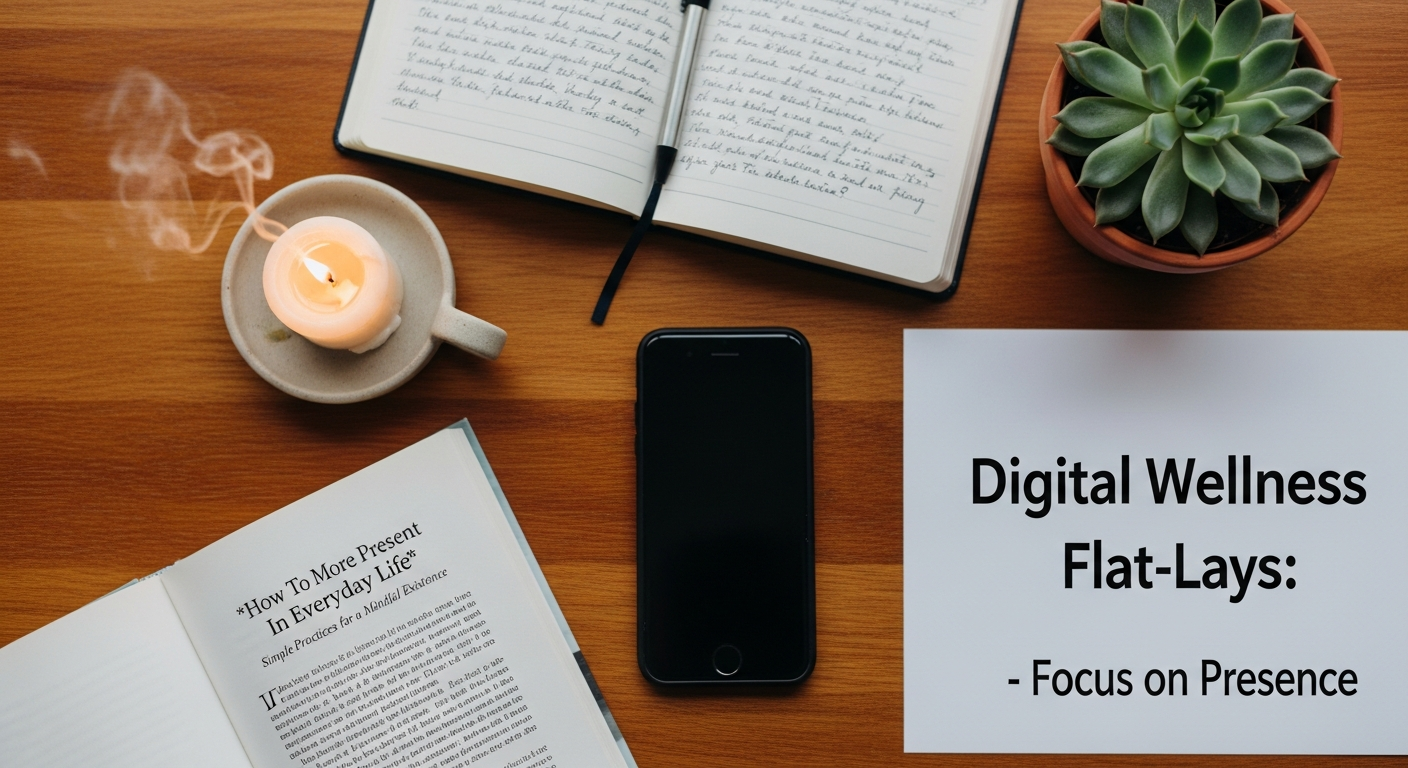
Cultivating presence is a skill, much like learning an instrument or a new language, and it requires consistent practice. Fortunately, there are numerous practical strategies you can integrate into your everyday life to foster a deeper sense of awareness. One of the most effective methods is mindfulness meditation. This doesn’t necessarily mean sitting cross-legged for hours; it can be as simple as dedicating five to ten minutes each day to focus on your breath. Find a quiet space, close your eyes, and simply observe the sensation of your inhale and exhale. When your mind inevitably wanders – and it will – gently guide it back to your breath without judgment. This practice strengthens your “attention muscle,” making it easier to stay present in other aspects of your life.
Beyond formal meditation, sensory awareness exercises are powerful tools for grounding yourself. Try dedicating a few minutes to mindfully engage one of your five senses. When you eat, truly taste your food: notice the textures, flavors, and aromas. When you walk, feel your feet connect with the ground, observe the sights and sounds around you without labeling them. When you shower, feel the warmth of the water, smell the soap, and hear the drops. These simple acts transform mundane routines into opportunities for presence. Another effective technique is the “body scan,” where you systematically bring your attention to different parts of your body, noticing any sensations without trying to change them. This helps to bring your awareness out of your head and into your physical being.
Single-tasking, rather than multitasking, is another practical strategy. Instead of trying to juggle multiple activities, commit to focusing on one task at a time. When you’re writing an email, just write the email. When you’re washing dishes, just wash the dishes. This not only improves the quality of your work and reduces errors but also trains your mind to concentrate. Finally, creating “presence triggers” can serve as helpful reminders throughout your day. Choose a common event, like a phone ringing, opening a door, or taking a sip of water, and use it as a cue to pause, take a deep breath, and check in with your present moment awareness. By intentionally weaving these practices into your routine, you’ll gradually build a robust capacity for presence, transforming how you experience your everyday life and significantly reducing the likelihood of falling into habits like phubbing.
Presence in Relationships: How to Communicate Better Relationships
The act of phubbing, where one partner is more engaged with their phone than with the person in front of them, is a direct antithesis to present communication. It sends a clear message of disinterest and can be deeply damaging to emotional intimacy. To counteract this, establish clear boundaries around device usage during shared time. Create device-free zones, such as the dinner table or the bedroom, and designate specific times for focused conversation without digital interruptions. This commitment to unplugging and tuning in is a powerful way to show your loved ones that they are your priority.
Presence is particularly vital when navigating sensitive topics, such as financial discussions. Many couples struggle with How To Talk About Money With Partner, often due to underlying anxieties or differing financial philosophies. Approaching these conversations with presence means setting aside a dedicated, distraction-free time when both partners can be fully engaged. It involves active listening without judgment, allowing each person to express their concerns, goals, and fears openly. Instead of reacting defensively, practice responding thoughtfully, seeking to understand your partner’s perspective, and working collaboratively towards solutions. A present approach to financial discussions can transform a potentially contentious topic into an opportunity for shared planning and mutual support, strengthening the relational bond rather than straining it. By prioritizing presence in all your interactions, from casual chats to crucial conversations, you lay the groundwork for more authentic, resilient, and deeply satisfying relationships.
Navigating Technology Mindfully: Tips For Healthy Technology Use
In our hyper-connected world, technology is both a powerful tool and a significant source of distraction. For a blog like Stop Phubbing, understanding Tips For Healthy Technology Use is paramount to fostering presence. The ubiquitous nature of smartphones, tablets, and computers means that we are constantly bombarded with notifications, updates, and an endless stream of digital content, making it incredibly challenging to stay anchored in the present moment. The first step towards mindful technology use is recognizing its impact on your attention and choosing to interact with it intentionally rather than reactively.
One of the most effective strategies is to implement a “digital detox” or specific screen time limits. This doesn’t necessarily mean abandoning technology entirely, but rather creating periods where you consciously disconnect. This could be an hour before bed, during meals, or even a full day once a week. Use your phone’s built-in features or third-party apps to track your screen time and set limits for specific applications. Understanding where your time is going is the first step to reclaiming it. Managing notifications is another crucial tip. Most apps are designed to grab your attention with pings, vibrations, and visual alerts. Take control by turning off non-essential notifications, especially for social media and email, or setting your phone to “do not disturb” during focused work periods or family time. This reduces the constant pull away from your current task or conversation, minimizing the impulse to phub.
Creating tech-free zones or times within your home is also highly beneficial. Designate the dinner table as a no-phone zone, or prohibit screens in the bedroom to improve sleep and encourage intimate conversation. This not only fosters presence within those specific environments but also sends a clear message to your household about the value you place on face-to-face interaction. Furthermore, practice mindful consumption of digital content. Before you open an app or click on a link, pause and ask yourself: “Why am I doing this? Is it serving a purpose, or am I just reacting out of habit or boredom?” Be discerning about the content you engage with, choosing sources that inform, inspire, or entertain mindfully, rather than simply consuming passively. By consciously integrating these healthy technology habits into your daily life, you transform technology from a master of your attention into a servant of your intentions, paving the way for greater presence, focus, and genuine connection in 2026.
Integrating Presence into Everyday Routines: Making the Ordinary Extraordinary
Many people associate presence with grand moments or dedicated meditation sessions, but its true power lies in transforming the mundane into meaningful experiences. Integrating presence into everyday routines is about infusing ordinary activities with conscious awareness, turning chores, commutes, and even eating into opportunities for mindful engagement. This approach not only makes these activities more enjoyable but also steadily builds your capacity for sustained presence throughout your day.
Consider mindful eating. In our fast-paced lives, meals are often rushed, eaten in front of a screen, or consumed without much thought. To practice mindful eating, remove distractions, sit down at a table, and take a moment to observe your food before you begin. Notice its colors, textures, and aromas. As you eat, chew slowly and deliberately, paying attention to the taste, temperature, and mouthfeel of each bite. Notice when you feel full. This simple practice not only enhances your enjoyment of food but also helps you develop a healthier relationship with eating and your body.
Mindful movement is another powerful tool. Whether you’re walking to work, commuting on public transport, or doing household chores, you can practice presence. When walking, feel your feet on the ground, notice the rhythm of your steps, and observe the sights and sounds around you without judgment. On your commute, instead of immediately reaching for your phone, take a moment to observe the environment, the people, and your own breath. Even chores like washing dishes or folding laundry can become meditative. Focus on the sensations: the warm water, the smooth soap, the texture of the fabric. Treat each task as a complete experience in itself, rather than a means to an end. This single-tasking approach enhances efficiency and reduces the mental clutter that often accompanies these activities.
Even during your workday, you can integrate presence. When tackling a specific task, commit to “deep work” for a set period, eliminating all distractions. Focus solely on that one activity, bringing your full attention to it. Take short, mindful breaks to stretch, breathe, or simply observe your surroundings. By consciously choosing to bring your attention to these everyday moments, you transform them from mere obligations into rich opportunities for experience and growth. This continuous practice reinforces your ability to stay present, reduces mental fatigue, and cultivates a deeper appreciation for the fabric of your life in 2026, making the ordinary truly extraordinary.
Overcoming Obstacles to Presence: Navigating the Inner and Outer Landscape
While the desire to be more present is strong, the path is rarely without its challenges. Both internal and external obstacles conspire to pull our attention away from the here and now. Recognizing these impediments is the first step toward effectively overcoming them and building a more resilient practice of presence. Internally, our minds are naturally prone to wandering. We ruminate on past events, replay conversations, or get caught up in “future-tripping” – anxieties and elaborate plans about what’s to come. These mental habits, though often subconscious, can be incredibly difficult to dislodge. The constant internal dialogue can feel overwhelming, making it hard to find a quiet space for present awareness. Developing self-compassion is crucial here; instead of chastising yourself when your mind wanders, gently acknowledge the thought and guide your attention back to the present moment, much like training a puppy.
External obstacles are equally pervasive. The modern world is a cacophony of distractions: constant notifications, the allure of social media, the pressure for instant responses, and the general busyness that often masquerades as productivity. The fear of missing out (FOMO) also plays a significant role, compelling us to constantly check our devices and stay connected, even at the expense of our immediate environment and relationships. This societal pressure for constant availability and productivity can make it feel almost rebellious to simply pause and be. To combat these external pulls, intentional boundary setting is essential. This includes turning off non-essential notifications, creating “do not disturb” periods, and dedicating specific times for checking emails or social media. It’s about consciously choosing when and how you engage with the digital world, rather than letting it dictate your attention.
Another significant obstacle is the myth of multitasking. While we often believe we can effectively juggle multiple tasks simultaneously, research consistently shows that true multitasking is a myth; what we’re actually doing is rapidly switching between tasks, leading to reduced efficiency, increased errors, and a fragmented sense of presence. Embracing single-tasking, as discussed earlier, directly counters this. Furthermore, many people struggle with the discomfort that can arise when they first begin to quiet their minds. Unaddressed emotions, anxieties, or uncomfortable truths may surface, leading to a natural inclination to seek distraction. This is where patience and persistence become vital. Learning to sit with discomfort, observing it without judgment, and understanding that these feelings are temporary can be a transformative step. By consciously acknowledging and addressing both the inner workings of our minds and the external demands of our environment, we can systematically dismantle the barriers to presence, paving the way for a more focused and fulfilling life in 2026 and beyond.
The Long-Term Benefits of a Present Life: A Vision for 2026
Embracing presence is not merely about addressing the immediate problem of distraction or phubbing; it is an investment in a richer, more meaningful future. The long-term benefits of cultivating presence ripple through every aspect of your life, creating a foundation for enhanced well-being, stronger relationships, and a profound sense of fulfillment. As we look towards 2026, the individuals who have intentionally woven presence into the fabric of their daily existence will undoubtedly experience a superior quality of life.
One of the most significant benefits is improved mental health. Regular practice of presence, often through mindfulness, has been scientifically linked to reduced stress, anxiety, and symptoms of depression. By learning to observe thoughts and emotions without judgment, individuals develop greater emotional regulation, becoming less reactive to life’s inevitable challenges. This mental resilience allows for a more stable and peaceful inner landscape, even amidst external chaos. Enhanced emotional regulation also translates into better decision-making, as choices are made from a place of clarity rather than impulse or fear.
Furthermore, a present life leads to significantly stronger relationships. As detailed in our discussions on How To Communicate Better Relationships and How To Talk About Money With Partner, offering your full, undivided attention to loved ones fosters deeper trust, empathy, and intimacy. When people feel truly heard and seen, the bonds of affection strengthen, leading to more supportive and resilient connections. This reduction in phubbing and increase in genuine interaction creates a positive feedback loop, enriching both individual and collective well-being. The ability to be fully present for others, especially during challenging times, becomes a cornerstone of enduring relationships.
Beyond personal well-being and relationships, presence also fuels creativity and problem-solving. When your mind is less cluttered and more focused, you gain greater clarity, allowing for innovative ideas to emerge and complex problems to be approached with a fresh perspective. The ability to concentrate deeply on a task, free from distraction, enhances productivity and the quality of your work. Perhaps most importantly, a present life cultivates a profound sense of appreciation and gratitude. By consciously engaging with the world around you, you begin to notice and savor the small joys that might otherwise go unnoticed. The beauty of a sunrise, the taste of a meal, the warmth of a hug – these moments become more vibrant and meaningful. This heightened awareness transforms everyday existence into a rich tapestry of experiences, fostering a sense of contentment and purpose. In 2026, living present is not just a trend; it’s a foundational lifestyle choice that unlocks a life of greater depth, connection, and joy.