
The Unexpected Gifts of Boredom: Why Putting Down Your Phone is a Superpower
The Modern Dilemma: Why We Fear Boredom
Think about the last time you were waiting in line, sitting on a train, or simply had a few minutes of downtime. What was your immediate impulse? For most of us, it was to pull out our phones. We’ve been conditioned to believe that every moment must be productive, entertaining, or filled with information. This constant stimulation, while seemingly innocuous, has subtly rewired our brains. Our attention spans are shrinking, our capacity for deep focus is diminishing, and our tolerance for quiet contemplation has plummeted. Research consistently shows that the mere presence of our phones can diminish our cognitive capacity, even when we’re not actively using them. We’ve come to associate boredom with discomfort, emptiness, or even a sense of being unproductive, leading us to reflexively escape it rather than explore it. This pervasive habit of instant gratification means we rarely give ourselves the chance to experience the profound benefits that lie just beyond that initial wave of restlessness.
The Unexpected Gifts of Boredom: Science Says So!

Stepping away from the screen and allowing yourself to simply be can feel counterintuitive at first, but the scientific evidence for its benefits is compelling. When our minds are not actively engaged in a task or consumed by digital input, they don’t simply shut down. Instead, they enter what neuroscientists call the “Default Mode Network” (DMN). This is the brain’s internal operating system, responsible for self-reflection, memory consolidation, future planning, and, crucially, creativity.
Think of it like this: your conscious mind is busy processing external information when you’re on your phone. When you’re bored, your brain gets to do its internal housekeeping. This “unplugged” state allows for:
* Enhanced Creativity: Numerous studies have linked boredom to increased creativity. When bored, our minds start to wander, connecting seemingly unrelated ideas and fostering novel thoughts. This is often when “aha!” moments strike, or when you suddenly find a solution to a problem you’ve been wrestling with. Without the constant input, your brain has the bandwidth to generate its own interesting content.
* Improved Problem-Solving: By allowing your mind to roam freely, you provide it with an opportunity to approach challenges from different angles. Instead of forcing a solution, your subconscious can work on it in the background, often presenting insights when you least expect them.
* Better Memory Consolidation: During periods of rest and mind-wandering, your brain actively works to consolidate recent memories, transferring them from short-term to long-term storage. This means that embracing boredom can actually help you learn and retain information more effectively.
Rediscover Yourself: Boredom for Self-Reflection & Emotional Regulation
Beyond the cognitive boost, allowing for moments of boredom without your phone is a powerful tool for self-discovery and emotional well-being. In our always-on culture, we rarely get a chance to truly sit with our thoughts and feelings without the immediate distraction of a screen.
* Cultivating Self-Awareness: When you remove external distractions, you create an internal space. This space allows you to tune into your own thoughts, emotions, and bodily sensations. What are you truly feeling? What’s been on your mind? This introspection is crucial for understanding yourself better, identifying your needs, and processing experiences. It’s the bedrock of emotional intelligence.
* Building Emotional Resilience: The initial discomfort of boredom can be an opportunity to practice sitting with uncomfortable feelings rather than immediately escaping them. This practice builds emotional resilience. You learn that restlessness, anxiety, or even sadness are temporary states, and you develop a greater capacity to tolerate and navigate them without relying on external crutches.
* Reducing Anxiety and Stress: While your phone might offer temporary relief from boredom, it often contributes to long-term anxiety through comparison, information overload, and the pressure to respond. Embracing boredom, however, can act as a natural stress reducer. It allows your nervous system to calm down, shifting you out of a constant state of alert and into a more relaxed, reflective mode. This mindful pause can significantly lower your overall stress levels and improve your mental clarity.
* Sparking Personal Growth: When you’re not constantly consuming external content, you open yourself up to your own inner landscape. This can lead to new ideas for personal projects, a renewed sense of purpose, or simply a deeper connection to your own values and aspirations. Boredom, in this sense, is not an absence of activity, but an invitation to internal exploration.
Strengthen Your Bonds: Presence, Connection, and the Absence of Screens

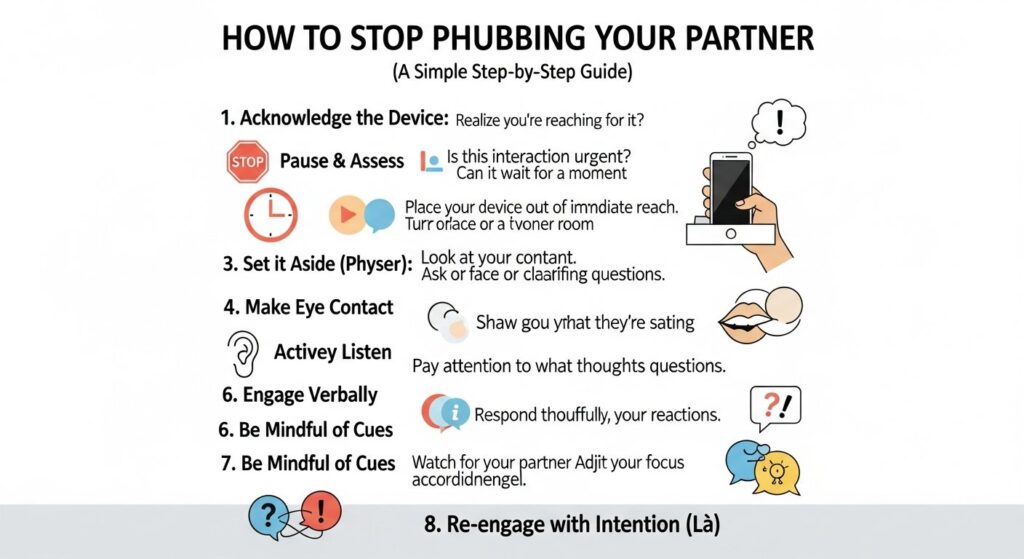
The “Stop Phubbing” mission is rooted in the belief that authentic human connection thrives on presence. And nowhere is the absence of screens more critical than in our relationships. When we consistently reach for our phones in moments of downtime, we’re not just depriving ourselves; we’re also subtly, or not so subtly, signaling to those around us that they are secondary to whatever is happening on our screens.
* Being Truly Present with Others: When you’re not automatically reaching for your phone during lulls in conversation or shared quiet moments, you are fully available. This means you’re more likely to make eye contact, pick up on non-verbal cues, and engage in deeper, more meaningful dialogue. Your full attention is a profound gift you can offer to loved ones, and it’s something they will instinctively feel and appreciate.
* Fostering Spontaneous Interaction: Imagine sitting with a friend or partner without a phone. Instead of both scrolling, you might naturally strike up a conversation, notice something interesting around you, or simply share a comfortable silence. These unscripted moments are the fabric of strong relationships, fostering intimacy and shared experience.
* Modeling Healthy Digital Habits: As parents, partners, or friends, our actions speak volumes. By consciously choosing to put down your phone and embrace boredom, you model healthy digital wellness habits for those around you, especially children. You show them that life’s richness isn’t found in a screen, but in the world around us and the people we share it with.
* Deepening Empathy: When you’re truly present, you’re better able to listen and understand others’ perspectives. The distractions of a phone can create a barrier to empathy, making us less attuned to the emotional states of those we care about. Unleashing yourself from your device during moments of boredom allows you to fully engage with and respond to the human experience unfolding before you.
Practical Steps to Reclaim Your Boredom
Embarking on a journey to embrace boredom requires intentionality and practice. It won’t feel natural at first, but with these actionable strategies, you can gradually reclaim these valuable moments.
1. Start Small: The 5-Minute Boredom Break: Don’t aim for hours initially. Start by committing to 5-10 minutes of phone-free boredom each day. This could be while waiting for coffee, during your commute, or before bed. Simply sit, look around, and let your mind wander.
2. Designate Phone-Free Zones and Times:
* The Bedroom: Make your bedroom a phone-free sanctuary. Charge your phone in another room overnight. This will significantly improve your sleep and give you a few minutes of screen-free time in the morning and evening.
* Meal Times: Insist on phone-free meals, whether you’re alone or with others. This allows you to savor your food, engage in conversation, or simply enjoy a moment of peace.
* The Commute/Waiting: Instead of immediately reaching for your phone on public transport or while waiting for an appointment, try looking out the window, people-watching, or simply daydreaming.
3. Create a “Boredom Box” (or bag): Keep a small collection of non-digital, low-effort items handy for when boredom strikes. This could include:
* A small notebook and pen for sketching or journaling
* A paperback book or magazine
* A simple fidget toy (not a screen)
* A set of playing cards
* A small puzzle
* This gives you an intentional, non-digital alternative to your phone.
4. Embrace Mindful Observation: Use moments of boredom as an opportunity to engage your senses.
* Sight: Notice the details of your surroundings – the texture of a wall, the play of light, the colors of nature.
* Sound: Listen to the ambient sounds around you – birds chirping, distant traffic, the hum of an appliance.
* Smell/Touch: Pay attention to the scents in the air or the feel of the clothes on your skin.
* This practice grounds you in the present moment, shifting focus away from internal restlessness.
5. Schedule “Unscheduled Time”: Intentionally block out time in your calendar for nothing. No appointments, no tasks, no screens. Just open, unstructured time. Allow yourself to see what emerges. You might feel restless at first, but push through it. This is where the magic happens.
6. Leave Your Phone Behind (or out of reach): When going for a short walk, running a quick errand, or even just moving from one room to another in your home, consciously leave your phone in another location. The slight inconvenience of not having it immediately accessible can deter the automatic reach.
Making Boredom a Mindful Practice: Long-Term Benefits
Embracing boredom isn’t a one-time fix; it’s a mindful practice that, when cultivated over time, yields profound and lasting benefits. As you become more comfortable with these quiet, screen-free moments, you’ll start to notice shifts in your overall well-being.
You might find:
* Increased Mental Clarity: Your mind feels less cluttered and overwhelmed.
* A Deeper Sense of Purpose: You’re more attuned to your own desires and motivations.
* Stronger Relationships: Your connections with others become more authentic and fulfilling.
* Greater Resilience to Stress: You develop a healthier relationship with discomfort.
* A Reawakened Sense of Wonder: You start to notice and appreciate the simple beauty and intricacies of the world around you, rather than constantly seeking external stimulation.
The journey away from constant digital distraction and towards mindful presence is a powerful one. By bravely stepping into the often-misunderstood territory of boredom, you’re not just putting down a device; you’re picking up a richer, more connected, and more creative life.