
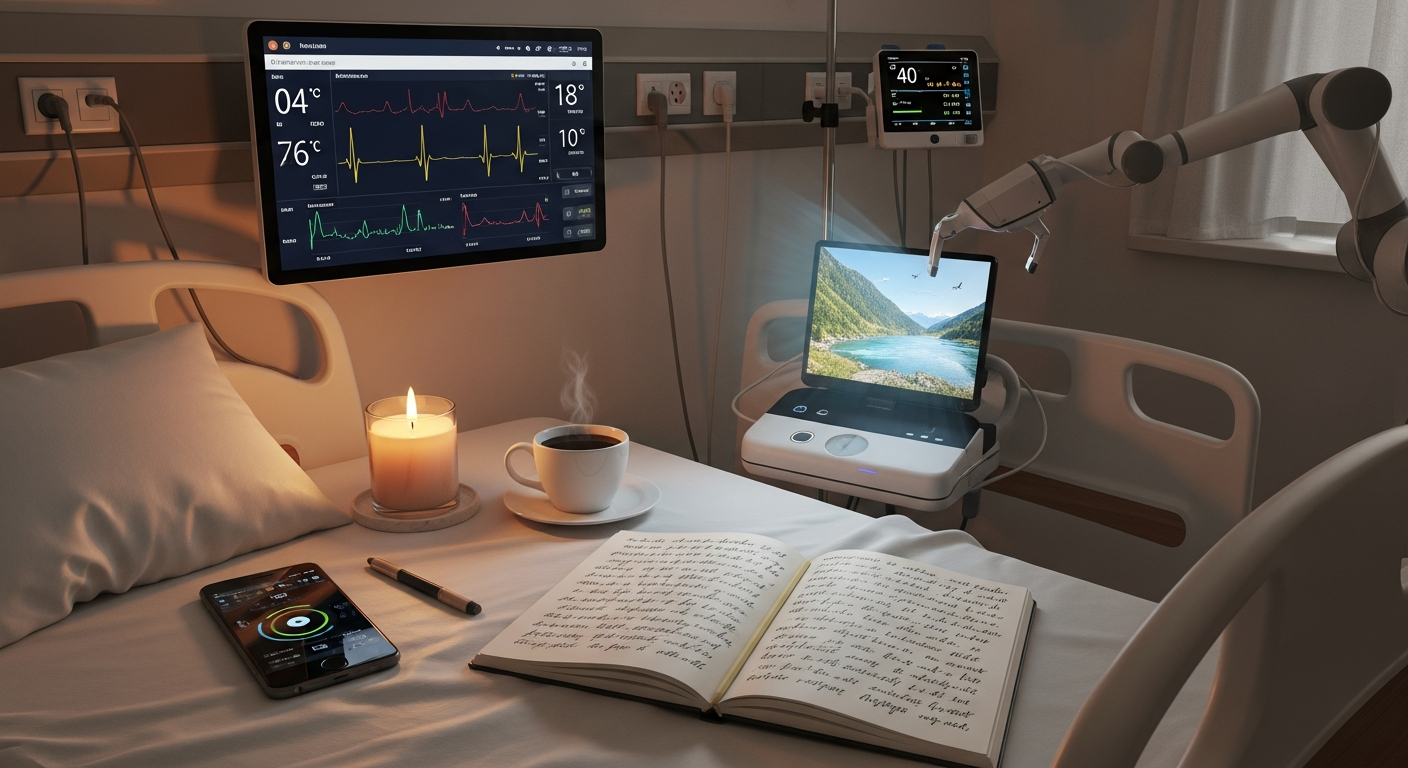
Enhancing Patient Care and Safety Through Digital Innovation
The core mission of any hospital is to provide the best possible care, ensuring patient safety and promoting recovery. Technology, when integrated thoughtfully, serves as an unparalleled ally in achieving this. One of the most significant advancements has been the widespread adoption of Electronic Health Records (EHRs). Gone are the days of deciphering handwritten notes or searching through stacks of paper. EHRs provide a comprehensive, real-time view of a patient’s medical history, allergies, medications, lab results, and treatment plans. This immediate access to critical information significantly reduces the risk of medical errors, improves diagnostic accuracy, and ensures that every member of the care team is on the same page. It’s like laying a solid foundation for a family, much like understanding the 3 things to know before starting a family provides a vital framework for future success and well-being; a strong, informed start makes all the difference.
Beyond records, technology is revolutionizing how care is delivered and monitored. Remote Patient Monitoring (RPM) systems, leveraging wearable devices and IoT sensors, allow healthcare providers to track vital signs, glucose levels, heart rhythms, and other crucial data from patients in their homes. This is particularly beneficial for managing chronic conditions, enabling proactive interventions before minor issues escalate into emergencies. For families with elderly parents or loved ones with long-term illnesses, RPM offers immense peace of mind, knowing that a professional eye is constantly on their health, even when they can’t be physically present. It extends the reach of care beyond hospital walls, fostering a continuous, supportive relationship between patient and provider.
Furthermore, Artificial Intelligence (AI) and Machine Learning (ML) are ushering in an era of precision medicine. AI algorithms can analyze vast datasets of medical images, genetic information, and patient histories with incredible speed and accuracy, often identifying subtle patterns that human eyes might miss. This leads to earlier and more precise diagnoses, personalized treatment plans tailored to an individual’s unique biological makeup, and more effective drug discovery. Imagine a future, not far off in 2026, where AI assists oncologists in selecting the most effective chemotherapy regimen for a specific cancer type, or helps radiologists detect tiny anomalies in scans with unprecedented reliability. This intelligent application of technology elevates the quality of care, making it more personal and more potent.
Medication management, a complex and error-prone process, is also being transformed. Automated dispensing systems, barcode scanning for medication administration, and smart infusion pumps significantly reduce the risk of administering the wrong drug or incorrect dosage. These technologies act as vigilant safeguards, bolstering patient safety and allowing nurses and pharmacists to focus more on direct patient interaction and less on manual verification tasks. By minimizing the chances of human error in such critical areas, technology not only saves lives but also builds profound trust between patients, their families, and the healthcare institutions dedicated to their well-being.
Streamlining Hospital Operations and Boosting Efficiency
A hospital is a complex ecosystem, and its operational efficiency directly impacts the quality of care it can provide. Technology plays a pivotal role in optimizing these intricate processes, ensuring resources are utilized effectively and staff can dedicate more time to patient-facing activities. At the heart of this optimization are comprehensive Hospital Information Systems (HIS). These integrated platforms manage everything from patient registration and appointment scheduling to billing, laboratory results, and inventory control. By centralizing data and automating administrative tasks, HIS reduces paperwork, minimizes manual errors, and speeds up workflows across all departments. This seamless flow of information ensures that everyone, from the front desk staff to the surgical team, has access to the most current data, fostering a cohesive and responsive environment.
Consider the immense benefit of automated scheduling and bed management systems. These tools use algorithms to predict patient flow, optimize bed assignments, and schedule surgical procedures more efficiently, reducing wait times for patients and preventing bottlenecks. This improved organizational flow mirrors the continuous effort required to maintain strong personal bonds, much like the 4 ways to maintain a healthy marriage emphasize consistent communication and proactive problem-solving to keep a relationship thriving. When operations run smoothly, stress is reduced not only for staff but also for patients and their families, who are often navigating already challenging circumstances.
Supply chain management (SCM) solutions are another area where technology delivers significant gains. Hospitals require a vast array of supplies, from basic bandages to specialized surgical instruments and life-saving medications. Digital SCM systems provide real-time tracking of inventory, automate reordering, and help identify cost-saving opportunities by optimizing purchasing and reducing waste. By ensuring that critical supplies are always available when and where they are needed, these systems prevent delays in care and contribute to financial stability, allowing hospitals to invest more in advanced medical technologies and staff development.
Furthermore, predictive analytics is emerging as a powerful tool for resource allocation. By analyzing historical data on admissions, discharges, and seasonal variations, hospitals can more accurately forecast staffing needs, anticipate equipment requirements, and even predict potential outbreaks, allowing for proactive planning. This foresight enables hospitals to allocate their human and material resources more effectively, ensuring that the right staff and equipment are available at peak times, thereby preventing burnout and enhancing the overall quality of care. For instance, anticipating a flu season surge in 2026 allows a hospital to proactively stock up on vaccines and respiratory equipment, ensuring readiness. By optimizing these foundational elements, technology frees up human capital – the doctors, nurses, and support staff – to focus on what they do best: providing compassionate, expert care.
The Power of Telemedicine and Virtual Care
Beyond initial consultations, virtual care is proving invaluable for follow-up appointments, chronic disease management, and medication reviews. This continuity of care is crucial for long-term health outcomes, allowing patients to maintain a consistent relationship with their healthcare providers without the logistical hurdles of in-person visits. For instance, a diabetic patient can have regular virtual check-ins with their endocrinologist, sharing blood sugar readings and discussing lifestyle adjustments, fostering a proactive approach to health management. This sustained connection, facilitated by technology, strengthens the patient-provider bond and encourages greater adherence to treatment plans, much like the regular check-ins and shared experiences that are essential when planning the perfect family vacation to ensure everyone’s needs are met and the journey remains enjoyable.
The mental health sector has particularly benefited from the rise of telehealth. Virtual therapy sessions and psychiatric consultations have made mental health support more accessible and less stigmatizing for many. The privacy and convenience offered by remote sessions can encourage individuals who might otherwise hesitate to seek help to take that crucial first step. This digital bridge ensures that emotional and psychological well-being receives the attention it deserves, recognizing its intrinsic link to overall physical health.
Moreover, in emergency situations or when a loved one is hospitalized far from home, telemedicine can connect families with medical teams, providing updates and allowing for virtual visits. This capability can be incredibly comforting, maintaining a sense of presence and connection during challenging times, reducing the feeling of isolation for both patients and their families. As we look towards 2026, the capabilities of telemedicine are only set to expand, integrating with AI for smarter triaging, offering more immersive virtual consultations, and potentially even enabling remote robotic-assisted procedures in specialized cases. This evolution highlights how technology can powerfully enhance human connection and care, even when physical proximity isn’t possible, proving that true care transcends distance.
Empowering Patients and Families with Digital Tools
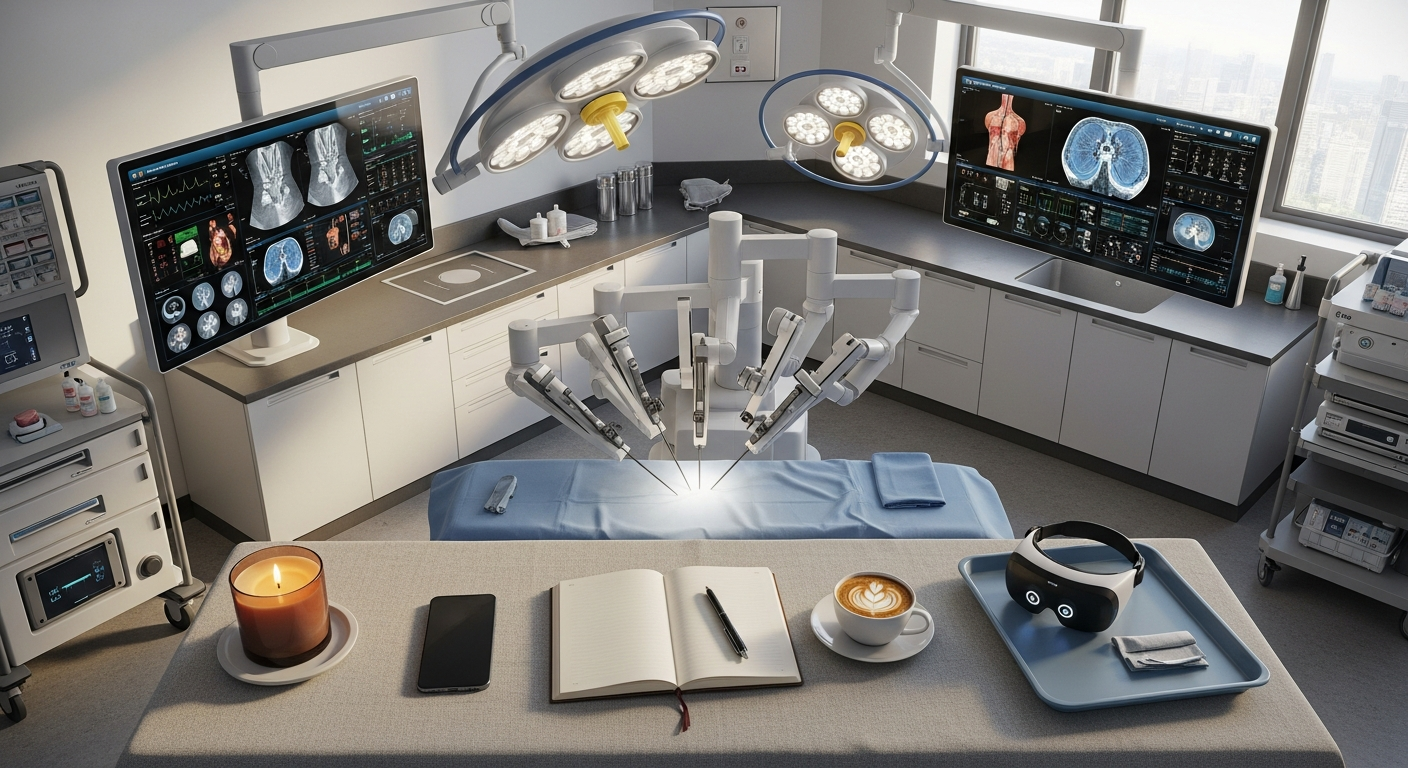
The shift towards patient-centered care is a fundamental movement in modern medicine, and technology is a powerful enabler of this philosophy. By providing patients and their families with accessible digital tools, hospitals can foster greater engagement, transparency, and a sense of partnership in the healthcare journey. Patient portals are perhaps the most prominent example. These secure online platforms allow individuals to access their medical records, view test results, schedule appointments, request prescription refills, and communicate securely with their healthcare providers. This level of access transforms patients from passive recipients of care into active participants, enabling them to better understand their health conditions, track their progress, and make informed decisions about their treatment options.
For families, particularly those caring for children or elderly relatives, patient portals offer a centralized hub of information, reducing the stress of managing multiple appointments or understanding complex medical jargon. It ensures that critical information, from vaccination schedules for children to medication lists for seniors, is readily available, much like a well-organized family binder keeps important documents in one place. This transparency and ease of access can significantly reduce anxiety and empower families to advocate more effectively for their loved ones.
Beyond portals, a proliferation of educational apps and digital resources empowers patients with knowledge about their specific conditions, medication adherence, and healthy lifestyle choices. From apps that remind individuals to take their medication on time to platforms offering guided exercises for post-operative recovery, these tools extend the reach of medical education beyond the clinic walls. They provide personalized support and guidance, encouraging self-management and promoting long-term well-being. This proactive approach to health mirrors the thoughtful planning that goes into ensuring a strong family unit, understanding that consistent effort and shared knowledge contribute to collective health and happiness.
Innovative technologies like Virtual Reality (VR) and Augmented Reality (AR) are also finding their place in patient empowerment. VR can be used as a powerful distraction therapy for patients undergoing painful procedures, reducing anxiety and the need for pain medication. It can transport a child undergoing a blood draw to a magical forest or provide a calming beach scene for an adult recovering from surgery. AR, on the other hand, can overlay digital information onto the real world, potentially helping patients understand anatomical structures or visualize complex treatment plans. These immersive experiences can profoundly improve the patient experience, making difficult medical journeys more tolerable and even engaging.
Finally, secure communication platforms within hospitals can facilitate better information sharing between medical staff and families, providing timely updates and answering questions. This proactive communication builds trust and reduces uncertainty, ensuring that families feel connected and informed every step of the way. By putting information and tools directly into the hands of patients and their families, technology empowers them to be active partners in their health, fostering a sense of control and collaboration that is vital for healing and well-being.
Advancing Medical Research, Education, and Training
The relentless pursuit of knowledge and improvement is fundamental to healthcare, and technology serves as the engine driving progress in medical research, education, and professional training. The sheer volume of medical data generated daily is staggering, but with big data analytics and AI, hospitals and research institutions can now unlock profound insights. AI algorithms can sift through millions of patient records, genetic sequences, and clinical trial results to identify disease patterns, predict treatment responses, and accelerate drug discovery. This capability is revolutionizing how we understand complex diseases like cancer, Alzheimer’s, and autoimmune disorders, paving the way for groundbreaking therapies and preventative strategies in 2026 and beyond. This collective pursuit of knowledge is akin to a family continuously learning and growing together, recognizing that shared understanding strengthens bonds and prepares for future challenges.
For medical education and training, technology has opened up unprecedented opportunities. Virtual Reality (VR) and Augmented Reality (AR) are transforming how future doctors and surgeons learn and practice. VR surgical simulations allow aspiring surgeons to perform complex procedures in a risk-free environment, repeating steps until mastery is achieved. They can practice rare surgeries, navigate intricate anatomies, and experience various complications without any risk to actual patients. AR overlays digital information onto real-world anatomical models or even during live surgeries, providing real-time guidance and enhancing precision. These immersive training tools accelerate learning, improve skill retention, and ultimately lead to safer, more competent medical professionals.
Beyond simulation, online learning platforms and advanced digital libraries provide medical students and practicing clinicians with unparalleled access to the latest research, medical journals, and continuing medical education (CME) courses. This continuous learning is vital in a field that is constantly evolving. Doctors can stay updated on new treatment protocols, drug interactions, and diagnostic techniques from anywhere in the world, ensuring that their knowledge remains cutting-edge. This commitment to ongoing learning mirrors the dedication required to maintain a healthy relationship, where both partners are continually learning about each other and growing together, preventing stagnation and fostering deeper connection.
Furthermore, technology facilitates global collaboration among researchers and clinicians. Secure communication platforms, shared databases, and virtual meeting tools enable experts from different institutions and even different continents to collaborate on research projects, discuss challenging cases, and share best practices. This global exchange of knowledge accelerates innovation, leading to faster breakthroughs and the dissemination of life-saving information worldwide. Imagine a team of oncologists in New York collaborating seamlessly with geneticists in Tokyo and epidemiologists in London to tackle a global health challenge – this is the power that technology brings to medical advancement. By fostering a culture of continuous learning and collaborative innovation, technology ensures that healthcare remains at the forefront of human progress, constantly striving for better outcomes for all.
Enhancing Staff Well-being and Reducing Burnout
While the spotlight often shines on patient benefits, it’s crucial to acknowledge how technology can profoundly impact the well-being of healthcare professionals. The demanding environment of a hospital, coupled with long hours and high-stakes decisions, often leads to significant stress and burnout among doctors, nurses, and support staff. Thoughtful technological integration can alleviate many of these pressures, fostering a more sustainable and supportive work environment. This attention to caregiver well-being is vital, much like understanding the foundational elements of a healthy family unit, recognizing that a strong support system benefits everyone involved.
One of the most direct benefits comes from the automation of mundane, repetitive, and administrative tasks. With EHRs, automated charting, and smart dispensing systems, nurses and doctors spend less time on paperwork and more time on direct patient care. This shift not only improves patient interaction but also reduces the administrative burden that often contributes to professional fatigue. Imagine a nurse no longer needing to manually transcribe vital signs or verify medication orders against a paper chart; instead, these processes are streamlined and automated, freeing up precious minutes for a reassuring conversation with a patient or a much-needed break. This efficiency, like the careful planning that goes into a perfect family vacation, ensures that energy is conserved for what truly matters: connection and experience.
Improved communication tools within hospitals also play a significant role. Secure messaging apps, digital whiteboards, and integrated communication platforms ensure that care teams can share critical patient information quickly and accurately. This reduces miscommunication, prevents delays in care, and minimizes the frustration that arises from inefficient information exchange. When every member of the team is on the same page, workflows become smoother, and the overall stress level decreases. This seamless communication is a cornerstone of effective teamwork, just as open and honest dialogue is fundamental to maintaining a healthy marriage.
Furthermore, technology can provide decision support tools that assist clinicians in making complex diagnoses and treatment plans. AI-powered diagnostic aids can offer a second opinion on medical images or flag potential drug interactions, reducing the cognitive load on busy doctors. Knowing that they have advanced tools to support their clinical judgment can boost confidence and reduce the anxiety associated with high-stakes decisions. This assistive technology doesn’t replace human expertise but augments it, allowing professionals to work smarter, not just harder.
Beyond direct patient care, hospital management systems that optimize staffing levels and work schedules can help prevent overwork and ensure adequate rest for staff. By using predictive analytics to forecast patient loads, hospitals can better allocate personnel, reducing the reliance on last-minute overtime and minimizing staff shortages that often lead to burnout. Investing in technology that supports staff well-being is an investment in the entire healthcare system. When healthcare professionals are less stressed and feel more supported, they are better able to provide compassionate, high-quality care, creating a positive ripple effect that benefits patients, families, and the entire community. It ensures that the very people dedicated to healing others are themselves cared for, creating a more resilient and empathetic healthcare workforce for 2026 and beyond.
Cybersecurity and Data Privacy: The Bedrock of Trust in Digital Healthcare
As hospitals increasingly embrace digital transformation, the importance of robust cybersecurity and stringent data privacy measures cannot be overstated. While not a direct “benefit” in the same way as improved diagnostics or efficiency, it is the indispensable foundation upon which all other technological advantages are built. Without unwavering trust in the security and privacy of sensitive patient information, the adoption and acceptance of digital health solutions would falter. This critical aspect of digital wellness in the hospital setting is paramount, much like the foundational trust and transparency that are essential in any healthy relationship, be it a marriage or a family unit. Just as understanding 3 things to know before starting a family lays a groundwork of trust, robust cybersecurity builds confidence in the digital hospital.
Hospitals collect and store vast amounts of highly sensitive personal and medical data, making them prime targets for cyberattacks. A data breach can have devastating consequences, not only compromising patient privacy but also disrupting critical care services and eroding public trust. Therefore, implementing sophisticated cybersecurity protocols is non-negotiable. This includes multi-layered defenses such as strong encryption for data at rest and in transit, advanced firewalls, intrusion detection systems, and regular vulnerability assessments. It’s an ongoing battle against evolving threats, requiring continuous investment and vigilance from IT security teams.
Compliance with stringent regulatory frameworks like HIPAA (Health Insurance Portability and Accountability Act) in the United States and GDPR (General Data Protection Regulation) in Europe is not merely a legal obligation but a moral imperative. These regulations mandate how patient data must be protected, accessed, and used, ensuring that individuals retain control over their personal health information. Hospitals must establish clear policies, provide regular staff training on data privacy best practices, and implement strict access controls to ensure that only authorized personnel can view sensitive information. This proactive approach to privacy is akin to the consistent effort required to maintain a healthy marriage, where mutual respect and clear boundaries protect the relationship from external threats and internal misunderstandings.
The rise of interconnected medical devices, from smart infusion pumps to remote patient monitoring equipment, introduces new cybersecurity challenges. Each device connected to the hospital network represents a potential entry point for malicious actors. Therefore, securing these IoT (Internet of Things) devices, ensuring they receive timely software updates, and segmenting networks to limit the spread of potential breaches are critical components of a comprehensive cybersecurity strategy. As we look towards 2026, with even more devices and AI integration, these challenges will intensify, requiring even more advanced, adaptive security solutions.
Ultimately, a hospital’s commitment to cybersecurity and data privacy directly translates into patient trust. When patients feel confident that their most personal information is safeguarded, they are more likely to embrace digital health tools, engage fully in their care, and share necessary information with their providers. This trust is the bedrock upon which the entire digital transformation of healthcare rests. It ensures that technology truly benefits hospitals and patients alike, fostering a secure, efficient, and compassionate environment where healing can thrive without the constant worry of digital vulnerability.
FAQ: How Technology Can Benefit Hospitals
Q1: How does technology improve patient safety in hospitals?
A1: Technology significantly enhances patient safety through several mechanisms. Electronic Health Records (EHRs) provide immediate, comprehensive access to patient information, reducing medication errors and improving diagnostic accuracy. Automated medication dispensing and barcode scanning systems prevent wrong-drug or wrong-dose incidents. Remote Patient Monitoring (RPM) allows for proactive intervention, preventing minor issues from escalating. Furthermore, AI-powered diagnostic tools offer greater precision, leading to earlier and more accurate diagnoses, directly contributing to safer patient outcomes.
Q2: Can technology help reduce hospital operating costs?
A2: Absolutely. Technology streamlines numerous hospital operations, leading to substantial cost savings. Hospital Information Systems (HIS) automate administrative tasks like scheduling and billing, reducing labor costs and paperwork. Optimized supply chain management systems minimize waste and ensure efficient inventory control. Predictive analytics helps in better resource allocation, preventing overstaffing or equipment shortages. These efficiencies translate into more financially stable hospitals, allowing them to invest more in patient care and advanced medical treatments.
Q3: What role does telemedicine play in modern hospitals by 2026?
A3: By 2026, telemedicine is expected to be an even more integral part of modern hospitals. It expands access to specialized care, particularly for rural or underserved populations, by enabling remote consultations and follow-ups. It reduces patient travel burdens, making healthcare more convenient and accessible. Telemedicine also plays a crucial role in mental health support and chronic disease management, offering continuous care and monitoring from a distance. It’s a powerful tool for bridging geographical gaps and maintaining continuous patient-provider relationships.
Q4: How does technology empower patients and their families?
A4: Technology empowers patients and their families by providing greater access to information and tools for active participation in their healthcare journey. Patient portals allow access to medical records, test results, and secure communication with providers. Educational apps and digital resources help patients understand their conditions and manage their health proactively. Innovations like Virtual Reality (VR) can aid in pain management and anxiety reduction during procedures. These tools foster transparency, engagement, and a sense of control for patients and their caregivers.
Q5: How does technology benefit medical research and education?
A5: Technology is a catalyst for advancement in medical research and education. Big data analytics and AI accelerate drug discovery and identify disease patterns by processing vast amounts of information. VR/AR simulations offer realistic, risk-free environments for surgical training and anatomical learning, enhancing skill development for future healthcare professionals. Online platforms provide continuous medical education, keeping clinicians updated on the latest advancements. These tools foster innovation and ensure a highly skilled medical workforce.
Q6: What is the importance of cybersecurity in digital hospitals?
A6: Cybersecurity is the fundamental bedrock for all technological benefits in hospitals. It protects highly sensitive patient data from breaches, ensuring privacy and compliance with regulations like HIPAA. Robust security measures build trust between patients and healthcare providers, encouraging the adoption of digital health tools. Without strong cybersecurity, the risks of data compromise, service disruption, and erosion of public confidence would undermine all the advantages that technology offers to modern healthcare. It’s a non-negotiable investment in safety and trust.