

The Subtle Erosion of Connection: Understanding the Core Impact of Phubbing
At its heart, phubbing is an act of dismissal. When a person is phubbed, they are implicitly told that the content on the phone screen – be it a notification, a social media feed, or a casual text – is more important, more engaging, or more deserving of attention than they are. This seemingly small gesture carries a heavy psychological weight. It begins by creating a subtle, almost imperceptible distance, but over time, this distance can widen into a chasm that fundamentally alters the nature of a relationship.
The immediate impact of phubbing is the feeling of being ignored or overlooked. Imagine sharing a story or expressing a feeling, only to have your partner’s gaze drift to their device, their fingers beginning to tap or scroll. The natural flow of conversation is disrupted, and the speaker is left feeling unheard and undervalued. This isn’t just about missing a few words; it’s about missing the crucial non-verbal cues – the eye contact, the nods of understanding, the shared smiles – that form the bedrock of human connection. Without these, even the most intimate conversations can feel hollow and superficial.
Moreover, phubbing often leads to a sense of devaluation. If someone consistently prioritizes their phone over direct interaction, the recipient may begin to question their own worth in the relationship. “Am I not interesting enough?” or “Is what I have to say not important?” are common internal questions that arise. This internal questioning can chip away at an individual’s self-esteem within the relational context, making them less likely to initiate conversations or share deeply in the future. The very act of turning away, even for a moment, sends a powerful message that can subtly yet profoundly undermine the sense of being cherished and respected. This initial erosion of connection is the precursor to more significant relational damage, highlighting just how phubbing hurts relationships from the ground up.
Beyond Annoyance: The Deep Psychological Wounds Phubbing Inflicts

While often dismissed as mere rudeness, phubbing inflicts deeper psychological wounds that extend far beyond simple annoyance. Research consistently demonstrates a strong correlation between phubbing and a decline in overall relationship satisfaction. When one partner habitually phubs the other, it creates an environment where individuals feel less connected, less appreciated, and ultimately, less satisfied with their partnership. This dissatisfaction isn’t just a fleeting emotion; it’s a persistent undercurrent that can slowly poison the well of intimacy and trust.
One of the most insidious effects of phubbing is the cultivation of feelings of jealousy and insecurity. The partner being phubbed might start to feel competitive with the device itself or with the unseen entity on the other end of the screen. Who or what is so captivating that it demands more attention than the person right in front of them? This can lead to questions about loyalty, priorities, and even the existence of other connections that might be deemed more important. Over time, this can foster a deep sense of insecurity, as the individual struggles with the perception that they are not enough to hold their partner’s attention. This psychological burden can be particularly heavy, as it often goes unaddressed, festering beneath the surface of daily interactions.
Furthermore, phubbing can significantly lower an individual’s self-esteem within the relationship. When your partner is constantly distracted by their phone, it’s easy to internalize the message that you are less interesting or less valuable than whatever is happening on their screen. This can lead to a pervasive feeling of inadequacy, making you question your own appeal and conversational prowess. This erosion of self-worth is a critical factor in understanding how phubbing hurts relationships, as healthy relationships thrive on mutual respect and affirmation, both of which are undermined by consistent digital distraction.
The accumulation of these negative feelings often manifests as increased conflict and resentment. Repeated incidents of phubbing, even if seemingly minor individually, build up over time. What starts as a small irritation can evolve into deep-seated resentment, leading to arguments about screen time, lack of attention, or feeling unheard. This cycle of resentment makes it incredibly challenging to engage in constructive dialogue and effectively navigate disagreements, further exacerbating relational strain. Addressing this requires a conscious effort to improve communication, moving towards a paradigm of “How To Communicate Better Relationships” where active listening and undivided attention are prioritized.
Ultimately, phubbing creates a significant barrier to emotional intimacy. Intimacy thrives on shared vulnerability, deep understanding, and genuine presence. When one partner is continually pulled away by their device, these crucial elements are compromised. The opportunity for deep connection, for truly seeing and being seen by another, is lost in the digital ether. The emotional distance created by phubbing makes it difficult to share innermost thoughts and feelings, leading to a superficiality that leaves both partners feeling isolated, even when physically together. This psychological toll is a stark reminder that while technology promises connection, its misuse can sever the very bonds it purports to enhance.
The Silent Killer of Communication: How Phubbing Destroys Dialogue
One of the most obvious ways phubbing destroys dialogue is through interrupted conversations. The natural rhythm of speaking and listening is constantly broken by the glance, the tap, or the scroll. A thought can be lost, a story can lose its thread, or a crucial detail can be missed. The speaker is forced to pause, repeat themselves, or, more often, simply give up trying to convey their message entirely. This fragmentation of communication means that neither party fully engages, leading to misunderstandings and a sense of frustration. It’s impossible to truly understand someone’s perspective or fully absorb their message when your attention is split between them and a device.
Beyond spoken words, communication is heavily reliant on non-verbal cues. Eye contact, facial expressions, body language, and subtle shifts in posture convey a wealth of information that words alone cannot capture. These cues are essential for understanding emotional nuance, sincerity, and deeper meaning. When someone is phubbing, their eyes are directed at their screen, their body language is often closed off, and their facial expressions are reactive to their device, not their partner. This means that a significant portion of the communicative message is simply missed. The phubbed individual might be expressing distress or joy, but if their partner is not fully present, these vital signals pass unnoticed, leading to a profound disconnect. This lack of reciprocal non-verbal engagement is a primary reason how phubbing hurts relationships, stripping away the richness of human interaction.
The consistent presence of phubbing also pushes interactions towards superficiality. When deep engagement is constantly threatened by digital distraction, partners may unconsciously shy away from initiating serious or vulnerable conversations. Why share your deepest fears or aspirations if you anticipate being interrupted or feeling unheard? This leads to a pattern of shallow interactions, where topics remain light and inconsequential, avoiding anything that requires sustained, undivided attention. Over time, this absence of deep dialogue prevents the growth of intimacy and mutual understanding, leaving relationships feeling hollow and unfulfilling.
Ultimately, phubbing creates a situation where one partner feels consistently unheard. This feeling is incredibly damaging, as being heard and validated is a fundamental human need within relationships. When communication is repeatedly stifled or dismissed by the presence of a phone, the unheard partner can begin to feel invisible, unimportant, and isolated. This can breed resentment and withdrawal, making them less likely to initiate communication in the future, thus creating a vicious cycle of diminished dialogue and growing distance. To truly foster “How To Communicate Better Relationships,” it is imperative to put down the phone, make eye contact, and give the gift of undivided attention, signaling that the person in front of you is, unequivocally, the most important thing in that moment.
The Ripple Effect: Phubbing’s Impact on Specific Relationship Facets
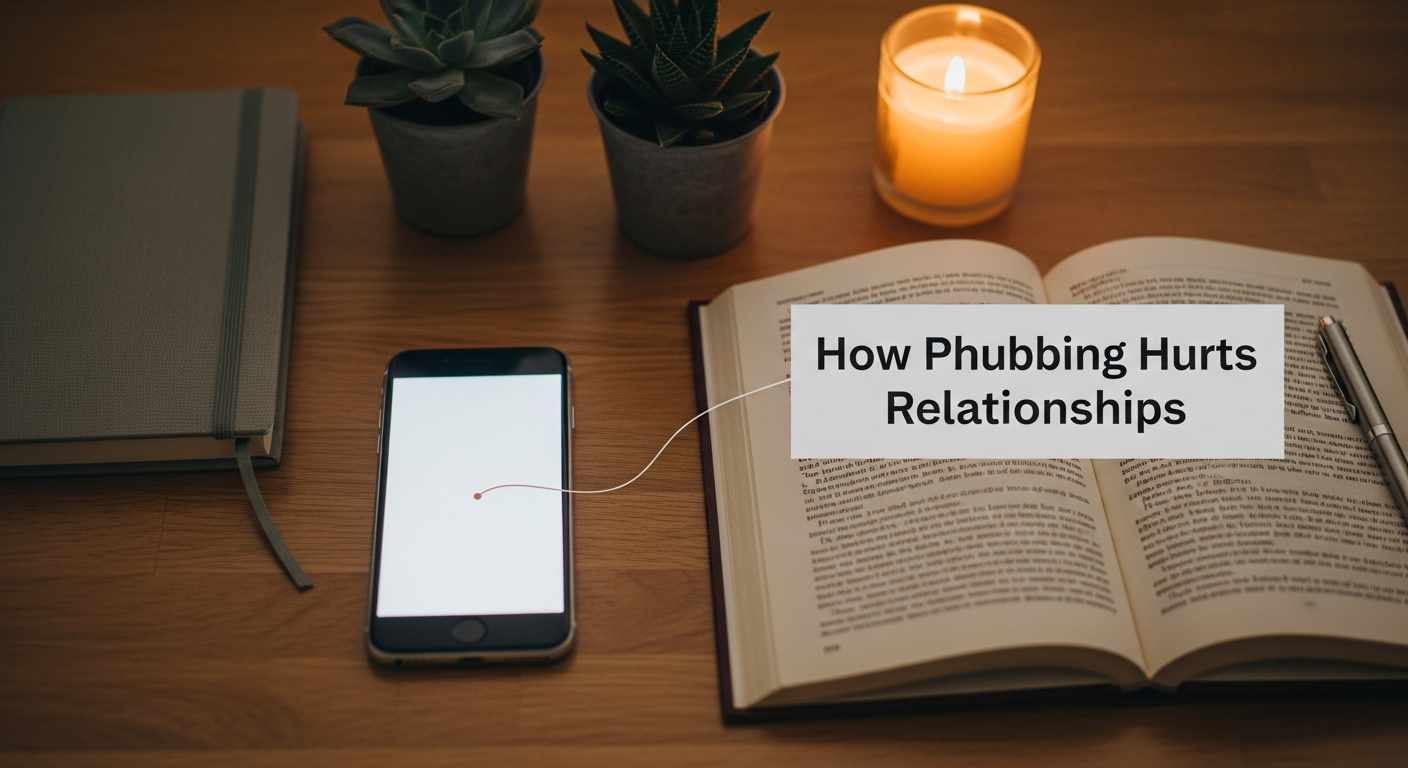
The damaging effects of phubbing are not confined to a single type of relationship but ripple through various facets of our lives, impacting romantic partnerships, family dynamics, and even friendships. Understanding these specific manifestations helps illuminate the pervasive nature of how phubbing hurts relationships across the board.
Romantic Relationships: Diminished Passion and Intimacy
In romantic relationships, phubbing can be particularly devastating. Passion thrives on connection, shared experiences, and mutual admiration. When one partner is constantly engrossed in their phone, opportunities for spontaneous intimacy, shared laughter, and meaningful conversation dwindle. The magic of a dinner date can be shattered by a partner checking notifications under the table, or a cozy evening at home can become two individuals staring at separate screens. This constant digital intrusion diminishes the sense of being a priority, leading to feelings of neglect and emotional distance. Over time, this erosion of presence can lead to a significant decrease in relationship satisfaction, a decline in affectionate gestures, and a palpable cooling of emotional and even physical intimacy. Partners may begin to feel like roommates rather than lovers, yearning for the undivided attention that once defined their connection.
Parent-Child Dynamics: Neglect and Modeling Poor Behavior
The impact of phubbing extends critically to parent-child relationships. When a parent is consistently distracted by their phone, children can interpret this as a lack of interest or love. They may feel neglected, unimportant, or that they are competing with a device for their parent’s affection. This can manifest in behavioral issues, attention-seeking, or withdrawal. More subtly, phubbing parents inadvertently model unhealthy technology use. Children observe and internalize their parents’ habits, potentially leading them to develop similar patterns of digital dependency and phubbing in their own future relationships. The critical periods of childhood development, where bonding and secure attachment are forged through present interaction, are particularly vulnerable to the disruptive influence of parental phubbing. A child’s request for attention, a story, or help with homework demands a parent’s full presence, which phubbing directly undermines.
Friendships: Feeling Secondary and Undervalued
Even casual friendships are not immune to phubbing’s detrimental effects. Friends rely on shared experiences, mutual support, and genuine conversation to deepen their bonds. When meeting up with a friend, only to have them frequently check their phone or engage with it during a conversation, sends a clear message: “You are secondary to my device.” This can lead to friends feeling undervalued, disrespected, and less inclined to invest time and energy in the friendship. The quality of interactions diminishes, and the friendship may slowly fade as the phubbed individual seeks connections where they feel truly seen and heard. Phubbing turns what should be a connecting experience into an isolating one, eroding the very essence of companionship.
Professional Settings: Undermining Respect and Collaboration
While the focus of this blog is primarily on personal relationships, it’s worth noting briefly that phubbing’s ripple effect also touches professional environments. In meetings, during networking events, or even casual office conversations, being distracted by a phone can signal disrespect, disinterest, and a lack of professionalism. It can hinder effective collaboration, reduce trust, and impact one’s reputation within a team or organization. While not a romantic or familial bond, professional respect is a relationship built on presence and attention, which phubbing inherently violates.
Crucial Conversations: The Specific Damage to Discussing Finances
Perhaps one of the most critical areas where phubbing inflicts specific damage is during important, sensitive conversations. Consider the scenario of “How To Talk About Money With Partner.” Discussing finances requires absolute focus, mutual respect, and a calm, open environment. It often involves navigating complex emotions, differing priorities, and significant decisions that impact a couple’s future. If one partner is consistently distracted by their phone during these discussions, it sends a message of disrespect and disinterest. It suggests that the shared financial future, the partner’s concerns, or the very act of collaborative problem-solving is not important enough to warrant undivided attention. This can lead to:
- Misunderstandings: Crucial details, budgets, or agreements can be missed, leading to future conflicts.
- Lack of Trust: The phubbed partner may feel their concerns are not taken seriously, eroding trust in their partner’s commitment to shared financial well-being.
- Avoidance: Over time, the phubbed partner may avoid bringing up financial topics altogether, leading to unresolved issues and potential crises.
- Resentment: The feeling of being dismissed during such vital discussions can breed deep resentment, making future financial planning, and indeed the entire relationship, incredibly strained.
The need for full presence and active listening is paramount when tackling sensitive subjects like money, making phubbing in these moments particularly destructive. It underscores how phubbing hurts relationships by undermining the very foundations of trust, respect, and shared purpose that define a strong partnership.
The Vicious Cycle: How Phubbing Breeds More Phubbing and Digital Dependency
One of the most concerning aspects of phubbing is its tendency to create a self-perpetuating cycle, where the act itself fosters an environment conducive to more phubbing and a deeper digital dependency. This feedback loop can escalate rapidly, making it increasingly difficult for individuals and couples to break free from the habit.
The cycle often begins with modeling behavior. When one partner consistently phubs the other, they are, intentionally or not, setting a precedent. The phubbed partner might initially feel hurt or annoyed, but over time, they may begin to adopt similar behaviors. This can happen for several reasons:
- Retaliation: Feeling neglected, a partner might start phubbing back as a form of passive aggression or to “get even.” This leads to a mutual state of digital disconnection.
- Escapism: If the atmosphere of the relationship becomes strained due to a lack of genuine connection or unresolved conflict (often exacerbated by phubbing), the phone can become an attractive escape. It offers an immediate, albeit superficial, distraction from uncomfortable realities.
- Normalization: If phubbing becomes a common occurrence, it can slowly be normalized within the relationship. What was once seen as rude or disrespectful becomes an accepted, albeit unhealthy, part of daily interaction.
This mirroring effect means that a relationship can quickly descend into a state where both partners are constantly engrossed in their devices, even when physically together. The shared space becomes less about interaction and more about co-existing in separate digital worlds.
Moreover, phubbing reinforces addictive loops that drive digital dependency. Our smartphones are meticulously designed to be engaging and addictive, with constant notifications, endless feeds, and the promise of new content. Each glance at the phone, each notification received, delivers a small hit of dopamine, reinforcing the behavior. When a partner is phubbing, they are essentially prioritizing this dopamine hit over genuine human interaction. This continuous reinforcement strengthens the neural pathways associated with device use, making it harder to resist the urge to check the phone, even when consciously trying to be present.
A significant psychological factor contributing to this cycle is the Fear of Missing Out (FOMO). The digital world constantly presents an array of perceived exciting events, updates, and interactions. The fear that something important, entertaining, or socially relevant might be happening online can make it incredibly difficult to disengage from the device. This external pull of the digital world often outweighs the immediate, tangible presence of a partner, leading to continued phubbing. The irony is that in fearing to miss out on something online, individuals are actively missing out on the real-life connection unfolding right in front of them.
The vicious cycle of phubbing and digital dependency thus creates a self-fulfilling prophecy: the more one phubs, the more digital dependency grows, and the more challenging it becomes to break free. This escalating pattern profoundly answers how phubbing hurts relationships by creating a systemic barrier to genuine presence and connection, leaving both individuals trapped in a state of superficial interaction and emotional distance. Breaking this cycle requires intentional effort, self-awareness, and a commitment from both parties to prioritize real-world connection over digital distractions.
Reclaiming Connection: Strategies for Overcoming Phubbing in 2026
Recognizing that phubbing is a significant barrier to healthy relationships is the crucial first step. The good news is that with awareness, intentionality, and practical strategies, individuals and couples can reclaim their connection and foster a more present, mindful way of interacting in 2026. Overcoming phubbing isn’t about abandoning technology entirely, but rather about developing “Tips For Healthy Technology Use” and prioritizing human connection.
Cultivating Self-Awareness
The journey begins with acknowledging the habit. Many people phub unconsciously. Pay attention to your own behavior:
- Observe Your Habits: Notice how often you reach for your phone during conversations, meals, or shared activities.
- Reflect on Your Motivations: Are you bored, anxious, avoiding something, or genuinely expecting an important message? Understanding the triggers can help you address the root cause.
- Ask for Feedback: Gently ask your partner or friends if they feel phubbed by you. Be open to their honest observations without becoming defensive.
This self-reflection is fundamental to understanding your role in how phubbing hurts relationships and empowering you to make positive changes.
Open and Honest Communication
Addressing phubbing effectively requires direct, kind, and assertive communication. This aligns perfectly with the principles of “How To Communicate Better Relationships.”
- Choose the Right Time: Bring up the topic when you are both calm and not in the middle of a phubbing incident.
- Use “I” Statements: Instead of saying, “You always ignore me for your phone,” try, “I feel unheard and unimportant when you’re on your phone while I’m talking.” Focus on your feelings rather than assigning blame.
- Explain the Impact: Clearly articulate how their phone use makes you feel and how it affects your connection. Referencing the psychological wounds discussed earlier can be powerful.
- Listen Actively: Be prepared to listen to their perspective as well. They might not realize the extent of their habit or might have their own reasons for digital distraction.
The goal is not to shame but to foster mutual understanding and a shared commitment to change.
Setting Clear Boundaries and Expectations
Establishing agreed-upon rules for technology use can significantly reduce phubbing. This is a practical application of “Tips For Healthy Technology Use.”
- Device-Free Zones: Designate certain areas of the home, like the dining table, bedroom, or living room during family time, as phone-free zones.
- Device-Free Times: Agree on specific periods, such as during meals, the first hour after work, or before bedtime, when phones are put away.
- Notification Management: Encourage each other to turn off non-essential notifications to reduce the constant pull of the device.
- Charging Stations: Create a central charging station away from common living areas and bedrooms to discourage mindless scrolling.
- “Phone Stacking”: When out with friends or family, try the “phone stacking” game: everyone places their phone face down in the middle of the table. The first person to touch their phone pays the bill (or a penalty).
These boundaries create intentional spaces for genuine connection and presence.
Practicing Mindful Technology Use
Mindfulness extends to how we interact with our devices.
- Be Intentional: Before picking up your phone, ask yourself: “Why am I doing this? Is it necessary right now?”
- Single-Task: When you’re with someone, be with them. When you need to use your phone, excuse yourself briefly or complete the task quickly and then return your full attention to the person.
- Digital Detoxes: Periodically take short breaks from all non-essential digital devices. Even a few hours can reset your perspective and highlight the value of real-world interactions.
- Focus on Active Listening: When your partner is speaking, make eye contact, nod, and offer verbal affirmations. Show them they have your undivided attention.
This mindful approach helps you regain control over your technology, rather than letting it control you.
Prioritizing Presence and Shared Activities
Actively cultivate moments of presence and engagement that do not involve screens.
- Schedule “Connect Time”: Dedicate specific time each day or week for activities that foster connection, such as going for a walk, cooking together, playing a board game, or simply sitting and talking without distractions.
- Engage in Hobbies Together: Find shared interests that encourage interaction and presence.
- Practice Gratitude: Regularly express appreciation for your partner’s presence and efforts to connect.
By consciously prioritizing human connection over digital distraction, individuals and couples can reverse the damage caused by phubbing. It’s a continuous process of awareness, communication, and commitment, but the rewards of deeper intimacy, stronger bonds, and a more fulfilling relationship are immeasurable. In 2026, let us choose presence over pixels, and connection over clicks, thereby truly understanding and addressing how phubbing hurts relationships and taking meaningful steps to heal them.
Frequently Asked Questions About How Phubbing Hurts Relationships
What exactly is phubbing and why is it considered so harmful to relationships?
Phubbing is the act of “phone snubbing,” where an individual ignores the person they are with by focusing on their mobile device instead. It’s harmful because it signals disrespect, devaluation, and disinterest to the person being phubbed. This leads to feelings of being ignored, unappreciated, and secondary to a device, eroding trust, intimacy, and overall relationship satisfaction. It creates emotional distance and can lead to a breakdown in genuine communication, answering directly how phubbing hurts relationships.
How does phubbing affect emotional intimacy in a relationship?
Phubbing severely hinders emotional intimacy by preventing deep, meaningful connection. Intimacy requires vulnerability, presence, and shared attention. When one partner is constantly distracted by their phone, opportunities for sharing innermost thoughts, feelings, and experiences are lost. The consistent lack of undivided attention makes it difficult to feel truly seen and understood, leading to superficial interactions, emotional distance, and a sense of isolation, even when physically together.
Can phubbing lead to serious relationship problems, like breakups?
Yes, phubbing can absolutely contribute to serious relationship problems, including breakups. While rarely the sole cause, it acts as a significant catalyst for dissatisfaction, resentment, and conflict. The cumulative effect of feeling ignored, unimportant, and disconnected can erode the foundation of trust and respect over time. If left unaddressed, the emotional distance and communication breakdown caused by phubbing can become insurmountable, making the relationship unsustainable.
What’s the best way to address phubbing with my partner without causing an argument?
The best approach is to communicate openly, calmly, and using “I” statements. Choose a time when you are both relaxed and not in the middle of a phubbing incident. Express how their phone use makes you feel (e.g., “I feel a little lonely when you’re on your phone during our dinner”) rather than accusing them (“You always ignore me for your phone!”). Explain the impact on your connection and propose solutions together, such as setting device-free times or zones. This fosters understanding rather than defensiveness, aligning with “How To Communicate Better Relationships.”
Are there specific times when phubbing is particularly damaging, such as during important conversations?
Yes, phubbing is particularly damaging during crucial or sensitive conversations. For example, when discussing “How To Talk About Money With Partner,” financial planning, personal struggles, or future goals, undivided attention is paramount. Phubbing in these moments signals a profound lack of respect and interest, undermining the seriousness of the discussion and the importance of the partner’s feelings. It can lead to misunderstandings, unresolved issues, and deep resentment, making these vital conversations impossible and causing significant damage to the relationship.
What are some practical steps couples can take to reduce phubbing and improve connection in 2026?
Couples can take several practical steps, focusing on “Tips For Healthy Technology Use.” These include:
- Establishing Device-Free Zones/Times: Designate the dining table, bedroom, or specific hours as phone-free.
- Mindful Use: Be intentional about screen time; ask “Why am I picking this up now?”
- Open Communication: Talk about the impact of phubbing and agree on boundaries together.
- Prioritizing Presence: Actively engage in shared activities that don’t involve screens.
- Notification Management: Turn off non-essential notifications to reduce the constant pull of the device.
- Practicing Active Listening: Give your partner full eye contact and verbal affirmations when they are speaking.
These actions help reclaim presence and foster deeper connection.