

The Transformative Power of Gratitude Journaling in the Digital Age
The dawn of 2026 finds us navigating a landscape saturated with digital interactions. Our smartphones, tablets, and smart devices are indispensable tools, connecting us globally, providing endless information, and offering unparalleled convenience. Yet, this constant connectivity comes at a cost. The incessant stream of curated feeds, the pressure to maintain an online persona, and the fear of missing out (FOMO) can breed anxiety, comparison, and a pervasive sense of inadequacy. It’s easy to get caught in a cycle of focusing on what we lack, rather than appreciating what we have.
This digital overwhelm often spills over into our personal lives, manifesting as distractions during meals, conversations, and intimate moments—a behavior we at Stop Phubbing actively encourage you to challenge. This is precisely where gratitude journaling steps in as a powerful antidote. It’s a deliberate, mindful practice that compels us to pause, reflect, and intentionally shift our focus from scarcity to abundance. By dedicating even a few minutes each day to acknowledge the good in our lives, no matter how small, we begin to rewire our brains for positivity, resilience, and presence.
In an era where our attention is constantly fragmented, a gratitude journal acts as a sanctuary, a quiet space where you can reclaim your focus and reconnect with your inner self. It’s a conscious decision to slow down, to observe the beauty in the everyday, and to cultivate a deeper sense of appreciation for your experiences, your relationships, and your very existence. This simple act of reflection can be a powerful counter-narrative to the relentless demands of the digital world, helping you to find calm amidst the chaos and fostering a more grounded, mindful approach to life in 2026 and beyond.
Why Start a Gratitude Journal? Unpacking the Benefits for Mind, Body, and Relationships
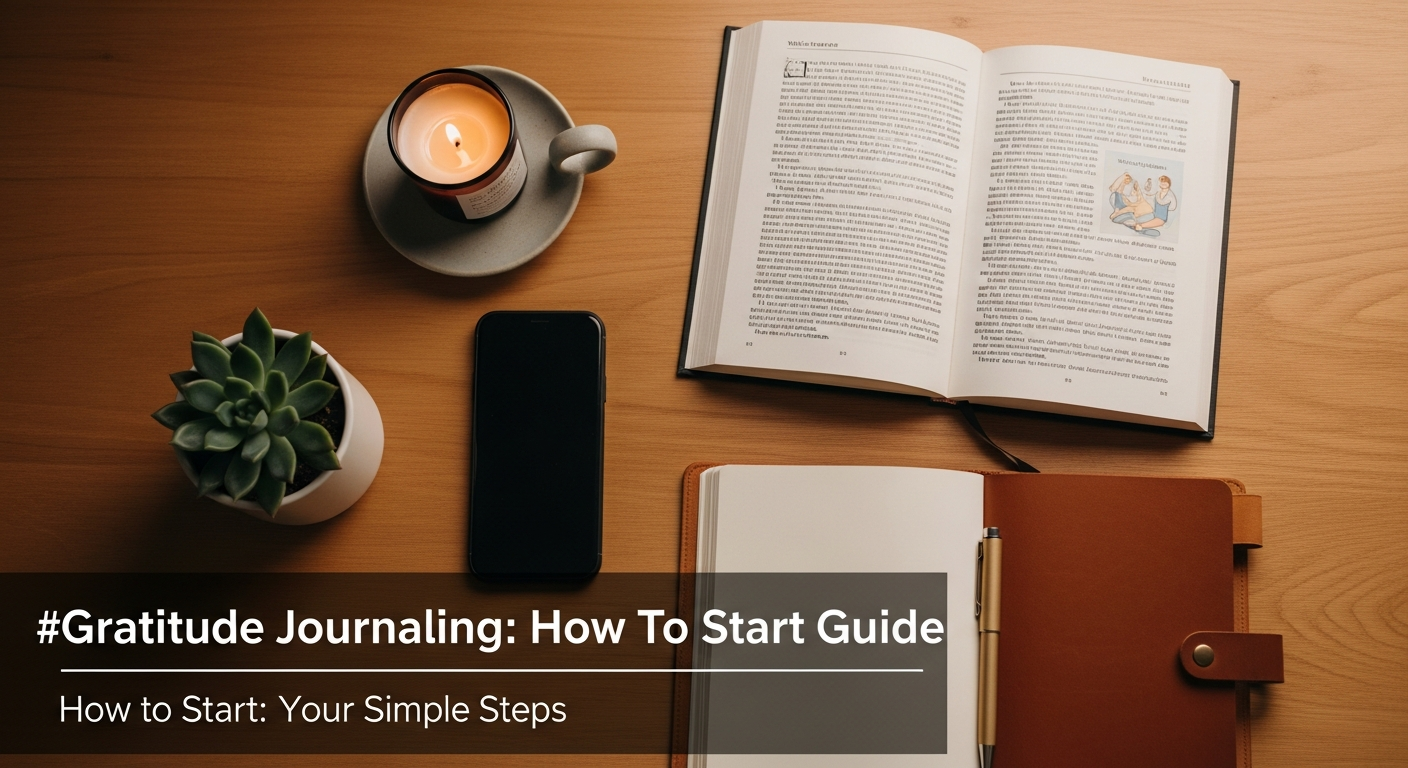
The practice of gratitude journaling extends far beyond simply feeling good; it’s a scientifically backed intervention that offers a profound array of benefits for your mental, emotional, physical, and relational well-being. By intentionally focusing on what you appreciate, you initiate a cascade of positive changes that can significantly enhance your quality of life.
Boosting Mental and Emotional Well-being
- Reduces Stress and Anxiety: In a world where digital notifications can trigger constant low-level stress, gratitude journaling provides a much-needed respite. By shifting your focus away from worries and towards positive experiences, you actively engage the parasympathetic nervous system, promoting relaxation and reducing the physiological symptoms of stress. This practice is particularly effective in helping you to Manage Anxiety From Social Media, as it encourages you to appreciate your offline reality rather than constantly comparing yourself to online personas.
- Increases Happiness and Optimism: Regular gratitude practice trains your brain to notice and amplify positive events, making you more receptive to joy and more hopeful about the future. It’s like equipping your mind with a built-in happiness filter.
- Enhances Resilience: When faced with challenges, a grateful mindset allows you to see difficulties not just as roadblocks, but as opportunities for growth. You learn to appreciate the lessons learned and the strength gained, fostering a stronger ability to bounce back from adversity.
- Improves Sleep Quality: Ending your day by reflecting on positive experiences can calm your mind, reduce rumination, and prepare you for a more restful night’s sleep.
Physical Health Benefits
While often overlooked, the link between mind and body is undeniable. A grateful disposition has been associated with:
- Stronger Immune System: Studies suggest that positive emotions, including gratitude, can contribute to a more robust immune response.
- Lower Blood Pressure: The stress-reducing effects of gratitude can have a positive impact on cardiovascular health.
- Reduced Aches and Pains: By fostering a more positive outlook, gratitude can indirectly influence your perception of physical discomfort.
Strengthening Relationships and Communication
Perhaps one of the most profound impacts of gratitude journaling is on our interpersonal connections. When you consistently acknowledge the good in others and in your shared experiences, you naturally become a more appreciative and present partner, friend, and family member.
- Fosters Empathy and Connection: Gratitude helps you recognize the efforts and kindness of others, deepening your understanding and appreciation for them. This heightened awareness can significantly improve How To Communicate Better Relationships, as you approach interactions with a more positive and understanding perspective.
- Improves Conflict Resolution: A grateful mindset makes you less likely to dwell on minor grievances and more likely to focus on the overall positive aspects of a relationship. When disagreements arise, approaching them from a place of appreciation for your partner can lead to more constructive dialogue and quicker resolution.
- Encourages Expression of Appreciation: The act of journaling what you’re grateful for often naturally leads to expressing that gratitude directly to others. This positive feedback loop strengthens bonds and creates a more loving and supportive environment. For instance, appreciating your partner’s efforts in managing household finances can make discussions about sensitive topics like How To Talk About Money With Partner much smoother and more empathetic. Instead of focusing on deficits, you can acknowledge shared goals and contributions.
- Combats Phubbing: By fostering a deeper appreciation for the present moment and the people in it, gratitude journaling directly counters the urge to constantly check your phone. When you’re truly present and thankful for the company you keep, the digital distractions lose their appeal, allowing for genuine, uninterrupted connection.
In essence, starting a gratitude journal is an investment in your holistic well-being. It’s a commitment to cultivating a life rich in appreciation, resilience, and meaningful connections, allowing you to thrive in the complex digital landscape of 2026.
Your Step-by-Step Guide to Starting a Gratitude Journal in 2026
Step 1: Choose Your Medium
The first decision is where you’ll capture your gratitude. There’s no right or wrong answer, only what feels most comfortable and sustainable for you.
- Traditional Notebook and Pen: Many people prefer the tactile experience of writing by hand. It can feel more deliberate and meditative. Choose a notebook that inspires you—a beautiful cover, quality paper, or a specific size.
- Digital App or Software: For those who prefer digital convenience, numerous apps (like Day One, Journey, or simple notes apps) offer journaling features. These can be great for setting reminders, easy searching, and journaling on the go. Just be mindful that using a screen for gratitude doesn’t lead back to digital distraction; treat it as a dedicated, focused digital session.
- Voice Recorder: If writing isn’t your preference, consider using a voice memo app on your phone. Speaking your gratitude aloud can be a powerful way to process your feelings.
Step 2: Find Your Ideal Time
Consistency is more important than duration. Aim for a specific time each day, even if it’s just for a few minutes. Experiment to see what fits best into your 2026 schedule:
- Morning Ritual: Start your day by listing what you’re grateful for. This can set a positive tone for the hours ahead and help you approach challenges with a more optimistic outlook.
- Evening Reflection: Before bed, reflect on the day’s events. This can help you process your experiences, end the day on a positive note, and improve sleep quality.
- Mid-day Break: Use a lunch break or a quiet moment to pause and reset with a gratitude entry. This can be a refreshing digital detox moment.
Pro Tip: Set a gentle reminder on your phone, but ensure it’s a mindful prompt, not an urgent notification that pulls you back into digital chaos.
Step 3: What to Write About (Be Specific!)
This is where the magic happens. Don’t just list generic items; delve into the specifics. The more detailed you are, the more potent the feeling of gratitude becomes.
- Focus on the Small Things: It doesn’t have to be grand gestures. Be grateful for:
- The warmth of your morning coffee.
- A perfectly timed green light during your commute.
- A kind word from a colleague.
- The comfort of your favorite blanket.
- The sound of rain outside your window.
- Elaborate on People: Instead of “I’m grateful for my partner,” try “I’m grateful for how my partner listened patiently to me vent about my stressful day, offering comfort without judgment.”
- Acknowledge Challenges Turned Opportunities: Sometimes, we can even find gratitude in difficult situations—the lessons learned, the resilience gained, or the support received during a tough time.
- Engage Your Senses: What did you see, hear, smell, taste, or feel that sparked gratitude? “I’m grateful for the vibrant colors of the sunset tonight,” or “I’m grateful for the comforting aroma of freshly baked bread from the bakery down the street.”
Step 4: Prompts vs. Freeform
You can choose to write freely or use prompts to guide your reflections.
- Freeform: Simply open your journal and write whatever comes to mind. This allows for organic reflection.
- Prompts: If you’re feeling stuck, prompts can be incredibly helpful. Here are a few examples:
- What made you smile today?
- What is one small kindness you either received or witnessed today?
- What about your home are you grateful for?
- Name three things about your current job/studies that you appreciate.
- What simple pleasure did you experience today?
- Who brought joy into your life today, and why?
Step 5: Be Consistent, Not Perfect
Don’t put pressure on yourself to write profound, eloquent entries every day. The goal is consistency. Even listing three simple things is enough. If you miss a day, don’t fret; just pick it up again the next day. The practice is about building a habit, not achieving flawlessness.
Step 6: Re-read and Reflect
Periodically, take time to reread past entries. This can be an incredibly powerful experience, reminding you of the consistent good in your life and offering perspective during challenging times. Seeing a cumulative record of your blessings can reinforce positive neural pathways and deepen your sense of appreciation.
Starting a gratitude journal in 2026 is an accessible and enriching practice. By following these steps and allowing yourself the grace to learn and grow, you’ll soon discover a profound shift in your outlook and overall well-being.
Choosing Your Gratitude Journaling Style: Beyond Pen and Paper
While the image of a beautifully bound notebook and a flowing pen often comes to mind when we talk about journaling, the truth is that gratitude journaling is a flexible practice that can adapt to many styles and preferences. In 2026, with a plethora of tools at our fingertips, you have more options than ever to find a method that truly resonates with you and integrates seamlessly into your digital wellness journey.
The Classic: Traditional Notebook and Pen
For many, the tactile experience of a physical journal is irreplaceable. The act of putting pen to paper can be a meditative process, slowing down thoughts and engaging different parts of the brain. There’s a certain satisfaction in seeing your handwriting fill the pages, creating a tangible record of your gratitude.
- Pros: No screen time, encourages mindfulness, satisfying physical record, easy to customize with doodles or stickers.
- Cons: Not always convenient to carry, can be lost, requires a specific writing space.
The Modern Approach: Digital Journaling Apps
Digital apps offer unparalleled convenience and portability. Many are designed specifically for gratitude, offering prompts, reminders, and even analytics on your entries. They can be a great way to integrate gratitude into a life that’s already digitally oriented, provided you use them mindfully.
- Pros: Always accessible on your device, searchable entries, can include photos/videos, automated reminders, often synced across devices.
- Cons: Requires screen time (which can be a challenge for those trying to Manage Anxiety From Social Media), potential for distraction from other apps, less tactile.
- Popular Options: Day One, Journey, Five Minute Journal App, or even a simple notes app on your phone.
The Minimalist: Bullet Journaling Integration
If you’re already a fan of bullet journaling, incorporating gratitude entries is a natural fit. You can dedicate a specific section or simply add a few gratitude bullet points to your daily log. This method is highly customizable and integrates gratitude into your existing planning system.
- Pros: Integrates into an existing system, highly flexible, encourages brevity, visual progress.
- Cons: Requires an existing bullet journal practice, can feel less dedicated if mixed with tasks.
The Auditory: Voice Memos
Not everyone enjoys writing, and that’s perfectly fine. Speaking your gratitude aloud can be incredibly powerful. Using your phone’s voice recorder or a dedicated dictation app allows you to verbalize your thoughts and feelings without the need for typing or handwriting.
- Pros: Quick and easy, allows for natural expression, good for kinesthetic learners, hands-free.
- Cons: Can be less private, difficult to search through later, listening back might feel less reflective than reading.
The Creative: Visual Gratitude Journaling
For artists or visual thinkers, expressing gratitude through drawings, collages, photographs, or mixed media can be a deeply fulfilling practice. This can be done in a physical scrapbook or digitally on platforms like Pinterest or Instagram (privately, to avoid the social media comparison trap).
- Pros: Engages creativity, different way of processing emotions, can be very personal and expressive.
- Cons: Can be more time-consuming, requires artistic inclination (though anyone can draw!), might require specific materials.
The Shared Experience: Gratitude Jars
While not strictly a “journal,” a gratitude jar is a wonderful, collective way to practice gratitude, especially within a household or relationship. Each person writes down something they’re grateful for on a slip of paper and adds it to the jar. Periodically, the family can gather to read the entries aloud.
- Pros: Fosters collective gratitude, simple for all ages, creates a tangible archive of blessings.
- Cons: Not a personal journaling experience, less detailed than written entries.
The best journaling style for you is the one you’ll stick with consistently. Don’t be afraid to experiment with different methods throughout 2026. You might start with a digital app for convenience, then transition to a notebook when you want a more tactile experience, or combine methods for different contexts. The goal is to make gratitude a regular, joyful part of your life, regardless of the medium.
Overcoming Common Hurdles and Sustaining Your Gratitude Practice
Like any new habit, establishing a consistent gratitude journaling practice can present its challenges. It’s easy to start with enthusiasm, only to find yourself losing momentum a few weeks or months into 2026. Recognizing these common hurdles and having strategies to overcome them is crucial for transforming your gratitude practice into a sustainable, lifelong habit.
Hurdle 1: “I Have Nothing to Be Grateful For” (The Gratitude Block)
This feeling often arises during difficult times or when we’re accustomed to focusing on negativity. It’s a common initial barrier.
- Strategy: Start Small and Basic: Don’t aim for profound insights. Begin with fundamental comforts: the roof over your head, clean water to drink, a warm bed, the ability to breathe, your senses.
- Strategy: Focus on Lack of Negatives: Sometimes, gratitude can be found in the absence of something bad. “I’m grateful I didn’t get stuck in traffic today,” or “I’m grateful I didn’t get sick this week.”
- Strategy: Use Specific Prompts: When feeling stuck, specific prompts can guide your thoughts. Examples: “What small pleasure did I experience today?” “What about nature am I grateful for today?” “Who made my day a little easier?”
Hurdle 2: Lack of Consistency (The Time Crunch)
Life gets busy, and journaling can easily fall by the wayside.
- Strategy: Keep it Short: You don’t need to write a novel. Three bullet points are perfectly sufficient. Even one sentence is better than nothing.
- Strategy: Link it to an Existing Habit: Pair your journaling with something you already do daily, like brushing your teeth, having your morning coffee, or before bed. This builds a strong habit loop.
- Strategy: Set Reminders (Mindfully): Use a gentle, non-intrusive reminder on your phone or a physical note. Crucially, treat this reminder as a signal for a mindful pause, rather than another digital demand. This helps Manage Anxiety From Social Media by using technology for positive habit formation, not distraction.
- Strategy: Be Flexible: If your usual time doesn’t work, find another slot. If you miss a day, don’t beat yourself up; just start fresh the next day. Perfection is the enemy of progress.
Hurdle 3: Feeling Forced or Inauthentic
Sometimes, the act of “forcing” gratitude can feel disingenuous, especially if you’re genuinely struggling.
- Strategy: Acknowledge Your Feelings: It’s okay to not feel exuberant gratitude every day. You can even journal about your struggle: “Today I’m finding it hard to feel grateful, but I’m grateful for the strength to keep trying.”
- Strategy: Focus on Observation, Not Obligation: Instead of feeling obligated to “be grateful,” simply observe moments that spark a flicker of appreciation. It’s about noticing, not fabricating.
- Strategy: Vary Your Approach: If traditional writing feels stale, try a different style (voice memo, visual journal) for a while to reignite your interest.
Hurdle 4: Comparing Your Gratitude to Others
In the age of social media, it’s easy to see others’ “perfect” lives and feel like your gratitude isn’t enough or that you don’t have as much to be grateful for.
- Strategy: Your Journey is Unique: Remember that gratitude is a deeply personal practice. Your reasons for gratitude are valid and unique to your experiences.
- Strategy: Limit Social Media Exposure: If comparison is a trigger, consciously reduce your exposure to social media platforms, particularly during your gratitude practice time. This directly helps to Manage Anxiety From Social Media by creating boundaries.
- Strategy: Focus Inward: Use your journal as a space to connect with your own inner world, free from external judgments or comparisons.
Hurdle 5: Making it a Chore (Loss of Joy)
What started as an inspiring practice can sometimes morph into another item on the to-do list.
- Strategy: Keep it Fresh: Introduce new prompts, switch your journaling location, or try a different colored pen. Small changes can prevent monotony.
- Strategy: Revisit Your “Why”: Periodically remind yourself of the benefits you’ve experienced or hope to experience. Re-read old entries to see the cumulative positive impact.
- Strategy: Pair it with Pleasure: Enjoy a cup of tea, listen to calming music, or light a candle during your journaling time to make it a more enjoyable experience.
Sustaining a gratitude practice is an ongoing journey, not a destination. By anticipating these common hurdles and equipping yourself with practical strategies, you can maintain the momentum and continue to reap the profound benefits of gratitude journaling throughout 2026 and for years to come.
Deepening Your Gratitude Practice: Advanced Tips for a More Profound Experience
Once you’ve established a consistent gratitude journaling habit, you might find yourself ready to explore ways to deepen the practice and integrate it more fully into your daily life. Moving beyond the initial journaling habit, these advanced tips can help you cultivate an even more profound sense of appreciation and well-being in 2026.
1. Practice “Active Gratitude” Throughout the Day
Don’t confine gratitude to your journal entries. Make it an active, ongoing awareness. Throughout your day, consciously pause and acknowledge moments of gratitude as they happen. For example, when you take a sip of refreshing water, mentally (or silently) say “thank you.” When you notice a beautiful cloud formation, appreciate it. This continuous practice trains your mind to naturally seek out and register the positive.
2. Engage in Gratitude Walks or Meditations
Combine mindfulness with movement or stillness. During a walk, pay attention to everything around you with a grateful lens: the strength of the trees, the warmth of the sun, the sounds of birds, the feeling of your feet on the ground. Similarly, guided gratitude meditations can help you cultivate a deep sense of appreciation and connection, often found on apps or online platforms.
3. Express Gratitude Directly and Often
While journaling is personal, expressing gratitude to others amplifies its power. Make it a point to regularly thank people in your life—your partner, family, friends, colleagues, or even a helpful stranger. Write a thank-you note, send a thoughtful text, or simply offer a sincere verbal “thank you.” This not only strengthens your relationships (a vital component of How To Communicate Better Relationships) but also reinforces your own feelings of gratitude. For example, if you’re grateful for your partner’s efforts in managing household finances, explicitly thank them for their dedication when you Talk About Money With Partner. This makes financial discussions positive and collaborative.
4. Practice “Contrast Gratitude”
This involves reflecting on a time when you didn’t have something you now appreciate. For instance, if you’re grateful for your health, recall a time you were ill. If you appreciate having a stable job, remember a period of unemployment. This contrast can heighten your appreciation for your current blessings and build resilience by reminding you of how far you’ve come.
5. Use Gratitude to Reframe Challenges
When faced with a difficult situation, try to find one thing you can be grateful for within it. This isn’t about ignoring the pain, but about finding a silver lining or a lesson. “I’m grateful for the challenge because it’s teaching me patience,” or “I’m grateful for the support I’ve received during this tough time.” This reframing can transform your perspective and build coping mechanisms, helping to naturally Manage Anxiety From Social Media by redirecting focus from external pressures to internal growth.
6. Create a Gratitude Ritual
Beyond just writing, infuse your gratitude practice with ritualistic elements. This could be lighting a specific candle, playing a particular piece of music, or creating a small “gratitude altar” with objects that represent things you’re thankful for. These rituals can make the practice feel more sacred and intentional.
7. Share Your Gratitude with a Trusted Person
Discussing your gratitude with a close friend, partner, or family member can deepen the experience. Sharing what you’re grateful for can inspire others and create a positive feedback loop in your relationships. This open communication is a hallmark of How To Communicate Better Relationships and fosters a supportive environment.
By incorporating these advanced tips, you can transform your gratitude journaling from a simple habit into a profound way of life. In 2026, let gratitude be the lens through which you experience the world, bringing more joy, connection, and mindful presence to every moment.