

Understanding Digital Minimalism: More Than Just a Digital Detox
At its core, digital minimalism is a philosophy that advocates for using technology intentionally and thoughtfully, rather than haphazardly or compulsively. It’s not about abandoning technology entirely – a common misconception – but rather about critically evaluating which digital tools genuinely serve your values and goals, and then ruthlessly eliminating the rest. As popularized by author Cal Newport, digital minimalism suggests that we should focus our time and attention on a small number of carefully selected and optimized digital tools that strongly support our deepest values, and then happily miss out on everything else.
Think of it as decluttering your digital life in the same way you might declutter your physical living space. Just as you wouldn’t fill your home with every item you encounter, a digital minimalist doesn’t passively accept every app, notification, or social media platform that vies for their attention. Instead, they curate their digital environment with purpose. This intentional approach allows individuals to leverage the profound benefits of technology – from communication to knowledge acquisition – without becoming enslaved by its addictive downsides.
The distinction between digital minimalism and a simple digital detox is crucial. A detox is often a temporary break, a reset button for your digital habits. While incredibly valuable as a starting point, a detox alone doesn’t necessarily equip you with the sustainable strategies needed to prevent a relapse into old patterns. Digital minimalism, however, is a long-term lifestyle change. It’s about building a sustainable framework for how you interact with technology, ensuring that your tools serve you, rather than the other way around. This means making conscious choices about when, how, and why you engage with your devices, fostering a sense of control and empowerment over your digital existence. It’s about shifting from a reactive consumption of digital content to a proactive, strategic engagement that enhances, rather than detracts from, your real-world experiences and personal growth.
Why Embrace Digital Minimalism? Reclaiming Your Attention and Well-being

The benefits of adopting a digital minimalist lifestyle extend far beyond simply reducing screen time. They permeate every aspect of your life, from your mental clarity to the quality of your relationships. In an age where attention has become the most valuable commodity, digital minimalism offers a powerful pathway to reclaim it.
Improved Mental Health and Reduced Anxiety
Constant connectivity and the relentless stream of information can be a significant source of stress, anxiety, and even depression. The fear of missing out (FOMO), the pressure to present a perfect online persona, and the exposure to negativity can take a heavy toll. By reducing your reliance on non-essential digital tools, you create mental space. This reduction in cognitive load leads to a calmer mind, decreased anxiety, and a greater sense of peace. You’ll find yourself less reactive to external stimuli and more grounded in the present moment, fostering a profound sense of psychological well-being.
Enhanced Focus and Productivity
Multitasking, often lauded as a valuable skill, is largely a myth when it comes to deep, meaningful work. Our brains are not designed to switch rapidly between tasks without a significant cost in efficiency and quality. Digital distractions – notifications, emails, social media pings – constantly pull us away from focused attention. Digital minimalism cultivates an environment conducive to deep work, allowing you to concentrate on high-value tasks without interruption. When you intentionally block out digital noise, you unlock your capacity for sustained focus, leading to higher quality output and a greater sense of accomplishment, whether in your professional life or personal projects.
Stronger Real-World Relationships and Communication
One of the most profound impacts of digital minimalism is on our interpersonal relationships. The pervasive habit of phubbing – snubbing someone in favour of your phone – has become an epidemic, subtly eroding trust and connection. By intentionally stepping back from constant digital engagement, you create space for genuine, in-person interactions. This means being truly present when spending time with loved ones, making eye contact, and engaging in active listening. It directly addresses the challenge of How To Communicate Better Relationships, as it prioritizes face-to-face dialogue and undivided attention over digital distractions. Imagine dinner conversations free from the glow of screens, or a walk with a friend where your phone stays in your pocket. These small shifts lead to deeper bonds, more meaningful conversations, and a greater sense of belonging.
More Time for Meaningful Pursuits
How much time do you spend mindlessly scrolling? When you audit your digital habits, you might be shocked by the hours that evaporate into the digital ether. Digital minimalism helps you reclaim this precious time. With fewer distractions and a clearer mind, you suddenly have more bandwidth for hobbies, learning new skills, exercise, reading, spending time in nature, or simply being still. This newfound time can be reinvested into activities that truly enrich your life and align with your values, leading to a more fulfilling and purpose-driven existence.
Greater Self-Awareness and Intentionality
The journey into digital minimalism is also a journey inward. It forces you to ask critical questions about your habits, your values, and what truly matters to you. Why do I reach for my phone? What emotions am I trying to avoid or satisfy? This process fosters greater self-awareness and helps you identify triggers for mindless digital consumption. By making conscious choices about your technology use, you cultivate a powerful sense of intentionality that extends beyond the digital realm, influencing other areas of your life and empowering you to live more deliberately.
The Foundational Principles of Digital Minimalism
1. Intentionality: Prioritizing High-Value Over Low-Value
The cornerstone of digital minimalism is intentionality. This means making conscious, deliberate choices about every piece of technology you allow into your life and how you use it. Instead of passively accepting default settings or succumbing to algorithmic suggestions, you become the gatekeeper. Ask yourself:
- Does this app or service genuinely serve a specific, important purpose in my life?
- Does it align with my core values and long-term goals?
- Is there a more efficient or less distracting way to achieve the same outcome without this tool?
The goal is to move away from impulsive, reactive technology use towards a proactive, value-driven approach. For instance, rather than endlessly scrolling social media for entertainment, you might intentionally use a specific platform for professional networking or to connect with a close-knit group of family members. Every digital interaction becomes a deliberate act, chosen for its utility and positive contribution to your life, rather than a mindless time-filler.
2. Decluttering: Ruthlessly Eliminating the Non-Essential
Inspired by minimalist principles in other areas of life, digital decluttering involves a systematic removal of digital tools, services, and habits that do not contribute significantly to your life’s value. This isn’t about mere tidiness; it’s about creating space for what truly matters by eliminating noise and distraction.
- Apps: Review every app on your phone and computer. If you haven’t used it in a month, or if it doesn’t serve a clear, high-value purpose, delete it. Consider if an app is truly essential or if a browser-based alternative, used intentionally, would suffice.
- Notifications: Turn off all non-essential notifications. Most apps do not need to alert you in real-time. This includes social media, news alerts, and many email notifications. Only allow alerts for critical communications from people who need to reach you urgently.
- Subscriptions & Accounts: Unsubscribe from newsletters you don’t read. Delete old accounts on services you no longer use. This reduces digital clutter in your inbox and minimizes potential data vulnerabilities.
- Digital Files: Organize your digital files, photos, and emails. Delete duplicates and unnecessary items. A clean digital environment contributes to a clear mind.
The process of decluttering can feel liberating. Each item removed is a small victory, freeing up mental bandwidth and reducing the potential for distraction. It reinforces the principle that less can indeed be more when it comes to technology.
3. Focused Use: Engaging Deeply and Purposefully
Once you’ve intentionally selected your digital tools and decluttered the non-essentials, the third principle focuses on how you actually use the remaining technology. This means engaging deeply and purposefully, rather than allowing your attention to be fragmented.
- Time-Blocking: Designate specific, limited times for engaging with certain digital tools. For example, check email only twice a day, or allocate 15 minutes in the evening for social media. Outside these blocks, avoid these tools entirely.
- Single-Tasking: When you use a digital tool, dedicate your full attention to that single task. If you’re checking email, just check email. Don’t simultaneously browse social media or watch a video. This practice enhances productivity and reduces mental fatigue.
- Device-Free Zones & Times: Establish clear boundaries. Your bedroom might be a phone-free zone, or meal times might be screen-free. These sacred spaces and times protect your focus and foster real-world connections.
- Purposeful Engagement: Before opening an app or website, have a clear objective in mind. Are you checking a specific piece of information? Sending a particular message? Once that objective is met, close the app. Avoid aimless browsing.
By practicing focused use, you transform technology from a potential master into a subservient tool. You dictate its terms, ensuring that it serves your life’s goals without hijacking your precious time and attention. This disciplined approach is a crucial component of sustainable digital minimalism, allowing you to harness technology’s power without falling prey to its addictive design.
Your Step-by-Step Guide to Digital Minimalism for Beginners
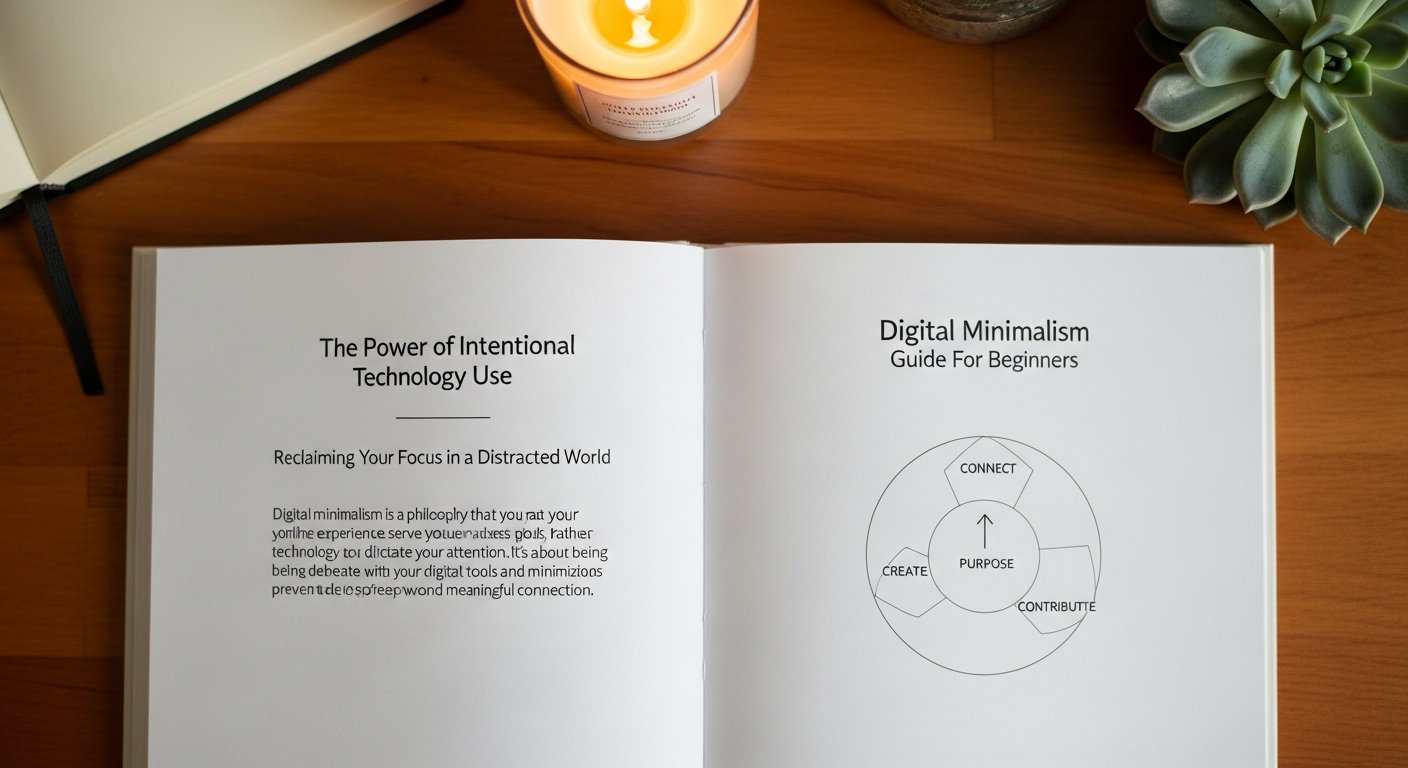
Embarking on digital minimalism doesn’t require a complete overhaul overnight. It’s a gradual process, best approached with a structured plan. This guide will walk you through the essential steps for beginners to effectively declutter and re-engineer their digital lives.
Step 1: Conduct a Comprehensive Digital Audit (1-2 Weeks)
Before you can change your habits, you need to understand them. The digital audit is a period of observation and data collection, without immediate judgment or change. Its purpose is to shine a light on your current technology use.
- Track Your Screen Time: Most smartphones have built-in screen time tracking features (e.g., Apple’s Screen Time, Android’s Digital Wellbeing). Use these to monitor how much time you spend on your phone daily, and more importantly, which apps consume the most time.
- Identify Your Triggers: Pay attention to why you reach for your phone or open certain apps. Are you bored? Stressed? Avoiding a task? Feeling lonely? Recognizing these triggers is crucial for developing alternative, healthier coping mechanisms.
- Categorize Your Digital Activities: Divide your usage into “high-value” (e.g., learning, truly connecting with loved ones, essential work) and “low-value” (e.g., endless scrolling, compulsive checking, passive consumption of irrelevant content). Be honest with yourself about what truly enriches your life versus what just fills time.
- Observe Your Mood: How do you feel after using certain apps or spending extended time online? Do you feel energized, informed, or drained, anxious, and regretful?
During this audit, resist the urge to make drastic changes. Simply observe and gather data. This initial awareness is a powerful catalyst for change.
Step 2: Implement a Digital Declutter & Detox (30 Days Recommended)
Once you have a clear picture of your digital habits, it’s time for action. This step involves a period of significant reduction, often a complete removal, of non-essential technology to reset your relationship with it.
- Identify “Optional” Technologies: Based on your audit, list all technologies you deem “optional” – those that don’t directly support your core professional or personal responsibilities. This typically includes social media apps, most entertainment apps, news apps, and any games.
- The 30-Day Detox: For the next 30 days, completely abstain from all your identified “optional” technologies. Delete the apps, log out of websites, and make them inaccessible. The goal isn’t to live without them forever, but to break the automatic reflexes and cravings associated with them.
- Fill the Void Mindfully: This is the most critical part. When you feel the urge to reach for your phone, have alternative, high-value activities ready. Read a book, go for a walk, call a friend, learn a new skill, engage in a hobby, spend time with family. This period is about rediscovering what truly brings you joy and fulfillment outside the digital realm.
- Communicate Your Intentions: Inform close friends, family, and colleagues about your detox. This helps manage expectations and reduces pressure to be constantly available. It can also be a good opportunity to discuss How To Communicate Better Relationships by explaining your need for less digital interaction and more intentional in-person time.
The 30-day detox is challenging but incredibly rewarding. It allows you to experience life with significantly less digital noise, helping you to differentiate between genuine utility and mere distraction.
Step 3: Reintroduce Technology with Intent (Ongoing)
After your detox, you’re ready to rebuild your digital life, but this time with purpose and control. This phase is about selective reintroduction based on your values.
- The “Minimalist Test”: For each “optional” technology you consider reintroducing, ask yourself:
- Does this tool serve a specific, high-value purpose that cannot be easily replicated by an older, non-digital alternative?
- Is it the absolute best tool for that purpose?
- How will I use it to maximize its value and minimize its downsides?
- Optimize Your Reintroduction:
- Notifications: Keep almost all notifications off. Only enable critical alerts from essential apps.
- Time-Blocking: Schedule specific, limited times for using re-introduced tools. For example, check social media for 15 minutes twice a week, or email only during work hours.
- Single-Purpose Devices: Consider if you can use dedicated devices for specific tasks (e.g., an e-reader for books, not a tablet with distractions).
- “Dumb” Phone Features: Utilize grayscale mode, disable app badges, and keep your home screen clean with only essential tools.
- Prioritize Real-World Connections: Actively seek opportunities for in-person interaction. Make plans with friends, join local clubs, or volunteer. Use technology to facilitate these connections, not replace them. This is a critical step in maintaining healthy relationships and avoiding phubbing.
This phase is about conscious choice. You are not just letting technology back in; you are carefully selecting it and dictating its terms of engagement, ensuring it aligns with your vision for a mindful and intentional life. These are concrete Tips For Healthy Technology Use that will serve you well into 2026 and beyond.
Sustaining Your Minimalist Digital Life: Habits and Boundaries
Adopting digital minimalism is not a one-time event; it’s an ongoing practice that requires consistent effort and adaptation. To make it a sustainable lifestyle, you need to establish robust habits and clear boundaries.
Establish Clear Digital Boundaries and Rules
Boundaries are the invisible fences that protect your mental space and time from digital intrusion. Make them explicit and communicate them to others.
- Device-Free Zones: Designate areas in your home where phones and other screens are not allowed. The bedroom is a prime candidate, promoting better sleep and intimate connection. The dining table is another crucial zone, encouraging present conversation during meals.
- Screen-Free Times: Implement specific hours when you completely disengage from non-essential screens. This could be the first hour after waking up, the last hour before bed, or during family time. These periods allow for reflection, preparation, or winding down without digital noise.
- Notification Strategy: As mentioned, keep notifications off for almost everything. For essential apps, consider a “do not disturb” schedule. Only allow calls from a select “favorites” list if absolute urgency is required.
- Weekend Rules: Consider dedicating specific portions of your weekend to be completely screen-free, or at least social media-free. Use this time for nature, hobbies, or deep conversations.
Communicating these boundaries, particularly to partners, family, and close friends, is vital. It sets expectations and ensures they understand your commitment to being present. This proactive communication is a key element of How To Communicate Better Relationships, fostering mutual respect for each other’s digital habits.
Cultivate Mindful Digital Consumption
Even with essential digital tools, the way you engage with them matters. Mindful consumption transforms passive scrolling into purposeful interaction.
- Purpose Before Opening: Before you open an app or website, ask yourself: “What is my specific purpose for using this right now?” If you don’t have a clear answer, reconsider opening it.
- Time Limits: Utilize app limits (built into most smartphones) for any apps you find yourself overusing, even those you’ve deemed “essential.”
- Single-Tasking: When you’re on your computer for work, close all unnecessary tabs and applications. When you’re checking email, just check email. Avoid the temptation to multitask.
- Curate Your Feeds: Actively unfollow accounts that don’t add value, make you feel negative, or are overly distracting. Seek out content creators and communities that genuinely inspire, educate, or entertain you in a positive way.
- Embrace Slow Consumption: Instead of quickly scanning headlines, take the time to read a well-researched article or watch a thoughtful documentary. Prioritize quality over quantity in your digital intake.
Regular Review and Adjustment
Your digital needs and the technological landscape will evolve. Digital minimalism is not static; it requires periodic review and adjustment.
- Quarterly Audit: Every few months (e.g., quarterly in 2026), conduct a mini-audit of your digital habits. Are new apps creeping in? Are old habits resurfacing?
- Re-evaluate Tools: Are the tools you’ve chosen still the best fit for your values and goals? Is there a new, less distracting alternative?
- Learn and Adapt: Stay informed about new research on technology and well-being. Be open to refining your approach as you learn more about yourself and the digital world.
By embedding these habits and boundaries, digital minimalism becomes less about deprivation and more about a conscious, empowering choice to live a life rich in real-world experiences and connections, free from the constant pull of the digital world.
Digital Minimalism and Your Relationships: Fostering Deeper Connections
The philosophy of digital minimalism isn’t just about individual well-being; it profoundly impacts the quality of our interpersonal relationships. In a world struggling with phubbing and digital distractions, intentionally reducing our digital footprint creates invaluable space for authentic human connection.
Overcoming Phubbing and Enhancing Presence
One of the most insidious effects of digital overload is phubbing – the act of ignoring someone in favour of your phone. This seemingly small act can have significant negative consequences, making the other person feel unheard, disrespected, and undervalued. Digital minimalism directly combats phubbing by encouraging you to put your device away when interacting with others. By committing to device-free meals, conversations, and quality time, you demonstrate respect and genuine interest in the person in front of you. This presence is fundamental to How To Communicate Better Relationships, as it fosters active listening, empathy, and a deeper understanding between individuals. When your phone isn’t a constant third party in your interactions, you create an environment where true connection can flourish.
Creating Space for Important Conversations
Digital distractions don’t just interrupt casual chats; they can also prevent us from having the important, sometimes difficult, conversations that are vital for healthy relationships. Whether it’s discussing future plans, addressing conflicts, or navigating sensitive topics like personal goals, a mind cluttered with digital noise is ill-equipped for such dialogues. Digital minimalism frees up mental bandwidth, allowing you to approach these discussions with clarity, focus, and empathy. This is particularly relevant when considering topics such as How To Talk About Money With Partner. Financial discussions often require undivided attention, clear communication, and a calm environment. When both partners are committed to digital minimalism, they create the mental and physical space to sit down, focus, and genuinely engage with complex financial planning, budgeting, or investment strategies without the constant pull of notifications or the urge to “just check” a social media feed. The intentionality learned through digital minimalism translates directly into more productive and less stressful conversations about critical aspects of shared life.
Setting Healthy Digital Boundaries as a Couple or Family
Digital minimalism is most effective when it’s a shared understanding, if not a shared practice, within a household. Discussing and agreeing upon digital boundaries as a couple or family can strengthen bonds and prevent misunderstandings.
- Shared Device-Free Times: Agree on specific times, like dinner or the hour before bed, where all devices are put away.
- Designated Charging Spots: Establish a central charging station outside of bedrooms to encourage disengagement.
- Open Communication About Habits: Regularly check in with each other about how technology is impacting your relationship. If one partner feels phubbed, they should feel comfortable expressing it without judgment. This ongoing dialogue is an essential part of How To Communicate Better Relationships and adapt to each other’s needs.
- Modeling Behavior: Parents who practice digital minimalism set a powerful example for their children, teaching them balanced technology use from a young age.
By consciously choosing to prioritize real-world interactions over digital ones, digital minimalism empowers us to cultivate deeper, more meaningful connections with the people who matter most. It shifts the focus from passively consuming content to actively engaging with life and loved ones, ensuring that our devices enhance our relationships rather than detracting from them in 2026 and beyond.
Beyond the Screen: A Holistic Approach to Well-being in 2026
Digital minimalism is not an isolated practice; it’s a gateway to a more holistic approach to well-being. By intentionally curating our digital lives, we create ripple effects that positively impact other crucial areas of our existence, ensuring a more balanced and fulfilling life in 2026 and for years to come.
Reinvesting Reclaimed Time and Attention
The time and mental energy liberated by digital minimalism don’t just disappear; they become available for reinvestment into activities that truly nourish your soul and body. This could mean:
- Physical Health: More time for exercise, preparing wholesome meals, or simply getting enough sleep – all of which are often sacrificed at the altar of endless scrolling.
- Personal Growth: Reading books, learning a new language, pursuing a creative hobby, or engaging in mindful practices like meditation. These activities contribute to self-improvement and intellectual stimulation.
- Nature Connection: Spending more time outdoors, whether it’s a walk in the park, gardening, or hiking. Disconnecting from screens allows us to reconnect with the natural world, which has profound benefits for mental and physical health.
- Community Engagement: Volunteering, participating in local events, or simply spending quality time with neighbors. Strong community ties are a cornerstone of human well-being.
This intentional reallocation of resources transforms a restrictive practice into an expansive one, opening doors to a richer and more varied life experience.
Digital Minimalism and Financial Wellness
While often overlooked, there’s a significant link between digital habits and financial health. Mindless digital consumption can lead to impulsive online shopping, subscription fatigue, or even falling prey to online scams. Conversely, digital minimalism can empower you to make more conscious financial decisions.
- Reduced Impulsive Spending: Less time spent browsing online stores, targeted ads, and influencer promotions can significantly reduce the temptation for unnecessary purchases.
- Mindful Subscriptions: Just as you declutter apps, you can audit your digital subscriptions (streaming services, apps, online courses). Are you truly using and deriving value from all of them? Canceling unused subscriptions can free up substantial funds.
- Focused Financial Planning: With less digital distraction, you have more mental clarity to engage with your personal finances. This can mean dedicated time for budgeting, reviewing investments, or researching financial goals. This focused attention can significantly improve your ability to have productive discussions when considering How To Talk About Money With Partner. By minimizing digital noise, you create a calm and focused environment essential for reviewing joint finances, setting shared goals, and making informed decisions without the constant pull of the digital world. You might even intentionally use specific financial apps during dedicated, short periods, turning a potential distraction into a powerful, controlled tool for wealth management.
- Protecting Against Digital Scams: A more discerning and intentional approach to technology makes you less susceptible to phishing attempts, online fraud, and other digital threats that can have severe financial consequences.
By applying minimalist principles to your digital life, you indirectly foster a more mindful approach to your finances, leading to greater security and peace of mind in 2026 and beyond.
Future-Proofing Your Well-being in 2026 and Beyond
As technology continues to evolve at an unprecedented pace, the challenges of digital overload are only likely to intensify. Virtual reality, augmented reality, and increasingly immersive digital environments will demand even greater intentionality to maintain balance. Digital minimalism provides a foundational skill set – critical thinking, intentionality, and self-control – that will be indispensable for navigating these future landscapes. It equips you not with a rigid set of rules, but with an adaptable mindset that allows you to harness technological advancements for your benefit, without surrendering your autonomy or well-being. By embracing digital minimalism today, you are actively investing in your long-term mental, emotional, and relational health, ensuring you remain a conscious agent in your life rather than a passive recipient of digital currents.