

Strong Bones, Strong Women: Key Strategies for Osteoporosis Prevention
Osteoporosis is a silent health issue that disproportionately affects women, particularly in their postmenopausal years. As this condition results in weakened bones and an increased risk of fractures, prevention strategies become crucial for maintaining a high quality of life. Strong bones are the foundation of good health, and ensuring their integrity as women age is not only about mobility but also autonomy and independence.
Recognizing the early signs and risk factors for osteoporosis can lead to proactive measures against bone density loss. In this article, we’ll explore how understanding the disease, proper nutrition, exercise, hormonal balance, and lifestyle choices play pivotal roles in preserving bone health. Take these steps to heart to fortify your frame and keep your bones as sturdy as your spirit. Keep reading to uncover the key strategies women can employ for osteoporosis prevention and better overall health.
Understanding Osteoporosis and Its Impact on Women’s Health
Osteoporosis is often referred to as a silent disease because it can progress undetected until a bone fracture occurs. This condition causes the bones to become porous and fragile, increasing the likelihood of fractures. These fractures can have a profound impact on a woman’s health, resulting in pain, reduced mobility, and, in severe cases, disability.
Women are at a higher risk for osteoporosis due to several factors, including hormonal changes that occur during menopause, which can accelerate bone loss. Furthermore, women generally have smaller, thinner bones compared to men to begin with, making them naturally more susceptible to this condition. The awareness of these differences is vital for early intervention and management.
The good news is that osteoporosis can often be prevented with the right approach to health and wellness. Herself Health offers osteoporosis prevention for women, emphasizing the importance of early screening and individualized care. Through such services, women can better understand their bone health and the necessary steps to protect it.
To grasp the nuances of osteoporosis screening and prevention further, recognizing the symptoms and consulting healthcare professionals are critical steps. Timely bone density tests can help to establish a baseline from which to monitor changes over time, allowing for an individualized approach to prevention and treatment.
The Role of Calcium and Vitamin D in Bone Health

Calcium and vitamin D are essential nutrients for maintaining bone health. Calcium is the key mineral found in bones, while vitamin D improves calcium absorption and bone growth. However, as women age, their bodies become less efficient at absorbing these nutrients, making it crucial to pay attention to diet and supplementation.
A balanced diet rich in calcium can include dairy products, green leafy vegetables, and fortified foods. Nonetheless, calcium intake alone is insufficient if vitamin D levels are low. Sun exposure is a natural source of vitamin D, and it can also be found in foods like fatty fish and egg yolks, or as a supplement.
Monitoring calcium and vitamin D intake is essential for the postmenopausal demographic. As the body’s hormonal landscape changes, the risks associated with inadequate nutrient absorption grow. Therefore, discussing dietary plans and supplement use with a healthcare provider is an important part of any bone health strategy.
Exercise Strategies for Building and Maintaining Bone Density
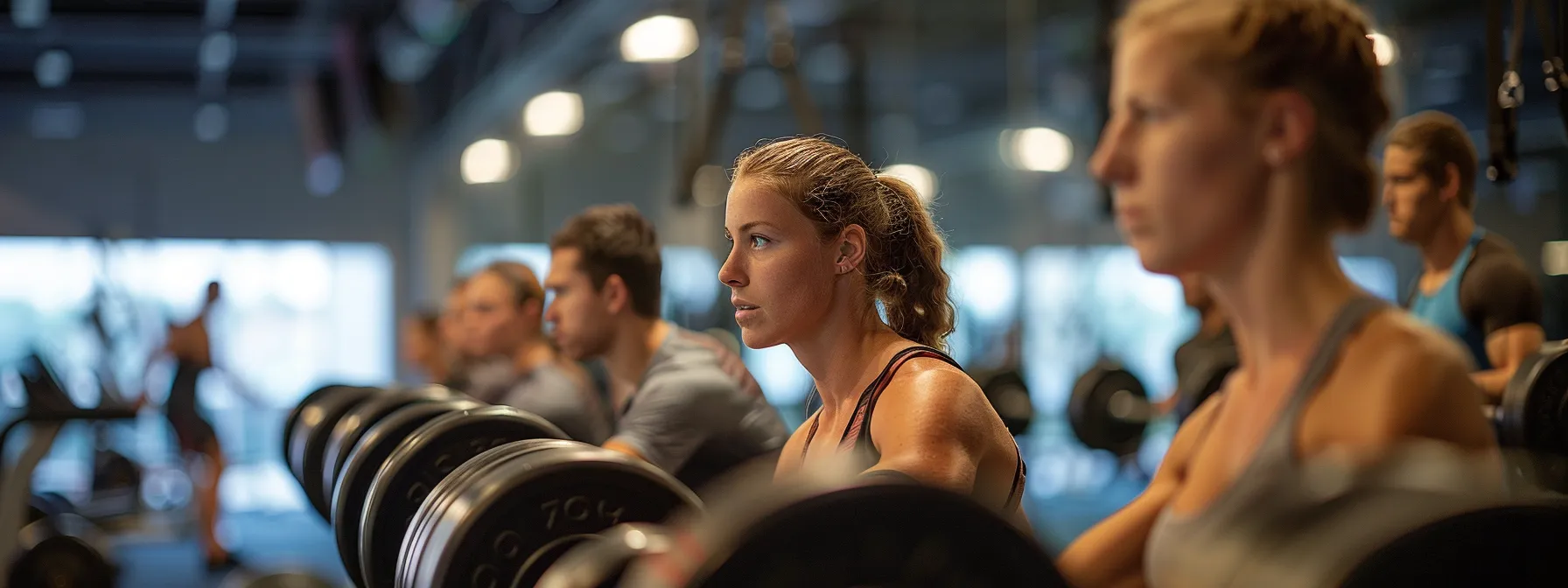
Exercise is a cornerstone of osteoporosis prevention. Weight-bearing and resistance exercises are particularly beneficial because they stimulate bone formation and slow the rate of bone loss. Activities such as walking, jogging, dancing, and lifting weights apply stress to bones, signaling the body to increase bone density.
Consistency in an exercise regimen is key to reaping its bone-strengthening benefits. Incorporating these types of exercises into one’s lifestyle at least several times a week can create a protective effect against bone degradation. Moreover, physical activity also helps to improve balance and coordination, reducing the risk of falls that could lead to fractures.
However, it is imperative for women to exercise safely, especially if bone loss has already begun. Consulting a physical therapist or a certified fitness professional who can tailor a program to an individual’s needs is advisable. This ensures that exercises are performed correctly and effectively, maximizing benefits while minimizing the risk of injury.
Protecting bone health is a multifaceted effort that requires attention to diet, exercise, hormonal factors, and lifestyle. Implementing these strategies for osteoporosis prevention not only contributes to stronger bones but also to a healthier, more vibrant life for women as they age.