
Understanding the Grip: What is Gambling Addiction?
Gambling addiction, clinically known as a gambling disorder or pathological gambling, is a progressive behavioral addiction characterized by a persistent and recurrent problematic gambling behavior leading to clinically significant impairment or distress. Unlike substance addictions, there’s no external substance being ingested, but the brain’s reward pathways are hijacked in a remarkably similar fashion. The “high” from a win, or even the anticipation of one, floods the brain with dopamine, creating a powerful craving that can be incredibly difficult to resist. This isn’t a mere weakness of will; it’s a complex interplay of psychological, biological, and environmental factors that fundamentally alter how an individual thinks about and responds to gambling.
The signs of gambling addiction can be subtle at first, often escalating over time. They might include an increasing preoccupation with gambling, a need to gamble with increasing amounts of money to achieve the desired excitement, restlessness or irritability when attempting to cut down or stop gambling, and repeated unsuccessful efforts to control, cut back, or stop gambling. Individuals often gamble when feeling distressed, chasing losses, or lying to conceal the extent of their involvement. They may jeopardize or lose significant relationships, jobs, or educational/career opportunities because of gambling, and rely on others to provide money to relieve desperate financial situations caused by gambling.
Psychologically, the addiction thrives on distorted thinking patterns. Gamblers often harbor irrational beliefs about luck, chance, and their ability to predict outcomes. They might believe they have a “system,” or that a big win is just around the corner, even after significant losses. This cognitive distortion, coupled with the intense emotional highs and lows, creates a powerful cycle that can feel impossible to break. The anticipation itself becomes a potent force, overshadowing rational thought and driving compulsive behavior. It’s crucial to understand that this isn’t about moral failing; it’s about a deeply ingrained behavioral pattern that requires professional intervention and a structured approach to recovery.
The Ripple Effect: How Gambling Addiction Harms Relationships and Well-being
The consequences of gambling addiction extend far beyond the individual, creating a devastating ripple effect that touches every aspect of their life and the lives of those around them. Here at Stop Phubbing, we understand the importance of healthy relationships and mindful living, and gambling addiction directly undermines both.
Erosion of Trust and Communication Breakdown
One of the most immediate and painful casualties of gambling addiction is trust. Constant lying about losses, hiding gambling activities, and manipulating finances create deep fissures in relationships. Spouses, partners, and family members often feel betrayed, angry, and confused. Communication suffers immensely as the addicted individual becomes secretive and defensive, and loved ones become wary and anxious. This breakdown in open dialogue can leave families feeling fractured and isolated, turning what should be a safe haven into a battleground of suspicion and despair. When considering 3 things to know before starting a family, understanding and addressing potential addictive behaviors is paramount, as the foundation of trust is crucial for any successful partnership, especially one embarking on parenthood.
Financial Ruin and Instability
The financial toll of gambling addiction is often catastrophic. Savings accounts are depleted, retirement funds are wiped out, mortgages are defaulted on, and debts accumulate rapidly through loans, credit cards, or even illegal means. This financial instability creates immense stress, leading to arguments, homelessness, and even bankruptcy. The dream of a secure future, of planning for children’s education or a comfortable retirement, can evaporate overnight. The constant pressure of debt and the desperate need for money to gamble further fuel the cycle of addiction, making recovery seem even more daunting.
Mental and Emotional Distress
For the individual struggling with gambling addiction, mental and emotional well-being plummets. Shame, guilt, anxiety, and depression are pervasive. They may experience extreme mood swings, irritability, and a sense of hopelessness. The constant stress of hiding the addiction and chasing losses can lead to severe mental health issues, including suicidal ideation. For family members, the emotional burden is equally heavy. They may suffer from anxiety, depression, anger, and feelings of helplessness, often experiencing vicarious trauma as they witness their loved one’s downward spiral. The entire family system becomes saturated with stress, making mindful living and presence virtually impossible.
Impact on Career and Social Life
Gambling addiction can severely impact an individual’s career. Preoccupation with gambling can lead to poor performance, absenteeism, and ultimately job loss. The financial stress can also lead to desperate measures, even embezzlement, which carries legal consequences. Socially, the addiction often leads to isolation. Hobbies are abandoned, friendships wither, and the individual retreats further into their secret world of gambling, losing touch with healthy social connections and activities that once brought joy and fulfillment. Rebuilding a healthy social life and finding new, positive outlets are critical components of long-term recovery.
Recognizing these devastating impacts is the first step towards seeking help. The journey of recovery isn’t just about stopping gambling; it’s about repairing the damage, rebuilding trust, restoring financial stability, and fostering a renewed sense of self-worth and connection. This holistic approach is where CBT truly shines, offering practical tools to address the root causes and pave the way for a healthier, more mindful existence.
CBT: A Lighthouse in the Storm – Core Principles and Benefits
The Core Principle: Thoughts, Feelings, Behaviors
At the heart of CBT is the understanding that our thoughts directly influence our feelings, which in turn drive our behaviors. For someone with a gambling addiction, this means that irrational or distorted thoughts (e.g., “I’m due for a big win,” “I can control it this time,” “Gambling is my only escape”) lead to intense urges and emotional distress, which then trigger the compulsive behavior of gambling. CBT helps individuals identify these problematic thought patterns, challenge their validity, and ultimately change their behavioral responses. It’s about breaking the automatic cycle and introducing conscious, healthier choices.
Why CBT is Exceptionally Effective for Addiction
CBT is particularly well-suited for treating behavioral addictions like gambling for several key reasons:
- Focus on Skill Building: CBT isn’t just about talking; it’s about learning concrete skills and strategies that can be applied in real-life situations. This empowers individuals to become their own therapists, equipped with tools to cope with cravings, manage triggers, and prevent relapse.
- Addressing Cognitive Distortions: Gambling addiction is heavily fueled by erroneous beliefs about chance, luck, and personal control. CBT directly targets these cognitive distortions, helping individuals to think more realistically and rationally about gambling.
- Behavioral Change: While thoughts are central, CBT also focuses heavily on modifying behavior. It helps individuals develop alternative coping mechanisms for stress, boredom, or emotional distress that previously led to gambling.
- Relapse Prevention: A significant component of CBT is dedicated to identifying high-risk situations and developing proactive strategies to prevent relapse. This forward-looking approach is crucial for sustained recovery.
- Empowerment Through Self-Awareness: By understanding the interplay between their thoughts, feelings, and behaviors, individuals gain a powerful sense of control over their addiction. They learn to recognize triggers, challenge urges, and make deliberate choices that align with their recovery goals. This self-awareness is a cornerstone of mindful living.
Benefits of Embracing CBT for Gambling Addiction
Engaging in CBT offers a multitude of benefits that extend beyond simply stopping gambling:
- Improved Coping Skills: Individuals learn healthier ways to deal with stress, anxiety, boredom, and other emotions that previously triggered gambling.
- Enhanced Self-Esteem: As progress is made and control is regained, self-worth and confidence naturally increase.
- Better Decision-Making: Learning to challenge irrational thoughts improves overall decision-making abilities in all areas of life.
- Stronger Relationships: By addressing the addiction and developing better communication skills, relationships can begin to heal and flourish. This is a vital step towards achieving the 4 ways to maintain a healthy marriage, as open communication and trust are paramount.
- Financial Stability: With gambling stopped, individuals can begin to rebuild their financial health, creating a foundation for a more secure future.
- A More Mindful Life: CBT encourages self-reflection and present-moment awareness, aligning perfectly with the principles of mindful living promoted by Stop Phubbing.
CBT provides a structured, evidence-based roadmap out of the labyrinth of addiction. It’s not a quick fix, but a journey of self-discovery and empowerment that equips individuals with the resilience and tools needed to forge a life free from the grip of gambling.
Practical CBT Tools for Rebuilding Your Life, Step-by-Step
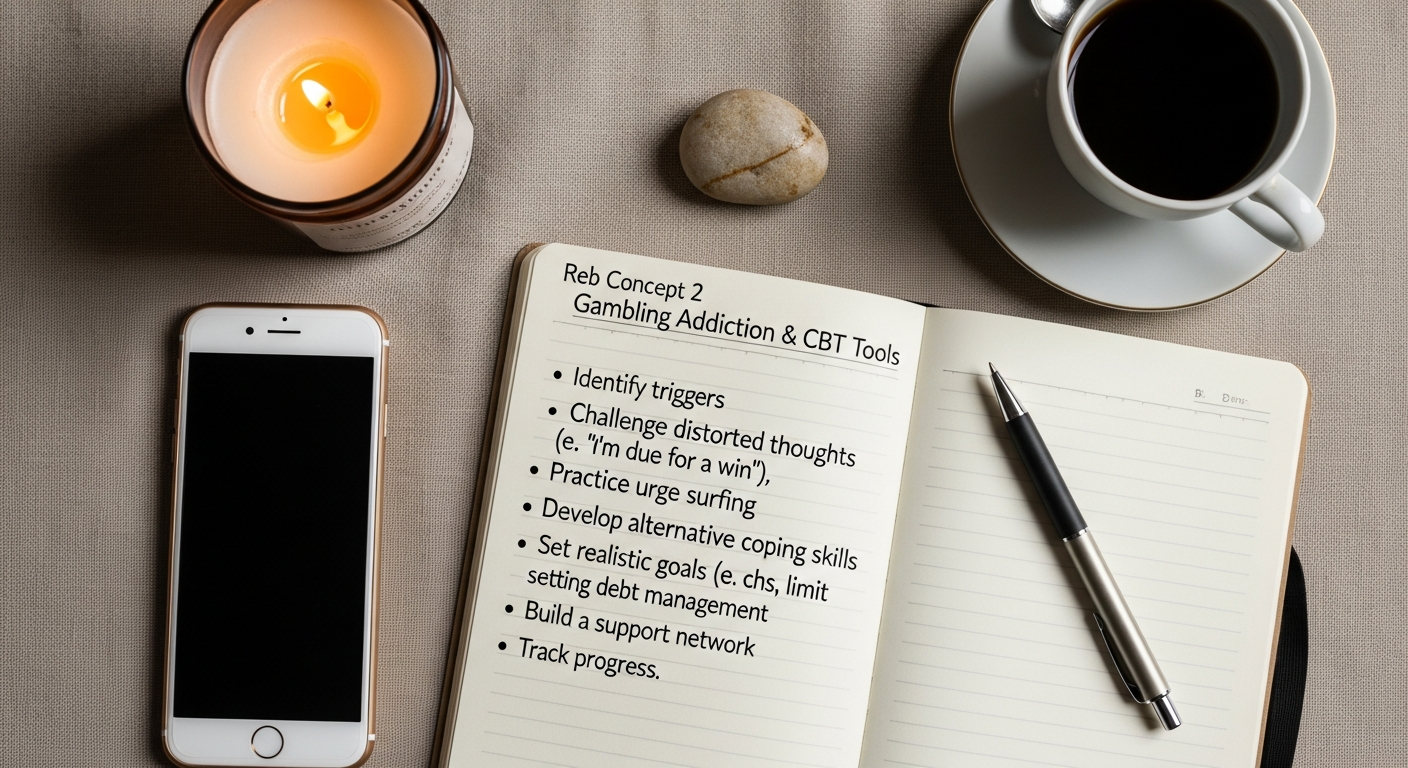
CBT is not merely a theoretical framework; it’s a toolbox filled with practical, actionable strategies that empower individuals to take control of their recovery. Here are some key CBT tools and how they can be applied to rebuild your life after gambling addiction:
1. Cognitive Restructuring: Challenging Distorted Thoughts
This is arguably the cornerstone of CBT. Gambling addiction is often fueled by a host of irrational beliefs and cognitive distortions. Cognitive restructuring involves identifying these unhelpful thoughts, examining the evidence for and against them, and replacing them with more realistic and balanced alternatives.
- Thought Records: A common tool is the “thought record” or “thought diary.” When you experience an urge to gamble or a strong emotion related to gambling, you write down:
- The Situation: What happened? Where were you?
- Your Thoughts: What specific thoughts went through your mind? (e.g., “I know this machine is due for a payout,” “I can win back my losses,” “I just need a quick escape.”)
- Your Feelings: What emotions did you experience? (e.g., anxiety, excitement, despair, frustration.)
- Evidence FOR the thought: What evidence supports this thought?
- Evidence AGAINST the thought: What evidence contradicts this thought? (e.g., “I’ve never successfully predicted a payout,” “Chasing losses always leads to more losses,” “Gambling always makes me feel worse in the long run.”)
- Alternative/Balanced Thought: What’s a more realistic and helpful way to think about this situation? (e.g., “Gambling outcomes are random; I have no control,” “Chasing losses is a fallacy that only leads to deeper debt,” “I can find healthier ways to cope with stress.”)
- Re-evaluate Feelings: How do you feel now after considering the balanced thought?
- Decatastrophizing: Often, individuals with gambling addiction fear the worst-case scenario if they don’t gamble or if they face their financial realities. Decatastrophizing helps you evaluate whether your fears are realistic and develop a plan for coping even if the worst happens.
- Socratic Questioning: Your therapist will guide you through a series of questions to help you challenge your own assumptions and biases about gambling, rather than simply telling you what to think.
2. Behavioral Experiments: Testing Beliefs and Trying New Actions
Cognitive restructuring helps change thoughts, but behavioral experiments help change actions. This tool involves setting up “experiments” to test your beliefs about gambling and to practice new, healthier behaviors.
- Exposure and Response Prevention (ERP): While more commonly associated with OCD, elements of ERP can be adapted. This involves gradually exposing yourself to gambling-related cues (e.g., walking past a casino, seeing an online gambling ad) without engaging in the gambling behavior. This helps to reduce the power of the cue over time.
- Activity Scheduling: Create a schedule filled with alternative, positive activities that bring genuine pleasure and purpose. This combats boredom and fills the void that gambling once occupied. This could include reconnecting with old hobbies, exercising, volunteering, or spending quality time with family. When you plan activities like How to plan the perfect family vacation, you’re engaging in positive future-oriented behavioral experiments that reinforce a life free from addiction.
- Urge Surfing: Learn to ride out intense urges to gamble like a wave. Acknowledge the urge, notice its physical sensations, and remind yourself that it will pass without you having to act on it. This mindful approach helps to detach from the compulsion.
- Stimulus Control: Identify and avoid triggers that lead to gambling. This might mean blocking gambling websites, uninstalling apps, closing betting accounts, avoiding specific routes that pass casinos, or limiting access to money.
3. Mindfulness and Distress Tolerance: Managing Urges and Emotions
These skills, often borrowed from Dialectical Behavior Therapy (DBT), are invaluable for managing the intense emotions and urges that accompany addiction recovery.
- Mindful Breathing: Practicing mindful breathing can help ground you in the present moment, reducing anxiety and creating a space between an urge and your reaction.
- Body Scan Meditation: Tune into your body’s sensations without judgment. This increases self-awareness and can help you identify early signs of stress or urges.
- Distraction Techniques: When an urge hits, engage in an intense, short-term distraction like listening to loud music, taking a cold shower, or doing a vigorous exercise.
- Self-Soothing: Engage your five senses to comfort yourself. This could be listening to calming music, lighting a scented candle, taking a warm bath, or eating a favorite healthy snack.
4. Relapse Prevention Strategies: Building Resilience for the Long Term
Recovery is a journey, not a destination. CBT equips individuals with strategies to anticipate and prevent relapse.
- Identifying High-Risk Situations: Work with your therapist to pinpoint specific triggers (e.g., stress, loneliness, certain people, places, times of day, financial pressure).
- Developing Coping Plans: For each high-risk situation, create a detailed plan of action. What will you do? Who will you call? What alternative behavior will you engage in?
- Reviewing Progress and Learning from Setbacks: Understand that a slip is not a full-blown relapse. CBT teaches you to analyze what went wrong, learn from it, and get back on track without shame or self-condemnation.
- Building a Support Network: Integrate family, friends, and support groups (like Gamblers Anonymous) into your recovery plan. Having people to lean on and be accountable to is crucial.
5. Goal Setting and Future Planning: Creating a Meaningful Life
Beyond stopping gambling, CBT helps individuals envision and build a fulfilling life. This involves setting realistic, achievable goals that bring purpose and joy.
- Short-Term Goals: These might include attending a certain number of therapy sessions, practicing a specific CBT tool daily, or spending a set amount of time on a new hobby.
- Long-Term Goals: These often involve rebuilding finances, repairing relationships, pursuing educational or career aspirations, and planning positive life events. For example, setting a goal to save up for the perfect family vacation by 2026 can be a powerful motivator, demonstrating tangible progress and a commitment to a healthier future.
By diligently applying these CBT tools, individuals can systematically dismantle the addictive cycle, challenge destructive thought patterns, and cultivate a robust set of coping skills, paving the way for a life of sobriety, stability, and genuine connection.
Beyond CBT: Holistic Strategies for Lasting Recovery
While CBT provides an incredibly powerful framework for overcoming gambling addiction, a truly comprehensive and lasting recovery often benefits from a holistic approach that addresses all facets of an individual’s life. At Stop Phubbing, we advocate for mindful living that integrates mental, emotional, physical, and relational well-being.
1. Engaging with Support Groups
Peer support groups like Gamblers Anonymous (GA) offer an invaluable layer of support that complements individual therapy. In these groups, individuals share their experiences, strengths, and hopes, creating a sense of belonging and reducing feelings of isolation. The anonymity provides a safe space for honesty, and hearing from others who have walked a similar path can be incredibly validating and motivating. GA’s 12-step program provides a spiritual, yet non-denominational, framework for personal growth and sustained recovery. Finding a community that understands your struggle is a vital component of rebuilding your life and fostering healthy connections.
2. Family Therapy and Relationship Repair
Given the devastating impact gambling addiction has on relationships, family therapy can be instrumental in the healing process. It provides a structured environment for open communication, allowing family members to express their hurt, anger, and fears, and for the individual in recovery to take responsibility and make amends. Family therapy can help rebuild trust, establish new boundaries, and develop healthier communication patterns. When thinking about 4 ways to maintain a healthy marriage, active participation in family therapy to address the fallout of addiction is a powerful demonstration of commitment to repair and rebuild the marital bond on a foundation of honesty and renewed understanding.
3. Financial Counseling and Debt Management
Addressing the financial wreckage left by gambling addiction is a critical step towards rebuilding. Professional financial counseling can help individuals create realistic budgets, develop debt repayment plans, and establish safeguards to prevent future financial mismanagement. This might involve setting up direct deposit into accounts inaccessible for gambling, delegating financial management to a trusted partner, or even declaring bankruptcy if necessary. Taking concrete steps to regain financial control reduces stress and provides a tangible measure of progress in recovery, laying the groundwork for a stable future.
4. Lifestyle Changes and Healthy Hobbies
Recovery is not just about stopping an old behavior; it’s about building a new, fulfilling life. This involves intentionally cultivating healthy lifestyle changes and discovering new interests that bring genuine joy and purpose. This could include:
- Physical Activity: Exercise is a powerful stress reliever and mood booster. Engaging in sports, going for walks, or joining a gym can provide a healthy outlet for energy and improve overall well-being.
- New Hobbies: Reconnecting with old passions or exploring new ones (e.g., art, music, gardening, reading, cooking) can fill the void left by gambling and provide a sense of accomplishment.
- Mindful Practices: Integrating meditation, yoga, or simple mindful moments into daily life can enhance self-awareness, reduce stress, and strengthen the ability to manage urges. This aligns perfectly with the core philosophy of Stop Phubbing.
- Digital Wellness: Given the prevalence of online gambling, practicing digital wellness is crucial. This might involve setting screen time limits, removing gambling apps, blocking gambling sites, and intentionally disconnecting from devices to engage with the real world and real people.
5. Addressing Co-occurring Conditions
Gambling addiction often co-occurs with other mental health conditions such as depression, anxiety, or substance abuse. A holistic recovery plan must include screening for and treating these underlying or co-existing issues. Integrated treatment ensures that all aspects of an individual’s mental health are addressed, leading to more sustainable recovery outcomes.
By combining the targeted strategies of CBT with these holistic approaches, individuals create a robust and comprehensive pathway to recovery. It’s a commitment to total well-being, fostering resilience, reconnecting with loved ones, and building a life that is truly rich, meaningful, and free from the chains of addiction. The journey may be challenging, but with dedication and the right support, a vibrant and mindful future is not only possible but within reach by 2026.
Embracing a New Chapter: A Future of Hope and Connection
The journey out of the depths of gambling addiction and into a life of recovery is one of profound courage, resilience, and transformation. It’s a testament to the human spirit’s capacity for change and growth, even after facing immense challenges. At Stop Phubbing, we believe that true well-being stems from conscious choices, healthy connections, and a mindful approach to how we engage with the world and our loved ones. Overcoming gambling addiction is not merely about stopping a destructive behavior; it is about reclaiming your agency, rebuilding your inner world, and repairing the vital relationships that make life meaningful.
Through the structured, empowering tools of Cognitive Behavioral Therapy, you gain an invaluable roadmap. You learn to dissect the thought patterns that fuel the addiction, develop robust coping mechanisms for urges and emotional distress, and proactively plan for a future free from its grip. Coupled with the unwavering support of groups like Gamblers Anonymous, the healing power of family therapy, the practical steps of financial counseling, and the embrace of a healthier lifestyle, you are not just recovering; you are evolving.
Imagine a future where your energy is channeled into positive pursuits, where trust is restored in your most cherished relationships, and where financial stability allows you to plan joyful experiences, perhaps even the perfect family vacation, without the shadow of debt or deceit. This future is not a distant dream; it is the tangible result of the hard work and dedication you invest in your recovery today. By 2026, you can look back on this period as the pivotal turning point where you chose self-compassion, accountability, and the pursuit of a life truly lived – present, mindful, and deeply connected. The path to recovery is a continuous one, but with each mindful step, you build a stronger, more resilient self, ready to embrace a future brimming with hope and genuine connection.
Frequently Asked Questions
Recommended Resources
Check out Somatic Therapy What Is It And How It Works on Heartbeat Reggae for a deeper dive.
For more on gambling addiction and, see Best Playlist For Anxiety And Stress Relief on Heartbeat Reggae.