
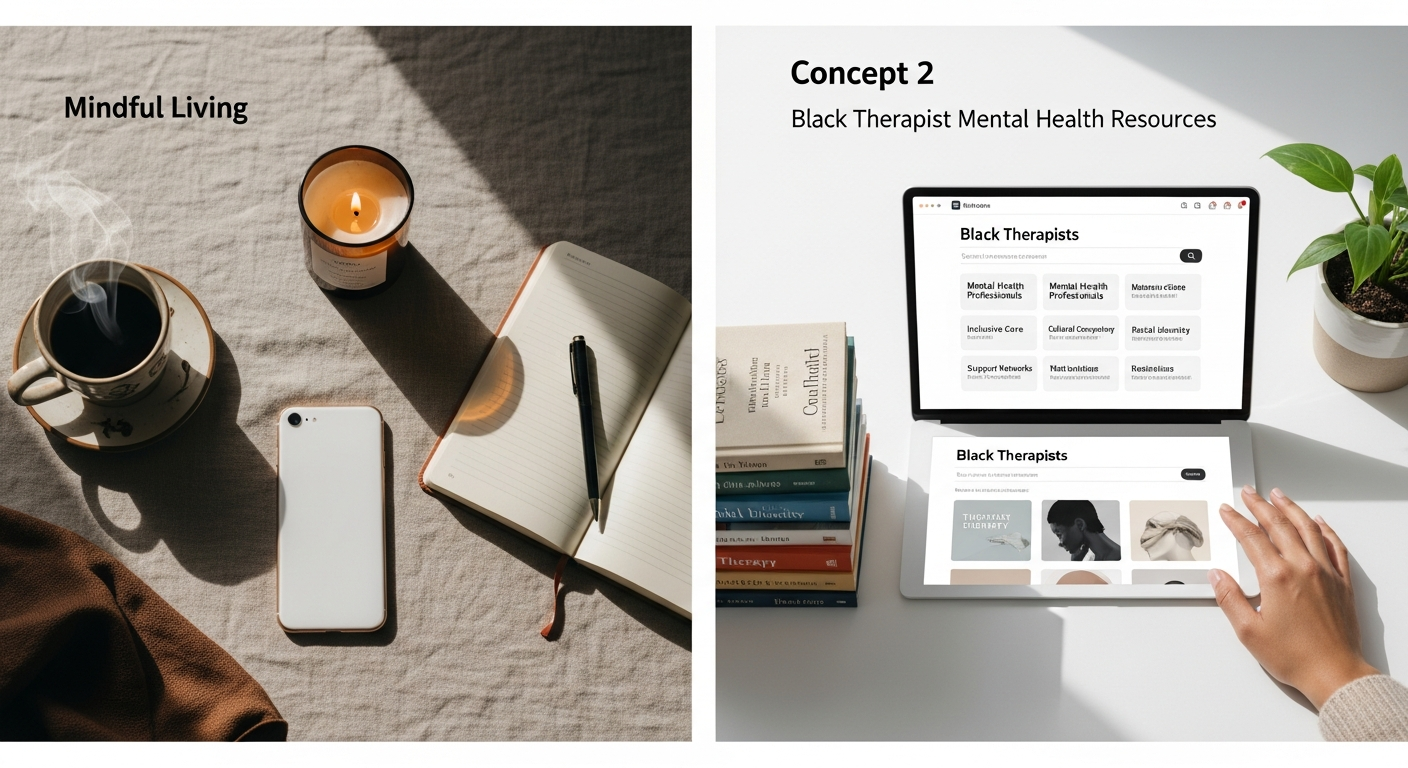
Understanding the Unique Need for Black Therapists and Culturally Competent Care
The landscape of mental health is not monolithic; it is shaped by individual experiences, cultural backgrounds, and societal interactions. For Black individuals, seeking mental health support often involves navigating systemic barriers, historical trauma, and the daily realities of racism, microaggressions, and implicit bias. These factors can significantly impact one’s mental well-being and influence the effectiveness of therapeutic interventions if not properly understood and addressed by a mental health professional.
The Power of Shared Identity and Experience
One of the primary reasons many Black individuals specifically seek a Black therapist is the profound understanding that can come from shared identity and lived experience. When your therapist shares a similar racial or cultural background, there’s an inherent level of trust and familiarity that can accelerate the therapeutic process. You might find yourself spending less time explaining the nuances of your experiences related to race, culture, or family dynamics, and more time delving into the core issues. This can be particularly impactful when discussing issues like racial trauma, navigating code-switching, or dealing with the mental load of being a Black person in predominantly white spaces.
- Reduced Need for Explanation: A Black therapist often possesses an innate understanding of cultural context, historical trauma, and systemic racism, meaning you might not need to educate them on fundamental aspects of your identity or experiences.
- Enhanced Trust and Safety: The therapeutic relationship is built on trust. For many, a shared racial identity can foster a deeper sense of safety and psychological comfort, making it easier to open up about sensitive topics.
- Validation of Experiences: Having a therapist who understands the unique stressors faced by the Black community can lead to greater validation of your feelings and experiences, which is crucial for healing.
- Addressing Intergenerational Trauma: Black communities often carry the weight of intergenerational trauma stemming from slavery, Jim Crow laws, and ongoing systemic oppression. A Black therapist is often uniquely equipped to help process these deeply rooted wounds.
Moreover, a culturally competent therapist, particularly one who shares your background, can help you explore how societal pressures and expectations affect your relationships – not just with others, but also with technology. In an age where digital connection can sometimes replace genuine human interaction, understanding these dynamics is vital for mindful living and for stopping habits like phubbing, which erode real-life connections.
Addressing Stigma and Historical Mistrust
Historically, the Black community has faced significant mistrust of the medical system, including mental healthcare, due to past abuses and ongoing disparities. This historical context contributes to a lingering stigma around mental health discussions. A Black therapist can often better understand and help navigate this stigma, creating an environment where seeking help is normalized and encouraged. They can serve as a bridge, helping to deconstruct misconceptions and foster a more open dialogue about mental health within families and communities, which is a foundational step towards healthier relationships, much like the proactive steps one might consider for “3 things to know before starting a family,” where open communication about mental well-being is paramount.
Navigating the Search: Key Considerations for Finding a Black Therapist
The journey to finding the right therapist is a personal one, requiring patience and diligence. While the desire for a Black therapist is a significant starting point, there are several other factors to consider to ensure you find the best possible fit for your individual needs. Remember, this is about finding a guide who can help you cultivate a more mindful and connected life.
Defining Your Needs and Preferences
Before you even begin your search, take some time to reflect on what you’re looking for in a therapist and what you hope to achieve through therapy. This introspection will help narrow your focus and make your search more efficient.
- Therapeutic Modalities: Are you interested in a specific type of therapy, such as Cognitive Behavioral Therapy (CBT), Dialectical Behavior Therapy (DBT), Eye Movement Desensitization and Reprocessing (EMDR) for trauma, psychodynamic therapy, or family systems therapy? Many therapists specialize in particular approaches.
- Areas of Specialization: Do you need support with anxiety, depression, grief, relationship issues, trauma, racial identity, career stress, or something else? Look for therapists who list these as their specialties.
- Gender Preference: While not essential for everyone, some individuals feel more comfortable with a therapist of a particular gender.
- Logistics: Consider location (if seeking in-person therapy), availability (days and times), and whether you prefer virtual or in-person sessions. Virtual therapy has expanded access significantly, especially for those in areas with fewer Black therapists.
- Therapist’s Approach: Do you prefer a therapist who is more directive and provides homework, or one who is more reflective and allows you to lead the conversation?
Questions to Ask During an Initial Consultation
Most therapists offer a brief initial consultation (often 10-15 minutes, sometimes free) to determine if there’s a good fit. This is your opportunity to ask questions and gauge their approach.
- “What is your approach to therapy, and what modalities do you primarily use?”
- “What experience do you have working with Black clients and addressing issues related to race, culture, and identity?”
- “How do you incorporate cultural competence into your practice?”
- “What are your fees, and do you offer a sliding scale or accept my insurance?”
- “What does a typical session look like with you?”
- “How do you measure progress in therapy?”
- “What is your availability, and how quickly can I schedule an appointment?”
Pay attention to how they answer, and more importantly, how you feel during the conversation. Do you feel heard? Do they seem empathetic? Is there a sense of rapport? These gut feelings are crucial for establishing a successful therapeutic relationship, much like the mindful communication that forms “4 ways to maintain a healthy marriage.”
Top Online Directories and Platforms for Finding Black Therapists
Dedicated Platforms for Black Mental Health
These platforms are specifically designed to serve the Black community, making your search more focused and efficient:
- Therapy for Black Girls (TFBG): Perhaps one of the most well-known platforms, Therapy for Black Girls is an online community and directory that connects Black women and girls with culturally competent therapists. It offers a wealth of resources, a podcast, and a vibrant online community, making it a holistic space for mental wellness. Their directory allows you to filter by location, specialty, and insurance.
- Therapy for Black Men: A similar initiative to TFBG, Therapy for Black Men focuses on providing mental health resources and connecting Black men with therapists who understand their unique challenges and experiences. It aims to reduce stigma and promote healing within this often underserved demographic.
- Black Emotional and Mental Health Collective (BEAM): BEAM is a national training, movement building, and grant-making institution that is dedicated to the healing, wellness, and liberation of Black communities. While not solely a therapist directory, they offer a comprehensive resource list, including a directory of Black therapists, community-based mental health organizations, and various wellness initiatives.
- Inclusive Therapists: This platform features a diverse directory of therapists, including a robust selection of Black therapists, who are committed to social justice and intersectional care. You can filter by identity, specialization, and even by therapists who offer sliding scale fees.
General Directories with Strong Filtering Options
Beyond the dedicated platforms, several mainstream directories offer extensive filtering capabilities that can help you find Black therapists:
- Psychology Today: One of the largest directories, Psychology Today allows you to filter therapists by race/ethnicity, gender, specialty, insurance, and location. Many therapists also have detailed profiles where they discuss their approach to cultural competence.
- TherapyDen: This platform is known for its progressive stance and allows for very specific searches, including filters for race, LGBTQ+ affirming, and various specialties.
- GoodTherapy: GoodTherapy emphasizes ethical and effective therapy, and its directory allows you to search by ethnicity, specialty, and location, providing detailed profiles of therapists.
- Zocdoc: Primarily used for booking medical appointments, Zocdoc also includes mental health professionals and allows filtering by race, specialty, and insurance, often showing real-time availability.
When using these platforms in 2026, be sure to utilize all available filters. Read therapist profiles carefully, looking for explicit statements about cultural competence, experience with racial trauma, and an understanding of the Black experience. Many therapists will include this information to help clients determine if they are a good fit.
Community and Local Resources: Beyond Online Searches
While online directories offer unparalleled reach, sometimes the most profound connections are found within our own communities. Local organizations, community centers, and word-of-mouth recommendations can be powerful avenues for finding a Black therapist and building a supportive network. Connecting with your local community can be incredibly enriching, much like the deep satisfaction derived from “How to plan the perfect family vacation” – it’s about intentional planning and leveraging local knowledge for a positive outcome.
Leveraging Your Local Network
Don’t underestimate the power of personal recommendations. Talk to trusted friends, family members, or community leaders who may have personal experience with therapy or know of reputable Black therapists in your area. Often, a personal referral comes with an implicit vetting process and can provide invaluable insights into a therapist’s style and effectiveness.
- Word-of-Mouth: Ask trusted individuals in your life if they have recommendations. Be mindful of privacy, but a personal referral can be a strong starting point.
- Community Leaders: Pastors, religious leaders, barbers, hairstylists, or community organizers often have deep connections within the Black community and may be aware of mental health resources or individual therapists.
- Support Groups: Joining local support groups for specific issues (e.g., grief, anxiety, racial trauma) can not only provide peer support but also lead to recommendations for therapists who specialize in those areas and are culturally competent.
Exploring Local Organizations and Institutions
Many cities and towns have organizations dedicated to serving the Black community, and these can be excellent resources for mental health support.
- Black Churches and Faith-Based Organizations: Many Black churches offer pastoral counseling, support groups, or have relationships with mental health professionals in the community. They can often provide referrals to therapists who are culturally and spiritually attuned.
- Community Mental Health Centers: These centers often provide services on a sliding scale and may have diverse staff. Inquire specifically about their Black therapists or programs designed for the Black community.
- Local Chapters of National Organizations: Look for local chapters of organizations like the National Alliance on Mental Illness (NAMI) or the Association of Black Psychologists (ABPsi). These organizations often have local directories or can provide referrals.
- Universities and Colleges: University counseling centers (especially those with diverse student bodies or psychology departments) often have Black therapists on staff or can provide referrals to graduate students in training who offer low-cost therapy under supervision.
- Non-Profit Organizations: Many non-profits are dedicated to mental health in underserved communities. Search for local organizations that specifically serve the Black community or focus on racial justice and well-being.
Visiting local Black-owned businesses, cultural centers, or community events can also open doors to information and connections that aren’t readily available online. These spaces are often hubs of information and support, reflecting the strength and resilience of the community.
Financial Considerations and Access to Care
One of the most significant barriers to mental health care is often financial. Understanding how to navigate insurance, explore low-cost options, and advocate for affordable care is crucial in your search for a Black therapist. Don’t let financial concerns deter you; there are numerous avenues to make therapy accessible.
Understanding Insurance and Payment Options
Navigating insurance can feel like a maze, but a little preparation can go a long way.
- In-Network vs. Out-of-Network:
- In-Network: Therapists who are “in-network” with your insurance plan have a direct contract with your insurance company, meaning you typically only pay a co-pay or co-insurance.
- Out-of-Network (OON): If a therapist is out-of-network, you might pay their full fee upfront and then submit a “superbill” (an itemized receipt) to your insurance company for partial reimbursement. Check your OON benefits, as some plans cover a significant portion.
- Sliding Scale Fees: Many therapists offer a sliding scale, meaning their fees are adjusted based on your income and ability to pay. Don’t hesitate to ask therapists if they offer this option during your initial consultation. This is a common practice to increase accessibility.
- Employer Assistance Programs (EAPs): Check if your employer offers an Employee Assistance Program. EAPs often provide a limited number of free therapy sessions or referrals to therapists, which can be a great starting point.
- Health Savings Accounts (HSAs) and Flexible Spending Accounts (FSAs): If you have an HSA or FSA, you can use these tax-advantaged accounts to pay for therapy services.
Exploring Low-Cost and Free Therapy Options
Even without insurance or significant financial resources, mental health support is often within reach.
- Community Mental Health Centers: These centers are often government-funded or non-profit and provide services on a sliding scale or at very low cost, sometimes even free, especially for those with low income.
- University Training Clinics: Psychology or counseling departments at universities often operate clinics where graduate students provide therapy under the supervision of licensed professionals. These services are typically high-quality and offered at a significantly reduced rate.
- Non-Profit Organizations and Grant Programs: Several non-profits specifically focus on providing free or low-cost therapy to the Black community. Organizations like The Loveland Foundation, Boris Lawrence Henson Foundation (BLHF), and Sista Afya Community Mental Wellness offer financial assistance or directories of affordable therapists. Researching these can lead to direct financial support for your therapy.
- Group Therapy: Group therapy is often more affordable than individual therapy and can be incredibly effective, providing a sense of community and shared experience. Many Black therapists facilitate culturally specific group therapy sessions.
When discussing finances, be transparent with potential therapists. Many are willing to work with clients to make therapy accessible. Remember, investing in your mental health is an investment in your overall well-being and your capacity to build strong, mindful relationships, whether it’s navigating “3 things to know before starting a family” or simply having the clarity to genuinely connect with loved ones without the distraction of technology.
Preparing for Your First Session and Building a Therapeutic Relationship
Once you’ve found a Black therapist and scheduled your first session, it’s natural to feel a mix of excitement and apprehension. This initial meeting is a crucial step in building a strong therapeutic alliance, which is the foundation for effective therapy. Approaching it with mindfulness and clear intentions can set the stage for a productive journey.
What to Expect in Your First Session
The first session, often called an intake session, is typically different from subsequent sessions. It’s an opportunity for your therapist to gather information about your history, current concerns, and goals, and for you to learn more about their approach.
- Information Gathering: Your therapist will likely ask about your background, family history, mental health history, significant life events, and why you’re seeking therapy now. Be as open and honest as you feel comfortable.
- Setting Goals: You’ll discuss your hopes and expectations for therapy. What do you want to achieve? What changes do you want to see in your life?
- Confidentiality and Boundaries: Your therapist will explain the limits of confidentiality, their policies, and what you can expect regarding scheduling and communication.
- Building Rapport: While it’s an information-heavy session, it’s also a chance to assess the connection. Does your therapist listen attentively? Do you feel understood and respected?
Remember that therapy is a collaborative process. You don’t have to have all the answers in the first session. It’s a starting point for exploration and growth.
Fostering a Strong Therapeutic Alliance
The relationship you build with your therapist is paramount. A strong therapeutic alliance is characterized by trust, mutual respect, and a shared commitment to your goals. This alliance is not unlike the mindful effort required to maintain “4 ways to maintain a healthy marriage,” where communication and mutual understanding are key.
- Open Communication: Be honest with your therapist about your feelings, even if they are difficult. If something they say doesn’t resonate or if you have concerns, communicate them. This feedback is valuable.
- Patience and Persistence: Building trust and seeing progress takes time. Don’t expect immediate solutions. Healing is a journey, not a destination.
- Active Participation: Therapy isn’t just about showing up; it’s about actively engaging in the process, reflecting on insights, and sometimes doing “homework” or practicing new skills between sessions.
- Self-Advocacy: If you feel the therapist isn’t the right fit after a few sessions, it’s okay to acknowledge that and consider looking for someone else. Your well-being is the priority.
A Black therapist, especially one with whom you have good rapport, can become an invaluable ally, helping you navigate complex emotions, unpack cultural nuances, and develop coping strategies that align with your values and experiences. This partnership can empower you to live a more authentic, connected, and mindful life, free from the distractions of phubbing and other digital intrusions.
Maintaining Mental Wellness: A Holistic Approach Beyond Therapy
While finding a Black therapist is a critical step towards mental wellness, it’s essential to remember that therapy is one component of a holistic approach to a healthy, mindful life. True well-being encompasses various aspects, including self-care, community engagement, and intentional lifestyle choices. These elements collectively contribute to resilience, happiness, and the ability to foster genuine connections, both in person and with ourselves.
Integrating Self-Care and Mindfulness into Daily Life
Self-care isn’t a luxury; it’s a necessity, especially for those navigating the unique stressors faced by the Black community. Mindfulness practices can help you stay present, manage stress, and cultivate inner peace.
- Mindful Digital Habits: As proponents of Stop Phubbing, we understand the impact of technology. Practice digital detoxes, set boundaries for screen time, and prioritize in-person interactions over endless scrolling. Be present when you’re with loved ones, rather than allowing your phone to be a barrier.
- Physical Activity: Regular exercise is a powerful mood booster. Find activities you enjoy, whether it’s dancing, walking in nature, or joining a fitness class.
- Nourishing Your Body: A balanced diet impacts both physical and mental health. Pay attention to how food affects your energy and mood.
- Adequate Sleep: Prioritize 7-9 hours of quality sleep each night. Sleep deprivation can significantly impact mood, focus, and emotional regulation.
- Creative Expression: Engage in hobbies that bring you joy, whether it’s writing, painting, music, or gardening. Creative outlets can be therapeutic and help process emotions.
- Mindfulness and Meditation: Even a few minutes of mindful breathing or meditation daily can reduce stress, improve focus, and enhance emotional awareness. There are many apps and online resources tailored for Black individuals seeking mindful practices.
These practices are foundational to building a resilient self, preparing you for life’s significant milestones, such as the “3 things to know before starting a family,” where individual well-being directly impacts the health of the family unit.
Building and Nurturing Supportive Relationships
Human connection is vital for mental health. Surround yourself with people who uplift and support you. Therapy can help you develop the communication skills to deepen these relationships.
- Community Engagement: Connect with local Black community groups, cultural organizations, or faith-based communities. These spaces can offer a sense of belonging, shared identity, and mutual support.
- Healthy Boundaries: Learn to set and maintain healthy boundaries in all your relationships, including with family, friends, and colleagues. This protects your energy and mental space.
- Open Communication: Practice the communication skills learned in therapy with your loved ones. Clear and empathetic communication is a cornerstone of “4 ways to maintain a healthy marriage” and all strong relationships.
- Seeking Joy: Intentionally seek out experiences that bring you joy and connection, whether it’s a mindful walk with a friend or “How to plan the perfect family vacation” to create lasting positive memories. These moments are crucial for emotional replenishment.
Your journey to finding a Black therapist is an act of self-love and self-advocacy. By combining professional support with mindful living practices and strong community ties, you’re not just healing; you’re building a foundation for a truly flourishing life in 2026 and beyond, one where you are deeply connected to yourself and those who matter most.
Frequently Asked Questions
What is cultural competence in therapy, and why is it important for Black clients?▾
How do I know if a therapist is a good fit for me, even if they are Black?▾
Can I afford therapy if I don’t have insurance or have limited financial resources?▾
What if I can’t find a Black therapist in my local area?▾
Is virtual therapy as effective as in-person therapy, especially for sensitive topics?▾
How long does therapy usually last, and when will I start to feel better?▾
Recommended Resources
You might also enjoy Aloe Vera Benefits Beyond Skin from Heartbeat Reggae.
Related reading: Music Therapy For Chronic Pain (Heartbeat Reggae).