
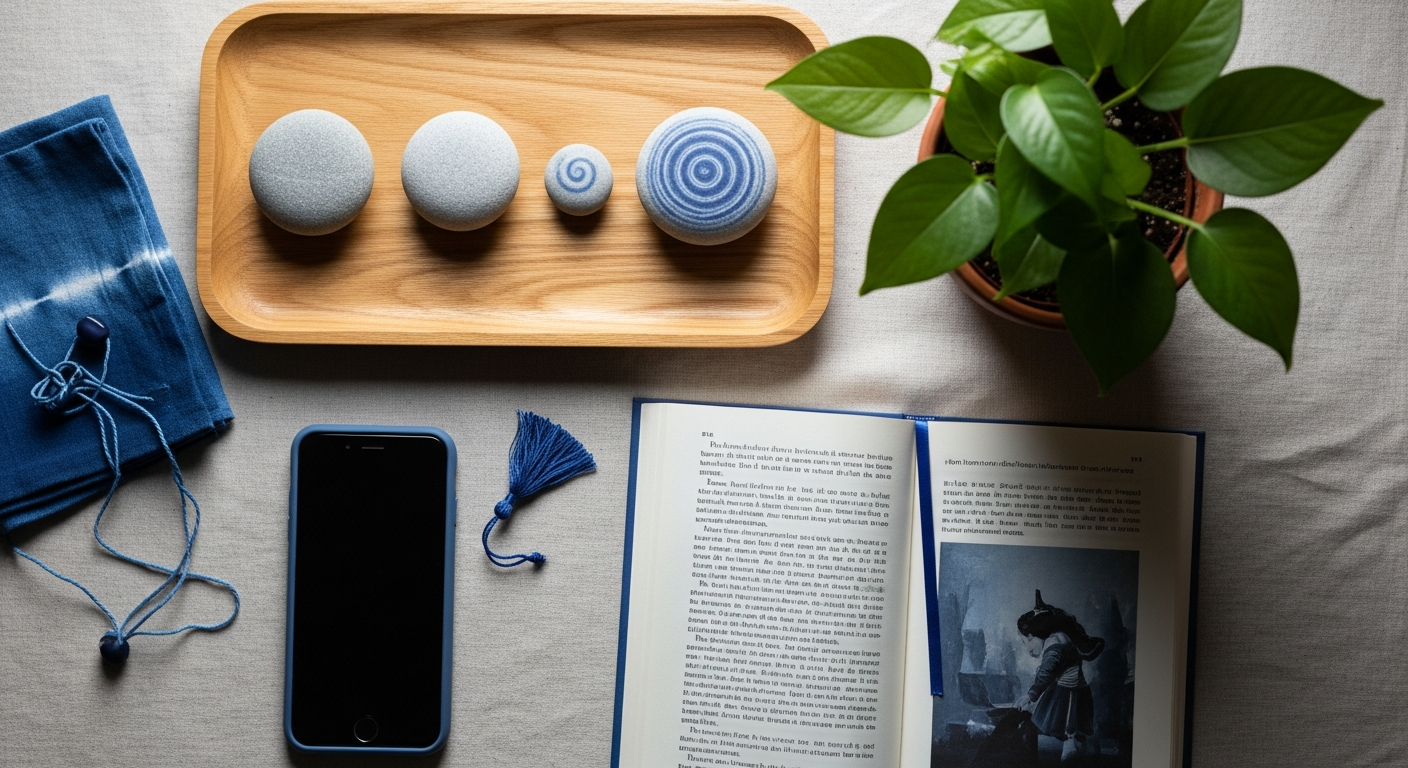
Mindful Photography: Phone as Tool Not Default Companion
The Unseen Cost of the Always-On Camera: Presence and Connection
The allure of capturing every significant, and even insignificant, moment is powerful. Our smartphones, with their high-quality cameras and instant sharing capabilities, make it incredibly easy to do so. However, this ease often comes at an unseen cost: our presence. When our primary mode of experiencing an event is through the lens of a phone camera, we inevitably create a barrier between ourselves and the actual experience. This isn’t just a philosophical musing; it has tangible impacts on our cognitive processing and emotional engagement. Research by Dr. Linda Henkel at Fairfield University, published in Psychological Science, demonstrated the “photo-taking impairment effect,” where participants who photographed objects remembered fewer details about them than those who simply observed them. This suggests that the act of photographing can offload the memory task to the device, reducing our brain’s active encoding of the experience.
Beyond individual memory, this constant documentation impacts our relationships. Imagine a family dinner where everyone is periodically pulling out their phones to snap a photo of the food, the laughter, or a particular interaction. While the intention might be to preserve a happy memory, the repeated interruptions can fragment conversation and dilute the sense of shared presence. The “phubbing” phenomenon – snubbing someone in favor of your phone – is a well-documented destroyer of relational intimacy. When one partner is constantly ready to capture a moment, the other might feel secondary to the documentation process, leading to feelings of neglect or unimportance. A study published in Computers in Human Behavior highlighted that phubbing negatively impacts relationship satisfaction and contributes to feelings of jealousy and conflict. This isn’t to say all photography is bad, but rather that the *default* to photography, without conscious intent, can be detrimental.
The problem is further compounded by the implicit pressure to create “Instagrammable” moments. Instead of simply enjoying a beautiful scene or a heartfelt conversation, we might find ourselves framing it for an imagined audience, altering our natural reactions or even staging situations. This performative aspect detracts from genuine emotional engagement, replacing authentic experience with curated presentation. The emotional toll can be significant; constantly seeking external validation through likes and comments can lead to anxiety, comparison, and a diminished sense of self-worth. To counteract this, we must cultivate a deeper awareness of *why* we are reaching for our cameras. Is it to genuinely remember something for ourselves, or to present an idealized version of our lives to others? Understanding this distinction is the first step towards reclaiming our presence and fostering richer, more authentic connections, both with ourselves and with those we share our lives with.
Reclaiming the Moment: Shifting from Documentarian to Participant

To truly experience life, we must learn to shift our mindset from being a perpetual documentarian to an active participant. This means consciously choosing to put the phone away and fully immerse ourselves in the present moment, even when the urge to photograph is strong. The practice of mindfulness, which involves paying attention to the present moment without judgment, is a powerful antidote to the always-on camera syndrome. When we are mindful, we are not just observing; we are feeling, hearing, seeing, and smelling with heightened awareness. This deep engagement creates richer, more vivid memories that are less reliant on external devices. Research on mindfulness consistently shows its benefits for emotional regulation, stress reduction, and improved well-being, all of which contribute to better relationships.
One practical strategy is to implement a “first five minutes” rule. When you arrive at an event, a beautiful location, or begin an activity with loved ones, commit to not touching your phone for the first five minutes. Use this time to simply observe, absorb the atmosphere, and engage in conversation. Notice the details: the expressions on people’s faces, the ambient sounds, the textures, the light. This initial period of pure presence helps to ground you and establish a foundation of genuine engagement before any thought of photography enters your mind. It allows your brain to process the experience organically, rather than immediately filtering it through a lens. After these five minutes, if you still feel a strong, conscious desire to take a photo, you can do so, but it will be a deliberate choice rather than an automatic reaction.
Another technique is “photo batching.” Instead of taking photos intermittently throughout an event, designate specific, short periods for photography. For example, if you’re at a concert, decide you’ll take photos during the first song and then put your phone away for the rest of the show. At a family gathering, perhaps you’ll capture a group shot at the beginning and a few candid moments during dessert, but otherwise keep your phone out of sight. This structured approach allows you to enjoy the event without constant interruption, while still capturing some memories. Moreover, consider using a dedicated camera for important events if you find your phone too distracting. The separate act of pulling out a camera (not your communication hub) can help mentally delineate between “documenting” and “being present.” By consciously choosing when and how we use our cameras, we reclaim our agency and strengthen our ability to fully participate in the richness of life, fostering deeper connections with both our experiences and the people who share them.
Setting Intentional Boundaries: When to Shoot, When to Simply Be
The key to mindful photography lies in setting intentional boundaries around when and how we use our phones for capturing moments. Without these boundaries, the default behavior often becomes automatic documentation, irrespective of context or company. This lack of intentionality can inadvertently communicate to others that the act of recording is more important than the shared experience itself, leading to feelings of being undervalued or ignored. Communication research consistently highlights the importance of clear boundaries in maintaining healthy relationships. Just as we set boundaries around work hours or personal space, we need to establish them for our digital interactions, including photography.
Start by identifying “sacred spaces” or “sacred times” where phones, and by extension, cameras, are strictly off-limits. This could be during meals, bedtime routines, intimate conversations, or specific family activities like game night. Make these rules explicit with your family and friends. For instance, agree that during dinner, all phones are placed in a designated basket away from the table. This simple act removes the temptation and signals a collective commitment to presence. If a truly extraordinary moment occurs that you wish to capture, it can be a shared decision: “Shall we quickly grab a photo of this, and then put the phones away?” This collaborative approach reinforces mutual respect and intentionality.
Beyond time and space, consider your internal boundaries. Before reaching for your phone, ask yourself: “Why am I taking this picture right now? Is it for me, to genuinely savor and remember, or is it for an external audience? Is taking this photo enhancing or detracting from my current experience and interaction?” This brief pause, a micro-mindfulness moment, allows you to consciously decide rather than react instinctively. If the answer leans towards external validation or if you feel a strong pull to document rather than participate, choose to simply be. Psychologist Adam Alter, in his work on behavioral addiction, emphasizes the importance of these friction points – small obstacles that make it harder to engage in an automatic behavior – to help us regain control. The internal question acts as such a friction point.
Finally, practice the art of selective memory. Not every moment needs to be visually documented to be remembered. Some of the most cherished memories are those that live solely in our minds and hearts, unmediated by a screen. Trust your brain to remember. The act of truly experiencing something with all your senses often creates a more robust and emotionally resonant memory than a quick snap. By setting clear external and internal boundaries, we transform our phones from constant companions into intentional tools, empowering us to choose when to capture and, more importantly, when to simply immerse ourselves in the richness of life.
The Power of Post-Capture Reflection: Beyond the Instant Share
In our hyper-connected world, taking a photo is often immediately followed by the impulse to share it. Social media platforms are designed to facilitate this instant gratification, creating a loop where capturing and sharing become almost a single, continuous act. However, this immediate sharing model often bypasses a crucial step: reflection. The true power of photography, especially mindful photography, lies not just in the act of capturing, but in the subsequent contemplation and engagement with the image. Delaying the share and engaging in post-capture reflection can significantly enhance our emotional connection to the memory, reduce social media anxiety, and foster a healthier digital wellness practice.
Psychological research on memory and emotion suggests that taking time to process experiences, rather than immediately offloading or broadcasting them, leads to deeper encoding and more meaningful recall. When we immediately share a photo, our focus shifts from the personal significance of the moment to the anticipated reactions of others – how many likes will it get? What comments will people leave? This external validation loop can diminish the intrinsic joy and personal meaning derived from the original experience. Instead, try a “digital delay” strategy. After taking a photo, resist the urge to immediately upload it. Put your phone away and return to the present moment. Later, perhaps at the end of the day or even a few days later, revisit your photos. This delay allows you to engage with the images from a place of personal reflection rather than social pressure.
When you do revisit your photos, engage with them mindfully. Instead of quickly swiping through, pause on each image. Ask yourself: What emotions does this photo evoke? What specific details do I remember about this moment? Who was I with? What was I feeling? This reflective practice transforms a mere visual record into a rich tapestry of memory, sensory details, and emotional resonance. Consider curating your photos for personal enjoyment first, before thinking about sharing. Create small, private albums on your phone or computer that are just for you or your immediate family. These curated collections become personal archives of cherished moments, free from the gaze of the wider internet.
Furthermore, delaying the share can also improve the quality of your communication when you do decide to share. Instead of a quick, context-less upload, you can now share the photo with a more thoughtful caption, perhaps recounting a story or explaining its significance. When sharing with loved ones in person, the photo can serve as a prompt for a deeper conversation, allowing you to relive the moment together and strengthen your bond. By moving beyond the instant share, we reclaim control over our digital narratives, deepen our personal connection to our memories, and foster a more intentional and fulfilling relationship with our photography, ultimately benefiting our emotional health and digital well-being.
Cultivating Deeper Connections: Photography as a Shared Experience
While the pervasive use of smartphones can often create distance, photography, when approached mindfully, has the profound potential to cultivate deeper connections. Instead of being a solitary act of documentation, it can become a shared experience that enhances communication and strengthens relationships. The key lies in shifting from an individualistic “I need to get this shot” mentality to a collaborative “How can this photo enhance our shared moment?” perspective. This reorientation requires intentionality and a willingness to engage with others about the act of photography itself.
One powerful way to make photography a shared experience is through collaborative photo projects. Instead of each person snapping their own photos, designate one person to be the “official” photographer for a specific event or period. This person can then share the curated collection with everyone else. This not only reduces the number of phones out but also encourages trust and shared responsibility. Alternatively, you could initiate themed photo challenges within your family or friend group, where everyone contributes photos related to a specific theme (e.g., “Joyful Moments,” “Nature’s Beauty”). Sharing and discussing these photos later can spark engaging conversations and reveal new perspectives, fostering a sense of community and shared creativity.
Another approach is to use photography as a prompt for communication and storytelling. Instead of simply showing a photo, use it as a starting point for a narrative. “Remember this moment? I was feeling so [emotion] because [reason].” This transforms a static image into a dynamic conversational piece, inviting others to share their own memories and feelings about the same event. This aligns with principles of active listening and empathetic communication, where shared narratives deepen understanding and emotional intimacy. Research on storytelling in relationships suggests that sharing personal narratives strengthens bonds and increases feelings of closeness, and photos can be powerful catalysts for these stories.
Furthermore, consider using photography as a tool for “co-creation” rather than just capture. For example, if you’re taking a photo of a loved one, involve them in the process. Ask for their input on the angle, the background, or their pose. This collaborative approach makes them an active participant, not just a subject. Or, use photography to capture moments that are specifically meaningful to the other person, demonstrating your attention and care. Perhaps your partner loves a particular flower; taking a photo of it and sharing it with them later, explaining why you thought of them, can be a small but significant gesture of affection. By consciously integrating others into the photographic process and using photos as springboards for connection, we can transform a potentially isolating digital habit into a powerful enhancer of our most important relationships, enriching our lives and the lives of those we cherish.
Digital Declutter for a Clearer View: Managing Your Photo Library and Mindset
Just as physical clutter can create mental noise, an overflowing, unorganized digital photo library can contribute to cognitive overload and digital stress. The sheer volume of images we accumulate on our phones often leads to paralysis; we capture everything, but then we never revisit, curate, or appreciate the moments we’ve saved. This digital hoarding can paradoxically diminish the value of our photos, making it harder to find genuinely cherished memories amidst a sea of duplicates, blurry shots, and mundane captures. A mindful approach to photography extends beyond the act of taking pictures to include the responsible and intentional management of our digital archives, fostering a clearer view both on our screens and in our minds.
The first step in digital decluttering is to adopt a “less is more” philosophy when shooting. Before pressing the shutter, pause and consider if this moment truly warrants a photograph. Instead of taking ten similar shots, try to capture one or two intentional, well-composed images. This reduces the immediate burden of sorting later and encourages a more thoughtful approach during the capture phase. Think of it as developing a photographer’s eye, even with a phone camera. This intentionality, as explored by digital wellness experts like Cal Newport, is crucial for reducing digital overwhelm and improving focus. By being more selective upfront, you honor the moments you capture and reduce the cognitive load associated with managing a vast, undifferentiated library.
Regular photo culling and organization are essential practices. Schedule dedicated “photo management” time, perhaps once a week or once a month, similar to how you might organize physical belongings. During this time, go through your recent captures and ruthlessly delete duplicates, blurry images, and photos that hold no significant meaning. Don’t be afraid to let go; not every moment needs to be preserved. For the keepers, organize them into logical albums or folders. Use dates, events, or themes to make them easily searchable and enjoyable to browse. This act of curation transforms your chaotic digital dump into a curated gallery of meaningful memories, making it a joy to revisit rather than a chore.
Beyond digital organization, consider the physical manifestation of your most cherished photos. Printing a select few and displaying them in your home or creating a physical photo album can offer a tangible, screen-free way to engage with your memories. This act of bringing digital memories into the physical world can enhance their emotional impact and serve as a powerful reminder of the moments and people that matter most, without the distraction of notifications or the endless scroll. By embracing digital decluttering, we not only create a more manageable photo library but also cultivate a clearer, less cluttered mental space, allowing us to truly appreciate the memories we choose to preserve and fostering a healthier, more intentional relationship with our digital tools.
Mindful Photography Checklist: From Auto-Pilot to Intentionality
This checklist helps you transition from automatic phone photography to a more mindful, intentional practice, enhancing your presence and relationships.
| Aspect | Default Photography (Auto-Pilot) | Mindful Photography (Intentional) |
|---|---|---|
| Initial Impulse | Automatic grab, snap, share. | Pause, observe, then decide. |
| Presence | Through the screen, detached. | Fully immersed, then capture. |
| Why Capture? | To show others, for likes/validation. | To personally remember, for intrinsic joy. |
| Relationship Impact | Interruptions, phubbing, feeling secondary. | Shared activity, conversation starter, deeper connection. |
| Sharing Habits | Instant upload to social media. | Delayed sharing, personal reflection first. |
| Photo Library | Overwhelmed, unorganized, duplicates. | Curated, organized, meaningful. |
| Memory Formation | Offloaded to device, less personal recall. | Deeply encoded, vivid sensory memory. |
| Emotional Outcome | Anxiety, comparison, FOMO. | Gratitude, connection, genuine joy. |