
Meals Without Screens: Building the Habit Realistically
TL;DR: Ditching screens at meal times significantly boosts relationship quality and personal presence. Start small, communicate openly, create a dedicated screen-free zone, and acknowledge the challenges of digital withdrawal to realistically build a habit that enriches your connections and well-being.
Understanding the “Why”: The Hidden Costs of Phubbing at the Table
Before we dive into the “how,” it’s crucial to grasp the profound “why” behind making meals screen-free. The act of “phubbing” – snubbing someone in favor of your phone – might seem innocuous, a small distraction in a busy world. Yet, research consistently highlights its detrimental effects on relationships. A study published in the journal Computers in Human Behavior by Roberts and David (2016) found a direct link between phubbing and lower relationship satisfaction. When one partner perceives that the other is frequently distracted by their phone, it can lead to feelings of neglect, insecurity, and even jealousy.
At the dinner table, this dynamic is amplified. Meals are prime opportunities for what psychologists call “active constructive responding” – enthusiastically engaging with a loved one’s good news or sharing the day’s events. When a screen is present, it creates a barrier to this vital form of communication. Imagine trying to tell your partner about a challenging day at work, only to see their eyes darting to their phone every few seconds. This sends a clear, albeit often unintentional, message: “What’s on my screen is more important than what you’re saying.” Over time, this erodes trust, reduces intimacy, and can lead to a sense of emotional distance. The very foundation of a strong relationship – feeling seen, heard, and valued – is undermined.
Beyond the direct impact on communication, screens at meal times also hinder the development of shared memories and a sense of collective presence. Family meals, for instance, have been linked to numerous positive outcomes for children, including better academic performance, higher self-esteem, and lower rates of substance abuse (Fiese et al., 2002). These benefits aren’t just from the food itself, but from the rich, uninterrupted social interaction that takes place. When screens intrude, these opportunities for connection are lost. Children learn that digital devices hold precedence, potentially impacting their own future communication habits and their ability to form deep, present connections.
Furthermore, the constant presence of screens can prevent us from being truly mindful during meals. Eating is an experience that engages multiple senses: the aroma, the texture, the taste. When we’re distracted by a screen, we eat mindlessly, often overeating and missing out on the simple pleasure of nourishment. This lack of presence extends beyond the food to the people around us. We miss subtle cues, a shared smile, a meaningful glance. We are physically present but psychologically elsewhere. Recognizing these hidden costs—the erosion of intimacy, the breakdown of communication, the loss of mindfulness, and the missed opportunities for shared joy—provides a powerful motivation to actively cultivate screen-free meals. It’s not just about removing a device; it’s about restoring presence, connection, and the very essence of human interaction to our dining experiences.
Starting Small: Micro-Habits for Macro Change

The idea of a completely screen-free life can feel overwhelming, especially when our devices are so deeply integrated into our daily routines. The key to success isn’t an overnight digital detox, but rather the strategic implementation of micro-habits. Micro-habits, as popularized by B.J. Fogg in his book “Tiny Habits,” are small, simple actions that require minimal motivation and can be easily integrated into existing routines. The goal is to build momentum and make the new behavior feel effortless, not like a monumental task.
So, instead of declaring all meals henceforth screen-free, start with a single, manageable step. Perhaps it’s making just one meal a day screen-free – maybe breakfast, which is often a hurried affair and a good starting point for a quick win. Or, if that still feels too ambitious, try the “first five minutes” rule. For the initial five minutes of any meal, phones are completely off-limits. This small window allows everyone to settle in, share initial thoughts, and connect before any potential temptation arises. As this becomes more comfortable, you can gradually extend the duration to ten minutes, then fifteen, and so on.
Another effective micro-habit is designating a specific “phone parking spot” away from the dining area. This could be a decorative basket in the entryway, a charging station in the kitchen, or even a drawer in another room. The physical act of placing the phone there before sitting down for a meal creates a clear boundary and a visual cue for the new behavior. It removes the device from immediate reach, making it less convenient to check and reducing the cognitive load of resisting temptation. The “out of sight, out of mind” principle is incredibly powerful here.
Consider the power of “habit stacking.” This involves attaching a new habit to an existing one. For example, if you always set the table before dinner, add “place phones in the phone basket” to that routine. If you always wash your hands before eating, add “mute phone notifications” as part of that sequence. By linking the desired behavior to something you already do automatically, you reduce the need for conscious effort and increase the likelihood of success. Remember, the goal is not perfection, but progress. There will be times when you or a family member slips up, and that’s okay. The crucial part is to acknowledge it without judgment and gently return to the new habit. Celebrate small victories, like a meal where everyone was fully present, and use those positive reinforcements to strengthen the habit loop. By breaking down the larger goal into tiny, achievable steps, you’re building a sustainable foundation for lasting change, transforming meal times from a digital battleground into a haven of connection.
Setting Boundaries, Not Walls: Communicating Your Needs
Initiating a screen-free meal habit, especially if it’s a departure from established norms, requires careful communication. The last thing you want is for your efforts to be perceived as an accusation or an attempt to control others, which can create defensiveness and resistance. The goal is to set boundaries that foster connection, not build walls that separate. This is where effective communication frameworks come into play, helping you express your needs and desires in a way that invites cooperation rather than conflict.
Start with “I” statements. Instead of saying, “You’re always on your phone at dinner,” which sounds accusatory, try, “I feel a bit disconnected when phones are out during meals, and I miss our conversations.” This shifts the focus from blaming the other person to expressing your own feelings and experiences. It’s less confrontational and more likely to open a dialogue. Follow up by explaining the positive impact you anticipate. “I’d love for us to try having meals without screens so we can really connect and hear about each other’s day without interruption.” Frame it as an opportunity for mutual benefit, for enhancing shared experiences, rather than a restriction.
Active listening is equally crucial. Once you’ve expressed your desire, be prepared to listen to the concerns or perspectives of others. Your partner might genuinely need to be available for work calls, or your teenager might feel anxious about missing out on social updates (FOMO). Acknowledge their feelings without judgment: “I understand that you might feel anxious about missing an important message,” or “It’s tough when you’re used to checking your phone.” Validating their feelings shows empathy and makes them more receptive to finding solutions together. This is a core tenet of nonviolent communication, emphasizing understanding and empathy.
Collaborate on the rules. Instead of dictating, invite everyone to co-create the guidelines. “How do you think we could make this work for us?” “What kind of exceptions, if any, do we need to consider for truly urgent situations?” Perhaps there’s an agreement that phones can be on silent in a designated spot, and only checked if a specific, pre-arranged person calls twice. Or maybe one meal a week is designated as “screen-free,” serving as a starting point. This collaborative approach fosters a sense of ownership and commitment among all family members. It transforms a potential point of contention into a shared goal, strengthening the relationship through mutual respect and understanding. Remember, consistency is important, but so is flexibility and grace. The conversation might need to be revisited as you all adjust, and that’s a sign of a healthy, evolving boundary, not a failure.
Designing Your Screen-Free Sanctuary: Practical Tabletop Strategies
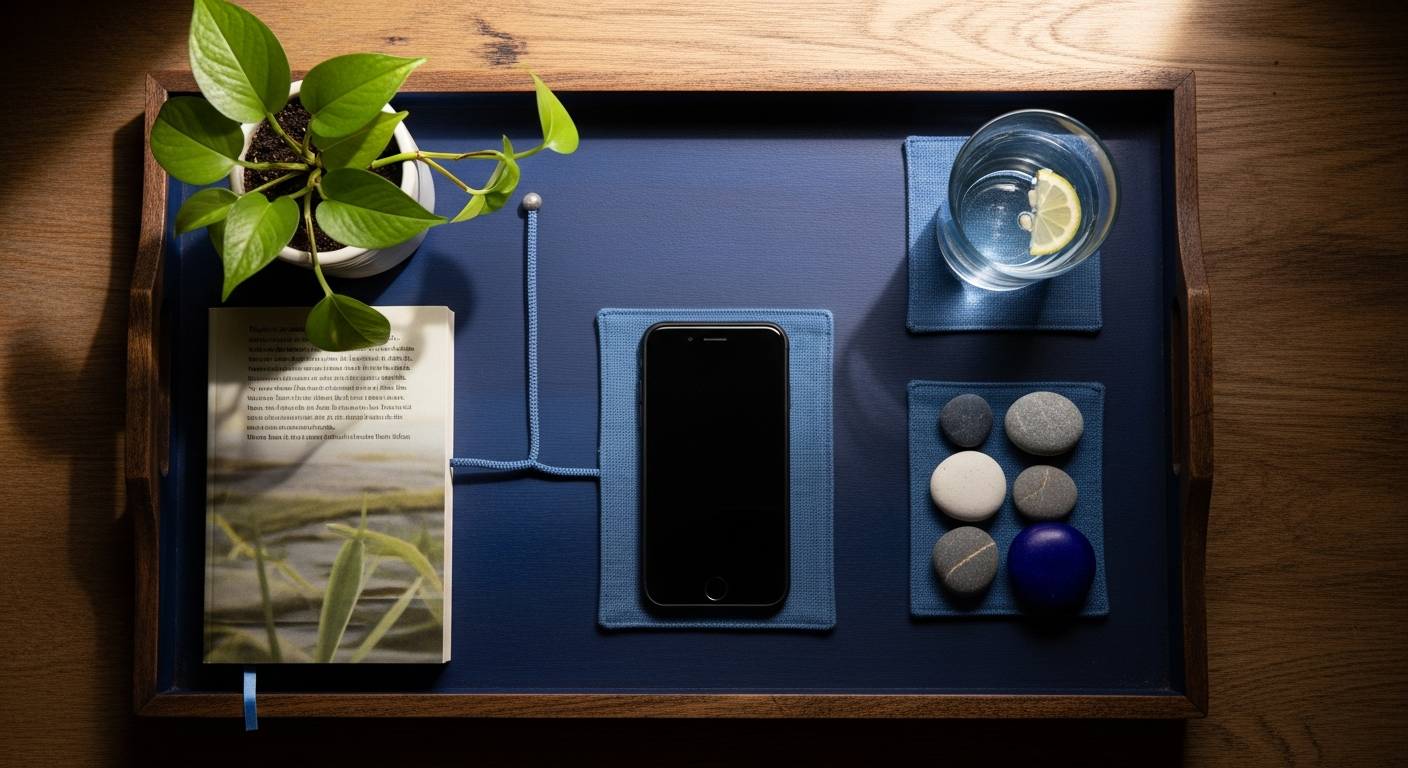
Creating a screen-free environment isn’t just about removing devices; it’s about actively designing a space that encourages presence and interaction. Think of your dining area as a sanctuary, a dedicated zone where digital distractions are intentionally minimized. This proactive approach helps to reduce the temptation to reach for a phone and instead redirects attention towards the people and the food at hand. The physical environment plays a significant role in shaping our behaviors, and with a few thoughtful adjustments, your meal times can transform.
The first practical step, as mentioned earlier, is establishing a designated “phone parking spot.” This could be a stylish basket, a charging station in a different room, or even a simple drawer in the kitchen. The key is that it’s out of sight and out of immediate reach from the dining table. Make it a ritual: everyone places their device in the basket before sitting down. This physical act serves as a powerful psychological cue, signaling the transition from the digital world to the present moment. For those with smartwatches, consider removing them or putting them on airplane mode as well, as they can also be a source of distraction.
Beyond simply removing screens, consider what you can add to the table to foster engagement. Centerpieces aren’t just for aesthetics; they can be conversation starters. A unique vase, a decorative item from a recent trip, or even a small game can draw attention and spark curiosity. Think about creating a more inviting atmosphere with soft lighting, candles, or background music (chosen mindfully, not as a distraction). These elements contribute to a sense of calm and specialness, elevating the meal beyond just eating.
Introduce non-digital alternatives for engagement. For families with children, consider placing a deck of conversation starter cards on the table. These can provide fun, open-ended questions that encourage everyone to share and listen. For adults, a simple “highs and lows” sharing ritual, where each person shares the best and most challenging part of their day, can be incredibly effective in fostering connection. Some families enjoy playing a quick, simple table game like “I Spy” or a riddle before the meal begins. These activities help to fill any initial awkward silences that might arise from the absence of screens, naturally guiding interaction towards verbal communication.
Finally, make sure the dining area itself is comfortable and conducive to lingering. Comfortable chairs, a clean table, and an organized space can all contribute to a more enjoyable experience. By consciously designing your dining environment, you’re not just taking away a distraction; you’re actively cultivating a space that promotes presence, conversation, and deeper connection, turning every meal into an opportunity for meaningful interaction.
Overcoming Resistance: Dealing with FOMO and Digital Withdrawal
Let’s be honest: breaking the habit of checking our phones is hard. We’re not just dealing with a casual preference; we’re up against deeply ingrained behaviors, psychological dependencies, and the very design of apps that are engineered to be addictive. When you attempt to remove screens from meal times, it’s entirely normal to experience resistance, both from yourself and from others. This resistance often manifests as FOMO (Fear Of Missing Out) or a genuine sense of digital withdrawal. Acknowledging these challenges head-on, rather than ignoring them, is crucial for sustainable habit change.
FOMO is a powerful psychological phenomenon, especially for younger generations who have grown up with constant digital connectivity. The thought of missing an important text, a viral post, or a friend’s update can trigger anxiety. For adults, it might be the fear of missing a critical work email or a breaking news alert. To combat this, establish clear communication protocols for truly urgent situations. For example, agree that if there’s an emergency, someone will call twice in a row, signaling that it’s okay to check the phone. For non-urgent matters, reassure yourself and others that the world won’t end if you respond 30-60 minutes later. Most things can wait. Remind yourself that what you are gaining – presence, connection, peace – far outweighs the fleeting updates you might miss.
Digital withdrawal can manifest physically and mentally. You might feel an urge to reach for your phone, a phantom vibration, or a general restlessness. This is a natural response as your brain adjusts to the absence of constant stimulation and dopamine hits. Instead of fighting these feelings, acknowledge them. Practice mindfulness: “I’m feeling an urge to check my phone right now. That’s interesting.” Simply observing the urge without acting on it can diminish its power. The more you practice this, the weaker the urge becomes over time, as your brain learns to adapt to the new, less stimulated environment.
Another strategy is to replace the old habit with a new, positive one. If checking your phone during a lull was your go-to, what can you do instead? Engage in conversation, ask a thoughtful question, notice the details of your food, or simply sit in comfortable silence, enjoying the company. For children, this might involve turning meal times into a game or a storytelling session. Having a pre-planned alternative behavior makes it easier to resist the old pull. Moreover, be patient and empathetic with yourself and others. There will be slip-ups. Someone might instinctively grab their phone. Instead of criticism, offer gentle reminders or suggest a break if the urge is too strong. “It looks like you’re having a hard time. Maybe we can chat about what’s making it difficult?” Overcoming resistance isn’t about perfection, but about consistent, compassionate effort to rewire our habits and reclaim our attention.
Beyond the Meal: Reaping the Wider Relationship Rewards
The decision to implement screen-free meals might begin with the simple desire for more present dining experiences, but its positive ripple effects extend far beyond the dinner table. This seemingly small habit can become a powerful catalyst for transforming the overall quality of your relationships and enhancing your general well-being. By consistently choosing presence over distraction during meals, you are actively cultivating a culture of connection that permeates every aspect of your shared life.
Firstly, improved communication is a direct and immediate benefit. When devices are put away, the space for genuine dialogue opens up. You’ll find yourselves engaging in deeper, more meaningful conversations, moving beyond superficial updates to truly explore thoughts, feelings, and experiences. This enhanced verbal communication naturally leads to better understanding and empathy between partners, family members, or friends. You’ll pick up on non-verbal cues more readily, like a subtle shift in tone or a fleeting expression, which are often missed when attention is divided. This heightened awareness fosters a richer tapestry of interaction, strengthening the emotional fabric of your relationships.
Secondly, screen-free meals build a stronger sense of intimacy and emotional safety. When you consistently show up as fully present for someone, it communicates that they are valued, important, and worthy of your undivided attention. This validation is a cornerstone of healthy relationships, fostering trust and a sense of security. Knowing that meal times are a dedicated space for connection can become a comforting ritual, a reliable anchor in a chaotic world. This dedicated time signals a commitment to the relationship itself, reinforcing bonds and creating a shared history of mindful moments.
Furthermore, this habit cultivates mindfulness and presence in other areas of your life. The practice of being fully engaged during a meal can spill over into other interactions. You might find yourself more present during a walk with your partner, more attentive during a child’s playtime, or more focused during a work meeting. It trains your brain to resist the constant pull of digital distraction, enhancing your capacity for sustained attention and deeper engagement with the world around you. This improved mindfulness contributes to reduced stress, greater appreciation for everyday moments, and an overall sense of calm and contentment.
Finally, screen-free meals contribute to creating shared memories and traditions. These are the moments that truly bind families and couples together – the laughter over a spilled drink, the serious discussion about a life decision, the simple joy of a shared meal. These unmediated interactions become the stories you tell, the experiences you cherish, and the bedrock of your collective identity. By reclaiming meal times from screens, you’re not just changing a habit; you’re investing in the health, happiness, and longevity of your most important relationships, transforming ordinary moments into extraordinary opportunities for connection and love.
Screen-Free Meal Success Checklist
Use this checklist to guide your journey towards more connected, screen-free meals.
| Action Item | Status | Notes |
|---|---|---|
| Understand the “Why” (impact of phubbing) | ☐ | Remind yourself of the benefits for connection and well-being. |
| Start Small (micro-habits) | ☐ | Begin with 1 meal, or just the first 5-10 minutes. |
| Communicate Needs (using “I” statements) | ☐ | Explain your feelings without blame. Invite collaboration. |
| Designate a “Phone Parking Spot” | ☐ | A basket, drawer, or charging station away from the table. |
| Introduce Tabletop Engagement Aids | ☐ | Conversation cards, games, thoughtful centerpieces. |
| Acknowledge & Plan for FOMO/Withdrawal | ☐ | Agree on urgent contact protocols; practice mindfulness. |
| Practice Active Listening | ☐ | Truly hear and validate others’ concerns. |
| Celebrate Small Victories | ☐ | Acknowledge successful screen-free meals to reinforce the habit. |
| Be Patient & Empathetic | ☐ | Expect slip-ups; gently redirect rather than criticize. |
| Reflect on Wider Relationship Benefits | ☐ | Notice improved communication, intimacy, and presence. |