

Replacing Doomscroll Time With Specific Other Activities
TL;DR: Doomscrolling depletes mental energy and harms relationships. Instead of passively consuming negativity, intentionally replace that time with specific, engaging activities like mindful movement, real-world connections, creative pursuits, mindfulness, and strategic digital boundaries to foster well-being and deeper communication.
Unpacking the Urge: The Psychology Behind Doomscrolling
Before we can effectively replace doomscrolling, it’s crucial to understand why we do it in the first place. This isn’t a moral failing; it’s often a deeply ingrained psychological response to uncertainty and our innate human wiring. One primary driver is the negativity bias, a well-documented cognitive phenomenon where our brains are more attuned to, and remember, negative information more vividly than positive. From an evolutionary perspective, this served as a survival mechanism, prompting us to be vigilant to threats. In the digital age, this translates into an incessant pull towards alarming headlines, making us feel compelled to stay informed about every potential danger, real or perceived.
Another significant factor is the illusion of control. When faced with overwhelming global events or personal anxieties, our brains seek ways to regain a sense of agency. We might believe that by gathering more information, we can better prepare ourselves or understand the situation, thereby reducing our anxiety. Paradoxically, this often has the opposite effect. Instead of feeling more in control, we become inundated with information, much of which is beyond our immediate influence, leading to increased feelings of helplessness and distress. This constant consumption can also trigger our body’s stress response, releasing cortisol and adrenaline, which keeps us in a state of heightened arousal, making it difficult to relax or switch off.
Furthermore, the architecture of social media and news feeds exploits our brain’s reward system. Each new piece of information, even if negative, can deliver a small dopamine hit – the neurotransmitter associated with pleasure and reward. This intermittent reinforcement creates a powerful feedback loop: we scroll, we get a new piece of information (the “reward”), and our brain learns to associate scrolling with this unpredictable but potentially satisfying outcome. This makes it incredibly difficult to break the cycle, as our brains are constantly anticipating the next “hit.” Understanding these underlying psychological mechanisms isn’t about excusing the behavior, but about approaching it with self-compassion and strategic awareness. Recognizing that you’re caught in a powerful psychological loop, rather than simply lacking willpower, is the first step towards intentionally choosing alternative, more nourishing activities.
Reclaim Your Body & Mind: Mindful Movement and Nature Immersion

One of the most immediate and impactful ways to replace doomscrolling is to shift from a sedentary, screen-focused state to one of mindful movement and engagement with the physical world. Doomscrolling typically involves sitting, staring at a screen, and holding tension in our bodies. Counteracting this with physical activity can be incredibly therapeutic, releasing endorphins—natural mood elevators—and reducing stress hormones like cortisol. You don’t need to commit to an intense workout; even small, consistent movements can make a significant difference. Consider a brisk 15-minute walk around your neighborhood, stretching for 10 minutes, or a gentle yoga session. The key is to make the movement intentional and present, focusing on your breath and how your body feels, rather than letting your mind wander back to anxious thoughts.
Beyond structured exercise, immersing yourself in nature offers profound benefits that actively combat the effects of digital overload. The concept of “forest bathing” or Shinrin-yoku, originating in Japan, highlights the physiological and psychological benefits of spending time in natural environments. Research suggests that even short periods in nature can lower blood pressure, reduce stress hormones, improve mood, and enhance cognitive function. The calming sounds, sights, and even smells of nature provide a stark contrast to the stimulating, often overwhelming, digital landscape. Instead of reaching for your phone, step outside. Sit in your garden, walk in a local park, or simply open a window and observe the sky. Engage your senses: listen to the birds, feel the breeze, notice the textures of leaves. This sensory engagement pulls your focus away from abstract worries and grounds you in the present moment.
The beauty of mindful movement and nature immersion lies in their accessibility and immediate impact. They offer a tangible way to break the physical and mental hold of doomscrolling. By consciously choosing to move your body or connect with the natural world, you’re not just distracting yourself; you’re actively engaging in practices that build resilience, reduce anxiety, and foster a deeper connection to your own well-being. Make it a habit to link the urge to scroll with the decision to move or step outside. Keep a pair of walking shoes by the door, or find a comfortable spot near a window. These simple, specific actions can transform moments of digital temptation into opportunities for genuine rejuvenation.
Cultivating Connection: Nurturing Real-World Relationships
While doomscrolling can make us feel connected to global events, it often simultaneously creates a profound sense of isolation from the people physically around us. We might be in the same room as a partner, child, or friend, yet entirely engrossed in our screens, creating what some call “phubbing” – phone snubbing. This digital barrier can significantly erode the quality and depth of our real-world relationships, leading to feelings of neglect, misunderstanding, and emotional distance. Research consistently highlights the critical role of genuine human connection in our overall well-being and mental health. Strong social bonds act as a buffer against stress and anxiety, offering support, empathy, and a sense of belonging that no amount of digital consumption can replicate.
Replacing doomscroll time with intentional relational activities means actively investing in the people who matter most. Instead of mindlessly scrolling, pick up the phone and call a friend or family member you haven’t spoken to in a while. Engage in a meaningful conversation, asking open-ended questions and truly listening to their responses. Plan a coffee date, a shared meal, or a walk with a loved one, making a conscious agreement to keep phones tucked away. During these interactions, practice active listening – fully focusing on the other person, understanding their perspective, and validating their feelings. This isn’t just about being polite; it’s about building empathy and strengthening emotional intimacy.
Consider engaging in shared activities that foster connection without the distraction of screens. Cook a meal together, play a board game, work on a puzzle, or simply sit and talk about your day, your dreams, or your challenges. For couples, setting aside dedicated “phone-free zones” or “connection times”—like during meals, before bed, or on walks—can be transformative. The Gottman Institute’s research on healthy relationships consistently emphasizes the importance of turning towards each other, engaging in bids for connection, and fostering shared meaning. By consciously choosing to put down the phone and turn your attention to your loved ones, you are not only replacing a detrimental habit but actively building a richer, more supportive, and more fulfilling relational landscape. These moments of genuine presence and shared experience are invaluable anchors in an often chaotic world.
Igniting Your Inner Spark: Engaging in Creative Pursuits and Learning
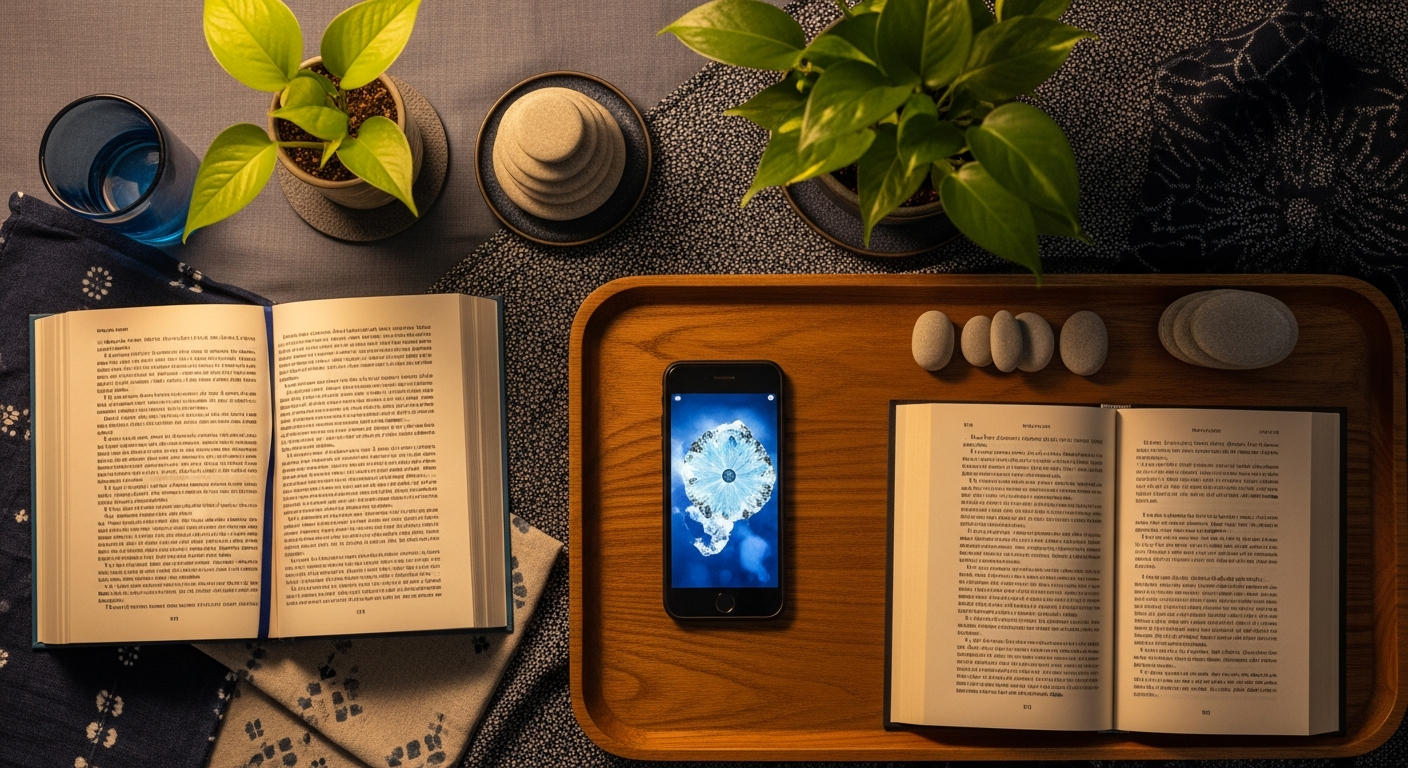
Doomscrolling is a passive activity; it involves consuming information without necessarily engaging our higher cognitive functions in a productive way. This passive consumption can leave us feeling drained and unfulfilled. A powerful antidote is to shift towards active creation and learning. Engaging in creative pursuits stimulates different parts of the brain, fosters a sense of accomplishment, and can even induce a “flow state,” a term coined by psychologist Mihaly Csikszentmihalyi, where you become so engrossed in an activity that you lose track of time and self. This state is profoundly rewarding and a stark contrast to the anxiety-inducing loop of doomscrolling.
Think about activities that allow you to produce something, rather than just consume. This could be anything from writing in a journal, sketching, painting, playing a musical instrument, or even more practical creative endeavors like cooking a new recipe, gardening, or crafting. The goal isn’t perfection, but the process of engagement and expression. If you’ve always wanted to try pottery, knitting, or learning a new language, now is the time to start. Even small, incremental steps can be incredibly satisfying. Dedicate 15-30 minutes of your typical doomscrolling time to one of these activities. You might be surprised at how quickly you lose yourself in the task and how refreshed you feel afterward.
Similarly, engaging in learning can be a powerful way to redirect your mental energy. Instead of absorbing overwhelming news, choose to learn something new that genuinely interests you. This could involve reading a non-fiction book on a topic you’re curious about, watching a documentary (strategically, not endlessly), taking an online course, or listening to an educational podcast. Learning expands our perspectives, keeps our minds agile, and provides a sense of growth and intellectual fulfillment. The act of learning for its own sake, rather than out of necessity, can be incredibly liberating and a potent counter-measure to the mental stagnation often associated with passive digital consumption.
The beauty of creative and learning activities is their versatility and the personal satisfaction they offer. They allow us to tap into our unique talents and curiosities, fostering a sense of purpose and joy that doomscrolling simply cannot provide. By intentionally choosing to create or learn, you are actively nurturing your inner world, building new skills, and developing a stronger sense of self, all while effectively replacing a habit that previously diminished your well-being.
Finding Inner Peace: Practicing Self-Compassion and Mindfulness
At its core, doomscrolling is often fueled by anxiety and a sense of unease. To effectively replace this habit, we must address these underlying emotional states. Practicing self-compassion and mindfulness offers powerful tools to cultivate inner peace and resilience, helping us respond to difficult emotions with kindness rather than reactive scrolling. Dr. Kristin Neff’s research defines self-compassion as treating ourselves with the same kindness, concern, and understanding we would show to a good friend facing a similar struggle. When we find ourselves doomscrolling, it’s easy to fall into self-criticism (“Why can’t I stop?”), which only exacerbates the negative cycle. Instead, pause and acknowledge the difficulty you’re experiencing, recognizing that it’s part of the human condition to feel anxious or overwhelmed. Offer yourself a kind word or a gentle touch, like placing a hand over your heart.
Mindfulness, as taught by pioneers like Jon Kabat-Zinn, is about intentionally bringing your attention to the present moment, without judgment. When the urge to doomscroll arises, instead of immediately giving in, try a short mindfulness practice. This could be as simple as a few deep breaths, focusing on the sensation of air entering and leaving your body. Notice the thoughts and feelings that arise without getting caught up in them; simply observe them as passing phenomena. A quick body scan, where you bring your attention to different parts of your body, noticing any tension or relaxation, can also ground you in the present.
Specific mindfulness activities to integrate into your day include formal meditation (even 5-10 minutes can be beneficial), mindful eating (savoring each bite of food, noticing its flavors and textures), or a walking meditation (paying attention to the sensation of your feet on the ground and the movement of your body). Journaling can also be a powerful mindful practice, allowing you to externalize your thoughts and feelings without judgment, providing clarity and emotional release. These practices don’t make your problems disappear, but they change your relationship to them. They create a space between the trigger (anxiety, uncertainty) and your habitual reaction (doomscrolling), giving you the opportunity to choose a more intentional response.
By cultivating self-compassion and mindfulness, you equip yourself with internal resources to navigate stress and uncertainty more effectively. You learn to soothe yourself, acknowledge your struggles without judgment, and stay anchored in the present moment, significantly reducing the magnetic pull of the doomscroll and fostering a deeper sense of inner peace.
Strategic Digital Detox: Building Proactive Boundaries
While replacing doomscrolling with positive activities is crucial, a truly comprehensive approach also involves proactively building boundaries around your digital consumption. It’s not just about what you do instead, but also about preventing the habit from taking root in the first place. The first step is to audit your current digital habits without judgment. When do you tend to doomscroll? Is it first thing in the morning, before bed, during breaks, or when you feel anxious? Identifying your triggers and patterns is key to developing effective strategies.
Once you understand your patterns, you can implement specific, tangible boundaries. This might include setting strict screen time limits on your phone for news or social media apps, using apps that block access to certain websites during specific hours, or even changing your phone settings to grayscale mode, which makes the screen less appealing and addictive. Consider creating “no-phone zones” in your home, such as the bedroom, dining table, or during family time. Charging your phone outside your bedroom can significantly reduce the temptation to scroll late at night or first thing in the morning, two common doomscrolling windows.
Another effective strategy is to introduce “friction” into your digital habits. If a particular app is a major source of doomscrolling, move it off your home screen, bury it in a folder, or even delete it and only re-download it when you consciously decide you need it. The extra steps required to access the app can be enough to break the automatic impulse. Similarly, turn off non-essential notifications. Each notification is a small interruption that can pull you back into the digital vortex. By silencing these constant pings, you regain control over your attention.
Finally, plan ahead. Just as you schedule appointments, schedule your digital breaks and your replacement activities. If you know you’re prone to doomscrolling during your lunch break, have a book ready, a walking route planned, or a friend to call. Proactive planning transforms passive reaction into intentional choice. By strategically building these digital boundaries, you’re not just resisting temptation; you’re redesigning your environment to support healthier habits, creating more space and freedom for the specific, nourishing activities that truly enhance your well-being and relationships.
Your Digital Wellness Action Plan: Replacing Doomscroll with Intentional Living
Use this checklist to identify specific activities you can integrate into your daily routine to replace passive doomscrolling with active engagement and well-being.
| Activity Category | Specific Idea | Key Benefit | My Commitment (e.g., 15 mins daily, 3x/week) |
|---|---|---|---|
| Mindful Movement & Nature | Take a brisk walk in a park or around the block. | Endorphin release, stress reduction, connection to nature. | |
| Do a 10-minute stretching or yoga session. | Physical release, improved flexibility, mental clarity. | ||
| Spend 15 minutes sitting quietly in your garden or by a window. | Grounding, sensory engagement, natural calm. | ||
| Cultivating Connection | Call a friend or family member for a meaningful chat. | Strengthened social bonds, emotional support. | |
| Plan a phone-free meal or activity with a loved one. | Deeper intimacy, active listening, shared presence. | ||
| Write a thoughtful email or letter to someone you care about. | Expressing gratitude, meaningful communication. | ||
| Creative Pursuits & Learning | Read a chapter of a book (fiction or non-fiction). | Mental stimulation, escapism, knowledge acquisition. | |
| Engage in a creative hobby (drawing, writing, music, crafting). | Flow state, self-expression, sense of accomplishment. | ||
| Learn a new skill online (language, coding, instrument). | Cognitive growth, personal development. | ||
| Self-Compassion & Mindfulness | Practice 5-10 minutes of guided meditation or deep breathing. | Stress reduction, emotional regulation, present moment awareness. | |
| Journal about your thoughts and feelings. | Self-reflection, emotional processing, clarity. | ||
| Perform a mindful body scan to release tension. | Physical awareness, relaxation. | ||
| Strategic Digital Boundaries | Set app limits or use grayscale mode on your phone. | Reduces temptation, makes digital consumption less appealing. | |
| Create “no-phone zones” (e.g., bedroom, dinner table). | Protects personal space, encourages real-world interaction. | ||
| Turn off non-essential notifications. | Reduces interruptions, reclaims attention. |