
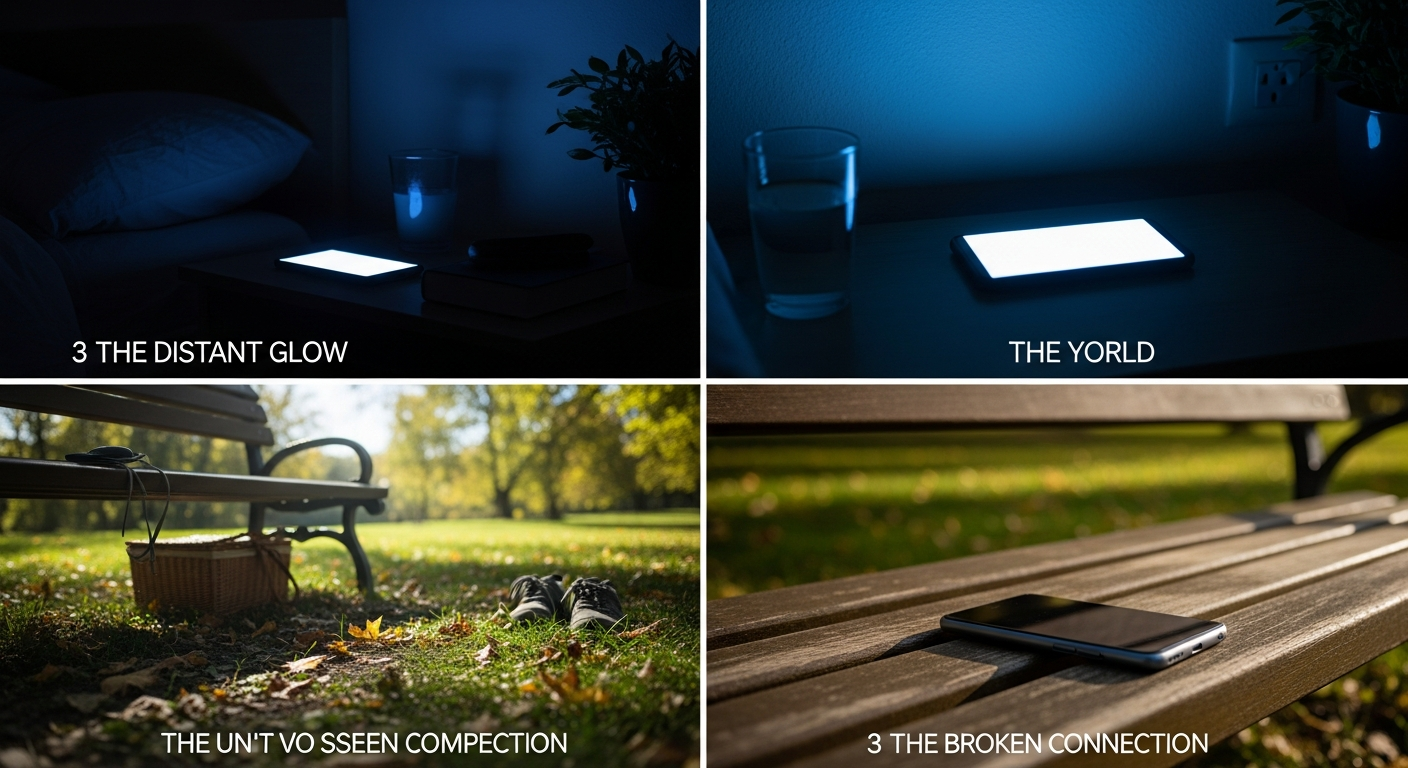
Beyond the Screen: 12 Critical Signs You Have a Smartphone Addiction and How to Fix It
In 2026, the boundary between our physical reality and the digital world has become almost non-existent. With the integration of advanced AI assistants, hyper-personalized social feeds, and the constant demand for connectivity, the smartphone has evolved from a tool into a literal appendage. While these devices offer unparalleled convenience, they have also birthed a silent epidemic: smartphone addiction. This isn’t just about “using your phone a lot”; it is a complex behavioral dependency that rewires the brain’s reward system. For many, the first thing they see upon waking and the last thing they touch before sleep is a glowing screen. If you find yourself reaching for your device during a lull in conversation, or feeling a surge of panic when your battery hits 5%, you are not alone. Recognizing the signs is the first step toward reclaiming your focus and achieving true digital wellness in an increasingly loud world.
1. The Neuroscience of the “Infinite Scroll”: Why We Get Hooked
To understand smartphone addiction, we must first understand the “Attention Economy.” In 2026, app developers use sophisticated neurological data to ensure users stay engaged for as long as possible. The primary mechanism at play is the dopamine loop. Every time you receive a notification, a like, or a relevant news update, your brain releases a small burst of dopamine—the “feel-good” neurotransmitter associated with reward and motivation.
This is often referred to as “intermittent reinforcement,” a concept borrowed from the psychology of gambling. You don’t know when the next “reward” (a funny video or an important email) will appear, so you keep scrolling, much like a person pulling the lever on a slot machine. Over time, your brain develops a tolerance. You need more screen time to achieve the same level of satisfaction, leading to a compulsive need to check your device even when there is no logical reason to do so. This neurological hijacking makes it incredibly difficult to “just put the phone down” through willpower alone.
2. Physical Symptoms: How Your Body Signals Overuse
While we often focus on the mental aspects of digital dependency, our bodies often provide the first warning signs. Smartphone addiction manifests in several distinct physical ways that can have long-term health implications if left unaddressed.
* **Tech Neck and Carpal Tunnel:** The posture we adopt while looking at a phone—head tilted forward, shoulders hunched—puts immense pressure on the cervical spine. This can lead to chronic neck and back pain. Similarly, the repetitive motion of scrolling and typing can cause strain in the wrists and thumbs.
* **Digital Eye Strain:** Staring at high-resolution screens for hours leads to blurred vision, dry eyes, and headaches. In 2026, despite advancements in eye-protection displays, the sheer duration of use remains a primary cause of ocular fatigue.
* **The Disruption of Sleep Architecture:** The blue light emitted by smartphones inhibits the production of melatonin, the hormone responsible for sleep. Beyond the light, the psychological stimulation of late-night scrolling keeps the brain in a state of high alert, preventing the deep, restorative REM sleep necessary for cognitive function.
* **Phantom Vibration Syndrome:** Have you ever felt your phone vibrate in your pocket, only to pull it out and realize there was no notification? This is a documented phenomenon where the nervous system becomes so conditioned to phone alerts that it misinterprets minor muscle twitches as a digital signal.
3. Emotional Red Flags and the Rise of Nomophobia
“Nomophobia”—an abbreviation for “no mobile phone phobia”—is a very real psychological condition characterized by feelings of anxiety or distress when one is separated from their smartphone. If you experience a sense of nakedness or vulnerability when you leave your house without your device, you are likely dealing with a level of addiction.
Emotional signs often include irritability when interrupted while using your phone. If a friend or family member asks for your attention and your gut reaction is one of annoyance, the device has become a primary source of emotional regulation. Furthermore, many people use their phones as a “digital pacifier.” When faced with boredom, social anxiety, or stress, the immediate impulse is to escape into a screen. This prevents us from developing healthy coping mechanisms for uncomfortable emotions, leading to a cycle where we are increasingly dependent on digital distraction to feel “okay.”
4. Social Erosion: Is “Phubbing” Killing Your Relationships?
The term “phubbing” (phone snubbing) describes the act of ignoring someone in a social setting in favor of a smartphone. While it might seem harmless, the social consequences are profound. In the digital wellness landscape of 2026, researchers have found that phubbing significantly decreases relationship satisfaction and erodes trust between partners, friends, and colleagues.
Signs of social addiction include:
* Checking your phone during meals with others.
* Losing the thread of a conversation because you were looking at a notification.
* Prioritizing “digital” interactions (social media comments) over the physical people in the room.
* Feeling a sense of “FOMO” (Fear Of Missing Out) that compels you to check what others are doing online, even while you are engaged in a real-life activity.
When your virtual life begins to overshadow your physical presence, the quality of your human connections suffers. Deep, empathetic communication requires eye contact and active listening—two things that are impossible when a screen sits between two people.
5. Cognitive Drain: The Impact on Focus and Productivity
One of the most insidious signs of smartphone addiction is the degradation of “deep work” capabilities. Our brains are not designed for the constant task-switching that smartphones demand. Every time you switch from a complex task to check a text message, it takes an average of 23 minutes to return to your original level of deep focus.
If you find that you can no longer read a long-form article or watch a full movie without checking your phone, your attention span has been compromised. This cognitive drain leads to “brain fog” and a decrease in creative problem-solving. In a professional context, smartphone addiction often manifests as a decline in productivity and an increase in mistakes. We become “efficient” at responding to trivial pings while the significant, needle-moving work of our lives remains untouched. The constant barrage of information also leads to “information overload,” where the brain becomes too saturated to process and retain new knowledge effectively.
6. Reclaiming Your Life: A 2026 Guide to Digital Wellness
The goal of digital wellness isn’t to live like a hermit or abandon technology; it’s to move from *compulsive* use to *intentional* use. Here are actionable steps to break the cycle:
* **Audit Your Apps:** Look at your screen time statistics. Which apps are the biggest time-sinks? Delete apps that don’t add value to your life or move them off your home screen so they aren’t the first thing you see.
* **The “Grayscale” Trick:** One of the most effective ways to make a phone less addictive is to turn the display to grayscale. By removing the bright, enticing colors that designers use to grab your attention, you diminish the dopamine hit you get from looking at the screen.
* **Establish “Phone-Free Zones”:** Designate areas of your home—like the dining table and the bedroom—as phone-free zones. Invest in a dedicated alarm clock so your phone doesn’t have to be the first thing you touch in the morning.
* **Practice “Selective Notification”:** Turn off all non-human notifications. You likely need to know if someone is calling you, but you don’t need a buzz every time someone likes a photo or a news outlet publishes a trending story.
* **Embrace Boredom:** The next time you are standing in line or waiting for a bus, resist the urge to pull out your phone. Allow your mind to wander. Boredom is often the birthplace of creativity and self-reflection.
FAQ: Frequently Asked Questions
**Q1: How do I know if my phone use is “normal” or an “addiction”?**
**A:** Use is considered an addiction when it begins to interfere with your daily life, physical health, or relationships. If you feel unable to stop using your phone despite wanting to, or if you experience withdrawal symptoms like anxiety and irritability when you can’t access it, you are likely dealing with an addiction rather than a habit.
**Q2: Can smartphone addiction cause long-term mental health issues?**
**A:** Yes. Extensive research indicates that excessive smartphone use is linked to increased rates of depression, anxiety, and feelings of loneliness. The constant comparison to curated social media feeds can also lead to body dysmorphia and low self-esteem.
**Q3: Are children and teenagers more susceptible to this?**
**A:** Absolutely. Because the prefrontal cortex—the part of the brain responsible for impulse control—is not fully developed until the mid-20s, younger people are more vulnerable to the dopamine-driven design of modern apps. Establishing digital boundaries early is crucial for healthy development.
**Q4: Will a “Digital Detox” actually work?**
**A:** A temporary detox (like a weekend without your phone) can be a great “reset” for your dopamine receptors. However, for long-term change, you must implement sustainable daily habits. A detox is the kickstart, but digital wellness is a lifestyle shift.
**Q5: What are some good “low-tech” hobbies to replace screen time?**
**A:** Activities that engage your hands and your “flow state” are best. Think of reading physical books, gardening, cooking, playing a musical instrument, or engaging in outdoor sports. These provide genuine satisfaction that social media merely mimics.
Conclusion: Designing a Future of Intentionality
As we navigate the complexities of 2026, the challenge of maintaining our humanity in a digital-first world will only grow. Smartphone addiction is not a personal failure; it is the natural result of using technology designed to be irresistible. However, the power to change remains in your hands. By recognizing the physical, emotional, and social signs of dependency, you can begin to build a healthier relationship with your devices.
Digital wellness is not about restriction; it is about freedom. It is the freedom to be present with your loved ones, the freedom to focus on your passions, and the freedom to experience the world without a digital filter. Start small—perhaps by leaving your phone in another room for an hour today—and notice how the world opens up when you stop looking down. Your life is happening right now, and it is far too vibrant to be viewed solely through a five-inch screen. Reclaim your attention, and you reclaim your life.