
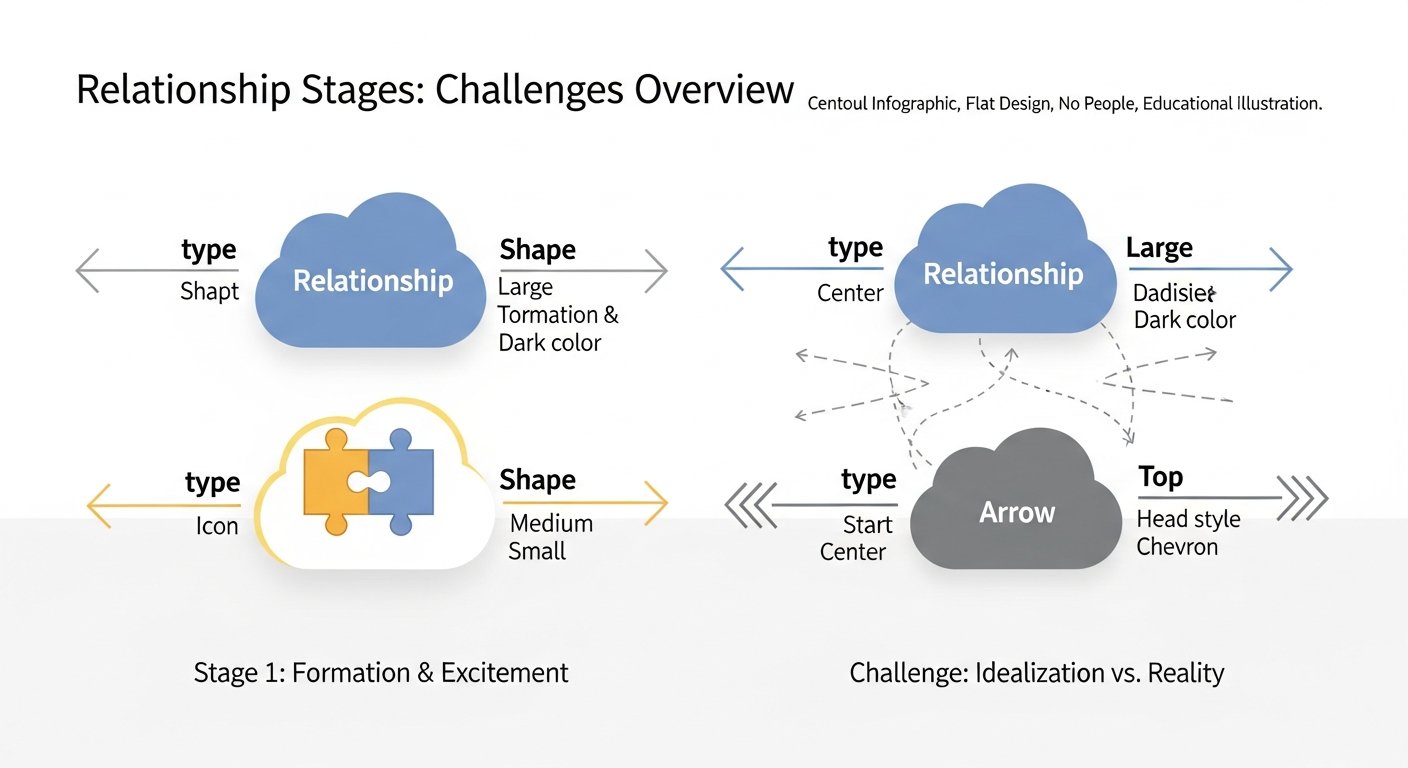
Navigating Relationship Stages Challenges: Digital Wellness for Healthy Love
Relationship stages challenges are the inherent difficulties couples face as their bond evolves, from initial infatuation to deep commitment. These predictable hurdles are a natural part of growth, but their successful navigation hinges significantly on digital wellness—the mindful, intentional use of technology. This article explores the distinct phases of a relationship, highlighting the specific **relationship stages challenges** each presents, and critically examines how proactive digital wellness strategies are crucial for fostering healthy relationships in an increasingly connected world. By understanding these evolving dynamics, partners can equip themselves with the tools to strengthen their bond and build lasting, fulfilling connections, even amidst digital complexities.
Digital wellness, in the context of relationships, refers to the conscious effort by partners to balance their digital lives with their real-world connection. It involves setting healthy boundaries, communicating about technology use, protecting shared privacy, and ensuring that digital interactions enhance, rather than detract from, emotional intimacy and overall relationship health.
Quick Reference: Relationship Stages, Core Challenges, and Digital Wellness Focus
| Relationship Stage | Key Characteristics | Common Challenges | Digital Wellness Focus | Recommended Actions |
|---|---|---|---|---|
| Honeymoon/Formation | Intense attraction, idealization, rapid bonding. | Setting boundaries, differing expectations, over-sharing. | Early digital boundaries, authentic online presence, mutual respect. | Discuss screen time, define social media posting, ensure private moments remain private. |
| Power Struggle/Development | Individuation, conflicting needs, disillusionment, defining roles. | Communication breakdowns, unresolved conflict, perceived neglect. | Mindful digital conflict resolution, avoiding digital triangulation, tech-free connection. | Establish digital “no-go” zones for conflict, prioritize face-to-face discussions, limit social media comparison. |
| Stability/Commitment | Building trust, shared values, deep security, long-term planning. | Boredom, routine, external pressures, digital drift. | Shared digital vision, collaborative tech use, protecting digital intimacy. | Plan digital dates, create shared online calendars, discuss long-term digital goals (e.g., smart home tech). |
| Co-Creation/Transformation | Sustained growth, adaptation, mutual support, evolving identities. | Personal growth misalignment, external stressors, digital habits evolving differently. | Flexible digital boundaries, adapting to new tech, leveraging tech for shared goals. | Regular digital check-ins, exploring new digital experiences together, supporting individual digital pursuits. |
What Are the Inevitable Relationship Stages Challenges?
Relationships are dynamic systems, not static states. They naturally progress through distinct phases, each characterized by unique emotional landscapes, developmental tasks, and, inevitably, specific **relationship stages challenges**. These hurdles are universal, reflecting the inherent complexities of two individuals merging their lives. Recognizing these stages—often broadly categorized as Formation, Development, Commitment, and Co-creation—is the first step towards navigating them successfully. Each transition between stages demands adaptation, negotiation, and often, a re-evaluation of personal and shared boundaries. Crucially, the omnipresence of digital technology means that digital wellness is no longer an optional add-on but an integral component of how couples experience and overcome these challenges, directly impacting the health and longevity of their bond. Understanding this framework allows partners to anticipate potential friction points and proactively build resilience.
What Relationship Stages Challenges Emerge in the Honeymoon Phase?

The Honeymoon Phase, also known as the Formation or Infatuation stage, is characterized by intense attraction, idealization, and a strong desire for closeness. This period typically lasts from a few months to two years, driven by powerful neurochemical responses that foster deep bonding. Key developmental tasks include rapid emotional disclosure, discovering commonalities, and establishing initial patterns of interaction. While exhilarating, this stage is not without its unique **relationship stages challenges**, particularly concerning the nascent establishment of digital boundaries. The urge to share everything can lead to premature digital intimacy or overexposure, and differing expectations about texting frequency or social media tagging can create early friction. Digital wellness in this phase focuses on building a foundation of mutual respect for online presence and communication.
What success looks like: Partners establish clear, comfortable guidelines for texting, social media posts, and online privacy within the first six months, leading to a feeling of shared digital comfort and respect for personal space. For instance, a couple might agree to dedicate certain times for device-free conversation, reporting a 20% increase in perceived closeness.
What failure looks like: Without early discussions, one partner might feel overwhelmed by constant texts or uncomfortable with unsolicited tagging in social media posts, leading to an underlying tension and a 10% decrease in overall satisfaction within the first three months.
What are the common challenges of early digital intimacy?
Early digital intimacy presents unique relationship stages challenges. Rapidly sharing too much personal information online, fueled by infatuation, can lead to vulnerability without adequate trust. The pressure to maintain a constant digital presence, such as immediate text responses, can create anxiety and unrealistic expectations. Furthermore, excessive social media sharing about the new relationship can blur the lines between private moments and public performance, potentially inviting external scrutiny or comparison that undermines the couple’s unique bond. Navigating these digital nuances requires open communication and a conscious effort to prioritize genuine connection over digital display.
How Can You Set Healthy Digital Boundaries from the Start?
Establishing healthy digital boundaries from the outset is paramount for healthy relationships. This involves frank discussions about screen time, particularly during shared activities or intimate moments. Couples should proactively define expectations around social media—what to share, when to tag, and how to manage online connections with ex-partners. It also includes agreements on phone usage during meals or dates, ensuring dedicated, device-free quality time. These conversations, though potentially uncomfortable, lay the groundwork for a secure digital relationship, preventing future misunderstandings and reinforcing the primacy of the in-person connection over digital distractions. Setting these boundaries ensures that digital tools enhance, rather than detract from, the blossoming connection.
See our detailed guide on [CLUSTER LINK: Digital Boundaries in Early Relationships]
How Do Digital Habits Impact Relationship Stages Challenges During the Power Struggle?
Following the initial infatuation, couples inevitably enter the Power Struggle Stage (or Development stage), typically spanning from one to five years. This phase is characterized by a natural shift from idealization to a more realistic view of each other, where individual differences become more prominent. Key tasks include individuation, defining personal needs within the relationship, and negotiating differing expectations, values, and habits. These inherent **relationship stages challenges** often manifest as conflicts, as partners learn to assert themselves and navigate disagreements. Digital communication, while convenient, can significantly exacerbate or mitigate these struggles. Misinterpreting texts, avoiding difficult conversations through digital means, or using social media to air grievances are common pitfalls. Digital wellness in this stage focuses on using technology as a tool for constructive communication, not as a shield or a weapon, to ensure healthy conflict resolution and mutual understanding.
How does digital overuse exacerbate conflict?
Digital overuse can significantly exacerbate conflict within the Power Struggle Stage. When partners are excessively glued to their screens, they can miss crucial non-verbal cues during in-person interactions, leading to miscommunication and heightened frustration. Furthermore, the constant availability of digital devices can tempt individuals to avoid difficult face-to-face conversations, opting instead for emotionally charged texts or emails that lack the nuance of direct dialogue. This digital avoidance prevents genuine resolution and can lead to resentment. Social media comparison, where partners scrutinize other couples’ seemingly perfect online lives, also fuels dissatisfaction and argument, creating unrealistic expectations that are hard to meet in real life.
How Do You Navigate Digital Communication Styles During Disagreements?
Successfully navigating disagreements in the digital age requires conscious effort to manage digital communication styles. When tensions rise, it’s vital to shift away from text-based arguments, which often lack context and tone, and instead prioritize in-person or voice calls for sensitive discussions. Partners should establish a shared understanding that serious issues warrant dedicated, undistracted attention. Setting an agreement to put phones away during conflicts can prevent digital distractions from derailing resolution. Learning to pause before responding to emotionally charged digital messages, and instead suggesting a face-to-face conversation, can de-escalate potential digital firestorms and foster a more respectful, solution-oriented approach to conflict. Effective digital wellness here means understanding when to put the phone down.
What success looks like: A couple facing a disagreement might agree to put their phones away for an hour to discuss the issue face-to-face, resulting in a 30% faster resolution and a feeling of being genuinely heard. For example, they might turn off notifications during their discussion, reporting less interruption and clearer understanding.
What failure looks like: A couple attempts to resolve a serious conflict via text, leading to misinterpretations and escalating anger, resulting in a 48-hour period of unresolved tension and a feeling of increased distance due to passive-aggressive digital exchanges.
See our detailed guide on [CLUSTER LINK: Digital Communication in Conflict]
What Are the Relationship Stages Challenges in the Stability and Commitment Phase?
The Stability or Commitment Stage, typically emerging after five to seven years and potentially lasting decades, marks a period of deep trust, security, and a shared future vision. Couples have navigated earlier **relationship stages challenges**, established their individual identities, and embraced their interdependence. Key developmental tasks include deepening emotional intimacy, planning for long-term goals (e.g., home, family, finances), and fostering a sense of predictable companionship. While significant conflicts may lessen, new challenges arise, such as maintaining passion amidst routine, avoiding complacency, and ensuring that digital habits align with shared values. Digital wellness in this stage involves actively co-creating a shared digital future, leveraging technology to enhance connection and mutual support, rather than allowing it to create digital drift or isolated online worlds.
How Can You Foster Digital Intimacy and Connection in Stable Relationships?
Fostering digital intimacy and connection in the Stability Stage means intentionally using technology to reinforce the bond. This could involve creating shared digital calendars for family activities, collaborating on online financial planning, or sharing positive content that sparks conversation and shared laughter. Digital communication, rather than being a source of distraction, can become a tool for expressing affection through thoughtful messages, planning spontaneous digital dates (like watching a movie together remotely), or simply checking in during busy days. The key is to shift from reactive digital habits to proactive ones, making technology a conscious partner in maintaining emotional closeness and a sense of shared experience, rather than allowing it to be a silent barrier.
Why is Co-Creating a Shared Digital Vision for the Future Important?
Co-creating a shared digital vision for the future involves explicit discussions about how technology will be integrated into the couple’s long-term life. This extends beyond daily screen time to encompass larger questions: how will smart home technology be used? What are the shared privacy settings for family accounts? How will digital memories (photos, videos) be managed and preserved? This collaborative planning ensures that technology choices reflect joint values and goals, preventing future digital discord. By actively designing their digital landscape together, partners can solidify their commitment, deepen trust, and create a harmonious technological environment that supports, rather than detracts from, their shared life journey.
What success looks like: A committed couple regularly reviews their shared digital accounts, discusses future tech purchases (like a new smart home device), and aligns on screen time rules for potential children, fostering a strong sense of unity and shared purpose, leading to a reported 25% increase in feelings of long-term security.
What failure looks like: Partners develop vastly different digital habits over years, leading one to feel digitally abandoned or that their online privacy isn’t respected, resulting in a gradual erosion of trust and a 15% decrease in perceived intimacy.
See our detailed guide on [CLUSTER LINK: Digital Futures for Committed Couples]
How Do Relationship Stages Challenges Evolve in the Co-Creation and Transformation Phase?
The Co-Creation or Transformation Stage represents the ongoing evolution of a mature, healthy relationship. It is characterized by sustained personal and relational growth, a willingness to adapt to life’s inevitable changes, and a profound sense of mutual support. This phase often involves navigating significant life transitions—career changes, raising children, empty-nesting, or retirement—which can introduce new **relationship stages challenges**. The relationship becomes a partnership in navigating these transformations, requiring continuous negotiation and deep empathy. Digital wellness in this stage evolves to support individual and shared growth, leveraging technology for learning, maintaining social connections, and exploring new interests, while remaining vigilant against digital fatigue or becoming overly reliant on screens for interaction. It’s about consciously shaping a digital life that reflects the couple’s enduring and adapting bond.
How Do You Adapt Digital Habits to Life’s Major Transitions?
Life’s major transitions—such as becoming parents, navigating career shifts, or entering retirement—demand significant adaptation of digital habits. What worked in one stage may not in another. New parents, for instance, must balance social media sharing of their children with privacy concerns, and might find their screen time patterns drastically altered by childcare demands. As careers evolve, digital communication becomes even more central for staying connected if partners are traveling. Retirement might open up new opportunities for shared digital hobbies or learning, but also risks increased individual screen time if not managed mindfully. Regularly reassessing and openly discussing how digital tools fit into these new life chapters is crucial for maintaining connection and preventing digital-related stress from overshadowing personal growth and shared experiences.
How Can Technology Be Leveraged for Shared Growth and Exploration?
In the Co-Creation Stage, technology can be a powerful catalyst for shared growth and exploration, enriching the relationship beyond daily routines. Couples can leverage digital platforms for learning new skills together, whether through online courses, shared documentaries, or virtual travel experiences. Technology can facilitate shared hobbies, from collaborative online gaming to planning real-world adventures using travel apps. It can also help partners stay connected with extended family and friends, fostering a broader support network. The goal is to move beyond passive consumption to active, collaborative engagement with digital tools, transforming them into vehicles for mutual development, intellectual stimulation, and shared discovery, ultimately strengthening the relational fabric.
What success looks like: An empty-nest couple uses video calls weekly to connect with adult children, jointly plans a complex international trip using multiple travel apps, and takes an online course together, reporting a revitalized sense of shared purpose and connection (an observed 18% increase in novelty and excitement).
What failure looks like: One partner becomes excessively absorbed in individual online hobbies (e.g., online gaming, endless scrolling), while the other feels neglected and experiences a decline in shared activities and conversations, leading to a palpable sense of emotional distance and a 20% drop in shared quality time.
See our detailed guide on [CLUSTER LINK: Digital Intimacy in Long-Term Relationships]
What Are Common Mistakes in Navigating Relationship Stages Challenges?
Successfully navigating **relationship stages challenges** requires not only proactive strategies but also an awareness of common pitfalls. Many couples stumble over predictable hurdles, often exacerbated by the pervasive influence of digital technology. Recognizing these mistakes is the first step toward avoiding them and strengthening your bond.
- Ignoring Digital Red Flags: Dismissing concerns about excessive screen time, secretive phone use, or discomfort with online interactions as minor issues.
- Avoiding Digital Boundary Conversations: Failing to openly discuss and agree upon healthy digital habits from the outset, leading to unspoken resentments.
- Using Digital Devices as an Escape: Retreating to phones or tablets to avoid difficult conversations, emotional intimacy, or shared activities.
- Comparing Your Relationship to Social Media Highlights: Allowing curated online portrayals of other couples to create unrealistic expectations and dissatisfaction with your own relationship.
- Misinterpreting Digital Communication: Relying on text or email for sensitive discussions, leading to misunderstandings due to a lack of tone, context, and non-verbal cues.
- Over-Sharing Personal Details Online: Publicizing intimate aspects of your relationship or private disagreements, violating trust and inviting external judgment.
- Neglecting “Digital Hygiene”: Failing to protect shared online privacy, manage digital footprint, or address cybersecurity, which can lead to insecurity and vulnerability.
- Assuming Digital Alignment: Believing that your partner’s digital expectations and habits are identical to yours without explicit discussion.
- Allowing “Phubbing” to Become the Norm: Consistently ignoring your partner in favor of your phone (phone snubbing), diminishing their sense of importance and connection.
See our detailed guide on [CLUSTER LINK: Recognizing and Avoiding Digital Pitfalls in Relationships]
What Strategies Overcome Relationship Stages Challenges Through Digital Wellness?
Overcoming **relationship stages challenges**, especially in the digital age, requires a proactive and intentional approach to digital wellness. By integrating mindful tech use into your relationship, you can transform potential pitfalls into opportunities for deeper connection and resilience.
- Establish “Device-Free Zones” and Times: Designate specific times (e.g., meals, bedtime, date nights) and places (e.g., bedroom, dinner table) as completely device-free. This creates sacred spaces for undistracted connection.
- Practice Mindful Digital Communication: Agree to use richer communication methods (in-person, video call, voice call) for sensitive or important discussions. Use texts for logistics or lighthearted check-ins only.
- Co-Create a “Digital Mission Statement”: As a couple, discuss and articulate how you want technology to serve your relationship. This shared vision can guide individual habits and joint decisions about tech.
- Schedule “Digital Detox Dates”: Regularly disconnect from all devices together for an extended period (e.g., a weekend retreat, a long walk). This reinforces your bond and reduces digital fatigue.
- Engage in Shared Digital Activities: Explore online hobbies, watch streaming content together, or plan virtual dates. Use technology to facilitate shared experiences, not just individual consumption.
- Review and Update Digital Boundaries Regularly: Relationships evolve, and so should digital boundaries. Conduct periodic “digital check-ins” to discuss what’s working, what’s not, and adjust agreements as needed.
- Prioritize Digital Security and Privacy Together: Work as a team to protect shared accounts, manage online privacy settings, and be vigilant against digital threats. This builds trust and shared responsibility.
How can mindful tech use strengthen your bond?
Mindful tech use strengthens your bond by ensuring that technology serves your relationship, rather than dictating it. When partners intentionally choose how and when to use digital devices, they reduce distractions, enhance present-moment awareness, and create more opportunities for genuine interaction. This includes setting boundaries that protect quality time, using communication apps to express affection or coordinate thoughtfully, and leveraging shared digital experiences to build new connections. By consciously integrating digital wellness, couples cultivate a sense of respect, mutual presence, and shared control over their digital lives, leading to deeper emotional intimacy and a more resilient, healthy relationship that thrives in any stage.
See our detailed guide on [CLUSTER LINK: Mindful Tech Use for Stronger Relationships]
What is the Impact of Digital Habits on Relationship Stages Challenges?
| Digital Habit | Potential Negative Impact (by stage) | Potential Positive Impact (with mindful use) | Healthy Alternatives/Strategies |
|---|---|---|---|
| Excessive Screen Time | Honeymoon: Missed early bonding cues; Power Struggle: Digital avoidance of conflict; Stability: Digital drift, perceived neglect; Co-creation: Isolated online worlds. | Increased individual mental well-being; provides relaxation; can facilitate shared digital hobbies. | Set device-free hours/zones; use screen time tracking apps; schedule digital detoxes. |
| Social Media Comparison | Honeymoon: Unrealistic expectations; Power Struggle: Fuels insecurity, jealousy; Stability: Dissatisfaction with relationship; Co-creation: Internalizing societal pressures. | Inspiration for shared experiences; staying connected with friends/family. | Unfollow triggering accounts; focus on your own relationship’s unique journey; limit social media exposure. |
| Digital Communication Style (e.g., texting) | Honeymoon: Misinterpretations due to lack of tone; Power Struggle: Escalated conflicts, emotional distance; Stability: Superficial interactions; Co-creation: Avoiding deep discussions. | Quick logistics, expressing affection; checking in during busy days; planning surprises. | Prioritize face-to-face/voice calls for important talks; agree on appropriate use for texts vs. calls. |
| Online Privacy & Sharing | Honeymoon: Over-sharing, boundary violations; Power Struggle: Trust issues, public airing of grievances; Stability: Compromised shared security; Co-creation: Differing views on children’s digital footprint. | Shared digital memories; feeling connected to partner’s life; mutual transparency. | Discuss posting rules; agree on shared privacy settings; respect individual digital autonomy. |
| “Phubbing” (Phone Snubbing) | All Stages: Leads to partner feeling ignored, devalued; reduces presence and attunement. | Allows quick info check, urgent response. | Put phones away during conversations/dates; turn off notifications; acknowledge partner’s presence before checking phone. |
Summary: A Holistic View of Relationship Stages Challenges and Digital Impact
Navigating **relationship stages challenges** is a journey of continuous growth, adaptation, and shared effort. From the passionate intensity of the Honeymoon Phase to the profound interconnectedness of Co-Creation, each stage presents unique hurdles that test a couple’s resilience and commitment. What has become undeniably clear in 2026 is that digital wellness is not a peripheral concern but a central pillar supporting healthy relationships through all these transitions. The mindful integration of technology—setting clear boundaries, fostering intentional communication, and co-creating a shared digital vision—transforms potential digital pitfalls into powerful tools for connection. By understanding the evolving nature of challenges across relationship stages and proactively addressing the digital dimension, couples can build deeper trust, enhance emotional intimacy, and forge enduring bonds that thrive in both the physical and digital realms. Prioritizing healthy digital habits ensures that technology remains a servant to your love, not its master.
For more in-depth resources on fostering healthy relationships and mastering digital wellness, explore our comprehensive guides on [CLUSTER LINK: Healthy Relationship Communication], [CLUSTER LINK: Setting Digital Boundaries], and [CLUSTER LINK: Overcoming Digital Distraction in Relationships].