
Understanding and Overcoming Toxic Relationship Dynamics: A Complete Guide
By Dr. Emily Thorne, Relationship Psychologist
What Exactly Constitutes a Toxic Relationship? Defining the Unhealthy
The term “toxic relationship” is widely used, but its precise definition can sometimes feel elusive. It’s crucial to understand that toxicity isn’t about occasional disagreements or the normal ups and downs every relationship experiences. Healthy relationships have their challenges; toxic ones, however, are characterized by consistent, damaging patterns of interaction that erode self-esteem, trust, and overall well-being. These dynamics are not isolated incidents but rather recurring cycles that leave one or both partners feeling unhappy, unfulfilled, and often emotionally or even physically unsafe.
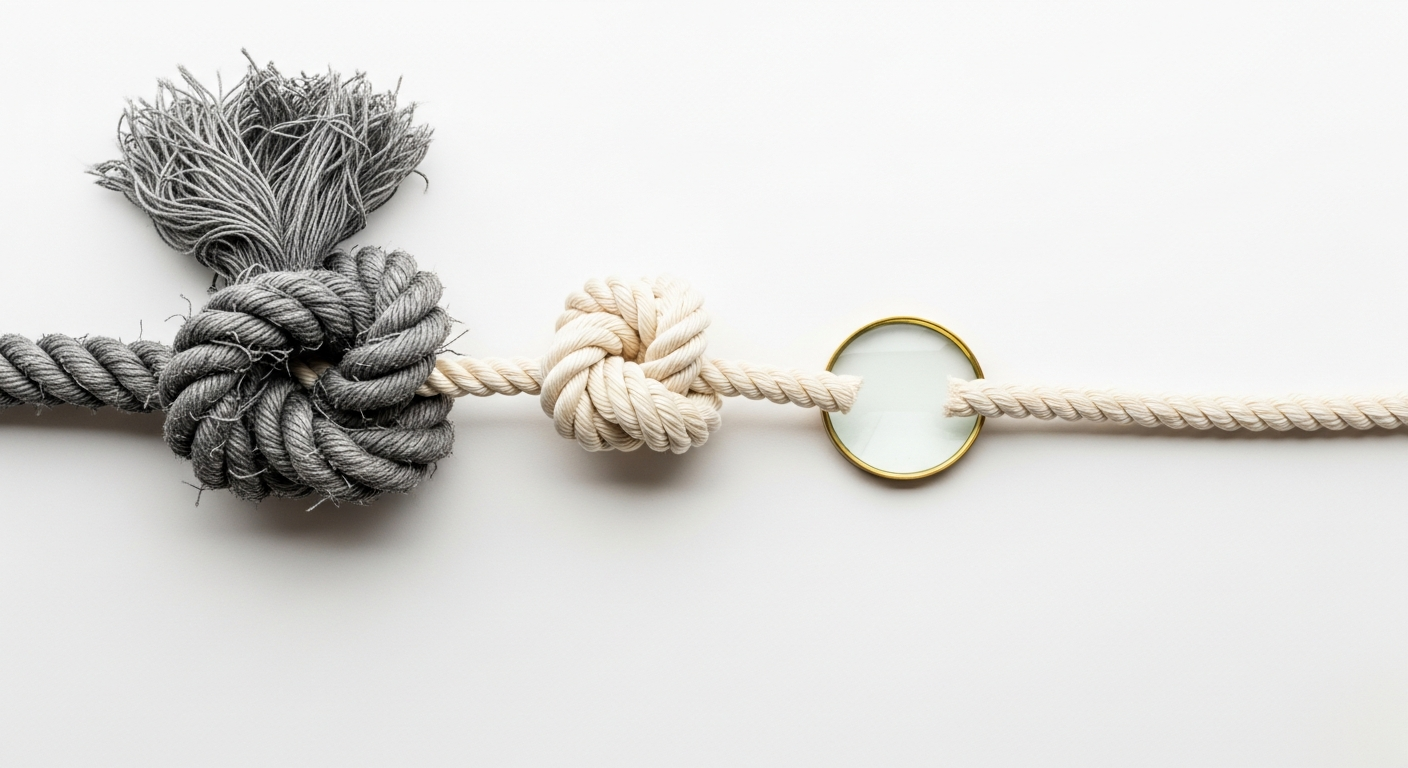
At its core, a toxic relationship is one where the negative interactions outweigh the positive ones, consistently undermining rather than nurturing you. It’s a dynamic that drains your energy, makes you doubt yourself, and leaves you feeling worse after interactions than before. Think of it less as a single argument and more as a persistent, low-grade infection that slowly weakens your entire system. The danger often lies in the gradual nature of its onset, akin to the “frog in boiling water” analogy – the temperature rises so slowly that the frog doesn’t realize it’s in danger until it’s too late. Similarly, individuals in toxic dynamics may not recognize the severity of the situation until significant damage has been done.
Key Characteristics of Toxic Relationship Dynamics:
- Lack of Mutual Respect: One or both partners consistently disrespect each other’s boundaries, opinions, or feelings. This can manifest as belittling, mocking, or dismissing concerns.
- Constant Criticism and Negativity: A pervasive atmosphere where one partner is frequently criticized, put down, or made to feel inadequate, often under the guise of “helpful feedback.”
- Control and Manipulation: Attempts by one partner to dictate the other’s actions, choices, friendships, or finances. Manipulation often involves gaslighting, guilt-tripping, or playing the victim.
- Dishonesty and Lack of Trust: Repeated instances of lying, keeping secrets, or betraying trust, leading to a constant state of suspicion and insecurity.
- Emotional Volatility: Unpredictable mood swings, explosive arguments, or dramatic reactions to minor issues, creating an environment of walking on eggshells.
- Power Imbalance: One partner consistently holds more power, making decisions, or having their needs prioritized, while the other’s needs are consistently minimized or ignored.
- Isolation: Efforts by one partner to distance the other from their friends, family, or support networks, making them more dependent on the toxic partner.
- Lack of Empathy: An inability or unwillingness to understand or share the feelings of the other person, leading to dismissive responses to pain or distress.
Actionable Tip: Self-Assessment for Toxicity
To begin your journey of understanding toxic relationships, take a moment to reflect on your own dynamics. Ask yourself these questions:
- Do I consistently feel drained, anxious, or unhappy after spending time with this person?
- Do I often doubt myself or feel like I’m “too sensitive” after our interactions?
- Do I feel controlled, manipulated, or constantly judged?
- Do I feel like I have to walk on eggshells to avoid upsetting them?
- Are my needs and feelings consistently overlooked or dismissed?
- Have my other relationships (friends, family) suffered because of this relationship?
- Do I feel like a lesser version of myself when I’m with this person?
If you answered yes to several of these questions, it’s a strong indicator that you might be in a toxic relationship dynamic.
The Many Faces of Toxicity: Recognizing Common Dynamics

Toxic relationship dynamics don’t manifest in a single, universal way. They can be subtle or overt, insidious or explosive, taking on various forms depending on the personalities and patterns involved. Recognizing these common manifestations is crucial for effective intervention and healing. While every relationship is unique, these archetypal patterns offer a framework for better understanding toxic relationships in your life.
Common Toxic Relationship Dynamics:
- Narcissistic Abuse: This dynamic involves a partner with narcissistic traits who constantly seeks admiration, lacks empathy, and exploits others for their own gain. They often gaslight, devalue, and manipulate their partner, leaving them feeling worthless and confused. The cycle typically involves idealization, devaluing, and eventual discard, creating intense trauma bonds.
- Codependency: While not inherently malicious, codependency creates an unhealthy imbalance. One partner (the “giver”) sacrifices their own needs, desires, and identity to care for or please the other (the “taker”), often enabling unhealthy behaviors. The giver derives self-worth from being needed, leading to a loss of self and resentment.
- Emotional Manipulation: This is a broad category encompassing several tactics:
- Gaslighting: Making you doubt your sanity, memory, or perception of reality (“That never happened,” “You’re imagining things,” “You’re too sensitive”).
- Guilt-Tripping: Using guilt to control your actions or make you feel responsible for their feelings or problems.
- Silent Treatment: Withholding communication, affection, or attention as a form of punishment, creating anxiety and desperation for reconciliation.
- Playing the Victim: Constantly portraying themselves as the injured party, deflecting blame and garnering sympathy to manipulate situations.
- Controlling Behavior: This goes beyond typical jealousy and extends to isolating a partner from friends and family, monitoring their communications, dictating their appearance or activities, or even controlling their finances. This behavior is designed to strip the partner of autonomy and create dependence.
- Chronic Criticism and Belittling: A relentless barrage of negative comments about a partner’s appearance, intelligence, choices, or personality. This erodes self-esteem over time, making the individual believe they are incapable or unworthy. It often comes disguised as “jokes” or “constructive criticism.”
- Passive Aggression: Indirect expression of hostility, such as subtle insults, sullen behavior, procrastination, or deliberate inefficiency, rather than direct communication of anger or disagreement. This creates frustration and unresolved conflict.
- The “Scorekeeper”: One partner meticulously remembers every past grievance, mistake, or perceived slight, bringing them up during arguments to gain an upper hand or justify their own poor behavior. This prevents genuine resolution and healing.
These dynamics can overlap and combine, making it even harder to untangle the web of toxicity. For example, a narcissistic partner might frequently use gaslighting and isolation as part of their controlling tactics.
Actionable Tip: Documenting Patterns
If you suspect you’re in a toxic dynamic, start a private journal or notes file. Document specific incidents, including the date, what happened, what was said, and how you felt. This isn’t about creating an evidence file for a legal case (though it can be useful in some extreme situations) but rather for your own clarity. Over time, you’ll begin to see undeniable patterns, which can be incredibly validating and empowering when you’re doubting your perceptions due to manipulation. This objective record helps solidify your understanding toxic relationships and gives you a factual basis to stand on.
Why Do We Stay? The Psychology Behind Enduring Toxic Relationships
One of the most perplexing aspects of toxic relationships, for both those within them and observers, is why individuals often remain trapped in such damaging dynamics. The answer is rarely simple, involving a complex interplay of psychological, emotional, social, and even economic factors. A deeper dive into these underlying reasons is crucial for truly understanding toxic relationships and developing strategies for escape and healing.
Psychological Factors:
- Attachment Styles: Our early childhood experiences with caregivers shape our adult attachment styles. Anxious-preoccupied individuals, for example, might tolerate poor treatment for fear of abandonment, while dismissive-avoidant types might unconsciously gravitate towards partners who mirror their emotional distance, reinforcing unhealthy patterns.
- Low Self-Esteem and Self-Worth: Individuals with a diminished sense of self are more susceptible to toxic dynamics. They may believe they don’t deserve better, that this is the best they can get, or internalize the abuser’s criticisms, which further erodes their self-worth.
- Trauma Bonding: This is a powerful, insidious bond that forms in relationships with intermittent reinforcement (cycles of abuse followed by periods of kindness or apologies). The brain releases chemicals like oxytocin during positive interactions, creating a strong attachment to the abuser, even though the overall pattern is harmful. It’s a survival mechanism gone awry.
- Hope for Change (“Sunk Cost Fallacy”): Many hold onto the hope that their partner will eventually change back to the person they were in the “honeymoon phase,” or that their love can “fix” them. This is often fueled by past positive experiences and a reluctance to “give up” on the investment of time, emotion, and effort already put into the relationship.
- Cognitive Dissonance: The discomfort experienced when holding conflicting beliefs, values, or attitudes. To resolve this, a person might rationalize or minimize the abuse (“It’s not that bad,” “They didn’t mean it”) to align with their belief that they are in a loving relationship.
Emotional and Social Factors:
- Fear of Loneliness or Being Single: The thought of being alone can be terrifying, especially for those who have been isolated by their toxic partner. Societal pressures to be in a relationship can also play a role.
- Social Stigma and Shame: Admitting to being in an abusive or toxic relationship can come with feelings of shame, embarrassment, or fear of judgment from friends and family.
- Loss of Identity: Over time, individuals in toxic relationships often lose touch with their own identity, interests, and even their own voice. The thought of rebuilding this from scratch can feel overwhelming.
- Lack of Support System: Toxic partners often strategically isolate their victims, making it harder to reach out for help or receive external validation of their experiences.
Practical and Economic Factors:
- Financial Dependence: A significant barrier for many, especially if they are not employed, have limited access to funds, or share assets with their partner.
- Shared Children: The desire to keep a family unit together, or fears about co-parenting with an abusive partner, can compel individuals to stay.
- Housing and Resources: The practical challenges of finding new housing, especially without financial independence, can be daunting.
Recognizing these psychological underpinnings is the first step toward breaking free. Instead of blaming yourself for staying, cultivate self-compassion. Understand that these are powerful, often unconscious, forces at play. Engage in practices that build self-awareness: therapy, journaling, and mindfulness can help you identify your attachment patterns, confront your fears, and challenge distorted beliefs about yourself and your relationship. Start small by noticing your internal reactions to your partner’s behavior without judgment, allowing yourself to feel what you truly feel rather than what you believe you should feel.
The Devastating Impact: How Toxic Dynamics Affect Your Well-being

The effects of living within toxic relationship dynamics extend far beyond mere unhappiness. They insidiously erode every aspect of an individual’s well-being, leaving deep and lasting scars. Understanding toxic relationships fully requires acknowledging the profound, often invisible, damage they inflict on mental, emotional, physical, and social health. This impact can accumulate over time, making it increasingly difficult to function, connect with others, or even recognize one’s true self.
Mental and Emotional Health:
- Anxiety and Depression: The constant stress, fear, and uncertainty inherent in toxic relationships are primary drivers of anxiety disorders and clinical depression. The feeling of walking on eggshells, anticipating conflict, or constantly being criticized creates a perpetual state of hypervigilance.
- Post-Traumatic Stress Disorder (PTSD) or Complex PTSD (C-PTSD): Especially in cases of prolonged emotional abuse, manipulation, or narcissistic abuse, individuals can develop C-PTSD. This involves persistent symptoms like flashbacks, nightmares, emotional numbness, difficulty with emotional regulation, distorted self-perception, and troubled relationships, even after the toxic dynamic ends.
- Erosion of Self-Esteem and Self-Worth: Through belittling, criticism, and gaslighting, a toxic partner systematically dismantles your confidence and belief in yourself. You begin to internalize their negative narratives, doubting your intelligence, attractiveness, and capability.
- Loss of Identity: Over time, individuals in toxic relationships often lose touch with their authentic selves. They adapt to their partner’s demands, suppress their own desires, and disconnect from their interests, becoming a shadow of who they once were.
- Difficulty with Trust: Repeated betrayal and manipulation make it incredibly difficult to trust others, including future partners, friends, and even therapists, hindering the healing process and future healthy connections.
- Emotional Exhaustion and Numbness: The constant emotional roller coaster and effort to manage the toxic dynamic lead to profound emotional fatigue, often resulting in a feeling of numbness or an inability to experience joy or pleasure.
Physical Health:
The mind-body connection is undeniable. Chronic stress from toxic relationship dynamics takes a significant toll on physical health:
- Weakened Immune System: Sustained stress hormones (like cortisol) suppress the immune system, making individuals more susceptible to illnesses, from common colds to more serious conditions.
- Sleep Disturbances: Anxiety, rumination, and stress often lead to insomnia, restless sleep, and chronic fatigue, further impairing cognitive function and mood.
- Increased Risk of Chronic Diseases: Long-term stress is linked to a higher risk of cardiovascular problems, digestive issues (IBS), chronic pain, and other stress-related ailments.
- Changes in Appetite and Weight: Stress can lead to either overeating or loss of appetite, contributing to unhealthy weight fluctuations.
- Physical Symptoms: Frequent headaches, muscle tension, stomach aches, and general malaise are common physical manifestations of emotional distress.
Social Impact:
- Social Isolation: Toxic partners often isolate their victims from friends and family, either directly by forbidding contact or indirectly by creating drama and making it difficult for the victim to maintain outside relationships. This leaves the individual without a crucial support network.
- Strained Relationships with Others: Even if not directly isolated, the emotional toll of a toxic relationship can make it hard to engage authentically with others, leading to withdrawal or difficulty connecting. Friends and family may also grow weary of constant relationship drama or be unsure how to help.
- Professional Impact: The stress, anxiety, and depression can impact concentration, productivity, and motivation, potentially affecting career performance and stability.
A recent study published in the Journal of Family Psychology highlighted that individuals in high-conflict, toxic relationships reported significantly higher levels of chronic stress, anxiety, and depressive symptoms compared to those in healthy relationships, often leading to a greater reliance on unhealthy coping mechanisms. The World Health Organization also emphasizes that violence in intimate relationships, which includes emotional and psychological abuse, is a significant public health problem with extensive mental and physical health consequences.
Recognizing the vast impact of these dynamics underscores the urgency of addressing them. Prioritize self-care, not as a luxury, but as a necessity for survival and healing. This could involve mindful meditation, regular exercise, healthy eating, adequate sleep, and engaging in hobbies that bring you joy. Crucially, seek professional help. A qualified therapist, particularly one specializing in trauma, narcissistic abuse, or relationship dynamics, can provide a safe space to process your experiences, validate your feelings, and equip you with coping strategies. They can help you reconstruct your self-worth and develop a clear path forward.
Breaking the Cycle: Practical Steps to Overcome Toxic Relationship Dynamics
Overcoming toxic relationship dynamics is a journey, not a single event. It requires courage, self-awareness, and a commitment to your own well-being. This process can be broken down into several phases, each with its own set of practical steps, designed to empower you to reclaim your life and foster healthier connections. True understanding toxic relationships leads to the realization that change is possible, and you deserve a life free from emotional drain.
Phase 1: Recognition, Acceptance, and Detachment
- Acknowledge the Reality: This is the hardest but most crucial step. Use your self-assessment and documented patterns (from previous sections) to firmly acknowledge that the relationship is toxic. Stop minimizing the behavior or making excuses for your partner. Accept that the person you hope they will be is not who they are currently showing you.
- Challenge Your Cognitive Biases: Actively confront the “sunk cost fallacy” and the “hope for change” narrative. Understand that you cannot change another person; they must choose to change themselves. Focus on what you can control: your own actions and reactions.
- Emotional Detachment (If full separation isn’t immediately possible): If you cannot immediately leave the relationship, practice emotional detachment. This means disengaging from arguments, refusing to be drawn into drama, and limiting emotional investment. You’re still physically present but creating emotional distance for self-preservation. Set mental boundaries to protect your energy.
Phase 2: Setting and Enforcing Boundaries
- Identify Your Non-Negotiables: What behaviors are absolutely unacceptable to you? What do you need in a relationship to feel respected and safe? Be clear about these boundaries. Examples: “I will not tolerate shouting,” “I need respectful communication,” “I will not discuss this when you’re intoxicated.”
- Communicate Boundaries Clearly: State your boundaries calmly, directly, and without apology. Use “I” statements: “I feel disrespected when you interrupt me, and I will not continue this conversation if it happens.”
- Enforce Consequences Consistently: This is where many people falter. A boundary without a consequence is merely a suggestion. If your boundary is violated, follow through. This might mean ending a conversation, walking away, or limiting contact. Your consistency teaches others how to treat you.
- Prepare for Pushback: Toxic individuals often react negatively to boundaries because it means losing control. They may escalate, guilt-trip, or try to manipulate you. Be prepared for this and stand firm. This pushback is often confirmation that your boundaries are necessary.
Phase 3: Building a Robust Support System
- Reconnect with Trusted Friends and Family: Reach out to people who genuinely care about you, who validate your feelings, and who offer unconditional support. Share your experiences (to the extent you feel comfortable) and allow them to support you.
- Seek Professional Help: As mentioned, therapy is invaluable. A therapist can help you process trauma, develop coping mechanisms, build self-esteem, and create a safety plan if needed. Group therapy or support groups for survivors of abuse can also provide a sense of community and shared understanding.
- Find a Mentor or Coach: Sometimes, having someone who has navigated similar challenges can provide guidance and encouragement.
Phase 4: Creating an Exit Strategy (If Necessary)
For many toxic relationships, especially those involving abuse, leaving is the healthiest option. This requires careful planning for your safety and future.
- Prioritize Safety: If there’s any risk of physical harm, consult with domestic violence hotlines or local shelters for immediate safety planning.
- Financial Planning: Discreetly save money, open a separate bank account, gather important documents (ID, birth certificates, financial records). Seek legal advice if joint assets or child custody are involved.
- Logistical Arrangements: Plan where you will go (friend’s house, family, shelter), how you will transport your belongings, and if possible, inform your support system of your plan.
- Go No Contact or Low Contact: After leaving, establish no contact if possible. Block them on social media, phone, and email. If co-parenting or other unavoidable interactions exist, establish strict low-contact protocols, communicating only about essential matters through written channels.
Phase 5: Healing and Rebuilding Your Life
- Grieve the Loss: Even a toxic relationship involves a loss – of time, dreams, and the person you hoped they would be. Allow yourself to grieve.
- Rediscover Your Identity: Reconnect with old hobbies, find new interests, spend time alone to rediscover who you are outside of that dynamic. Journaling can be particularly helpful here.
- Practice Self-Compassion and Self-Care: Continue to prioritize your physical and mental health. Be kind to yourself as you heal. Recognize that healing is not linear.
- Learn from the Experience: Reflect on what you’ve learned about yourself, your needs, and relationship red flags. Use this knowledge to inform future choices, rather than letting it make you cynical.
- Build Healthy Relationship Skills: Work on your communication skills, emotional regulation, and boundary setting. Learn to identify and cultivate relationships based on mutual respect, trust, and empathy.
Remember, this path is challenging, but each step taken is a step towards reclaiming your peace, your self-worth, and your future. You are worthy of healthy, fulfilling relationships.
Cultivating Healthy Relationships: Moving Forward with Intention
After navigating the complexities of understanding toxic relationships and taking steps to overcome them, the next crucial phase is to consciously cultivate healthy connections. This isn’t about avoiding intimacy forever, but rather approaching relationships with intention, self-awareness, and a clear understanding of what constitutes a truly supportive and enriching bond. Healing allows you to break past patterns and build relationships that genuinely uplift you.
Key Elements of Healthy Relationships:
- Mutual Respect: Both partners value and honor each other’s opinions, feelings, boundaries, and autonomy. They listen actively and genuinely consider each other’s perspectives, even when they disagree.
- Trust and Honesty: Open, truthful communication forms the bedrock. Partners feel safe to be vulnerable, knowing their secrets will be kept and promises honored. Consistency in words and actions builds unwavering trust.
- Open and Effective Communication: The ability to express thoughts, feelings, and needs clearly and respectfully. This involves active listening, validating emotions, and engaging in constructive conflict resolution without resorting to blame or personal attacks.
- Empathy and Compassion: A genuine ability and willingness to understand and share the feelings of your partner. This means offering comfort, support, and understanding during difficult times, and celebrating successes together.
- Equality and Partnership: Both partners have equal say and share responsibilities, burdens, and joys. There’s no dominant-submissive dynamic; decisions are made collaboratively, and each person’s contributions are valued.
- Individual Autonomy and Support: Partners encourage each other’s individual growth, interests, friendships, and goals. They provide space for personal development and celebrate each other’s achievements without jealousy or insecurity.
- Shared Values and Goals: While not identical, having core values and life goals that align helps ensure both partners are moving in a generally similar direction, minimizing fundamental conflicts.
- Affection and Appreciation: Regular expressions of love, appreciation, and physical affection (appropriate to the relationship type) reinforce positive feelings and connection.
Practical Steps for Cultivating Healthy Relationships:
- Focus on Self-Love and Self-Worth: Before seeking a new relationship, invest deeply in your relationship with yourself. Understand your own worth, needs, and boundaries. When you love and respect yourself, you’re less likely to tolerate disrespect from others.
- Identify Your Core Values and Non-Negotiables: What truly matters to you in a relationship? What are your deal-breakers? Having clarity on these helps you evaluate potential partners more effectively and avoid settling for less.
- Learn to Identify Red Flags Early: Armed with your newfound understanding of toxic dynamics, pay attention to early warning signs. These might include love bombing, excessive jealousy, controlling tendencies (even subtle ones), inconsistent behavior, or a lack of empathy during initial interactions. Trust your gut feeling.
- Practice Mindful Communication: Apply the communication skills you’ve learned. Be present during conversations, listen actively, and speak your truth kindly and clearly. Avoid assumptions and clarify intentions.
- Set Healthy Boundaries from the Outset: Don’t wait for problems to arise. Clearly communicate your boundaries regarding time, personal space, digital interactions (e.g., phubbing, constant messaging), and emotional needs early in a new relationship. A healthy partner will respect them.
- Build a Diverse Support Network: Nurture relationships with friends, family, and community members. A strong support system outside of your romantic partnership creates balance and prevents codependency.
- Seek Therapy or Coaching (Ongoing): Even after leaving a toxic relationship, ongoing therapy can be beneficial. It helps reinforce healthy patterns, process any lingering trauma, and guides you in building robust, resilient relationships moving forward.
Cultivating healthy relationships is an ongoing process of learning, growing, and intentional effort. It requires a commitment to open communication, mutual respect, and a willingness from both parties to navigate challenges constructively. By embracing these principles, you can build connections that are not only free from toxicity but are also deeply fulfilling, supportive, and truly enriching to your life.
Summary and Next Steps
Understanding toxic relationships is more than just identifying bad behavior; it’s a crucial step towards reclaiming your power, your peace, and your authentic self. These dynamics, often subtle and insidious, can leave profound scars on every aspect of your well-being, from mental and emotional health to physical vitality and social connections. We’ve explored the defining characteristics of toxicity, recognized its various manipulative faces, delved into the complex psychological reasons why individuals stay, and acknowledged the devastating impact these relationships inflict.
Crucially, this guide also provides a roadmap for liberation and healing. From the vital first steps of recognition and detachment, through the empowering process of setting and enforcing boundaries, to the meticulous planning required for an exit strategy, and finally, the essential journey of rebuilding and cultivating healthy relationships – each phase is an act of profound self-love. Remember that healing is not linear, and it takes time, patience, and unwavering self-compassion. You are worthy of respect, happiness, and relationships that uplift and nurture your spirit.
If you recognize elements of toxic dynamics in your own life, know that you are not alone, and change is possible. Take the first brave step today: reach out to a trusted friend, family member, or a qualified mental health professional. Your journey towards healthier relationships and a more mindful, fulfilling life begins now. At Stop Phubbing, we believe in empowering you to foster connections that truly enhance your digital wellness and overall well-being.
Frequently Asked Questions