

By Dr. Emily Thorne | Published by Strong Foundations Counseling | Date Published: January 15, 2024 | Last Modified: July 30, 2024
Is Pre-Marital Counseling Right for You? A Guide to Building a Strong Foundation
What is Pre-Marital Counseling? More Than Just Problem-Solving
Often, the idea of counseling conjures images of crisis intervention, a last resort for relationships teetering on the brink. However, pre-marital counseling completely refutes this misconception. It is, at its heart, a preventative measure, a dedicated space for couples to explore the dynamics of their relationship before they walk down the aisle. Think of it less as a repair shop and more as a detailed blueprint session for constructing a resilient, future-proof home for your love story.
A trained counselor, typically a licensed marriage and family therapist (LMFT) or a specially trained clergy member, facilitates these sessions. Their role isn’t to judge or take sides, but to guide conversations around critical areas of married life that couples might not otherwise discuss in depth until issues arise. The process is structured, often involving a series of meetings where specific topics are brought to the forefront, allowing both partners to articulate their perspectives, fears, and hopes in a neutral, supportive environment.
Key areas typically covered in pre-marital counseling include:
- Communication Styles: How do you express needs, resolve disagreements, and truly listen to each other?
- Financial Management: Discussing incomes, debts, spending habits, savings goals, and financial transparency.
- Conflict Resolution: Developing healthy strategies for fighting fair, compromising, and making amends.
- Intimacy and Affection: Addressing expectations around physical and emotional closeness, sex, and demonstrating love.
- Family of Origin: Understanding how family backgrounds influence expectations and behaviors in your own marriage.
- Roles and Responsibilities: Discussing household duties, career goals, parenting styles (if applicable), and shared visions for the future.
- Values and Beliefs: Exploring spirituality, life goals, ethical frameworks, and how these align or diverge.
Statistical evidence underscores the profound impact of this proactive approach. Research published in the Journal of Family Psychology, for instance, has shown that couples who participate in pre-marital education programs report significantly higher marital satisfaction and lower rates of divorce compared to those who do not. Studies on programs like PREPARE/ENRICH indicate that couples who complete their program experience a 30% increase in relationship satisfaction. This isn’t just about avoiding divorce; it’s about actively building a marriage that thrives, equipped with the tools to navigate life’s inevitable challenges as a united front. It’s an intentional step towards understanding your partner and yourself more deeply, fostering empathy, and creating a shared vision for your life together.
Practical Tip: Approach pre-marital counseling not as a test of your relationship, but as a shared learning experience. Both partners should commit to open dialogue and a willingness to explore uncomfortable topics, viewing it as an investment in a richer, more resilient future together.
What Are the Core Benefits of Engaging in Pre-Marital Counseling?
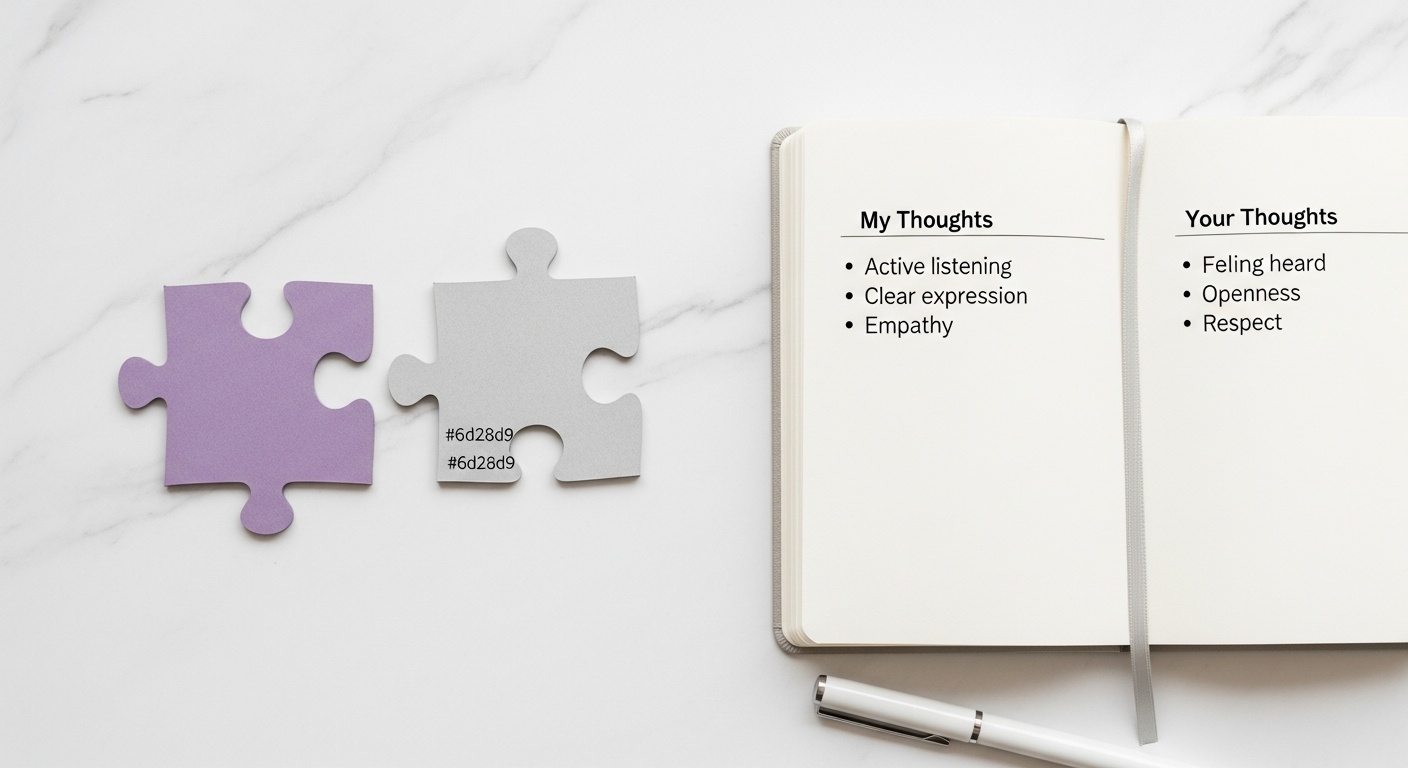
While the concept of pre-marital counseling might seem daunting to some, the tangible benefits it offers are vast, extending far beyond simply preventing future arguments. It’s about building a robust relational infrastructure that can withstand the test of time, fostering deep understanding, and cultivating a partnership rooted in conscious effort.
Enhanced Communication Skills
One of the most profound benefits is the development of superior communication skills. Many couples believe they communicate well, but counseling teaches specific techniques for active listening, empathetic responding, and articulating needs without blame. You learn to move beyond superficial conversations to truly hear and understand your partner’s underlying feelings and perspectives. This includes skills like using “I” statements, validating emotions, and de-escalating tension, transforming potential arguments into constructive dialogues.
Effective Conflict Resolution
Conflict is an inevitable part of any long-term relationship. What differentiates strong marriages from fragile ones isn’t the absence of conflict, but the ability to resolve it constructively. Pre-marital counseling provides a safe space to practice healthy conflict resolution strategies. You learn to identify conflict patterns, understand triggers, and develop fair fighting rules. The goal isn’t to eliminate disagreement, but to learn how to navigate differences respectfully, find compromises, and repair any relational ruptures effectively, ensuring that disagreements strengthen your bond rather than erode it.
Financial Alignment and Transparency
Money is a leading cause of marital stress and divorce. Discussing finances before marriage ensures both partners are on the same page regarding income, debt, spending habits, savings goals, and financial planning for the future. Counselors guide conversations around creating budgets, setting financial priorities, and developing joint financial strategies, fostering transparency and preventing future conflicts stemming from differing money philosophies.
Navigating Family Expectations and Boundaries
When two people marry, two families merge. This often brings a host of unspoken expectations, traditions, and potential boundary issues, particularly with in-laws. Counseling helps couples discuss and establish healthy boundaries with their families of origin, clarify holiday traditions, and navigate cultural differences, ensuring the marital unit remains the primary allegiance while still honoring family ties.
Deepening Intimacy and Affection
Intimacy encompasses more than just physical connection; it includes emotional closeness, shared vulnerability, and a sense of being deeply known. Pre-marital counseling creates a forum to discuss expectations around sex, affection, emotional support, and how each partner feels loved and valued. It helps couples understand each other’s love languages and develop strategies for maintaining a vibrant, loving connection throughout their marriage.
Clarifying Shared Values and Life Goals
Do you both want children? If so, how many and what parenting style? What are your career aspirations? Where do you want to live? What role does spirituality play in your lives? These significant life questions, often assumed or left unaddressed, are thoroughly explored in counseling. It helps couples articulate their individual visions and collaboratively craft a shared life purpose and set of values, ensuring alignment on fundamental aspects of their future.
Practical Tip: As you engage in counseling, actively participate in creating a “Marriage Mission Statement.” This collaborative exercise helps you define your shared values, goals, and the kind of partnership you both aspire to build, serving as a guiding compass for your married life.
When Should Couples Consider Pre-Marital Counseling?
While many couples assume pre-marital counseling is reserved for those with obvious red flags or significant issues, the truth is that every couple can benefit from this proactive preparation, regardless of how strong their relationship feels. It’s not about fixing what’s broken, but about strengthening what’s already good and identifying potential growth areas before they become problematic.
The Ideal Timing for Pre-Marital Counseling
For most couples, the sweet spot for starting pre-marital counseling is typically 6 to 12 months before the wedding day. This timeframe allows ample opportunity to complete a series of sessions without the added stress of last-minute wedding planning. It also provides enough time to process the insights gained and integrate new communication strategies into your daily interactions, ensuring you enter marriage with a solid foundation. Starting too close to the wedding might feel rushed, while starting too early could mean the insights aren’t as fresh when you tie the knot.
Situations That Particularly Benefit from Pre-Marital Counseling
While universally beneficial, certain circumstances can make pre-marital counseling even more crucial:
- Blended Families: If either partner has children from a previous relationship, counseling can help navigate stepparenting roles, co-parenting challenges, and integrating different family dynamics.
- Previous Marriages: Couples where one or both partners have been previously married can benefit from discussing lessons learned, healing past hurts, and setting new expectations for the current marriage.
- Significant Age Gaps or Cultural Differences: These factors can introduce unique perspectives and expectations. Counseling helps bridge these gaps, fostering understanding and appreciation for differences.
- Differing Religious or Spiritual Views: Exploring how faith will be integrated into family life, child-rearing, and personal values is essential for long-term harmony.
- Long-Distance Relationships: Transitioning from a long-distance romance to cohabitation brings its own set of adjustments. Counseling can address logistical and emotional challenges.
- Unresolved Family of Origin Issues: If either partner comes from a dysfunctional background, counseling can provide tools to break cycles and build a healthier marital dynamic.
- Major Life Changes Anticipated: If you plan to move, change careers, or start a family shortly after marriage, discussing these big shifts beforehand can alleviate future stress.
Pre-Marital Counseling: A Preventative Investment for Every Couple
Even if you feel your relationship is incredibly strong and you communicate flawlessly, consider pre-marital counseling an advanced course in partnership. Just as athletes train extensively even when at peak performance, couples can use this opportunity to refine their relational skills. It’s a proactive investment in longevity and happiness, identifying blind spots you might not even know you have, and arming you with a comprehensive toolkit for a lifetime of growth together. It demonstrates a commitment to truly understanding each other and to the lifelong work of nurturing your relationship.
Practical Tip: Don’t wait for problems to emerge or for external pressure to seek counseling. Frame the decision as a conscious choice to invest in your future, much like you would invest in a house or a retirement plan. Initiate the conversation with your partner early in your engagement, emphasizing its value as a foundational step rather than a remedial one.
What to Expect During Your Pre-Marital Counseling Sessions

Embarking on pre-marital counseling can feel like stepping into the unknown, but understanding the typical process can alleviate any anxieties. While each counselor has their unique approach, there’s a general framework you can expect, designed to be both comprehensive and supportive.
Initial Consultation and Goal Setting
Your journey will often begin with an initial consultation, either with both partners present or individual sessions. This is an opportunity for the counselor to get to know you as a couple, understand your relationship history, and discuss your hopes and goals for the counseling process. You might be asked why you’re seeking counseling, what you want to achieve, and what areas you feel need the most attention. This session helps the counselor tailor their approach to your specific needs.
Structured Sessions and “Homework”
Typically, pre-marital counseling involves a series of weekly or bi-weekly sessions, ranging from 6 to 12 meetings, each lasting 60-90 minutes. These sessions are structured, meaning the counselor will guide the conversation through specific topics identified as crucial for marital success. It’s not just casual conversation; it’s facilitated exploration. You can expect to delve into areas like communication, finances, intimacy, conflict resolution, family of origin, and future aspirations. Many counselors also assign “homework” between sessions. This might include questionnaires to complete individually, exercises to practice new communication techniques, or specific topics to discuss as a couple. This “homework” is vital, as it allows you to apply what you’ve learned in real-world scenarios and brings practical insights back to the counseling room.
Assessment Tools and Inventories in Pre-Marital Counseling
Many pre-marital counselors utilize standardized assessment tools or inventories to help identify a couple’s strengths and growth areas. Popular examples include PREPARE/ENRICH and SYMBIS (Saving Your Marriage Before It Starts). These assessments involve both partners independently answering a series of questions about their relationship, values, and expectations. The counselor then uses the results as a roadmap, highlighting areas of agreement and disagreement to guide discussions. These tools are invaluable for uncovering topics that couples might not realize they need to address, providing objective data points for discussion rather than subjective feelings.
Confidentiality and a Safe Space
A cornerstone of effective counseling is confidentiality. Counselors adhere to strict ethical guidelines, ensuring that everything discussed within the sessions remains private, unless there’s a risk of harm to oneself or others. This creates a safe, non-judgmental space where both partners can feel comfortable being open, honest, and vulnerable. The counselor acts as a neutral third party, facilitating dialogue without bias or personal opinion, fostering an environment where both individuals feel heard and respected.
Role of the Counselor: Guide, Educator, Facilitator
It’s important to understand that the counselor is not there to solve your problems for you, nor are they a judge of your relationship. Their role is to be a guide, an educator, and a facilitator. They teach you tools, help you articulate your thoughts and feelings, highlight patterns, and offer strategies for navigating difficulties. They empower you to strengthen your own relationship, fostering self-reliance and shared problem-solving abilities within the couple.
Practical Tip: To get the most out of your sessions, commit to active participation. Be open to discussing difficult subjects, listen without interrupting, and be willing to engage with the homework assignments. Remember, the effort you put in directly correlates to the benefits you’ll receive from pre-marital counseling.
Choosing the Right Pre-Marital Counselor for Your Relationship
Selecting the right pre-marital counselor is a critical step in making the most of your investment. Just as you wouldn’t hire a wedding photographer without seeing their portfolio, finding a counselor whose approach resonates with both you and your partner is essential for a successful experience. Here’s what to consider:
Qualifications and Credentials for Pre-Marital Counselors
The first and most important consideration is the counselor’s qualifications. Look for professionals who are:
- Licensed Marriage and Family Therapists (LMFTs): These professionals have specific training and expertise in relational dynamics.
- Licensed Professional Counselors (LPCs) or Licensed Clinical Social Workers (LCSWs): Ensure they have specialized experience in couples counseling or family therapy.
- Trained Clergy Members: Many religious institutions offer pre-marital counseling, often led by clergy who have undergone specific training in relationship guidance. Verify their training and approach aligns with your needs.
Always check for valid licenses and certifications in your state. A qualified counselor will be transparent about their credentials.
Therapeutic Approach and Philosophy
Different counselors employ various therapeutic approaches. Some popular and effective methods for couples counseling include:
- Gottman Method: Focuses on building love maps, nurturing fondness and admiration, turning towards each other, accepting influence, solving solvable problems, overcoming gridlock, and creating shared meaning. It’s highly research-based.
- Emotionally Focused Therapy (EFT): Centers on understanding and transforming negative emotional cycles, helping couples create a more secure emotional bond.
- Cognitive Behavioral Therapy (CBT) for Couples: Helps identify and change negative thought patterns and behaviors that impact the relationship.
- Solution-Focused Brief Therapy (SFBT): Emphasizes identifying and building upon existing strengths and solutions rather than dwelling on problems.
Ask potential counselors about their primary approach and how it informs their work with pre-marital couples. Choose an approach that feels comfortable and effective for both partners.
Compatibility and “Fit” with Your Counselor
This is arguably the most subjective yet crucial factor. A counselor could be highly qualified, but if their personality or style doesn’t gel with you both, the sessions may not be as productive. During initial consultations, pay attention to:
- Rapport: Do you both feel comfortable speaking openly and honestly with them?
- Empathy: Do they seem to genuinely understand and validate both of your perspectives?
- Fairness: Do they maintain neutrality, ensuring neither partner feels ganged up on or unheard?
- Communication Style: Is their communication clear, direct, and easy to understand?
It’s perfectly acceptable, and even recommended, to “interview” a few counselors before committing. Most offer a brief introductory call to discuss their services.
Logistics: Cost, Location, and Online Options for Pre-Marital Counseling
Practical considerations also play a role:
- Cost: Counseling fees can vary significantly. Inquire about session rates, package deals, and if they offer a sliding scale based on income. Check if your health insurance might cover some of the costs, although pre-marital counseling is often not covered as it’s preventative.
- Location/Accessibility: Choose a location that is convenient for both partners.
- Online Counseling: Many counselors offer secure online video sessions, which can be a highly convenient option for busy couples or those in different locations. Ensure they are licensed to practice in your state if using online services.
Practical Tip: Don’t settle for the first counselor you find. Take the time to research, read reviews, and conduct initial phone screenings. Prepare a list of questions to ask each potential counselor about their experience with pre-marital couples, their success rates, and what a typical session looks like. This due diligence will significantly increase your chances of finding the perfect fit for your relationship.
Overcoming Common Hesitations and Misconceptions About Pre-Marital Counseling
Misconception 1: “We Don’t Have Problems, So We Don’t Need It.”
This is perhaps the most prevalent misconception. Many couples mistakenly believe that seeking counseling implies a troubled relationship. In reality, pre-marital counseling is precisely for couples who want to prevent problems and build an even stronger foundation. Think of it like a wellness check-up or a financial planning session – you engage in them when you’re healthy and stable to ensure long-term well-being and prosperity. A strong relationship can always become stronger, more resilient, and better equipped for future challenges. It’s a proactive measure, not a reactive one.
Misconception 2: “It’s Too Expensive / We Can’t Afford It.”
The cost of counseling can indeed be a concern, with sessions ranging from $75 to $200+ per hour depending on location and counselor experience. However, it’s crucial to view this expense as an investment in the longevity and happiness of your marriage. Compared to the average cost of a wedding (often tens of thousands of dollars) or the financial and emotional toll of divorce (which can be exorbitant), the cost of pre-marital counseling is relatively small. Many counselors offer sliding scale fees, package deals, or referrals to lower-cost community services. Some religious institutions offer it for free or at a very low cost. Considering the potential return on investment in terms of marital satisfaction and stability, it’s often a highly cost-effective decision.
Misconception 3: “It’s Just Talking and Won’t Really Change Anything.”
While counseling does involve talking, it’s far from aimless conversation. Professional counselors are trained to guide structured discussions, identify patterns, teach specific skills (like active listening or conflict resolution), and provide actionable strategies. It’s an educational process where you learn new ways to interact, understand each other, and solve problems. The use of assessment tools, homework assignments, and facilitated exercises ensures that the sessions are purposeful and geared towards tangible outcomes and skill development, not just venting.
Misconception 4: “It Means Our Relationship is Weak or Doomed.”
On the contrary, choosing to engage in pre-marital counseling is a sign of strength, maturity, and a deep commitment to your partner and the future of your marriage. It signifies a willingness to be vulnerable, to do the hard work necessary for a lasting bond, and to prioritize the relationship’s health above ego. Couples who seek pre-marital guidance are demonstrating a proactive and intelligent approach to building a successful partnership, signaling their belief that a strong marriage requires intentional effort and preparation.
Misconception 5: “We Can Handle Everything Ourselves.”
While self-reliance is admirable, an objective third party can offer insights and perspectives that even the most insightful couples might miss. A counselor brings specialized training in relationship dynamics, communication patterns, and conflict resolution that most individuals do not possess. They can identify subtle issues, facilitate difficult conversations that might otherwise be avoided, and provide a neutral space free from personal biases or emotional triggers, allowing for deeper exploration and understanding.
Practical Tip: If you or your partner are hesitant, discuss these misconceptions openly. Frame pre-marital counseling as a strategic planning session for your future, an opportunity to gain an edge, and an affirmation of your commitment to building the strongest possible marriage. Focus on the benefits of preparedness and growth rather than the stigma of seeking help.
Conclusion: Investing in a Lifetime of Connection
The decision to marry is one of the most significant choices you’ll make in your life. It’s a promise to embark on a shared journey, intertwining your lives, dreams, and futures. While the excitement of the wedding day is undeniable, the true magic, and the real work, lies in the many years that follow. Pre-marital counseling is not merely a checkbox on your wedding planning to-do list; it is a profound and proactive investment in the health, resilience, and joy of your lifelong partnership.
By providing a structured, supportive environment to explore critical topics—from communication and finances to intimacy and family dynamics—counseling equips you with essential tools to navigate the complexities of married life. It transforms potential pitfalls into opportunities for growth, unspoken assumptions into clear understandings, and individual anxieties into shared strengths. It’s about consciously building a relationship that is not only equipped to survive challenges but designed to truly thrive, deepening connection and fostering mutual respect along the way.
In a world where digital distractions and fast-paced living can often pull couples apart, taking the time for intentional, mindful preparation is an act of radical commitment to your relationship. It reflects a shared desire to create a marriage that stands the test of time, filled with understanding, laughter, and unwavering support. Consider pre-marital counseling not as a remedy for current problems, but as an advanced course in partnership, ensuring your foundation is as strong and enduring as the love you share.
Clear Next Step: If you’re engaged or considering marriage, take the initiative to discuss pre-marital counseling with your partner today. Research qualified counselors in your area, schedule an introductory consultation, and commit to this invaluable step towards building a lifetime of connection. Your future selves will thank you.
Frequently Asked Questions About Pre-Marital Counseling
References
- Journal of Family Psychology. (Specific article details would be added here if available).
- PREPARE/ENRICH Program Studies. (Specific study details would be added here if available).
- SYMBIS Assessment Research. (Specific research details would be added here if available).