

How to Stop Phone Addiction: Practical Steps That Work 2026
TL;DR: Combat phone addiction by understanding triggers, setting clear boundaries, optimizing your digital environment, prioritizing real-world connections, and communicating your needs. Implement practical steps like creating phone-free zones, scheduling digital breaks, and using app management tools to reclaim your time and enhance your relationships and well-being.
1. Understanding Your Digital Habits: The First Step to Freedom
Before you can effectively address phone addiction, it’s crucial to understand the “why” behind your usage. This isn’t about judgment, but about compassionate self-awareness. Our phones tap into fundamental human needs: connection, information, entertainment, and even validation. The instant gratification offered by notifications, likes, and endless content creates powerful dopamine loops in our brains, making it incredibly easy to fall into habitual checking. This mechanism, often referred to in behavioral psychology, makes our devices highly addictive, similar in some ways to other compulsive behaviors. Identifying your personal triggers is paramount. Do you reach for your phone out of boredom, stress, loneliness, or anxiety? Is it a default reaction when you’re waiting, or during moments of discomfort? For instance, many people use their phones to avoid uncomfortable feelings or difficult conversations, a pattern that can erode emotional resilience and genuine connection.
Start by observing your usage without trying to change it initially. Most smartphones now have built-in screen time trackers. Use these tools to gain objective data on which apps consume most of your time and when your peak usage occurs. You might be surprised to find that social media, news apps, or even work-related communications are far more demanding than you realized. Pay attention to the context: are you scrolling during meals, while spending time with loved ones, or late into the night? Recognize the difference between conscious, intentional phone use (like looking up specific information or making a planned call) and mindless, automatic checking. This self-assessment phase is critical for developing a personalized strategy. Understanding that your phone use might be a coping mechanism, rather than a mere lack of willpower, allows you to approach the problem with empathy for yourself and focus on addressing the underlying needs rather than just suppressing the symptom. For example, if boredom is a trigger, explore alternative activities; if stress is the culprit, investigate healthier stress management techniques. This foundational understanding sets the stage for meaningful, lasting change in how to stop phone addiction practical steps 2026.
2. Cultivating Mindful Digital Boundaries and Phone-Free Zones
Once you understand your usage patterns, the next practical step is to establish clear, consistent digital boundaries. Think of these as guardrails for your attention and time. This isn’t about eliminating your phone entirely, but about intentional use that serves you, rather than controls you. A powerful strategy is to create “phone-free zones” and “phone-free times.” Designate specific physical spaces in your home where phones are not allowed – typically the bedroom, dining table, or even the living room during family time. This practice helps to re-establish these spaces as sanctuaries for real-world interaction, rest, and presence. Research consistently shows that the mere presence of a phone, even if unused, can detract from the quality of face-to-face interactions, fostering what researchers call “phubbing” (phone snubbing) and diminishing feelings of connection and empathy.
Beyond physical spaces, define specific times when your phone is off-limits. This could include the first hour after waking up, the last hour before bed, during meals, or during dedicated quality time with loved ones. Communicate these boundaries clearly to your family, friends, and even colleagues. Explaining “I’m putting my phone away during dinner so we can fully connect” sets expectations and invites understanding, rather than resentment. Consider using a physical barrier like a “phone basket” near the entrance of your home where devices are deposited upon entry. For work, schedule specific times to check emails and messages, rather than being constantly available. This “batching” approach can significantly reduce interruptions and improve focus, aligning with principles of deep work. By consciously creating these boundaries, you’re not just reducing screen time; you’re actively creating space for deeper relationships, better sleep, and a more engaged presence in your own life. These are essential practical steps to stop phone addiction in 2026 and foster genuine digital wellness.
3. Reconnecting with the Real World: Beyond the Screen
Prioritizing genuine social connection is equally important. Make an effort to schedule regular meet-ups with friends and family, engage in meaningful conversations without digital distractions, and practice active listening. The quality of our relationships is a cornerstone of emotional health and well-being, and phone addiction can severely undermine this. Studies on social connection consistently highlight its importance for mental health, reducing feelings of loneliness and depression. When you’re with others, consciously put your phone away and give them your full attention. This simple act communicates respect and value, strengthening your bonds. For couples, consider a weekly “digital date night” where phones are completely off-limits, allowing for uninterrupted conversation and intimacy. By actively investing in the richness of the real world and nurturing your offline relationships, you build a powerful counterbalance to the pull of your digital devices, creating a more fulfilling and present life. This is a core component of how to stop phone addiction practical steps 2026.
4. Optimizing Your Digital Environment for Mindful Use
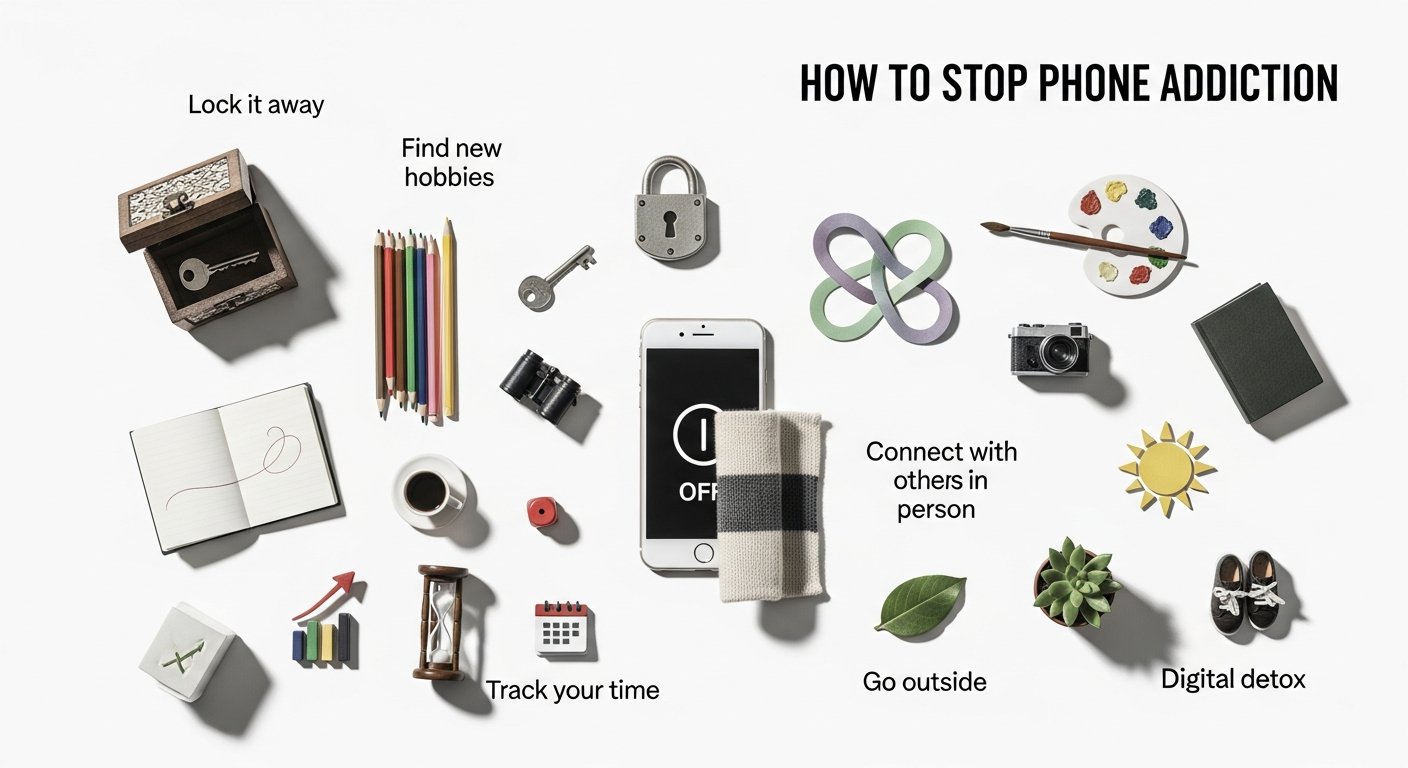
Our phones are designed to be engaging, but we can redesign our digital environments to promote mindful use rather than constant distraction. This involves a strategic overhaul of your device settings and app management. Start by decluttering your home screen. Remove all non-essential apps from your primary screen, perhaps consolidating them into folders on a second screen, or even deleting apps you rarely use. The less friction there is to access addictive apps, the more likely you are to open them. Consider making your home screen grayscale for a period; the vibrant colors of app icons are specifically designed to be appealing and attention-grabbing. Removing this visual stimulus can make your phone less enticing.
Notifications are perhaps the biggest culprit in disrupting focus and pulling us back into our phones. Go through your app notification settings with a critical eye. Turn off all non-essential notifications – especially for social media, news, and games. For essential apps, consider turning off banners and sounds, allowing only badges (the little red numbers) if absolutely necessary, or better yet, check them manually at designated times. Remember, most notifications are designed for the app’s benefit, not yours. Many apps also offer “do not disturb” modes or “focus modes” which can be scheduled to activate during work hours, family time, or sleep. Utilize these features to create periods of uninterrupted concentration. Explore app blockers or parental control features for yourself if certain apps are particularly problematic. These tools can temporarily disable access to chosen apps, helping you build new habits. By consciously curating your digital environment, you transform your phone from a constant distraction machine into a more intentional, useful tool that serves your goals. This proactive approach is a key practical step to stop phone addiction in 2026.
5. Communicating Your Needs: In Relationships and Beyond
Phone addiction doesn’t happen in a vacuum; it profoundly impacts our relationships. “Phubbing” – the act of snubbing someone in favor of your phone – is a pervasive issue that can lead to feelings of neglect, resentment, and decreased relationship satisfaction. To address phone addiction effectively, open and honest communication with your loved ones is essential. Start by acknowledging the problem and expressing your desire for change. This vulnerability can invite empathy and support rather than blame. For example, tell your partner, “I’ve noticed I’m on my phone too much, and I want to be more present with you. I’m trying to make some changes, and your support would mean a lot.”
Establish clear expectations and boundaries together. If you’re implementing phone-free dinners, discuss this proactively so everyone is on board. If you need a period of uninterrupted focus for work or personal time, communicate this beforehand. For parents, model healthy phone habits and involve children in setting family screen time rules. This teaches them digital literacy and responsibility. If your partner is struggling with their own phone use, approach the conversation with compassion, focusing on how their behavior affects you and the relationship, rather than launching an accusation. Suggest joint activities that don’t involve screens, or even a “digital detox challenge” together. Research on communication in relationships emphasizes the importance of “I” statements and active listening to foster understanding and collaboration. By vocalizing your intentions, inviting cooperation, and being mindful of how your phone use impacts others, you can transform a source of tension into an opportunity for deeper connection and mutual support. This collaborative approach is a crucial practical step in how to stop phone addiction and build healthier relationships in 2026.
6. Building Sustainable Habits and Embracing Self-Compassion
Overcoming phone addiction is a journey, not a destination. It requires patience, persistence, and a healthy dose of self-compassion. Like any habit change, there will be slips and setbacks, and that’s perfectly normal. The key is not to view these as failures, but as opportunities to learn and adjust your strategy. Focus on progress, not perfection. Start small with one or two changes and gradually build from there. For example, commit to a 30-minute phone-free period during dinner for a week, and once that feels comfortable, extend it to an hour before bed. Consistency over intensity is more effective for long-term change.
Integrate positive reinforcement into your routine. When you successfully resist the urge to check your phone or engage in a phone-free activity, acknowledge your achievement. This could be a mental pat on the back, or even a small, non-digital reward. Track your progress using screen time apps or a simple journal; seeing tangible improvements can be highly motivating. Embrace self-compassion when you slip up. Instead of self-criticism, which can be demotivating, ask yourself what you can learn from the experience and how you can better support yourself next time. Understand that breaking deeply ingrained habits takes time and effort, and it’s okay to seek external support if needed. Consider joining a digital wellness community, talking to a therapist specializing in behavioral change, or even engaging a trusted friend as an accountability partner. By adopting a mindset of continuous improvement, celebrating small victories, and treating yourself with kindness, you can build sustainable habits that lead to lasting digital wellness and a more balanced life in 2026. These are the practical steps to stop phone addiction and foster a healthier relationship with technology for good.
Digital Wellness Habits Checklist for 2026
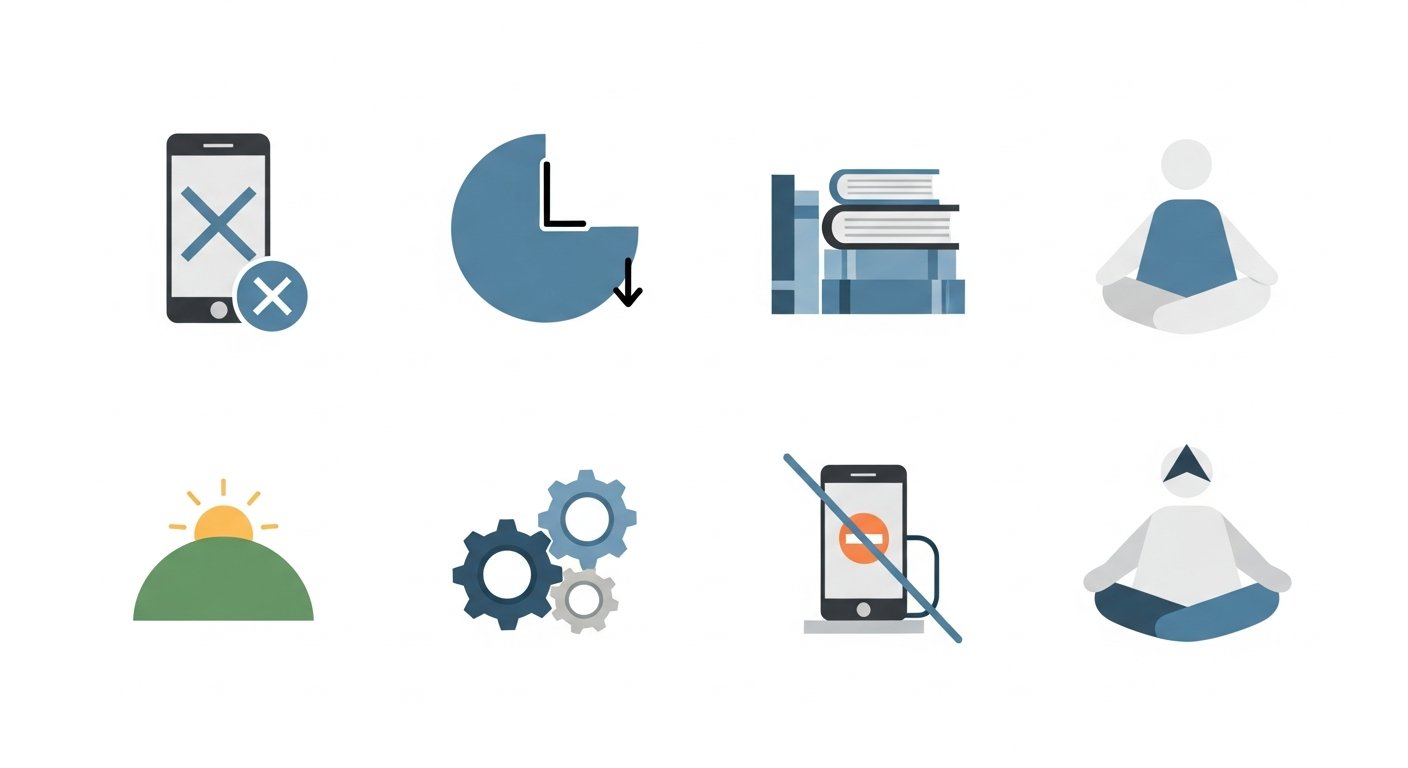
Ready to reclaim your attention and foster healthier digital habits? Use this checklist to guide your journey towards digital wellness.
| Digital Wellness Habit | Description & Action | Status |
|---|---|---|
| Understand Your “Why” | Use screen time apps to identify peak usage, problematic apps, and emotional triggers (boredom, stress, anxiety). | |
| Implement Phone-Free Zones | Designate specific areas (bedroom, dining table) where phones are not allowed. Consider a central phone charging station. | |
| Schedule Digital Detox Times | Establish daily phone-free periods (e.g., first hour awake, last hour before bed, during meals). | |
| Declutter Your Home Screen | Remove all non-essential apps from your primary screen. Consider a grayscale mode for your phone display. | |
| Disable Non-Essential Notifications | Review app settings and turn off all notifications that aren’t critical. Use “Do Not Disturb” modes strategically. | |
| Prioritize Real-World Connections | Actively schedule face-to-face meetups, engage in conversations without phone interruptions, practice active listening. | |
| Cultivate Offline Hobbies | Re-engage with old hobbies or start new ones that don’t involve screens (reading, nature walks, creative arts). | |
| Communicate Boundaries Clearly | Discuss your digital wellness goals and phone-free expectations with family, friends, and partners. | |
| Use App Timers/Blockers | Utilize built-in phone features or third-party apps to limit time on problematic applications. | |
| Practice Mindful Phone Use | Before picking up your phone, pause and ask yourself: “Why am I picking this up now? What is my intention?” |
Conclusion: Reclaiming Your Attention and Connection in 2026
In a world that constantly demands our digital attention, taking control of our relationship with our smartphones is one of the most empowering steps we can take for our overall well-being. The practical steps outlined in this guide – from understanding your triggers and setting firm boundaries to optimizing your digital environment and nurturing real-world connections – are not about demonizing technology. Instead, they are about fostering intentionality, presence, and genuine human connection. By implementing these strategies, you’re not just reducing screen time; you’re investing in richer relationships, improved mental clarity, better sleep, and a more fulfilling life experience. Remember, change is a process, not an event. Be patient and compassionate with yourself, celebrate small victories, and don’t be afraid to adjust your approach as you learn what works best for you. Start today, choose one or two practical steps, and begin your journey towards a healthier, more balanced digital life in 2026. Your attention, your relationships, and your emotional health will thank you.