

Digital Detox: Benefits and How to Do It Right 2026
TL;DR: A digital detox is crucial in 2026 for mental clarity, stronger relationships, and improved well-being. This guide details its benefits and provides practical steps to implement a sustainable detox, helping you reclaim presence and create healthier digital habits.
1. Reclaiming Presence and Deeper Connections
In an era defined by hyper-connectivity, the irony is that genuine human connection often suffers. Our smartphones, while promising to bring us closer, frequently act as barriers, creating a subtle yet persistent distance between us and those we love. This phenomenon, often termed “phubbing,” or phone snubbing, is more than just rude; it actively undermines the quality of our relationships. When one person is engrossed in their device, the other feels ignored, devalued, and less important than the digital world on the screen. Research consistently shows that phubbing can lead to decreased relationship satisfaction, increased conflict, and feelings of alienation.
A digital detox offers a powerful antidote, compelling us to put down our devices and fully engage with the present moment. Think about the last time you had an uninterrupted conversation with a loved one, truly listening without the urge to glance at a notification. The ability to be fully present is fundamental to building and maintaining strong relationships. When we engage in active listening – giving our full, undivided attention, making eye contact, and responding thoughtfully – we communicate respect, empathy, and genuine care. This non-verbal communication, often lost when screens are involved, is crucial for fostering intimacy and understanding. Psychologists often highlight the importance of “felt security” in relationships, which is the comfort and confidence that our partner is consistently available and responsive to our needs. Constant digital distraction can erode this security, making partners feel less prioritized and more anxious about their connection.
By intentionally stepping away from digital distractions, even for short periods, we create space for meaningful interactions. Imagine a family dinner where everyone is present, sharing stories and laughter, rather than silently scrolling. Or a date night where partners are genuinely connecting, exploring each other’s thoughts and feelings without the interruption of a buzzing phone. These moments, though seemingly small, are the building blocks of robust, resilient relationships. They allow us to pick up on subtle cues, share vulnerabilities, and co-create memories that strengthen our bonds. A digital detox isn’t about rejecting technology entirely; it’s about re-prioritizing human connection and ensuring that our devices serve us, rather than control us.
Practically, this means establishing “phone-free zones” – specific times or places where devices are off-limits, such as dinner tables, bedrooms, or during dedicated family time. It means consciously choosing to leave your phone in another room when engaging in important conversations. It also involves modeling this behavior for children and partners, demonstrating the value of undivided attention. The initial discomfort of disconnecting quickly gives way to the profound satisfaction of truly seeing and being seen by the people who matter most. Reclaiming presence through a digital detox is perhaps one of the most significant digital detox benefits for our emotional well-being and the health of our relationships.
2. Boosting Mental Clarity and Emotional Resilience

One major culprit is the phenomenon of “doomscrolling” – the tendency to continuously scroll through negative news and social media content, often late into the night. This behavior, fueled by algorithmic engagement, can significantly amplify anxiety, stress, and feelings of hopelessness. Furthermore, social media platforms often trigger social comparison theory, where individuals constantly compare their own lives to the seemingly perfect, often unrealistic, portrayals of others. This can lead to feelings of inadequacy, envy, and a significant drop in self-esteem. The fear of missing out (FOMO) also plays a powerful role, driving compulsive checking behavior and preventing us from truly enjoying our current experiences.
A digital detox provides a much-needed reset for our minds. By reducing the influx of external stimuli, we create space for internal reflection and processing. This allows our brains to consolidate memories, engage in creative problem-solving, and simply “be” without constant distraction. This period of reduced cognitive load can significantly lower stress levels, diminish feelings of anxiety, and improve overall mood. When we’re not constantly comparing ourselves to others, we can begin to appreciate our own journey and accomplishments more authentically. Studies on mindfulness and meditation consistently show that practices which cultivate present moment awareness lead to greater emotional regulation and resilience – qualities that are directly supported by disconnecting digitally.
To truly boost mental clarity and emotional resilience through a detox, it’s essential to replace digital habits with healthy alternatives. Engage in activities that foster self-reflection, such as journaling, reading physical books, or spending time in nature. Practice mindfulness exercises that bring you back to the present moment, helping to break the cycle of rumination often exacerbated by digital consumption. Set clear boundaries around notification frequency, turning off non-essential alerts to reduce the constant pull of your device. By consciously choosing what information we consume and when, we regain control over our mental landscape. This intentional shift allows us to cultivate a stronger sense of self, develop healthier coping mechanisms for stress, and build a more robust emotional foundation, making emotional health a core digital detox benefit.
3. Improving Sleep Quality and Physical Well-being
The pervasive presence of digital devices in our lives extends right into our bedrooms, often wreaking havoc on our sleep patterns and, consequently, our overall physical health. From late-night scrolling through social media to watching one more episode on a streaming service, our digital habits are directly interfering with our body’s natural sleep-wake cycle, known as the circadian rhythm. This disruption isn’t merely about losing an hour of sleep; it has profound implications for our energy levels, immune system, cognitive function, and long-term health.
The primary culprit is the blue light emitted from screens – smartphones, tablets, computers, and even modern televisions. Blue light, particularly in the evening hours, mimics daylight, signaling to our brains that it’s still daytime. This suppresses the production of melatonin, a crucial hormone responsible for regulating sleep. When melatonin levels are low, it becomes harder to fall asleep, and the quality of sleep we do get is often fragmented and less restorative. Chronic sleep deprivation can lead to a host of health issues, including increased risk of obesity, diabetes, cardiovascular disease, impaired immune function, and reduced cognitive performance, affecting memory, concentration, and decision-making.
Beyond blue light, the content we consume digitally can also contribute to poor sleep. Engaging with stimulating or emotionally charged content right before bed can activate our sympathetic nervous system, putting us in a state of arousal rather than relaxation. The constant “ping” of notifications, even if unheard, can keep our minds subtly alert, preventing the deep relaxation needed for quality rest. Furthermore, a sedentary lifestyle often encouraged by excessive screen time can lead to a lack of physical activity, which is another cornerstone of good sleep hygiene and overall physical health.
A digital detox, particularly focusing on evening habits, can dramatically improve sleep quality. Implementing a “digital sunset” – committing to no screens for at least 1-2 hours before bedtime – allows the body to naturally increase melatonin production. Replacing screen time with relaxing activities like reading a physical book, listening to calming music, journaling, or taking a warm bath signals to your body that it’s time to wind down. Creating a screen-free bedroom environment, where devices are charged outside the sleeping area, further reinforces the bedroom as a sanctuary for rest.
Moreover, reducing overall screen time encourages more physical activity throughout the day. Instead of scrolling, you might take a walk, engage in a hobby, or spend time outdoors. Regular physical activity is known to improve sleep quality, reduce stress, and contribute to better cardiovascular health and weight management. By making conscious choices to disconnect, we empower our bodies to follow their natural rhythms, leading to more restorative sleep, increased energy, and a significant boost to our physical well-being. This focus on physical health is an undeniable digital detox benefit that reverberates across all aspects of life.
4. Rekindling Creativity and Personal Growth

In our hyper-connected world, the concept of “boredom” has become almost obsolete. Every spare moment, every lull in activity, is instantly filled by a quick glance at our phones. While this constant stimulation might seem productive or entertaining, it often comes at the expense of our creativity, problem-solving abilities, and personal growth. Our brains thrive on periods of unstructured thought, contemplation, and even boredom – these are the fertile grounds where new ideas are born, insights emerge, and self-discovery flourishes. When we constantly consume digital content, we deny our minds this essential space for internal processing and imaginative play.
Creativity isn’t just for artists; it’s a fundamental human capacity that helps us navigate challenges, innovate in our careers, and find novel solutions in daily life. Psychologists like Mihaly Csikszentmihalyi, known for his work on “flow,” emphasize that deep engagement and focused attention are prerequisites for creative output. However, our digital habits often cultivate a state of fragmented attention, constantly pulling us from one task or thought to another, making it difficult to enter a sustained state of creative flow. The constant influx of external information can also overshadow our internal voice, making it harder to tap into our unique perspectives and ideas.
A digital detox provides the necessary quiet and mental spaciousness to rekindle our innate creativity and foster significant personal growth. When we remove the endless scroll and the constant stream of notifications, we create a void that our minds naturally seek to fill. This often leads to a resurgence of curiosity, a desire to explore new hobbies, or a renewed interest in long-forgotten passions. You might find yourself picking up a musical instrument, sketching, writing, gardening, or simply daydreaming – all activities that stimulate different parts of the brain and encourage divergent thinking.
Moreover, disconnecting digitally allows for more intentional self-reflection, a cornerstone of personal growth. Without the constant external validation or comparison offered by social media, we can better tune into our own values, aspirations, and challenges. Journaling becomes a more appealing activity, allowing us to process thoughts and emotions, set goals, and track our progress. Spending time in nature, free from digital distractions, can also be incredibly restorative and inspiring, fostering a sense of wonder and perspective that fuels creative thought. This deliberate space for introspection helps us identify areas for improvement, develop new skills, and cultivate a deeper understanding of who we are and who we want to become.
By consciously choosing to step away from the digital noise, we empower ourselves to engage in activities that genuinely nurture our minds and spirits. This isn’t about productivity in the traditional sense, but about fostering a richer inner life that ultimately translates into a more vibrant, inventive, and self-aware existence. Rekindling creativity and facilitating personal growth are profound digital detox benefits that extend far beyond the screen, enriching every facet of life.
5. Setting Healthy Digital Boundaries for Lasting Change
Embarking on a digital detox isn’t just about a temporary break; for it to be truly effective, it must be the catalyst for establishing sustainable, healthy digital boundaries. Many people approach a detox with an all-or-nothing mentality, aiming for complete abstinence, only to relapse quickly once the “detox period” ends. The key to lasting change lies not in deprivation, but in thoughtful integration and intentional boundary setting. This approach acknowledges that technology is an integral part of modern life but insists that we dictate its role, rather than allowing it to dictate ours.
The science of habit formation, as explored by authors like James Clear in “Atomic Habits” or Charles Duhigg in “The Power of Habit,” provides valuable insights here. Habits are formed through a loop: cue, routine, reward. Our digital habits are deeply ingrained because they offer immediate rewards (dopamine hits from notifications, social validation, entertainment). To break these loops and form new, healthier ones, we need to identify our cues, consciously change our routines, and find alternative rewards. A sustainable detox focuses on disrupting problematic habit loops and replacing them with intentional, beneficial ones.
To do it right, start by identifying your personal “trigger apps” or digital behaviors that contribute most to your overwhelm or distraction. Is it endless social media scrolling, compulsive email checking, or late-night streaming? Once identified, you can implement specific, manageable boundaries. This might include designated “tech-free” hours each day (e.g., no phone before 9 AM or after 9 PM), specific “app-free” days, or even creating physical barriers like leaving your phone in another room during meals or while working on a focused task. The goal is to create friction for unhealthy habits and ease for desired ones.
Consider a phased approach rather than an abrupt shutdown. Begin by turning off non-essential notifications, then move to setting time limits on apps using built-in phone features, and gradually expand your tech-free zones. Involve your family or housemates in setting these boundaries, making it a collective effort to support one another. Accountability partners can be incredibly effective, as knowing someone else is aware of your goals can boost commitment.
Crucially, a sustainable detox involves consciously filling the void left by reduced screen time with enriching activities. If you’re not scrolling, what are you doing instead? Plan for these moments: pick up a book, go for a walk, engage in a hobby, spend quality time with loved ones, or simply allow yourself to sit with your thoughts. This proactive replacement of digital consumption with meaningful engagement is what transforms a temporary break into a lasting lifestyle change. By setting clear, consistent, and compassionate boundaries, we move beyond merely surviving our digital world to thriving within it, ensuring that the digital detox benefits are not fleeting but enduring.
6. Navigating the Social Aspects: Communicating Your Detox
One of the most significant hurdles to a successful digital detox isn’t just personal willpower, but navigating the social expectations and pressures that come with being constantly connected. The fear of missing out (FOMO) is a powerful psychological driver, making us feel anxious about disconnecting from social circles, work communications, or important updates. This anxiety is compounded by the potential for friends, family, or colleagues to misinterpret our detox as disinterest, rudeness, or even a personal slight. Therefore, effectively communicating your intentions is a critical component of how to do it right in 2026.
From a social psychology perspective, humans are deeply wired for connection and belonging. When we suddenly withdraw from digital channels, it can disrupt established communication patterns and lead to misunderstandings. People might expect instant responses, feel excluded from group chats, or wonder why you’re not engaging with their online content. This is where transparent, empathetic communication becomes vital. The goal isn’t to alienate others but to set clear expectations and invite understanding and support for your well-being journey.
Start by pre-announcing your detox, especially if it’s for an extended period. A simple message to close friends and family, perhaps on the very platforms you’ll be stepping away from, can prevent confusion. You might say something like: “Hey everyone, I’m taking a digital detox for the next X days/weeks to focus on my well-being and be more present. I won’t be checking social media or responding to messages as quickly. If it’s urgent, please call or text me directly. Looking forward to reconnecting in person!” This approach manages expectations, provides alternative contact methods for emergencies, and frames your detox as a positive, self-care initiative.
For work-related communication, if applicable, inform your team and manager about your reduced digital availability during non-work hours, explaining that you’re focusing on creating a healthier work-life balance. Set an out-of-office auto-reply for emails during your detox period, indicating when you’ll return and who to contact for urgent matters. This professional boundary-setting is a sign of self-awareness and respect for your own time and mental health.
Beyond announcing, be prepared for initial reactions. Some people might be curious, others might be inspired, and a few might even challenge your decision or try to pull you back in. Stand firm but kindly explain your motivations, perhaps sharing some of the digital detox benefits you’re seeking. You might find that your detox encourages others to consider their own digital habits. Offer to connect in alternative ways – suggest meeting for coffee, going for a walk, or having a phone call instead of relying on messaging apps. This demonstrates that your detox is not a rejection of them, but a re-prioritization of how you engage.
By proactively managing the social aspects of your digital detox, you empower yourself to disconnect without guilt or fear of social repercussions. It transforms a personal challenge into an opportunity for clear communication, stronger real-world connections, and a positive influence on those around you, making your journey towards digital wellness more supported and successful.
Are You Ready for a Digital Detox? A Self-Assessment Checklist
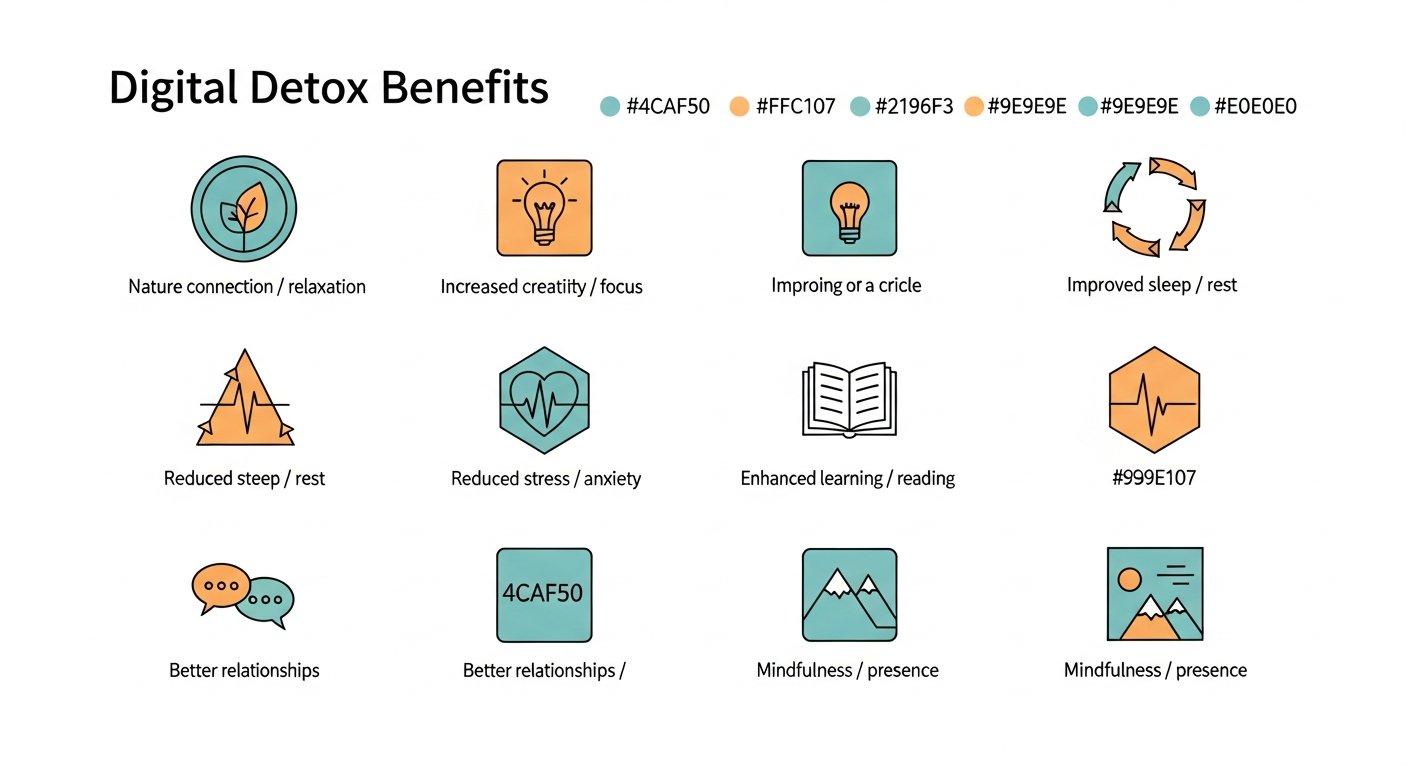
Before diving headfirst into a digital detox, it’s helpful to assess your current relationship with technology and identify areas where you might benefit most. This checklist will help you determine if a detox is right for you and where to focus your efforts.
| Statement | Yes | No | Sometimes |
|---|---|---|---|
| I often find myself reaching for my phone without a specific purpose. | |||
| My phone is the first thing I check in the morning and the last thing at night. | |||
| I feel anxious or restless if I can’t access my phone or the internet. | |||
| I frequently interrupt conversations or activities to check notifications. | |||
| I compare my life to others’ online and often feel inadequate or envious. | |||
| My sleep quality has deteriorated, and I suspect screen time is a factor. | |||
| I struggle to focus on single tasks without getting distracted by digital alerts. | |||
| I feel a persistent sense of urgency to respond to messages or emails immediately. | |||
| I often feel mentally drained or overwhelmed after extended screen time. | |||
| I wish I had more time for hobbies, reading, or spending time in nature. |
Interpretation: If you answered “Yes” or “Sometimes” to many of these statements, it’s a strong indicator that you could significantly benefit from a digital detox. The more “Yes” answers, the more impactful a detox is likely to be for your well-being and relationships. Use this as a starting point to identify your personal digital pain points and tailor your detox strategy accordingly.
Conclusion: Your Path to a More Present and Connected 2026
As we navigate the complexities of 2026, the call for intentional digital wellness grows louder. A digital detox is no longer a radical idea but a vital practice for anyone seeking to reclaim their time, attention, and genuine human connections. We’ve explored the profound digital detox benefits: from strengthening relationships and boosting mental clarity to improving sleep and rekindling creativity. Each aspect contributes to a richer, more fulfilling life, free from the constant pull of the digital world.
Remember, the essence of a successful digital detox isn’t about rejecting technology entirely, but about mastering it. It’s about consciously choosing when, where, and how you engage with your devices, ensuring they serve your well-being rather than detract from it. This comprehensive how to do it guide 2026 has provided you with the research-backed insights and practical strategies to embark on your own journey, whether it’s a weekend unplug or a commitment to healthier daily habits.
Your actionable next steps begin now:
- Assess Your Habits: Use the self-assessment checklist to pinpoint your digital pain points.
- Set Clear Intentions: Decide on the duration and scope of your detox – partial or complete, and what you hope to gain.
- Communicate Your Plan: Inform friends, family, and colleagues to manage expectations and gain support.
- Plan Alternative Activities: Fill the void left by screens with enriching, real-world engagements.
- Start Small, Build Sustainably: Begin with achievable boundaries and gradually integrate them into a lasting digital wellness routine.
Embrace the challenge, trust the process, and prepare to rediscover the joy of presence. Your relationships, your mind, and your overall well-being will thank you for it. Start your digital detox today and step into a more connected, calmer, and creative you.