

Building Unshakeable Bonds: Your Practical Guide to a Stronger Relationship Foundation
Think of a magnificent skyscraper. It’s not just its gleaming façade or its impressive height that makes it stand tall. It’s the unseen, meticulously engineered foundation beneath – deep, strong, and resilient – that allows it to withstand storms and time. Your relationship is no different. Without a robust foundation, even the most passionate initial sparks can fizzle, and minor disagreements can feel like insurmountable chasms. But with a solid base, built on intention, understanding, and consistent effort, your relationship can weather any challenge and grow into something truly extraordinary.
This comprehensive guide isn’t just about theory; it’s about practical, actionable steps you can take, starting today, to reinforce or completely rebuild the foundation of your most important relationships. Whether you’re in a new partnership, a long-term commitment, or looking to strengthen bonds with family and friends, these principles are universal. We’ll explore the essential pillars that uphold healthy connections, backed by research and real-world wisdom, helping you move from digital distraction to profound devotion.
Prioritizing Presence: The Antidote to Digital Drift
Before we can build anything strong, we must first be present. In our hyper-connected world, the biggest threat to our relationship foundation isn’t usually malice, but rather a pervasive lack of presence. Phubbing—the act of snubbing someone in favor of your phone—is a symptom of this digital drift, and its impact is far from trivial. Research consistently shows that phubbing can lead to decreased relationship satisfaction, feelings of neglect, and even depression. It communicates, often unconsciously, that whatever is happening on your screen is more important than the person right in front of you. This erodes trust, intimacy, and the very feeling of being valued.
Building a foundation of presence requires intentionality. It’s about making a conscious choice to put down the device and fully engage with the human experience unfolding before you. This isn’t just about physical proximity; it’s about mental and emotional availability. When you are truly present, you are offering the invaluable gift of your undivided attention, signaling to your partner, friend, or family member that they are seen, heard, and important.
Techniques for Cultivating Presence:
- Dedicated Device-Free Times: Establish sacred moments where phones are strictly off-limits. This could be during meals, the first and last 30 minutes of the day, during walks, or specific “date nights.” Make a commitment together. For example, Sarah and Mark started a ritual where, as soon as they sat down for dinner, both phones went into a designated “phone basket” in the kitchen. This simple act transformed their evenings from distracted silence to lively conversation and genuine connection.
- Active Listening with Intention: Beyond just hearing words, active listening involves truly processing and understanding what the other person is communicating, both verbally and non-verbally. Put away distractions, make eye contact, nod, and offer verbal affirmations (“I see,” “Tell me more”). When they finish, summarize what you heard to ensure you understood correctly (“So, what I’m hearing is…”). This not only shows you’re present but also validates their feelings and thoughts.
- Create “Phubbing-Free Zones”: Identify specific areas or activities where devices are not allowed. The bedroom, the dinner table, and family game nights are excellent candidates. These zones become sanctuaries for connection, reinforcing the message that these moments are reserved for real-life interaction.
- Mindful Transitions: When you come home from work, or after a busy period, resist the urge to immediately check your phone. Instead, take a few minutes to consciously transition. Put down your bag, take a deep breath, and greet your loved ones with your full attention. This small shift can make a huge difference in setting a positive tone for your interactions.
Mastering Communication: Beyond Just Talking
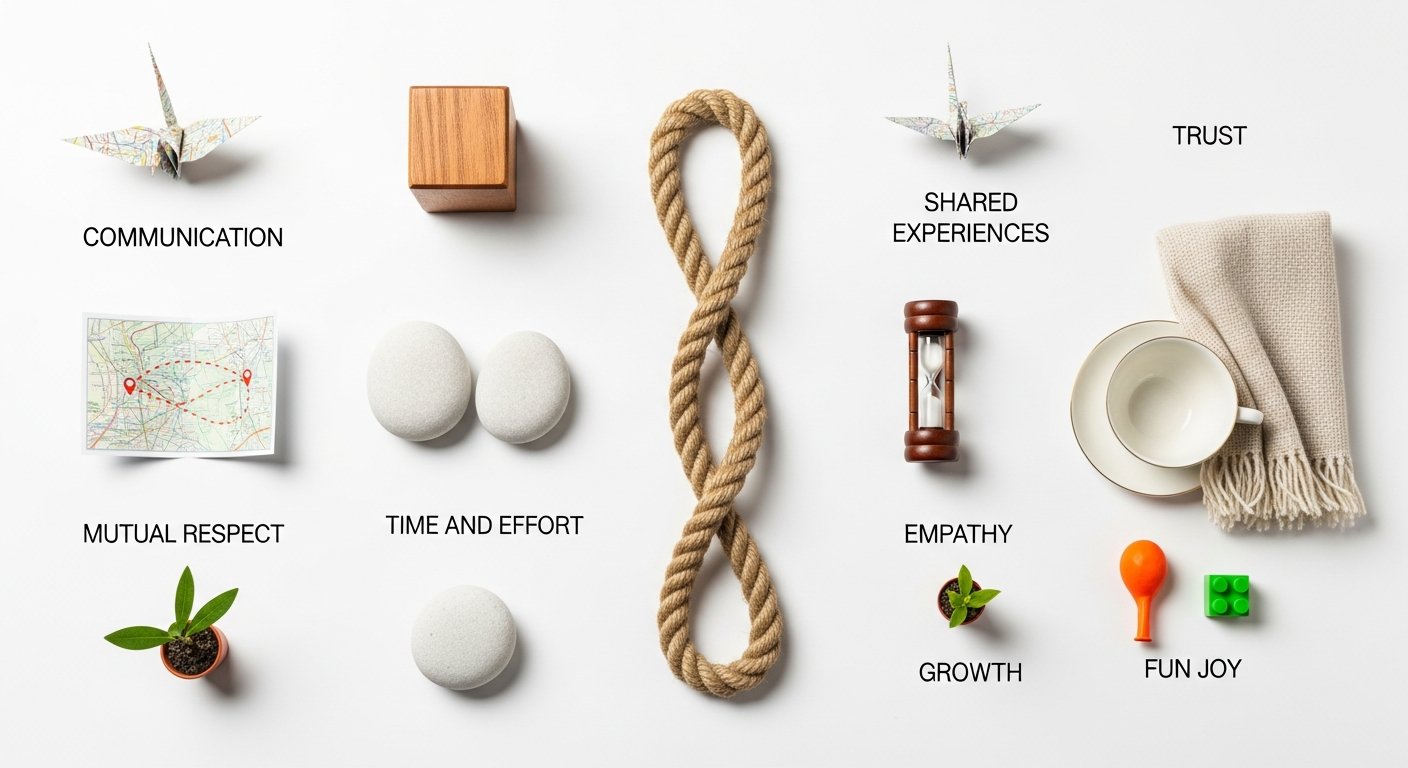
Communication is often cited as the cornerstone of any healthy relationship, but what does “good communication” actually entail? It’s far more than simply exchanging information. It’s about expressing needs, fears, desires, and joys in a way that fosters understanding, empathy, and problem-solving. Effective communication builds bridges, while poor communication erects walls, leading to resentment, isolation, and a crumbling foundation.
Relationship experts like Dr. John Gottman, whose extensive research has transformed our understanding of marital stability, emphasize that it’s not the absence of conflict but how couples communicate during conflict and in everyday interactions that predicts success. His work highlights the destructive power of criticism, contempt, defensiveness, and stonewalling—his “Four Horsemen of the Apocalypse”—and conversely, the power of gentle start-ups, repair attempts, and accepting influence.
Techniques for Mastering Communication:
- Use “I” Statements: Instead of accusatory “You always…” or “You never…” statements, frame your feelings and needs from your own perspective. For example, instead of “You never help with the chores!”, try “I feel overwhelmed when the house is messy, and I would really appreciate some help with the dishes tonight.” This approach reduces defensiveness and invites collaboration.
- Practice Empathy and Validation: Try to understand your partner’s perspective, even if you don’t agree with it. Validate their feelings by acknowledging them: “I can see why you’d feel frustrated when that happens,” or “It makes sense that you’re upset.” Validation isn’t agreement; it’s simply acknowledging the legitimacy of their emotional experience. This creates a safe space for vulnerability.
- Schedule Regular Check-ins: Beyond just talking about logistics (“What’s for dinner?”), set aside time for intentional conversations about your relationship. This could be a weekly “relationship meeting” where you discuss what’s going well, what needs improvement, and what you appreciate about each other. This proactive approach prevents small issues from festering into larger problems.
- Non-Violent Communication (NVC) Principles: Developed by Marshall Rosenberg, NVC focuses on expressing observations, feelings, needs, and requests without judgment or blame. It encourages you to observe what’s happening without evaluation (“When I see the dishes piled up…”), state how you feel (“I feel stressed…”), identify your underlying need (“because I need a sense of order and support…”), and make a clear, actionable request (“would you be willing to help me clean up tonight?”).
- Learn to Repair: No relationship is conflict-free, but healthy relationships have strong repair mechanisms. A repair attempt is any statement or action that prevents negativity from escalating and gets the discussion back on track. This could be a joke, an apology, a change of subject, or a simple “I’m sorry, can we try that again?” Learning to recognize and respond positively to repair attempts is crucial.
By intentionally honing your communication skills, you’re not just talking more; you’re talking better, fostering an environment where both partners feel heard, understood, and respected. This deepens your connection and fortifies your relationship against the inevitable storms of life.
Cultivating Shared Meaning & Purpose
A strong relationship foundation isn’t just built on shared experiences, but on shared meaning and purpose. This refers to the deeper values, goals, and dreams that you collectively pursue, giving your relationship a sense of direction, significance, and resilience. Without this shared vision, partners can drift apart, pursuing individual paths that diverge rather than intertwine. Dr. Gottman’s research further emphasizes the importance of shared meaning, identifying it as one of the key indicators of a thriving partnership.
When you and your partner are aligned on what truly matters—whether it’s raising a family, contributing to a cause, pursuing a certain lifestyle, or simply creating a loving home—you build a powerful bond that transcends day-to-day challenges. It provides a framework for decision-making and a source of motivation during difficult times. This isn’t about perfectly identical interests, but about a mutual respect for each other’s aspirations and a willingness to support and integrate them into a joint narrative.
Techniques for Cultivating Shared Meaning & Purpose:
- Discuss Future Dreams and Aspirations: Regularly talk about your individual and collective hopes for the future. What kind of life do you envision together? What goals do you share regarding career, family, travel, or personal growth? These conversations aren’t just wish lists; they’re blueprints for your shared future. For instance, a couple might realize they both dream of living closer to nature, and this shared aspiration becomes a driving force in their financial planning and lifestyle choices.
- Identify and Articulate Core Values: What principles are most important to you both? Is it honesty, adventure, security, creativity, service, or family? Understanding and aligning on these core values provides a moral compass for your relationship. When conflicts arise, you can often return to these shared values to find common ground.
- Create Shared Rituals: Rituals, from daily coffee together to annual vacations, are powerful anchors of shared meaning. They create predictable moments of connection that reinforce your bond. These don’t have to be grand gestures; a simple “good morning” hug, a Friday night movie tradition, or a Sunday walk can profoundly deepen your connection over time.
- Pursue Hobbies and Interests Together: While individual interests are vital, engaging in activities as a couple builds shared experiences and competence. Learn a new language, take a cooking class, train for a marathon, or volunteer for a cause you both care about. These shared endeavors create new memories, foster teamwork, and provide opportunities for mutual growth.
- Define Your Relationship’s “Why”: Beyond individual happiness, what is the purpose of your relationship? Is it to create a loving family, to support each other’s personal growth, to make a positive impact on the world, or to simply enjoy life’s journey together? Articulating this “why” can provide a powerful sense of unity and direction.
By actively building shared meaning and purpose, you transform your relationship from a collection of two individuals into a cohesive unit with a shared narrative. This deepens your commitment, enhances your resilience, and ensures that your foundation is built not just on love, but on a profound sense of shared destiny.
Nurturing Appreciation & Affection
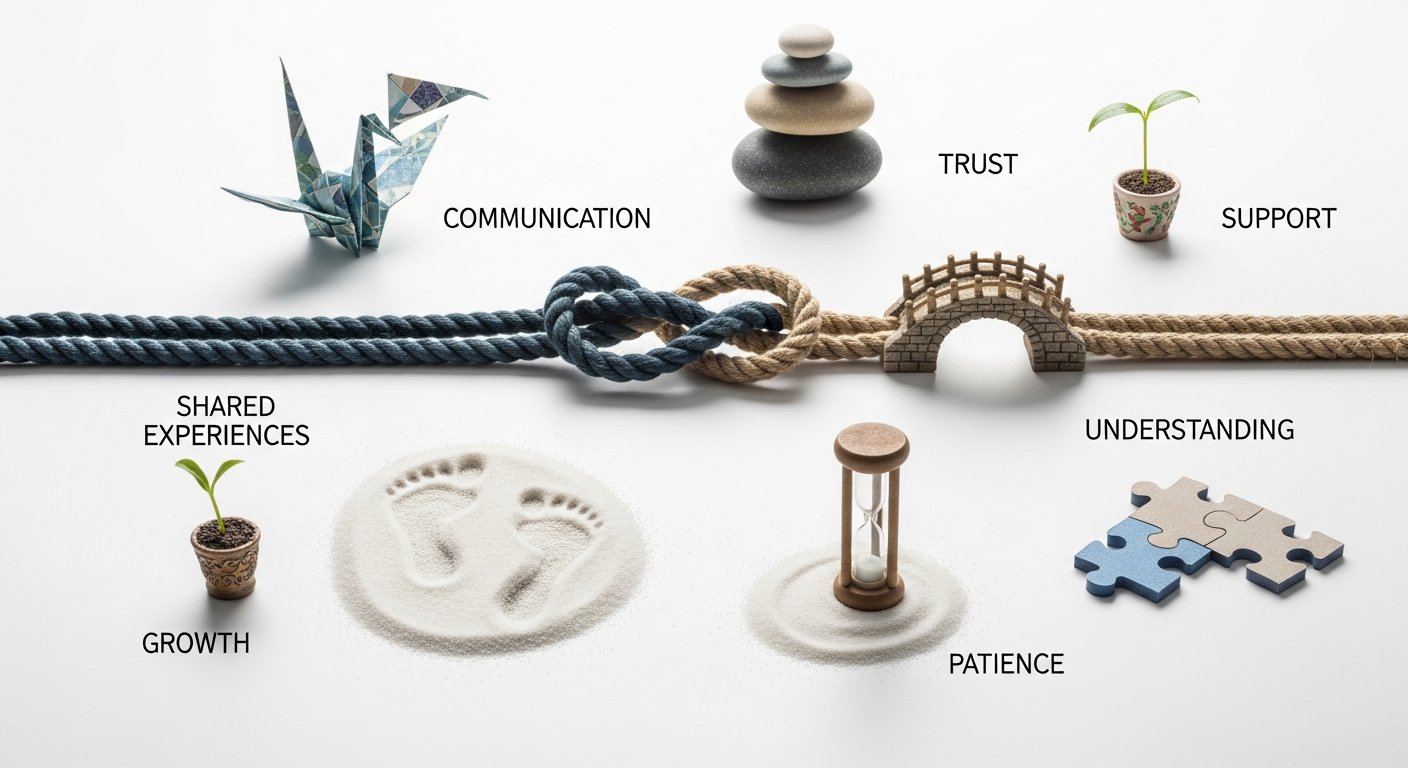
While grand gestures are memorable, it’s the consistent, small acts of appreciation and affection that truly build and maintain a strong relationship foundation. These acts create a positive emotional climate, making both partners feel valued, desired, and loved. Neglecting this aspect can lead to a sense of being taken for granted, chipping away at the foundation until even significant acts of love feel hollow. Positive psychology research consistently demonstrates the profound impact of gratitude and positive interactions on overall relationship satisfaction and longevity.
Imagine your relationship as a garden. You can plant beautiful flowers (big moments, celebrations), but if you don’t regularly water and fertilize the soil (daily appreciation and affection), those flowers will wither. Nurturing appreciation and affection is about consistently providing that essential emotional nourishment, ensuring both partners feel seen, cherished, and emotionally secure.
Techniques for Nurturing Appreciation & Affection:
- Express Gratitude Daily: Make it a habit to explicitly thank your partner for specific things they do, no matter how small. “Thank you for making coffee this morning, it really helped me start my day,” or “I really appreciate you listening to me vent about work.” Specificity makes your gratitude feel more genuine and impactful.
- Speak Their Love Language: Gary Chapman’s concept of “The Five Love Languages” suggests that people give and receive love in different ways: Words of Affirmation, Quality Time, Receiving Gifts, Acts of Service, and Physical Touch. Learn your partner’s primary love language (and yours!) and intentionally express love in a way they understand and appreciate most. For example, if your partner’s love language is Acts of Service, doing a chore they dislike without being asked will speak volumes more than a simple “I love you.”
- Regular Compliments and Affirmations: Don’t just think positive thoughts about your partner; voice them. Compliment their intelligence, their kindness, their appearance, or their efforts. Affirm their character and strengths. These verbal affirmations build their self-esteem and reinforce your positive regard for them.
- Thoughtful Gestures: Small surprises or thoughtful acts can go a long way. This could be bringing home their favorite snack, sending a sweet text during the day, writing a short note, or simply remembering a small detail they mentioned. These gestures demonstrate that you’re thinking of them and care about their happiness.
- Prioritize Physical Touch: Beyond intimacy, non-sexual physical touch like hugs, holding hands, a comforting arm around the shoulder, or cuddling on the couch is incredibly important for bonding and releasing oxytocin, the “love hormone.” Make these moments a regular, natural part of your day.
- Celebrate Small Wins: Don’t wait for major milestones to celebrate. Acknowledge and celebrate your partner’s achievements, big or small—a successful presentation at work, finishing a challenging project, or even just getting through a tough day. Shared joy strengthens your bond.
By consistently nurturing appreciation and affection, you create an overflowing reservoir of positive emotion within your relationship. This positive emotional bank account acts as a buffer during times of stress or conflict, making your foundation not only strong but also deeply satisfying and joyful.
Building Trust & Emotional Security
At the very core of an unshakeable relationship foundation lies trust and emotional security. Trust is the belief that your partner has your best interests at heart, that they are reliable, honest, and will act with integrity. Emotional security is the feeling that you are safe to be your authentic self, to be vulnerable, and that your partner will respond with empathy and support, rather than judgment or abandonment. Without these elements, the foundation crumbles, leading to anxiety, defensiveness, and a constant feeling of walking on eggshells.
Breaches of trust, whether through dishonesty, infidelity, or a consistent failure to follow through, are like cracks in the foundation, allowing instability to seep in. Conversely, consistent reliability and genuine emotional support act like steel reinforcements, making the structure incredibly strong. Research on attachment theory highlights the profound human need for secure attachment, which is built on the consistent responsiveness and reliability of a primary caregiver (or partner in adult relationships).
Techniques for Building Trust & Emotional Security:
- Be Consistent and Reliable: Follow through on your promises, big and small. If you say you’ll do something, do it. If you say you’ll be somewhere, be there. Consistency builds a track record of reliability, proving that your words match your actions. This is the bedrock of trust.
- Practice Radical Honesty (with Empathy): Be truthful, even when it’s difficult. This doesn’t mean being brutally frank without care, but communicating truth with kindness and respect. Avoid white lies or withholding important information. Transparency fosters trust. If you need to deliver difficult news, choose your words carefully and consider your partner’s feelings.
- Be a Safe Confidant: When your partner shares vulnerabilities, fears, or secrets, treat that information with the utmost respect and confidentiality. Never use it against them in an argument. This creates a safe space where they feel they can truly open up without fear of judgment or betrayal.
- Actively Support During Tough Times: Be there for your partner when they are struggling. Offer practical help, a listening ear, or simply a comforting presence. Show them through your actions that you are their ally and their biggest supporter, not just when things are easy but especially when they are hard.
- Apologize Sincerely and Make Amends: When you make a mistake or hurt your partner, take responsibility. A sincere apology involves acknowledging the hurt you caused, expressing remorse, and making an effort to understand their perspective. More importantly, follow through with actions to prevent a recurrence. This demonstrates humility and a commitment to repair.
- Validate Emotions Without Judgment: When your partner expresses an emotion, avoid dismissing it, minimizing it, or trying to “fix” it immediately. Instead, acknowledge and validate their feelings: “I can see why you’re feeling really angry right now,” or “It sounds like you’re feeling quite anxious about that.” This creates a sense of being understood and emotionally safe.
Building trust and emotional security is an ongoing process that requires consistent effort and integrity. Each act of reliability, honesty, and empathy reinforces the foundation, creating a powerful sense of security that allows both partners to flourish, knowing they are deeply loved and safely held.
Navigating Conflict Constructively
It’s a common misconception that strong relationships are conflict-free. In reality, all relationships experience conflict; it’s an inevitable part of two individuals with distinct needs, opinions, and experiences sharing a life. What truly distinguishes a strong relationship foundation is not the absence of disagreements, but the ability to navigate conflict constructively, turning potential destroyers into opportunities for growth and deeper understanding. Unmanaged conflict, especially when characterized by criticism, contempt, defensiveness, or stonewalling (Gottman’s “Four Horsemen”), will relentlessly chip away at the foundation, leading to resentment and emotional distance.
Learning to fight fair, to express dissent respectfully, and to find resolutions that honor both partners’ needs is a powerful skill. It reinforces trust, demonstrates mutual respect, and ultimately strengthens the bond by proving that your relationship can withstand disagreements and emerge even stronger. This requires emotional regulation, empathy, and a commitment to the relationship over “winning” an argument.
Techniques for Navigating Conflict Constructively:
- Take a Break When Overwhelmed: When discussions become too heated, and you feel your emotions escalating (heart racing, feeling flooded), take a mutually agreed-upon break. This isn’t stonewalling; it’s a strategic pause. Agree on a time to reconvene (e.g., “Let’s take 20 minutes to calm down and then talk again”) and use that time for self-soothing activities like deep breathing or a walk, not for stewing or planning your next attack.
- Focus on the Problem, Not the Person: Frame your concerns around the issue at hand, rather than attacking your partner’s character or motives. Instead of “You’re so irresponsible for forgetting that,” try “I’m concerned about how we’re going to manage this missed deadline.” This keeps the conversation productive and less personally damaging.
- Seek Understanding, Not Just Agreement: Your primary goal in conflict shouldn’t be to win or to force your partner to agree with you, but to understand their perspective and to be understood. Ask open-ended questions, listen actively, and paraphrase what you hear to ensure clarity. “Can you tell me more about why that’s so important to you?”
- Look for Common Ground and Compromise: Healthy conflict resolution often involves compromise, where both partners give a little to meet in the middle. Be willing to be flexible and explore solutions that address both your needs. Sometimes, the solution isn’t about one person being right, but about finding a third way that works for both.
- Make and Receive Repair Attempts: During an argument, any gesture or statement that aims to de-escalate tension or mend hurt feelings is a repair attempt. This could be an apology, a touch, a joke, or a reminder of your love. Learning to offer and accept these attempts is vital. Even a simple “I love you, and I want to fix this” can cut through a lot of negativity.
- Know When to Agree to Disagree: Not every conflict has a clear resolution. For some “perpetual problems” (as Gottman calls them), the goal might be to manage them rather than solve them. This means finding a way to live with the difference, acknowledging both perspectives, and preventing it from becoming a source of constant friction.
By embracing these techniques, you transform conflict from a destructive force into a constructive tool. You teach your relationship how to bend without breaking, reinforcing the understanding that even when you disagree, your love and commitment to